
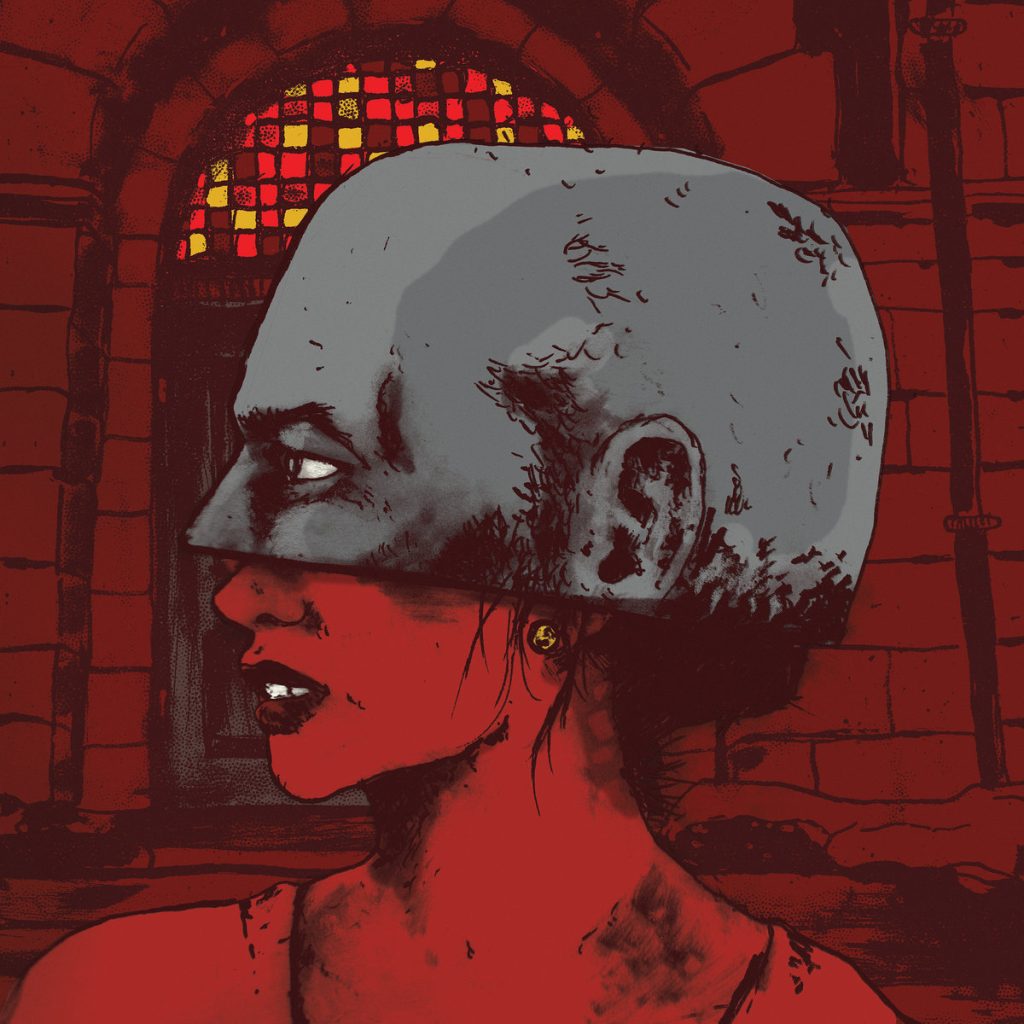
Great Falls – The Bite That Grows Up
Eight tracks from the Seattle trio, with a broken kick drum, a chain for a cymbal and the last vocals Peter Clement Lund of Kollapse recorded before he died.
Eight tracks from the Seattle trio, with a broken kick drum, a chain for a cymbal and the last vocals Peter Clement Lund of Kollapse recorded before he died.
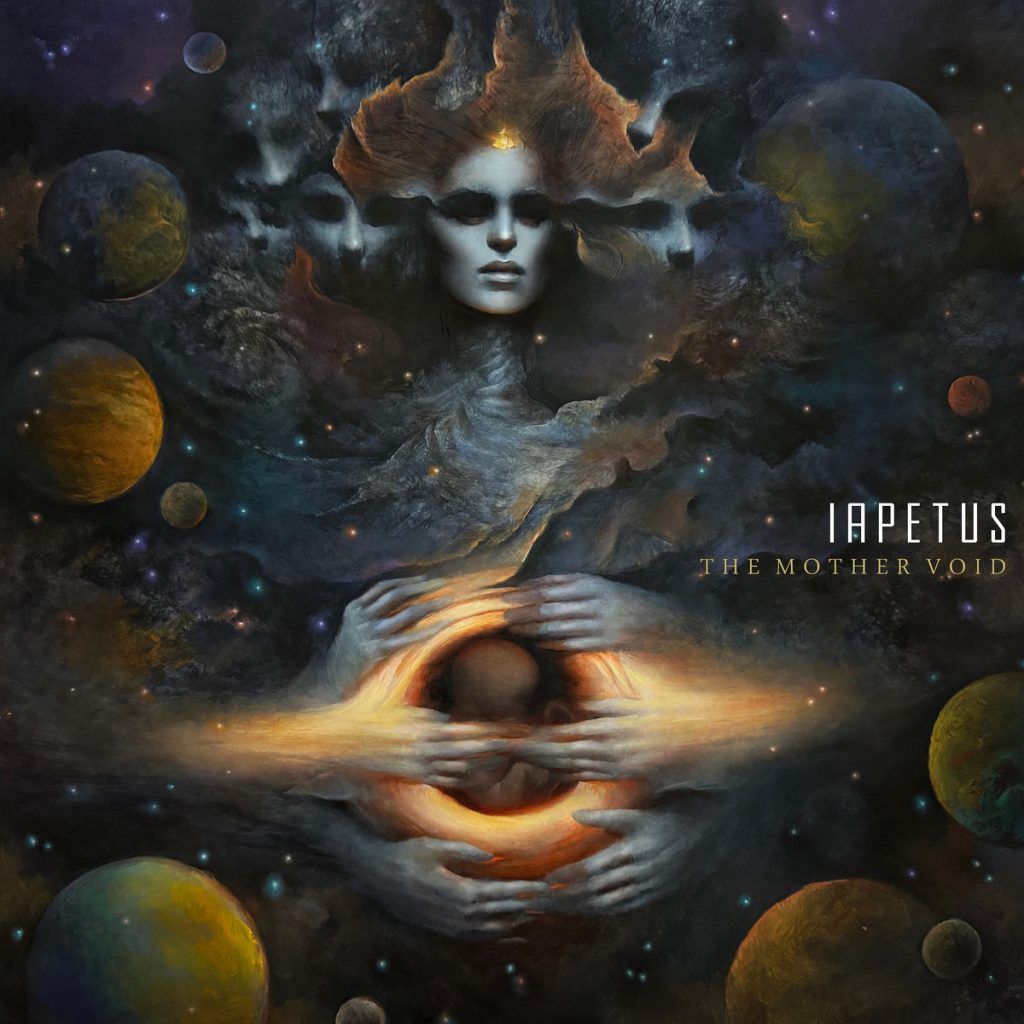
Seven tracks and sixty-nine minutes to close a trilogy opened in 2017: the American duo return with Fabienne Erni’s voice and an eighteen-minute closing epic.
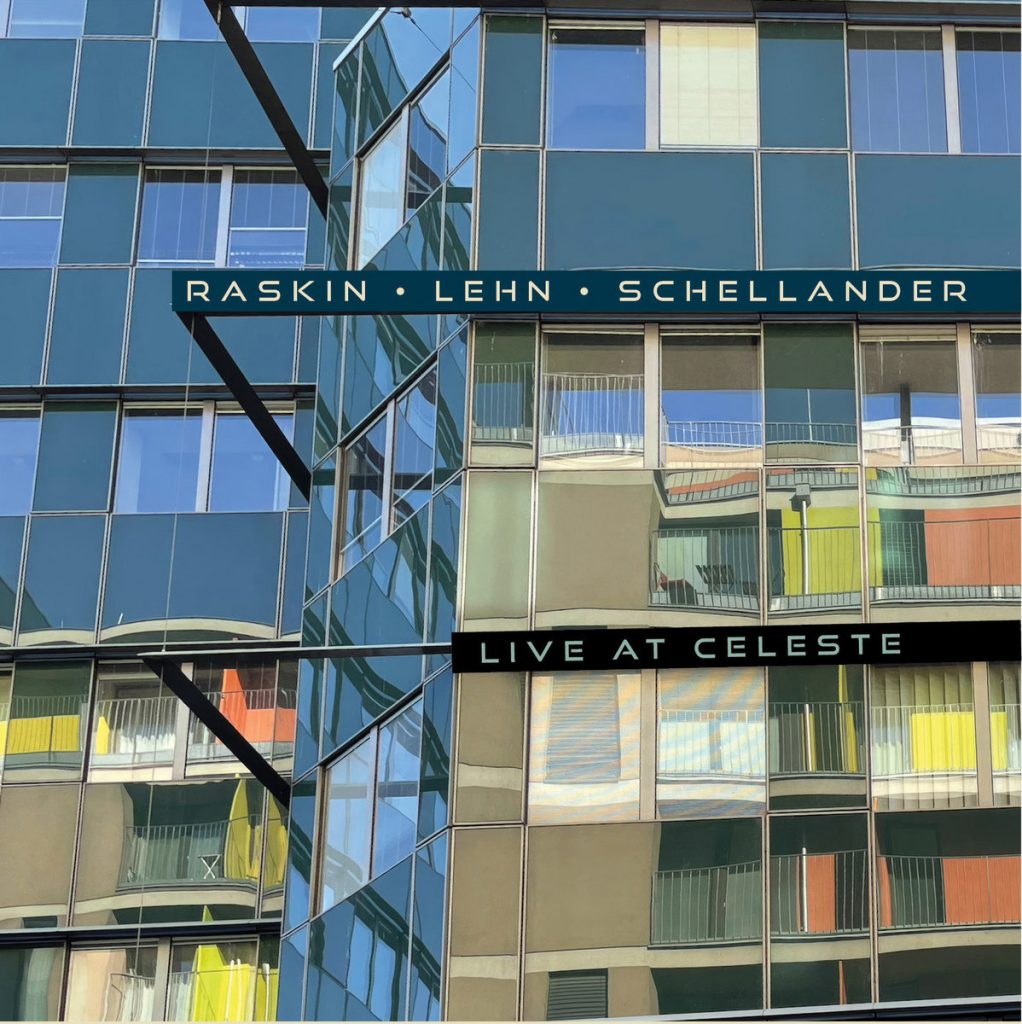
A single thirty-one-minute track recorded on a Monday night at Celeste in Vienna: Raskin on alto, Thomas Lehn’s analogue synthesizer and Matija Schellander’s double bass.
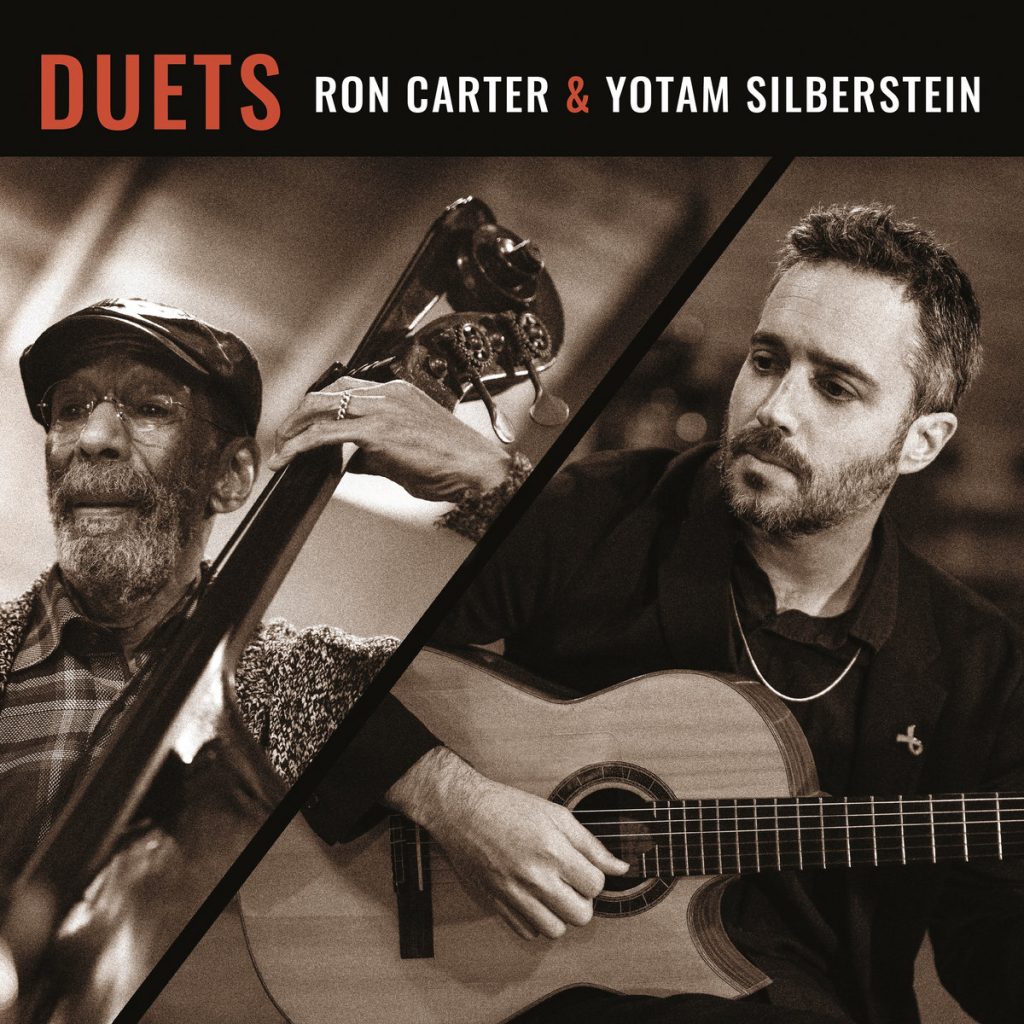
Eight pieces and a little over thirty-four minutes, cut in a single day at the Van Gelder Studio: Carter returns to the bass-and-guitar duo fifty-two years after the first one with Jim Hall.
A first album from the Russian trio: four tracks on the digital, fifty-one minutes and not one piece under eleven; the fifth composition only comes with the CD or the vinyl.
A third EP in ten months and a third with four tracks: twenty-three minutes of post-metal from Caen in which the shortest song the band have ever recorded arrives second and never returns.
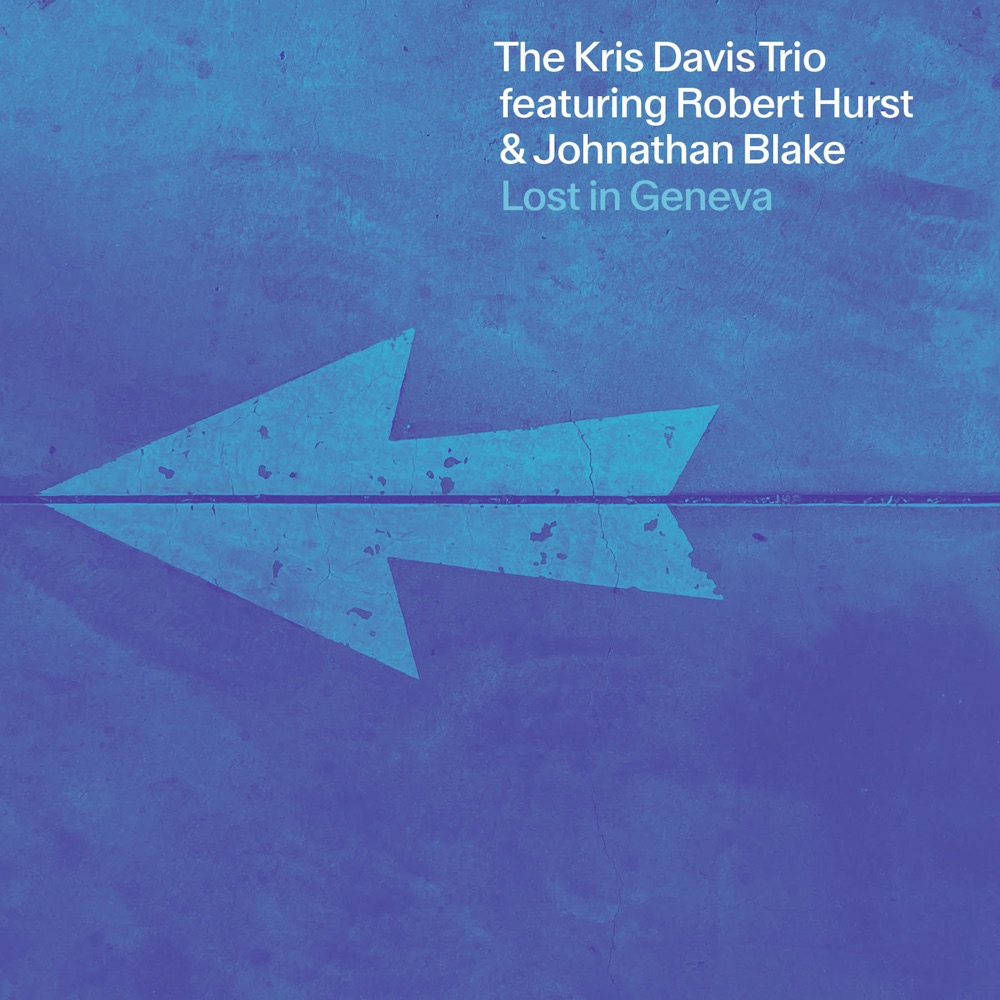
The second album by Kris Davis’s trio with Hurst and Blake: both of them write for it, a Feldman piece gets in, and the free improvisation is the shortest track of all.
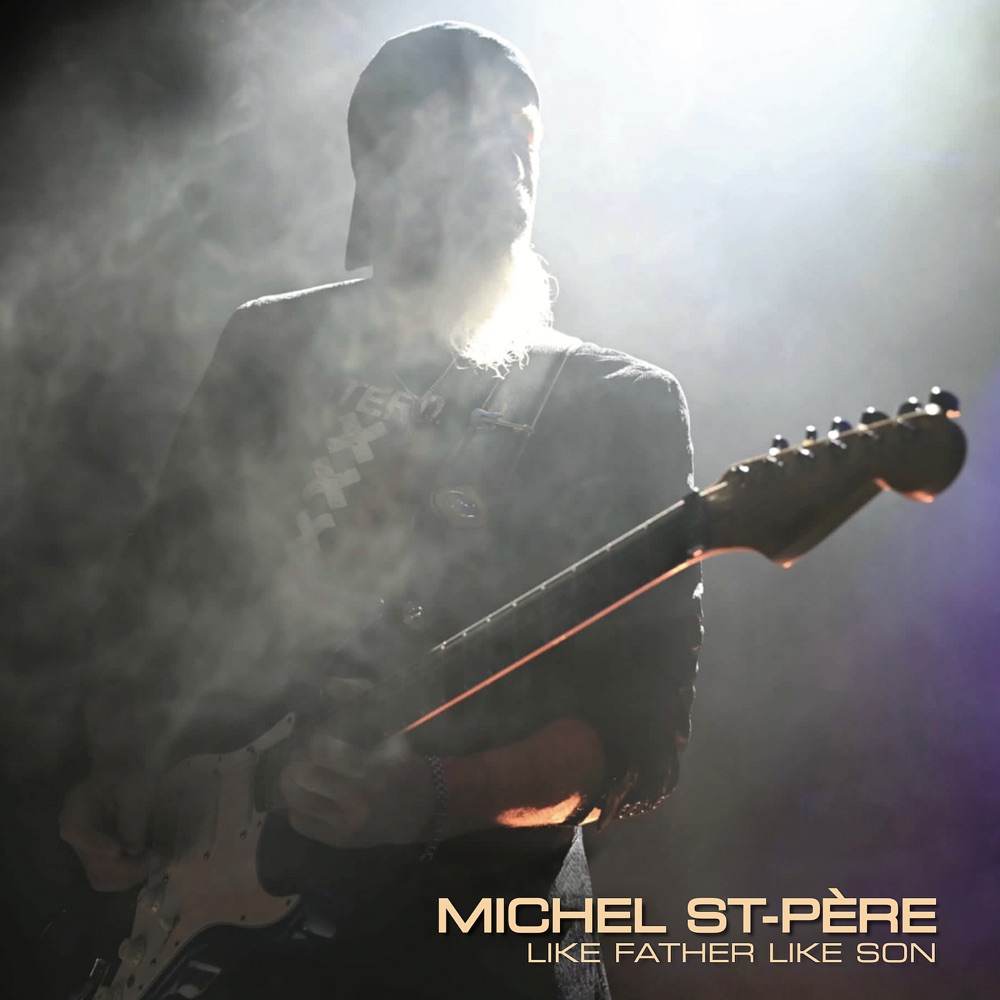
First solo album by Mystery’s guitarist: fifteen covers, not one composition of his own, and a “Shadow of the Hierophant” two and a half minutes shorter than Hackett’s.
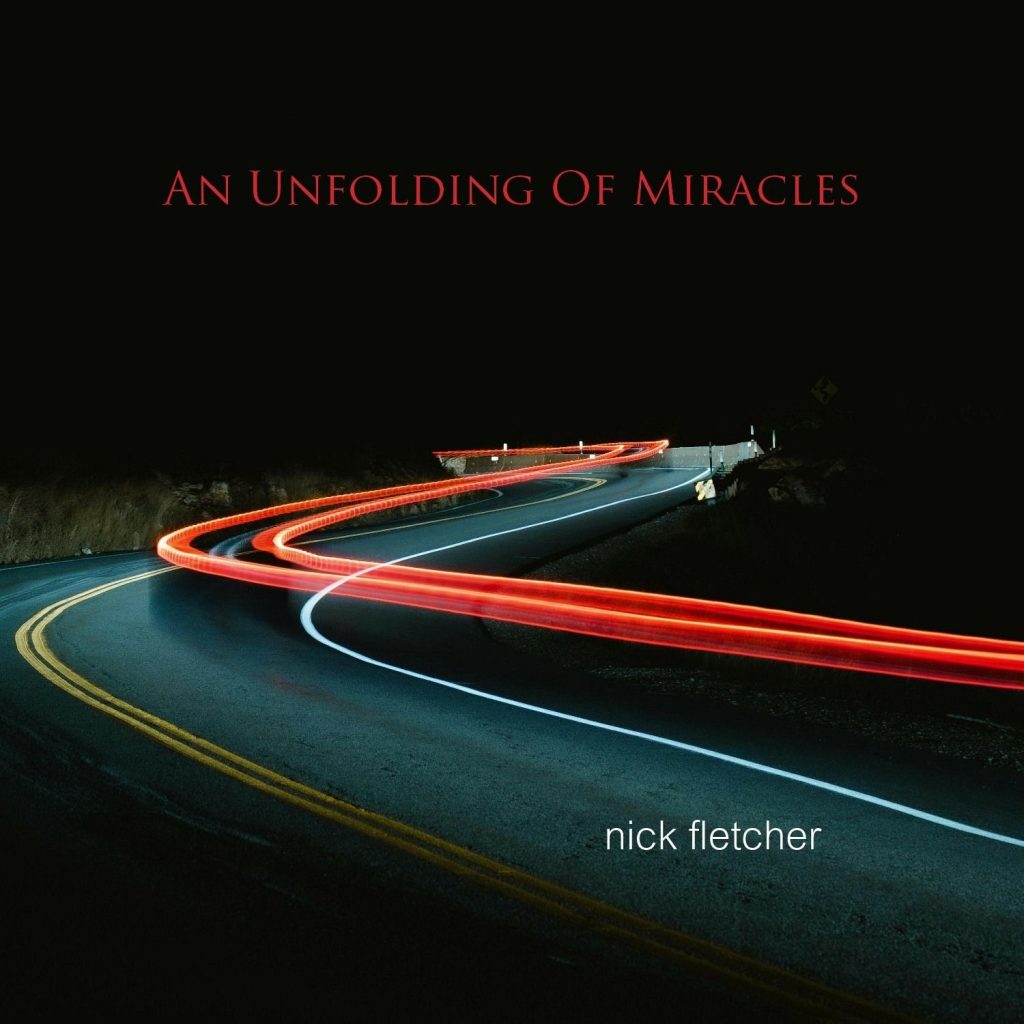
Sixth solo album in six years and the second running to come out of reading Jung. Nine fusion instrumentals, two keyboard players who never meet, and a voice that waits until the end.
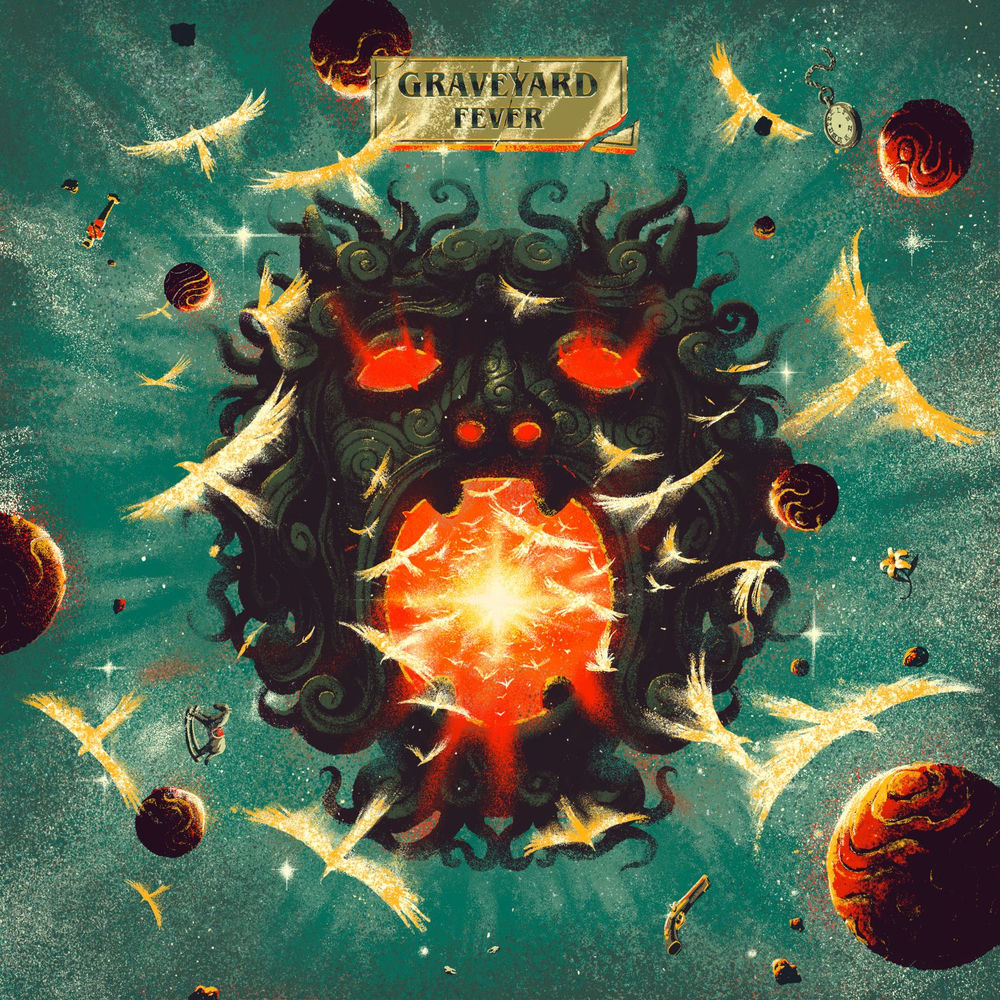
Graveyard’s seventh album: nine songs, thirty-eight minutes and nobody from outside producing it. It is signed by a line-up that broke up on 30 June.
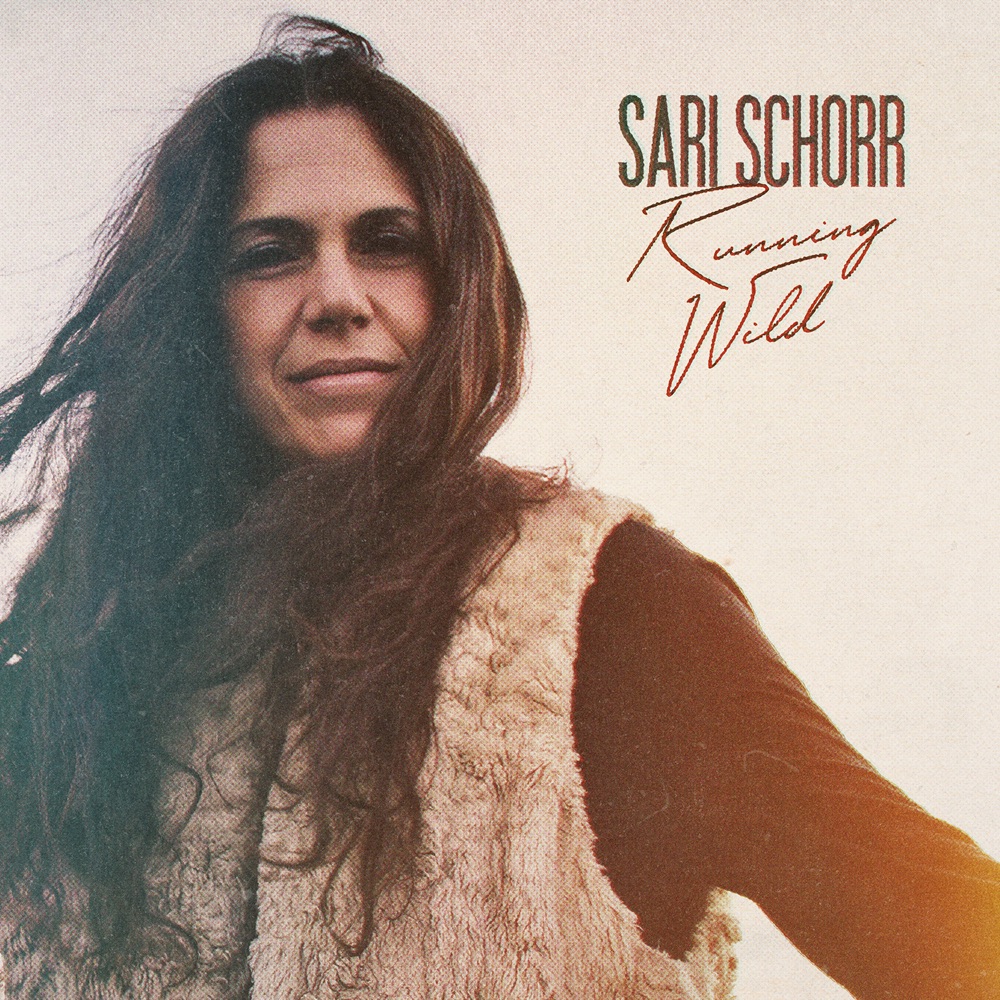
Her first solo studio album in eight years, made by four people at Lucid Studios. The voice arrives intact; what the record never finds is somebody to push back against it.
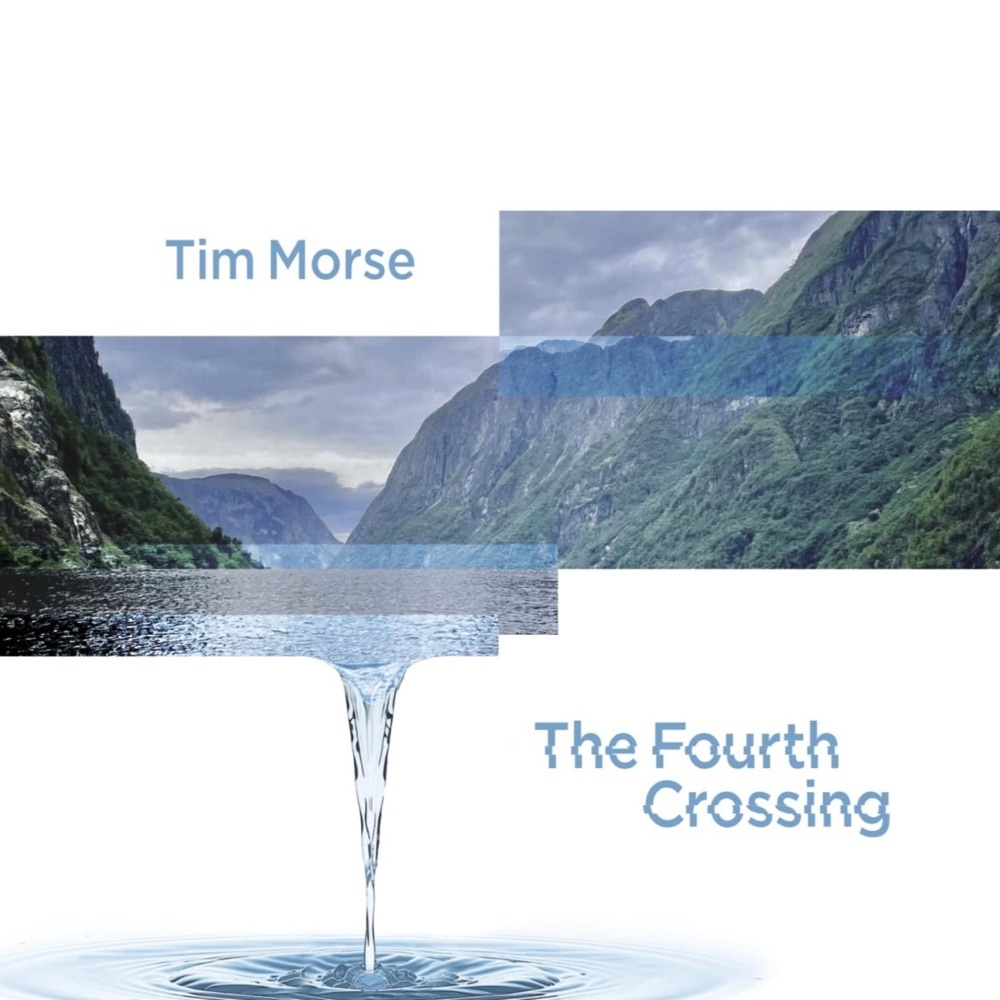
Twelve instrumentals and one name on the credits, out in Berlin School country. The two pieces meant to carry the album are also the two shortest on it.
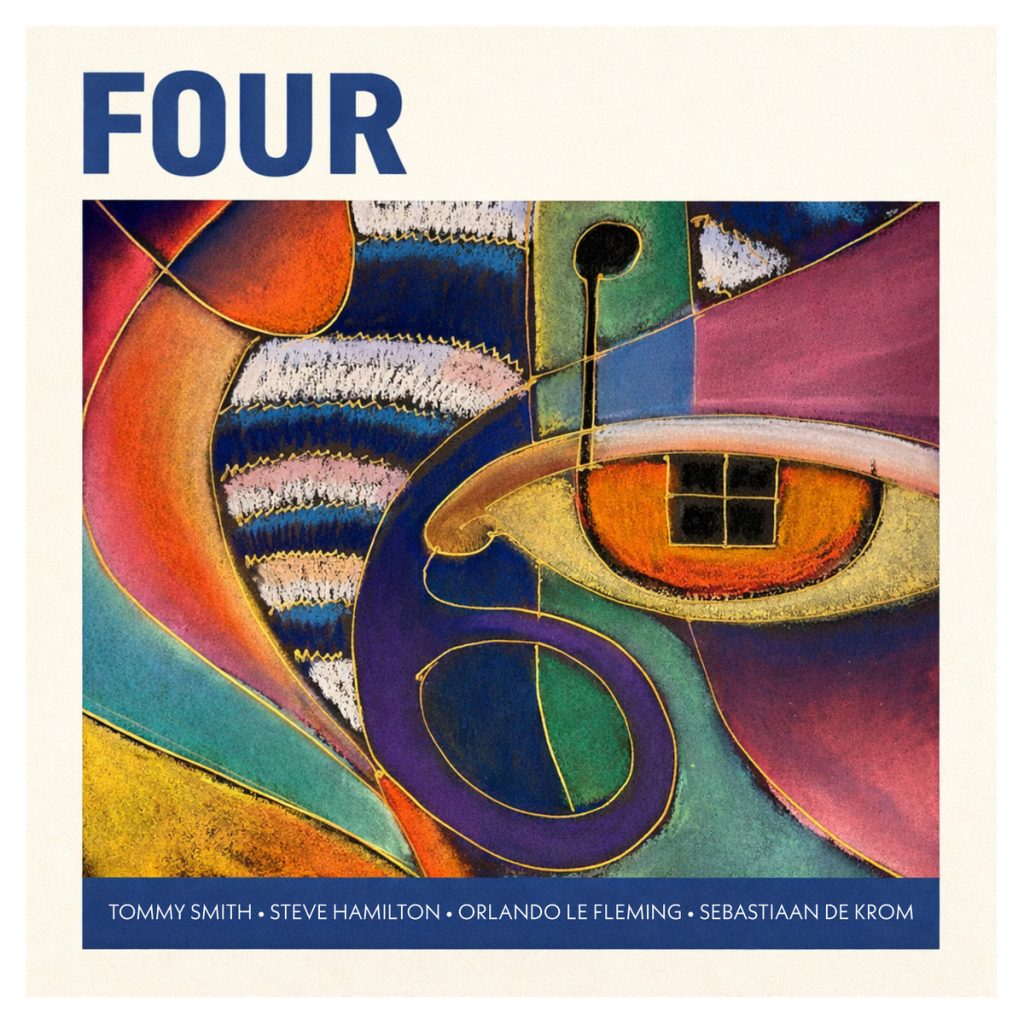
One stereo microphone in front of the quartet and a MiniDisc recorder: Smith releases the second set from Gateshead in 1999 exactly as it sounded, with no desk and no repairs.
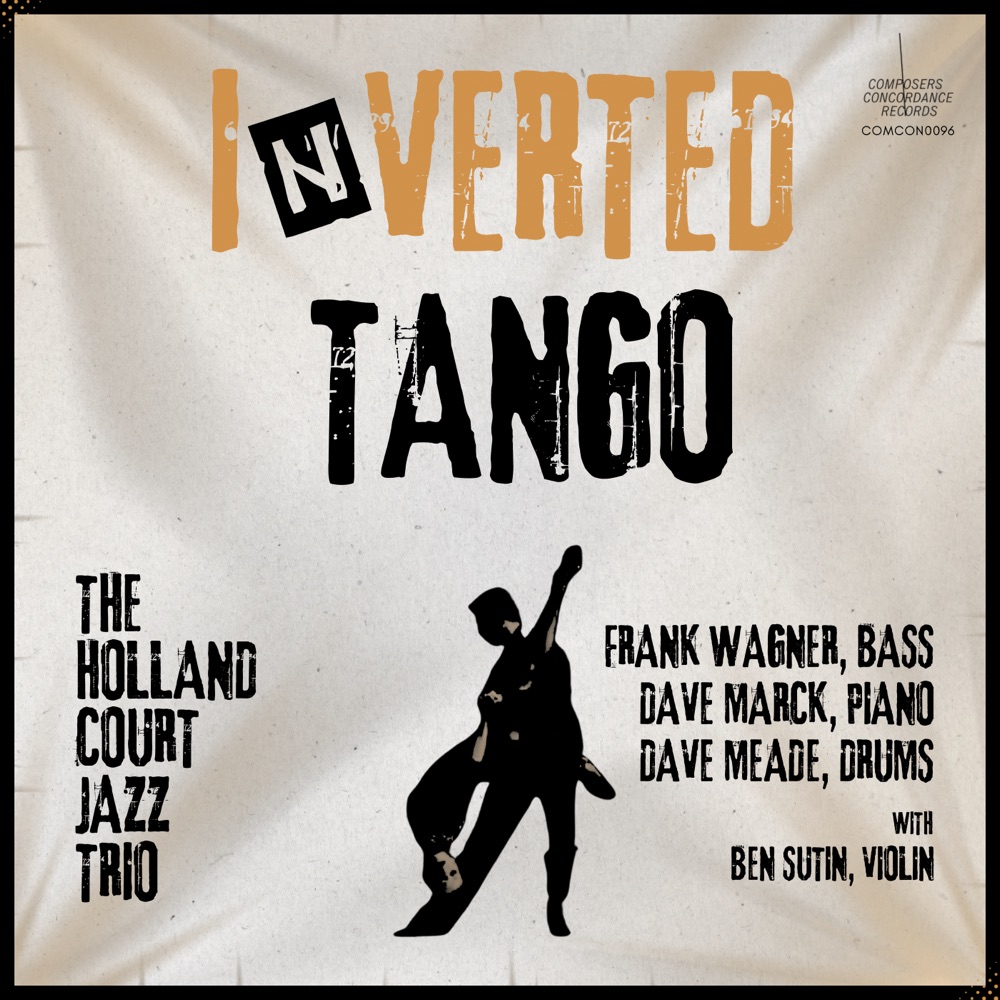
Frank Wagner’s trio bills its first record as a trio record, and on five of the eight tracks there’s Ben Sutin’s guest violin: the Piazzolla homage and the closing Hendrix included.
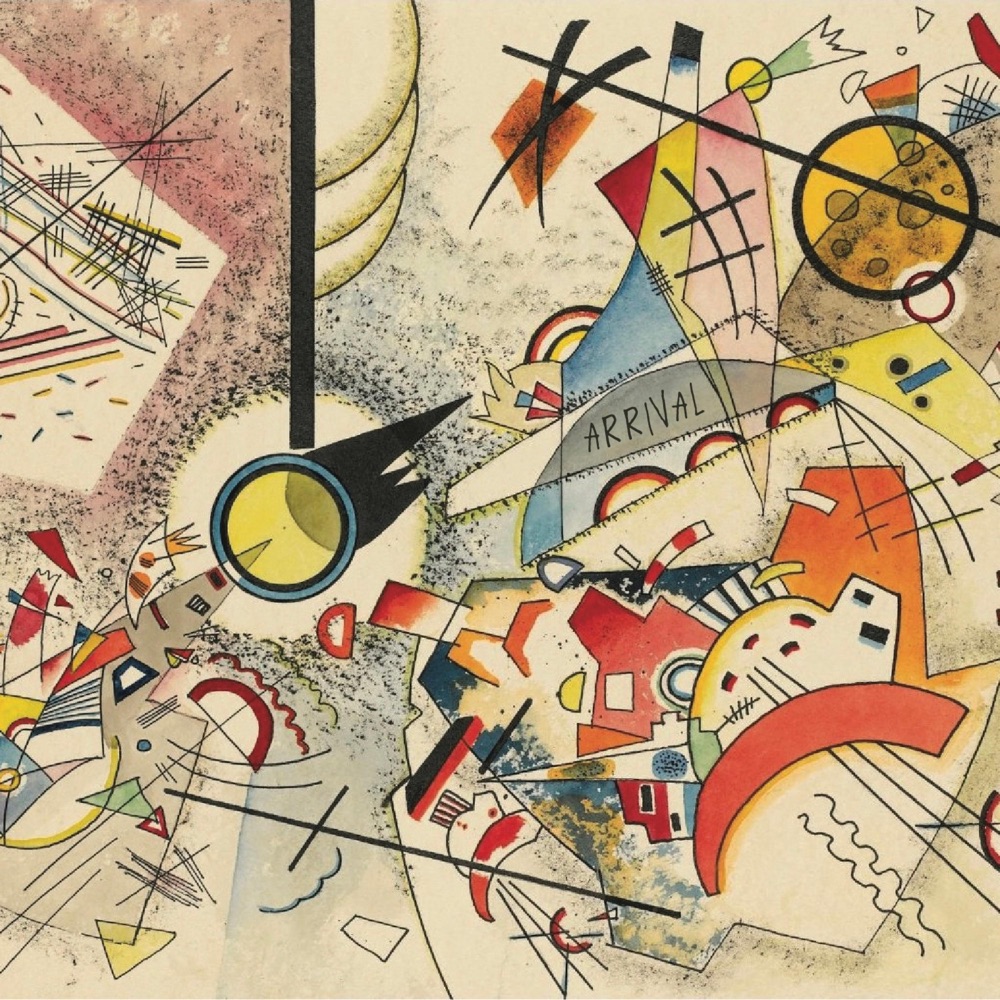
A trio with no double bass: Nicki Adams’s piano covers the bass’s job and its own at the same time, and that leaves nine tracks with very little room to breathe.
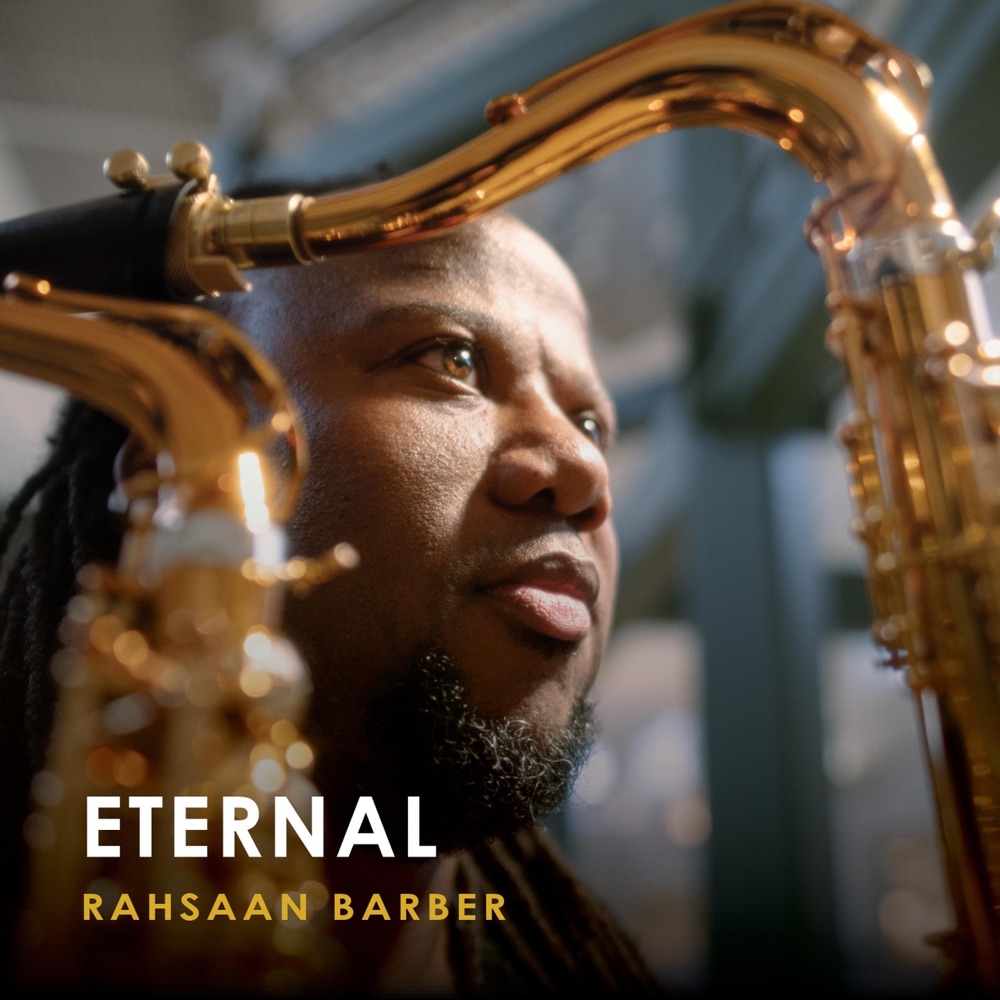
Nine tracks cut in two days in Nashville, with a guitar inside the quintet and one single let-up: the only place the record eases off is a Marvin Gaye cover.
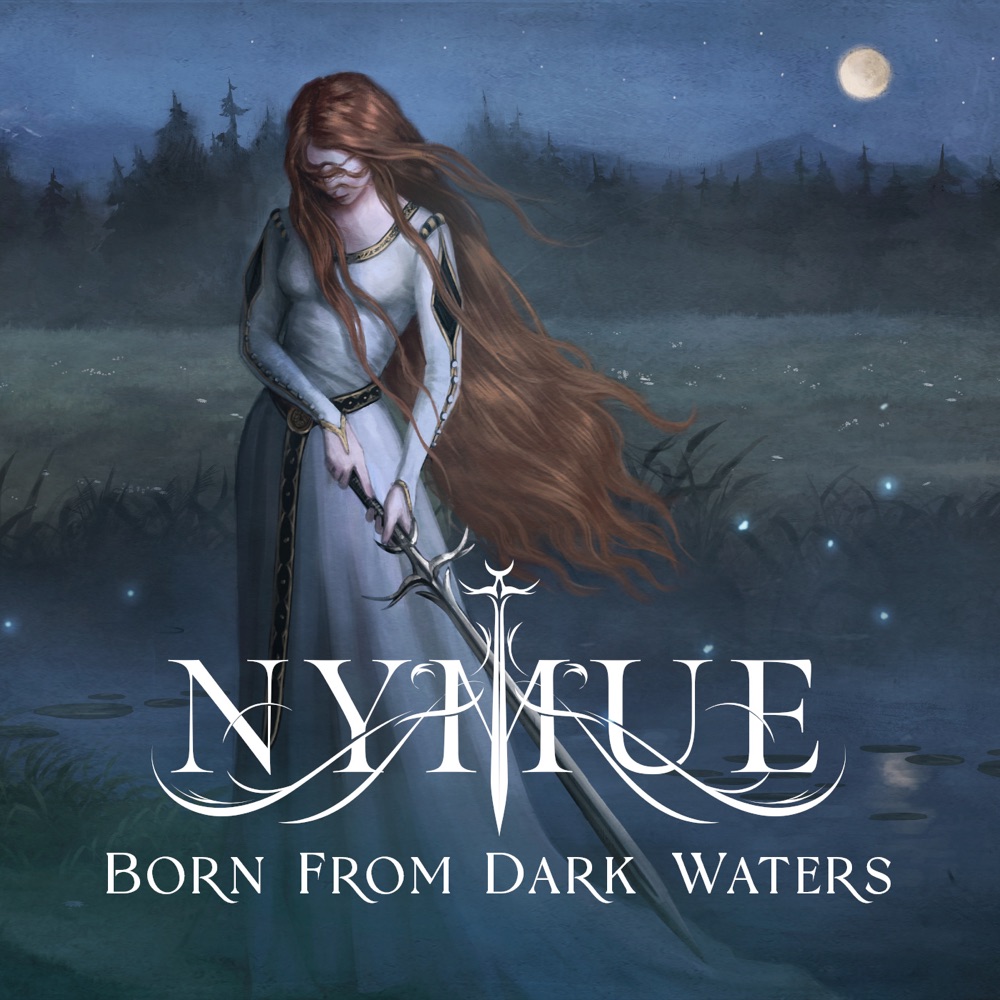
A Dutch debut of two discs and nineteen tracks about Morgana, recorded in the studios of the Enschede conservatory with an orchestra, a choir and six guest voices. “It got a bit out of hand,” says the singer.
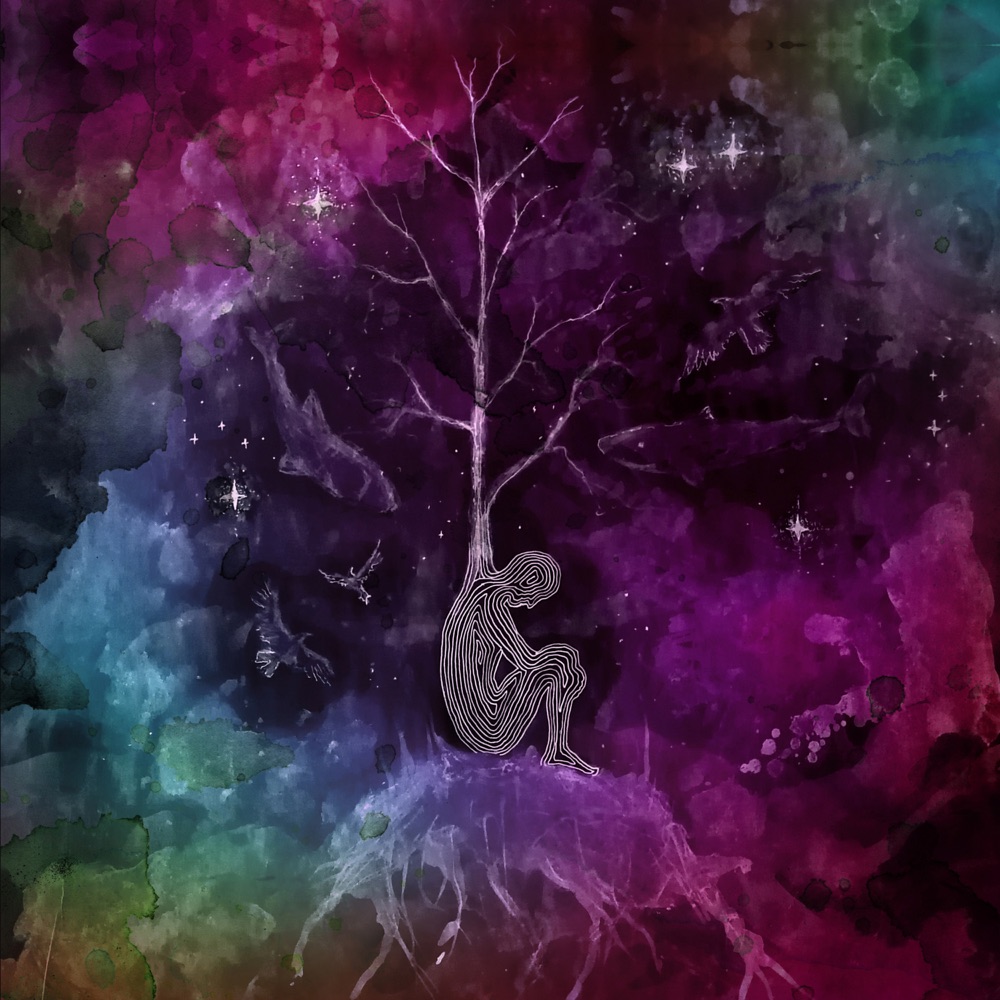
Erlend Viken, Soup’s singer, plays almost everything here and did the artwork as well. The one thing he can’t do alone is the strings, and they’re what decide the record.
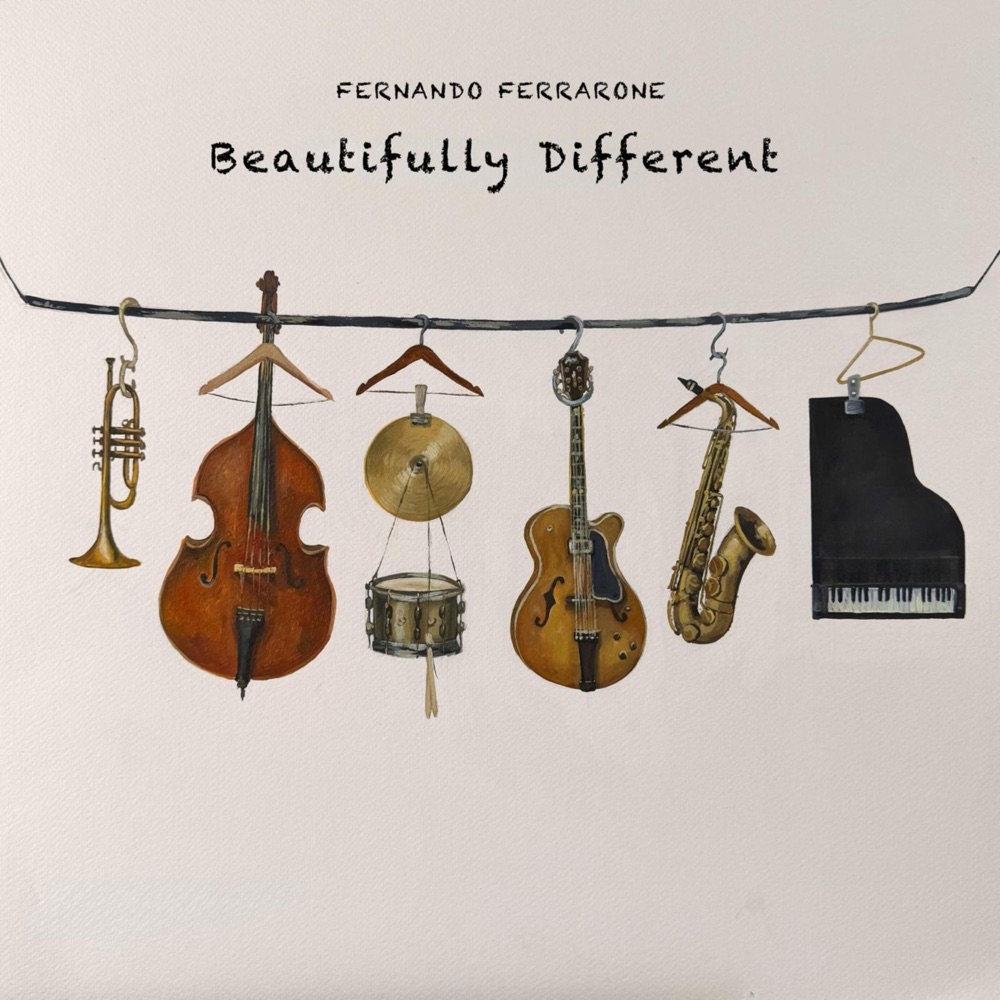
Alto saxophone on the first and last tracks, trumpet on everything in between and a quintet with three Argentinian players: the Florida multi-instrumentalist closes the record better than he fills it.
Vicky Mettler released each song as she finished it and has gathered them at the end: twenty-five minutes, eight lower-case titles and a change of label after two albums on Constellation.
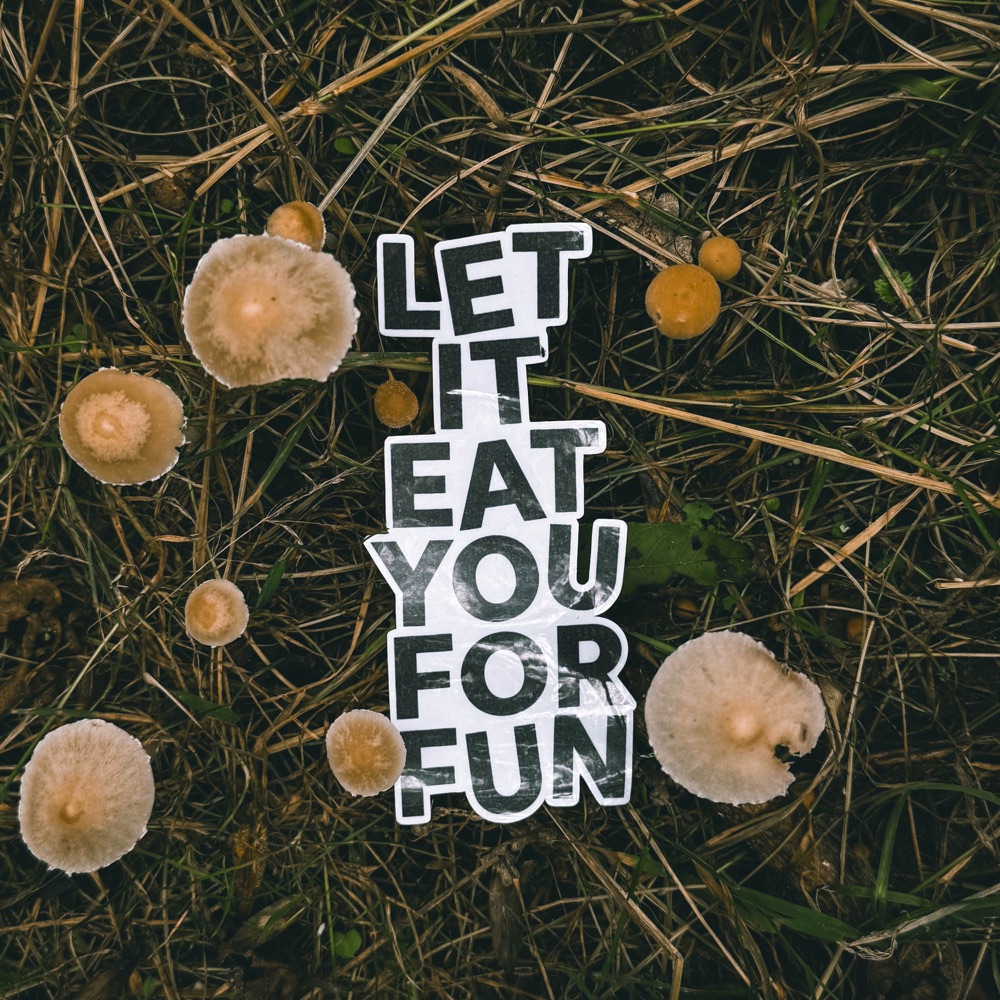
Aaron Richardson plays, mixes and masters all of it on his own, and his first album gives forty-six minutes of textbook post-rock executed very well: seven tracks, no surprises.
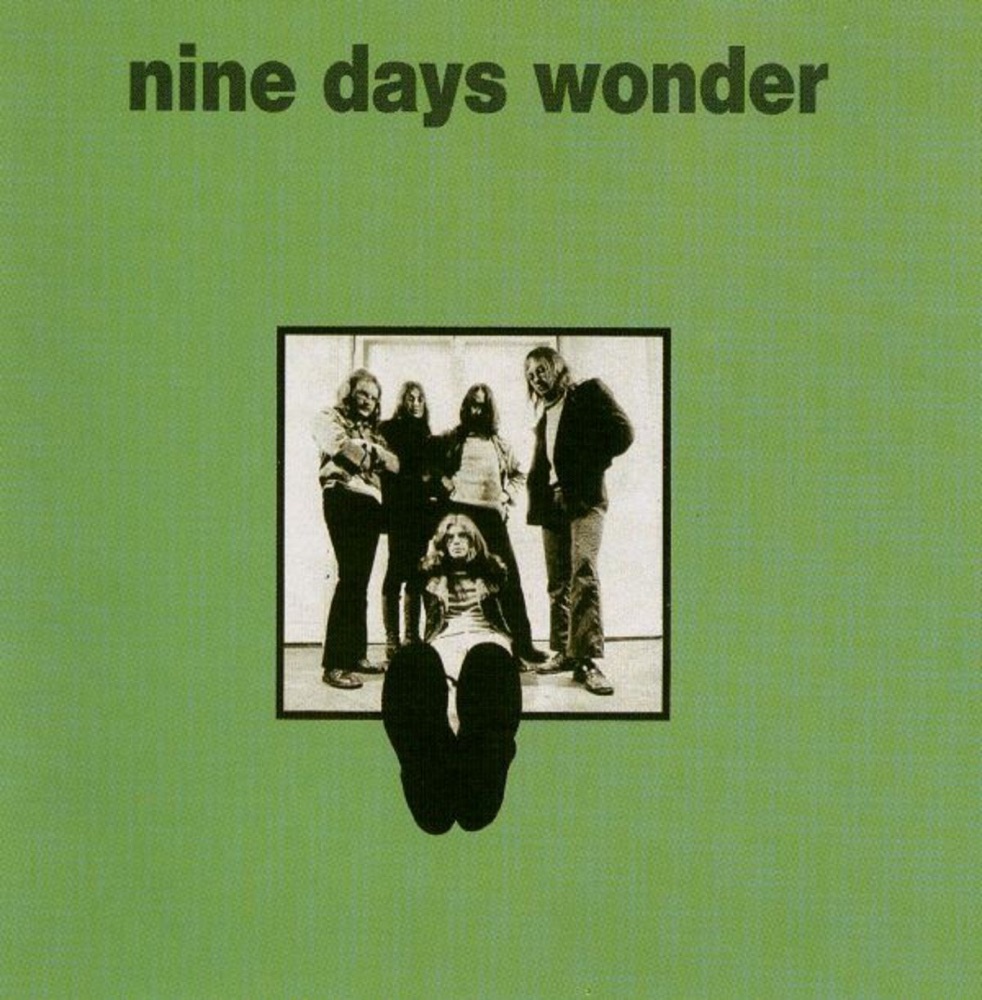
Four nationalities in Mannheim in 1971, two suites of fifteen and thirteen minutes and a green foam-rubber sleeve: the label puts one of krautrock’s strangest debuts back into circulation.
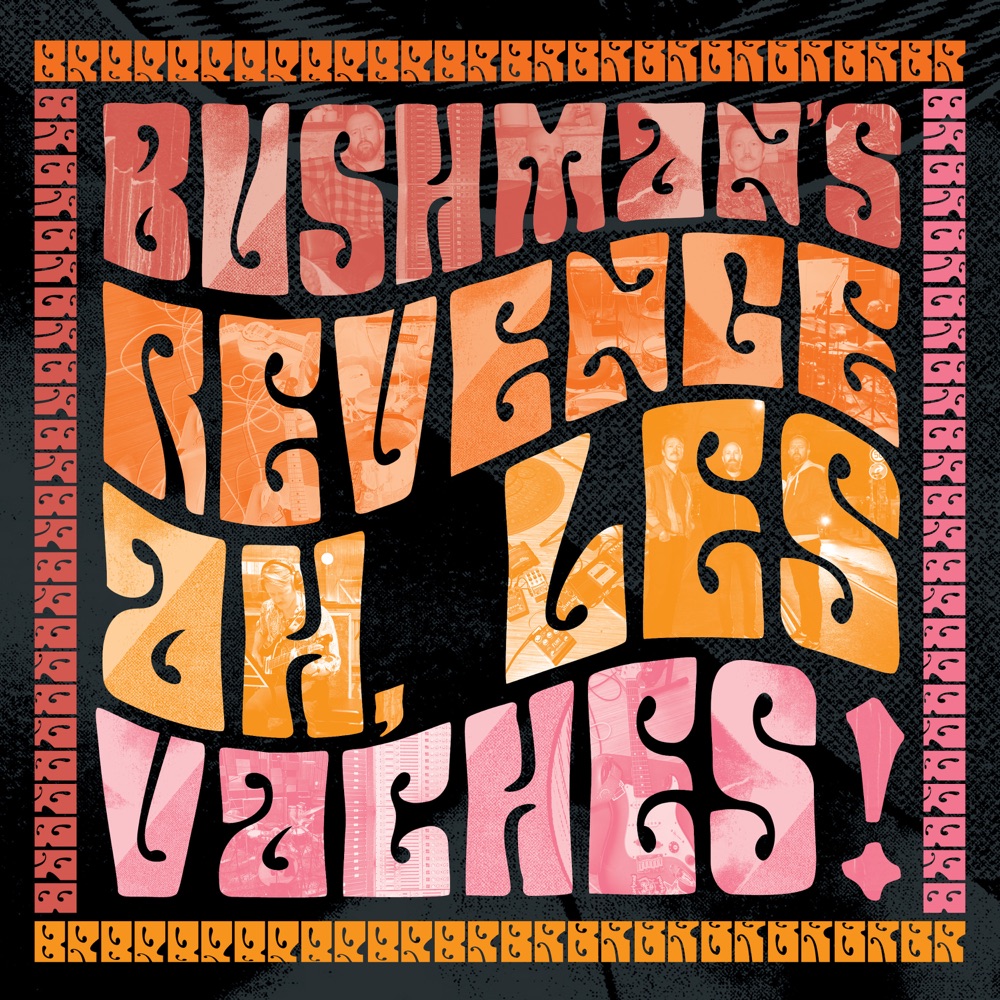
The Norwegian trio announce a “pop” record and what they deliver is forty-four minutes with two interludes of a minute and a half and a “Purple Rain” that arrives by way of Sweden.
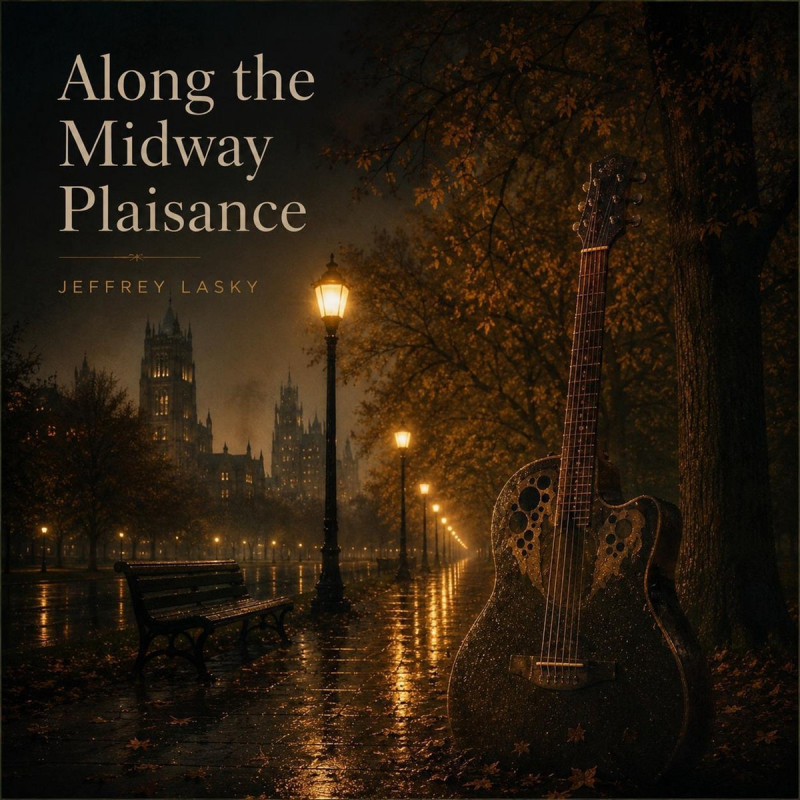
Thirty-seven singles in four years and no album: the Chicago guitarist releases his first, and eight of the eleven tracks had already come out one at a time.
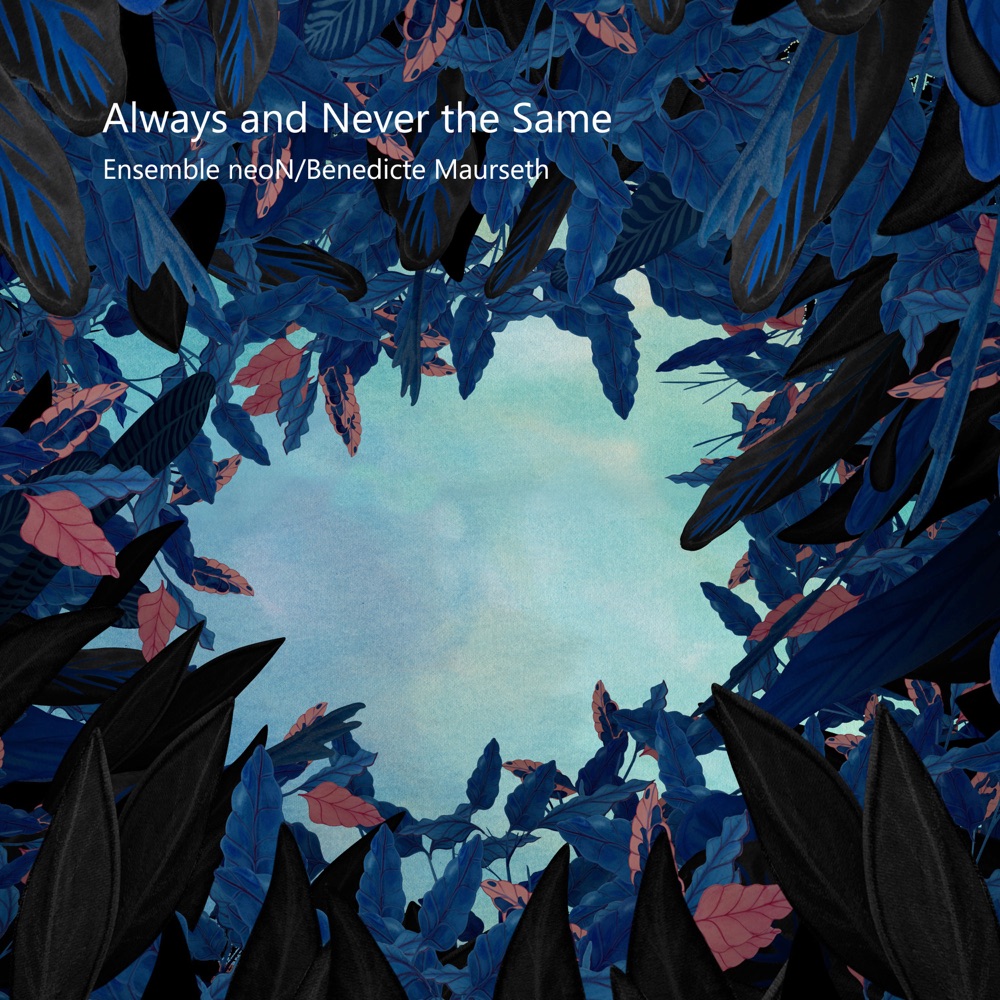
Benedicte Maurseth’s Hardanger fiddle inside a contemporary music ensemble: eight pieces and forty-one minutes, out of a work premiered at Oslo’s Ultima festival in 2023.
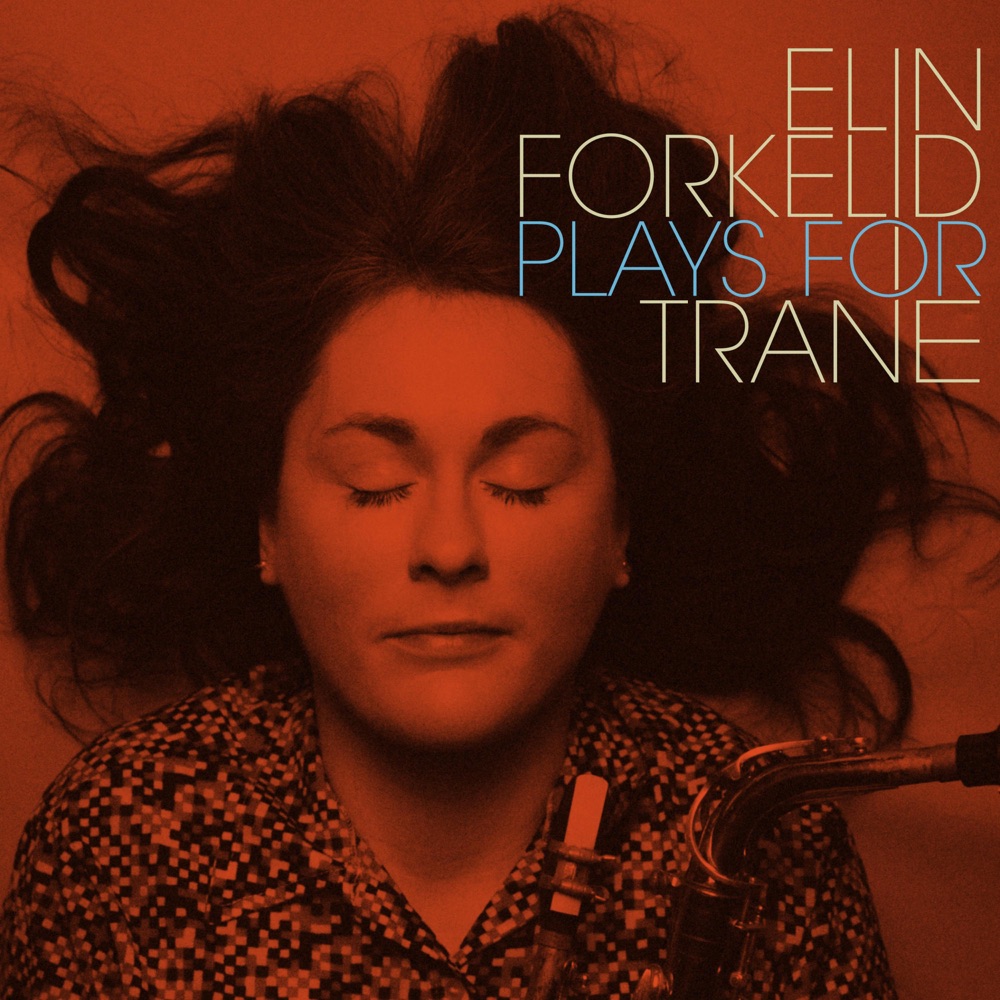
The Swedish saxophonist goes back to the Coltrane of the final years with a piano-less quintet: five pieces in forty-two minutes, opened by a block of almost sixteen.
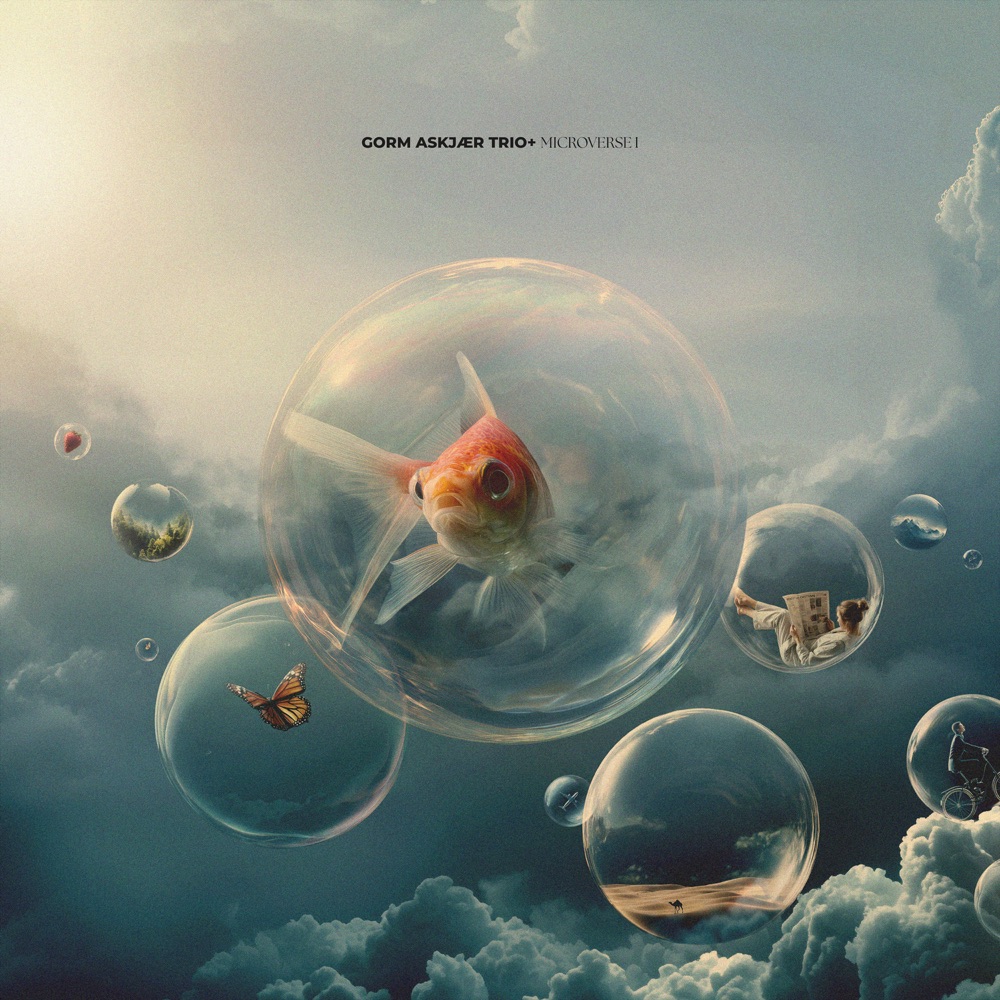
The Aarhus guitarist returns six years after his trio’s debut and adds clarinet and cello: twelve short pieces in thirty-nine minutes, between written chamber music and collective improvisation.
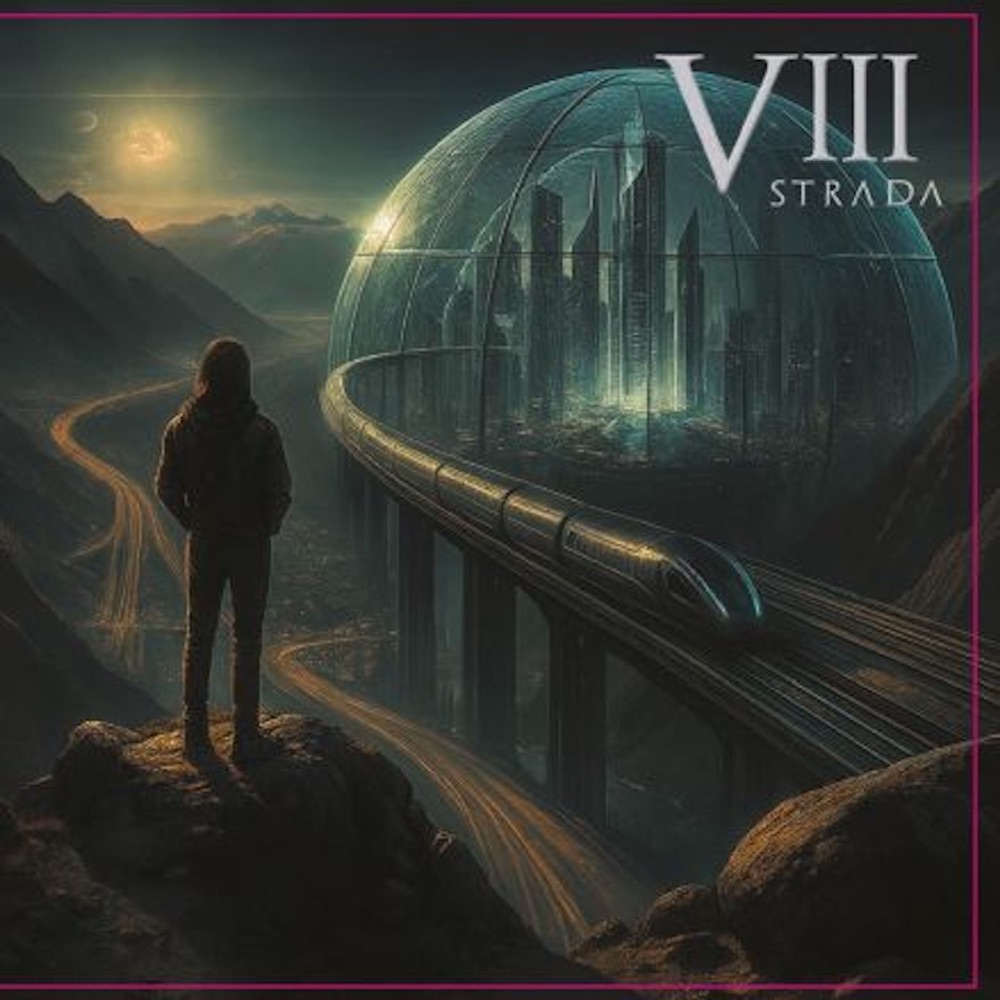
Third album by the Milan band VIII Strada: twelve minutes of new music, five live tracks and a remastered reissue of their 2008 debut, across a hundred and five minutes.
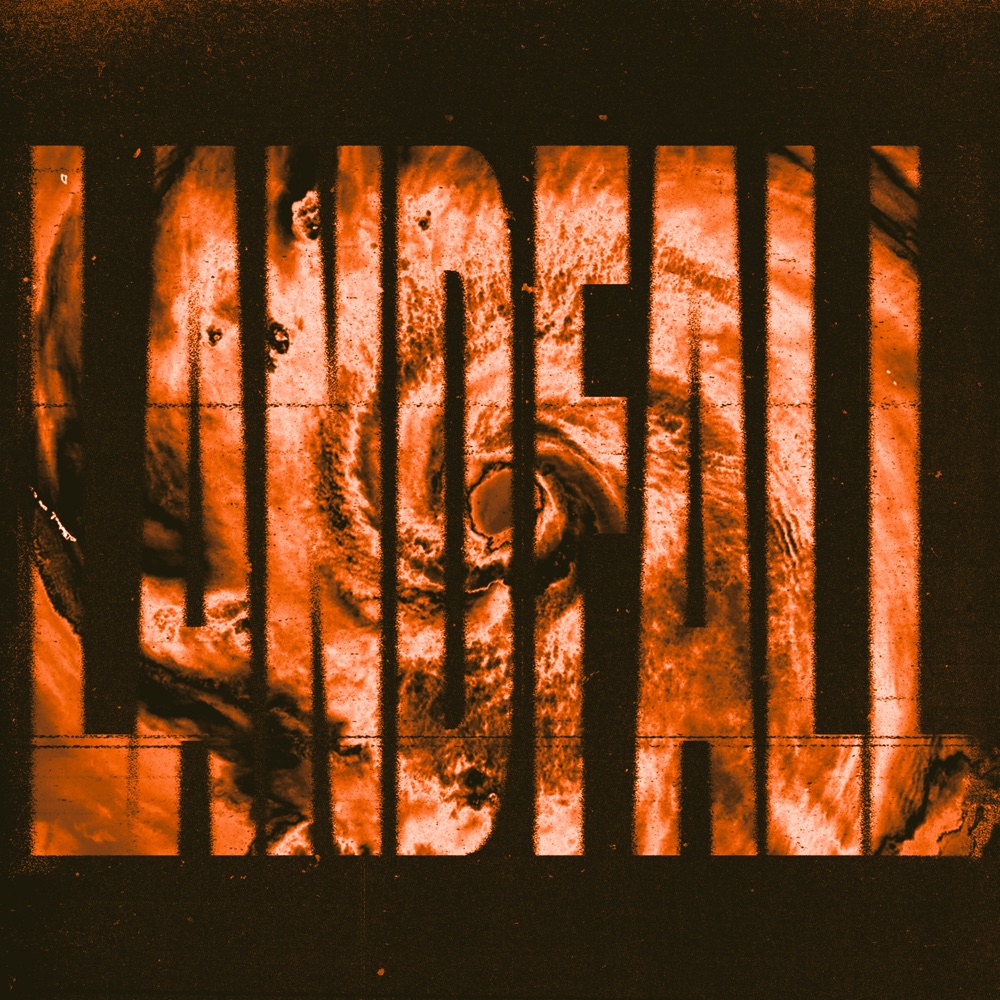
Second release in a single year from the Florida band: thirteen tracks where Cody Quistad’s cleans and Briton Bond’s lows finally share the ground, with two songs carried over from April’s EP.
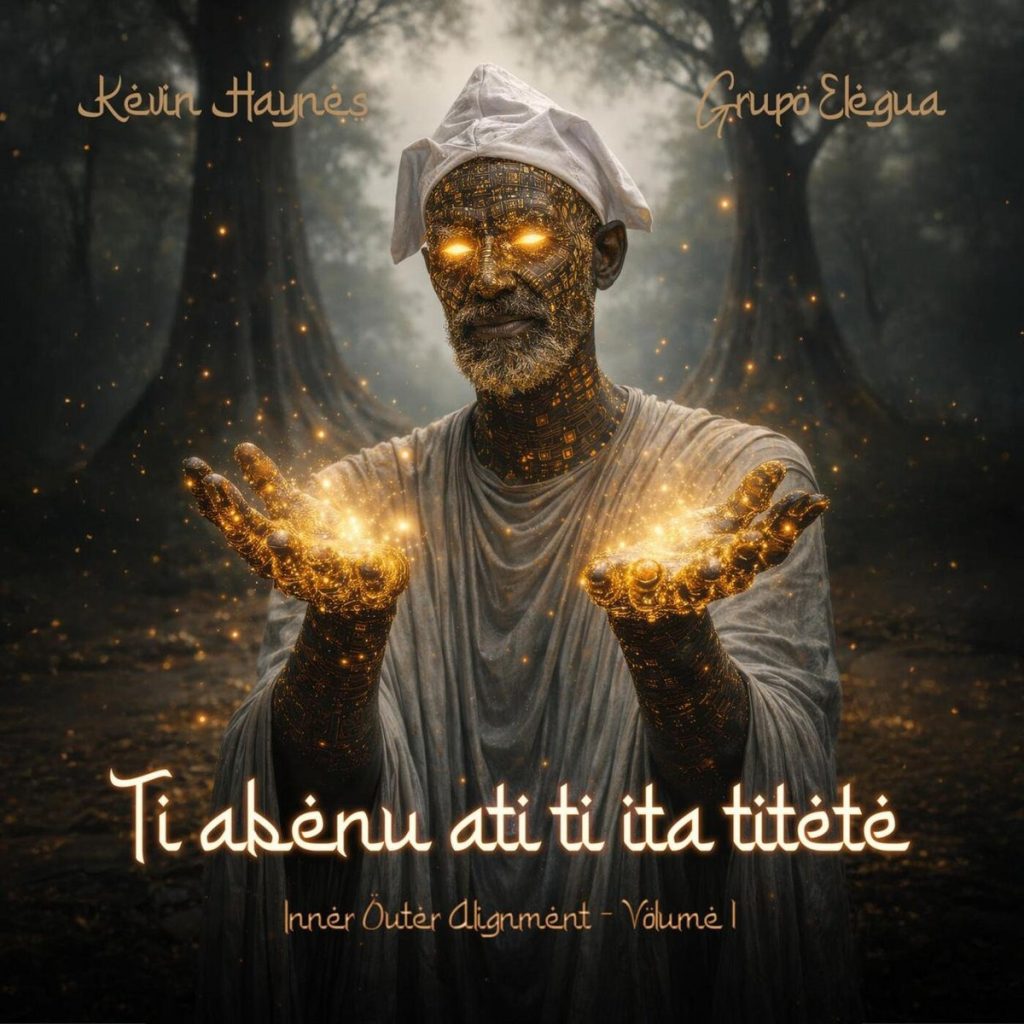
Hard bop, Cuban rhythms and Yoruba batá drums across five tracks: the alto player and ordained Ifá priest gathers Moses Boyd, Daniel Casimir and Deschanel Gordon around a very fast horn.
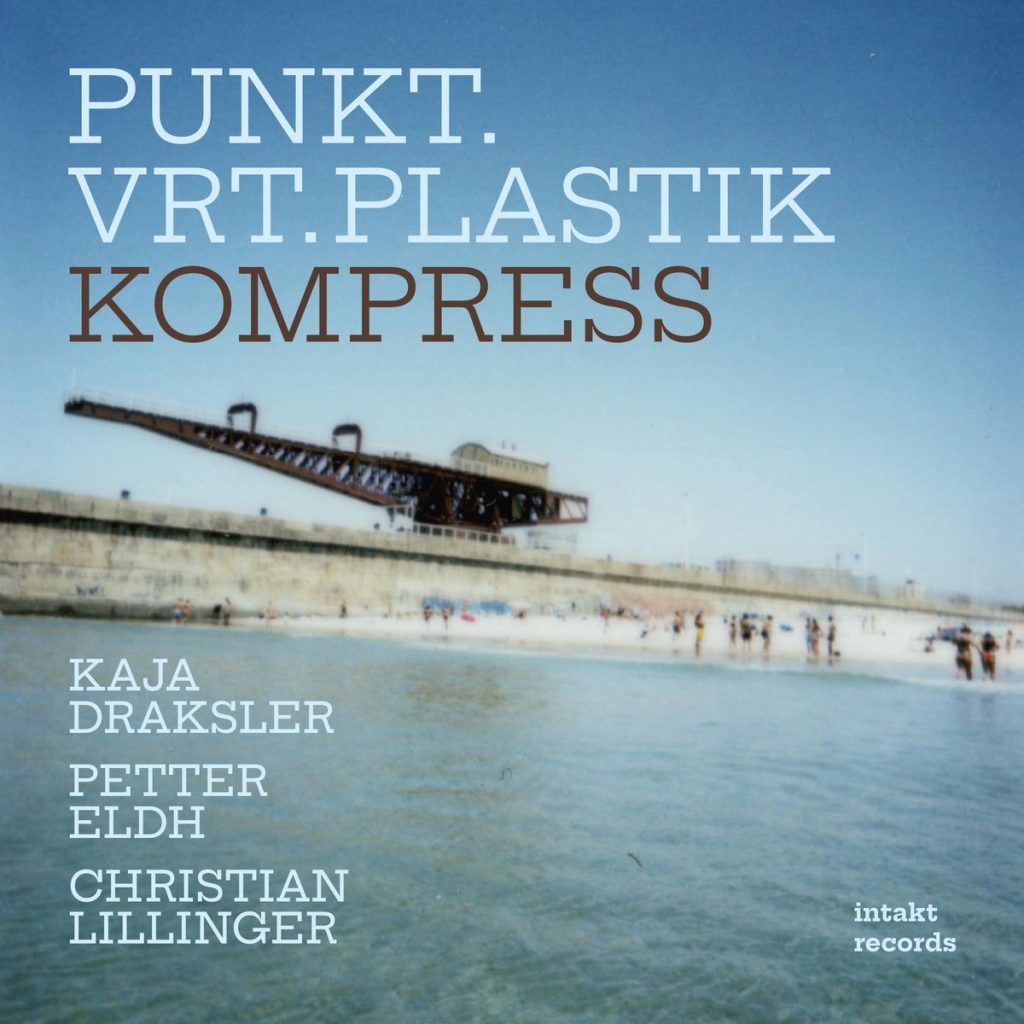
Draksler, Eldh and Lillinger take the piano trio apart for the fourth time: an interval from Ligeti, a Swedish hymn from 1589 and a club piano that judders like a mistracked record.
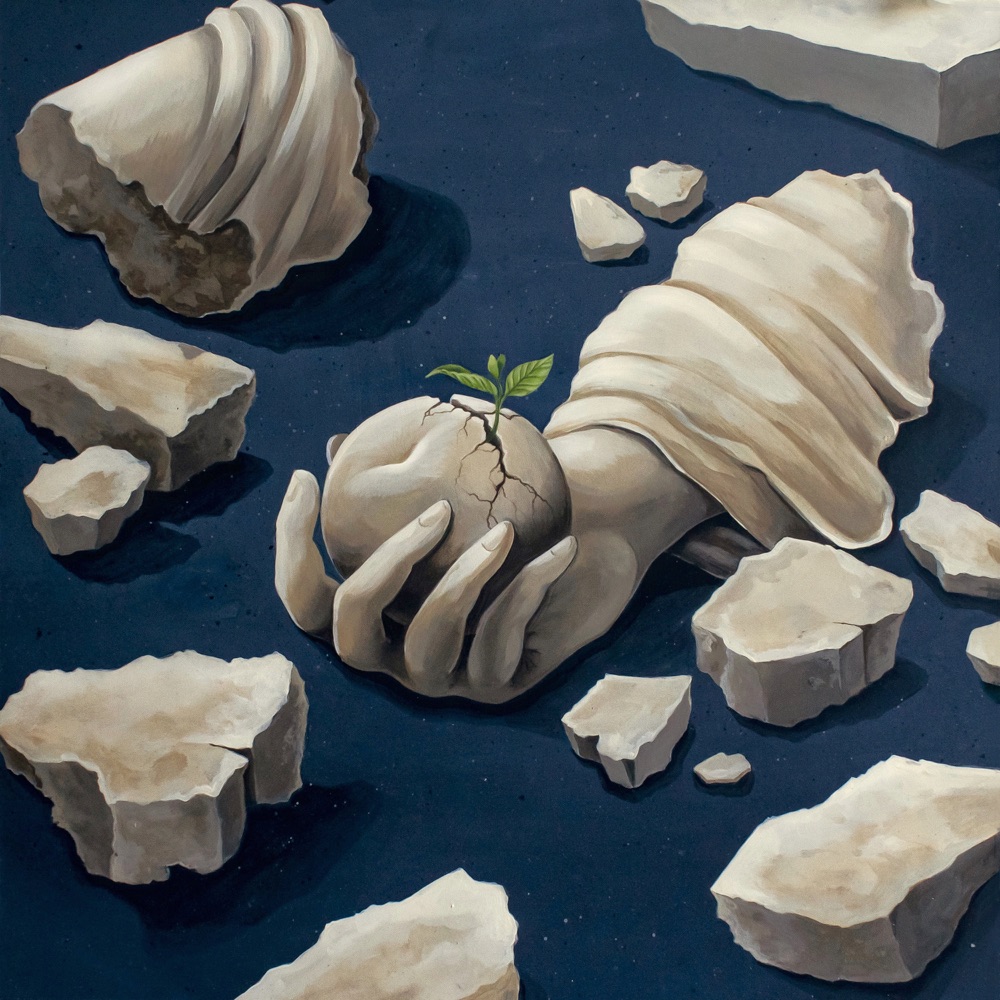
The Madrid quartet’s first album without founder Esteban Girón and the first they have put out themselves: seven tracks mixed by Santi García, with the synths as the floor and a drum machine on “Costa Roja”.
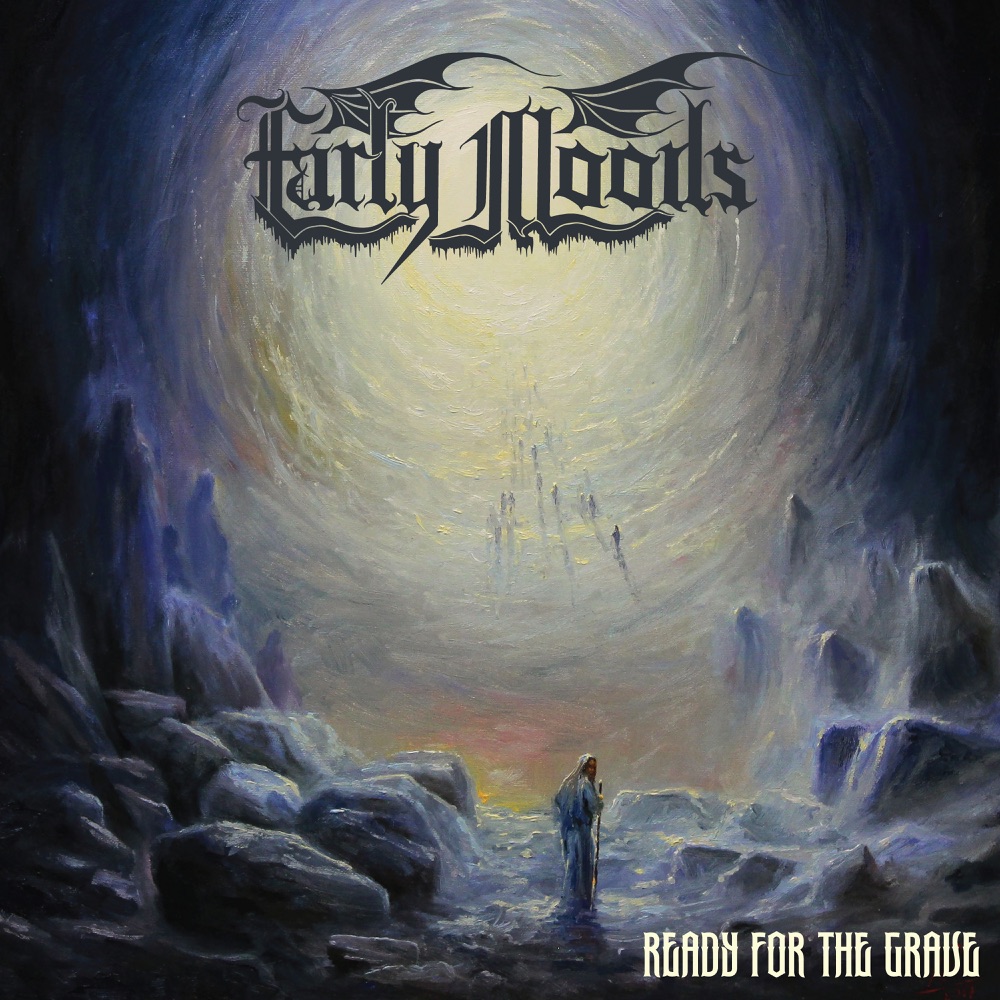
Third album from the East LA band, produced by Toshi Kasai, who also plays banjo, theremin and keys on it. Classic-rooted doom played fast, with a Mariusz Lewandowski cover.
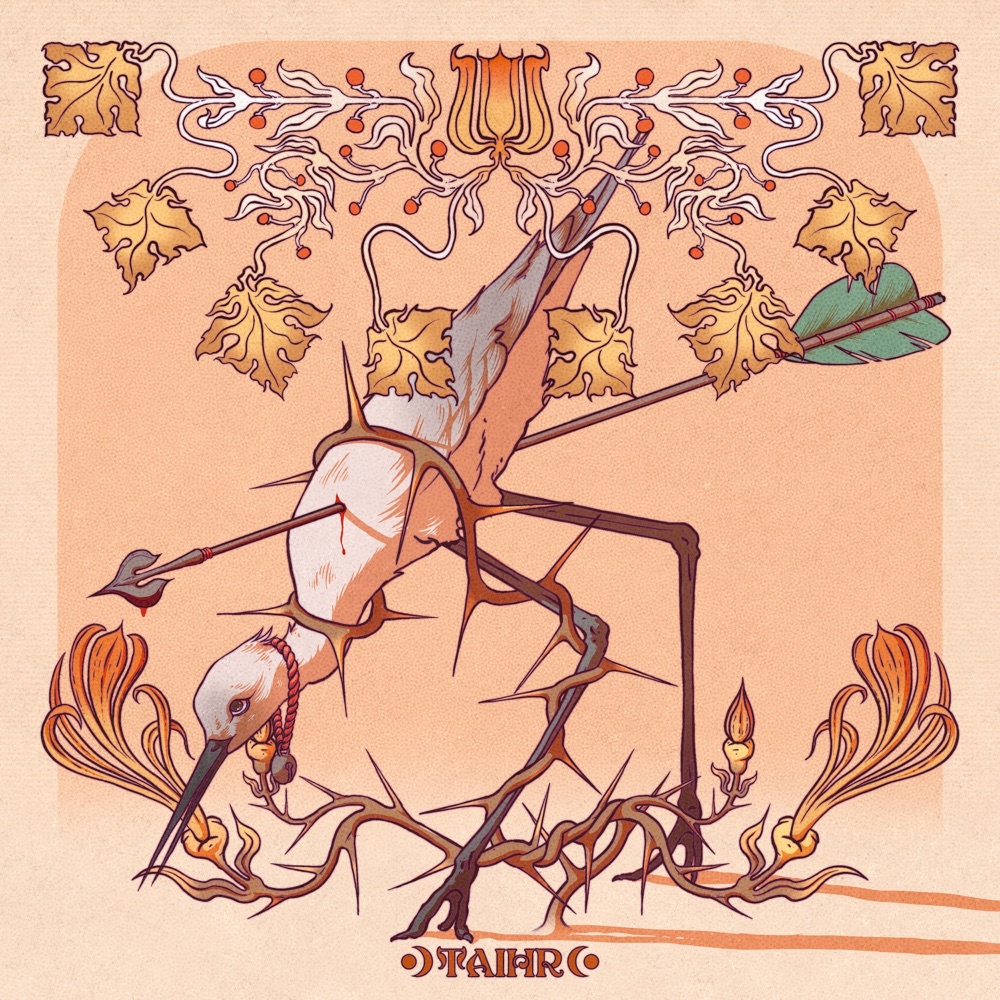
German-Chilean septet from Cologne, second album and first for Tonzonen: seven songs written one apiece, new horns and a bird from Chilean myth pierced by an arrow on the sleeve.
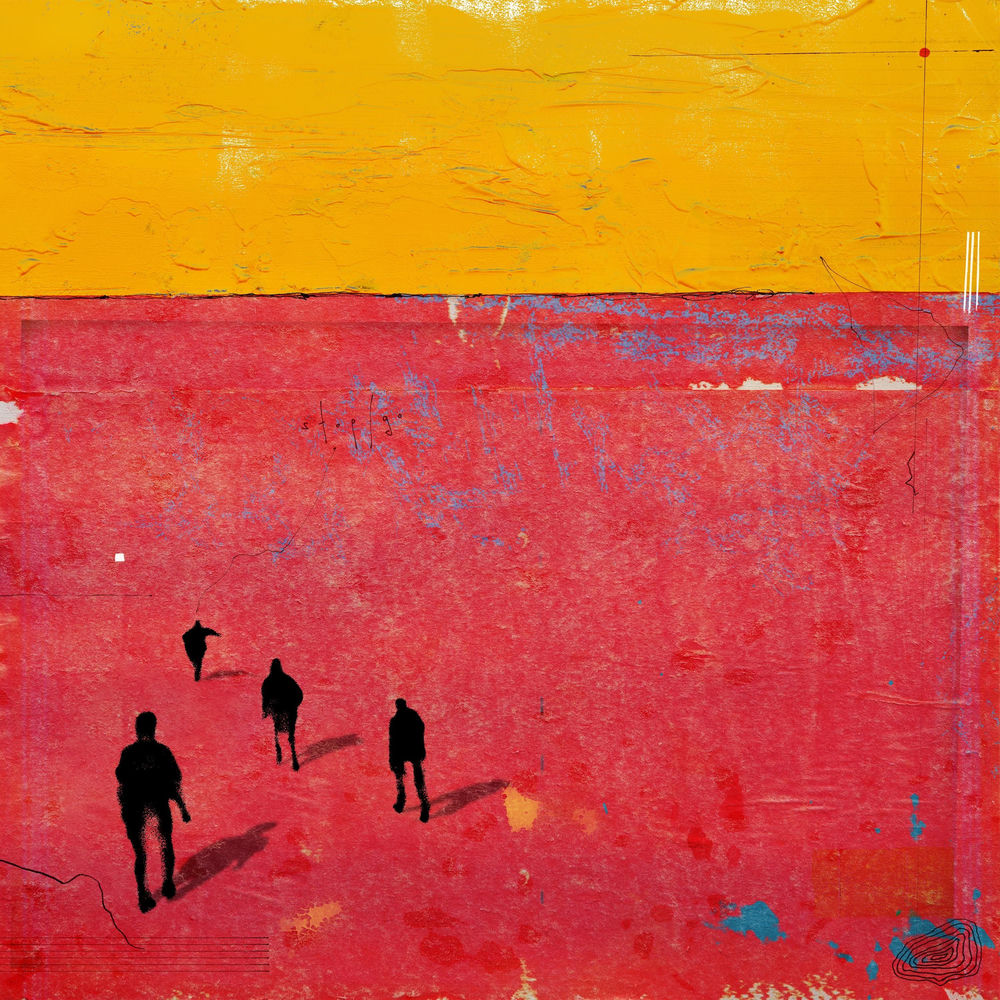
Third album from the Boston quartet that came out of Berklee: prog with guest sax, clarinet and flute, ten songs that bleed into one another and Casey Lee Williams holding it all up.
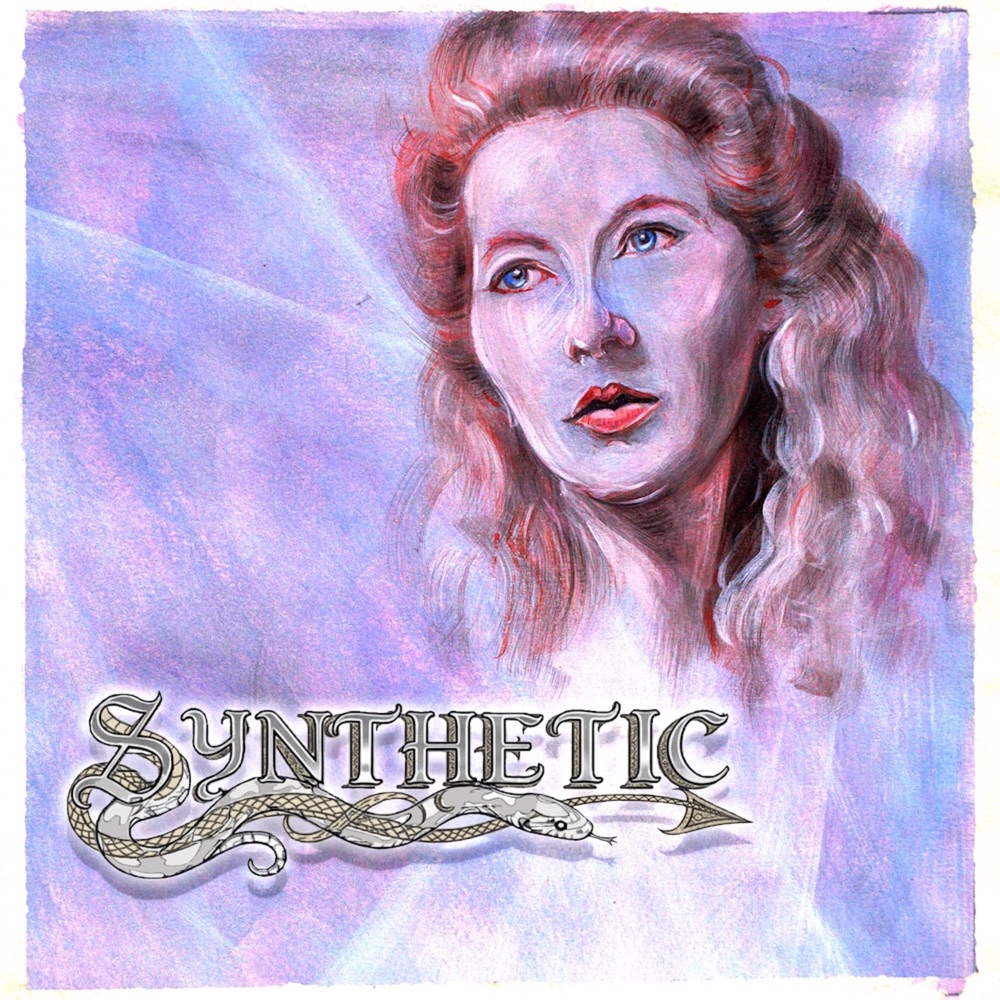
Debut album from the British guitarist Brian May and Roger Taylor gave a scholarship to at eighteen: seven songs road-tested for years, with the Hammond on “Sloe” and the guitar nearly always down in the foundations.

The French band’s last ever concert, taped at the Saalfelden festival in August 2007 and issued by Cuneiform eighteen and a half years later. Mellotrons, sax and zeuhl bass.
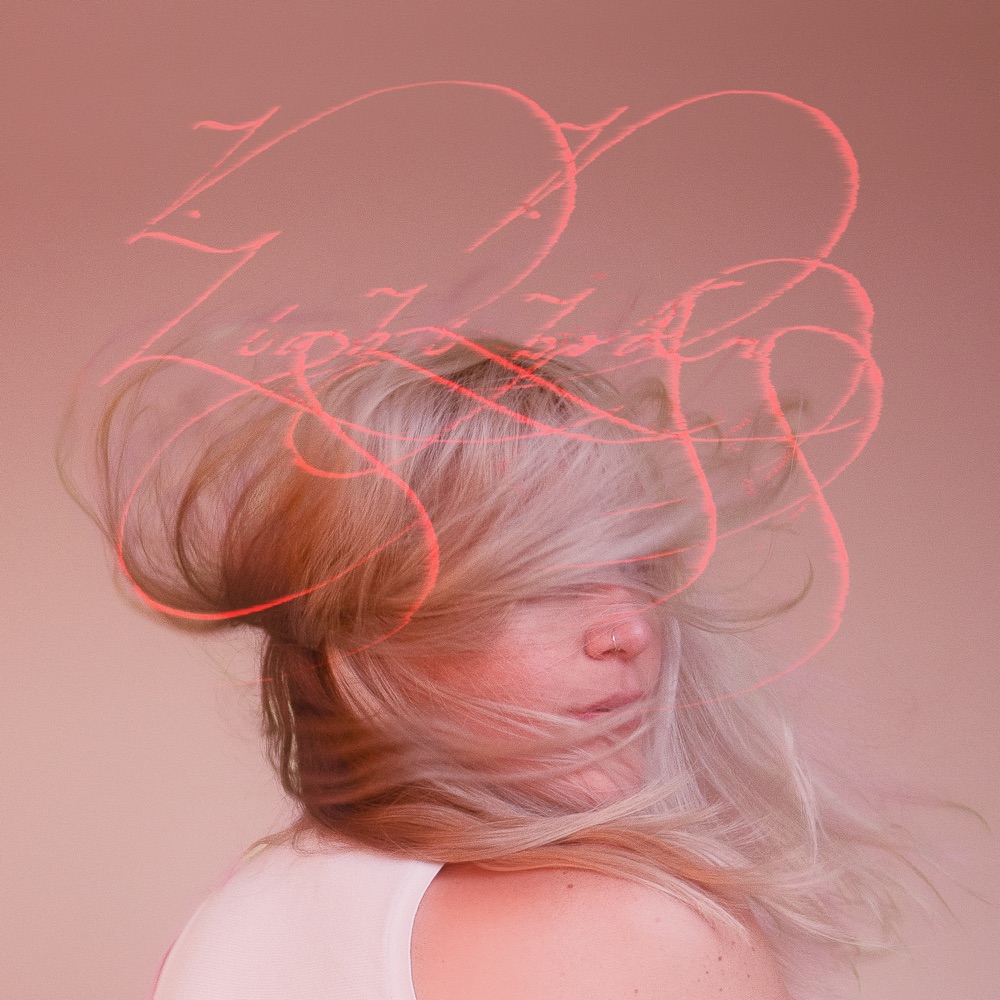
Thirty-six minutes for ten songs and the first album the Chicago singer and flautist has produced herself. Eight of the ten don’t reach four minutes.
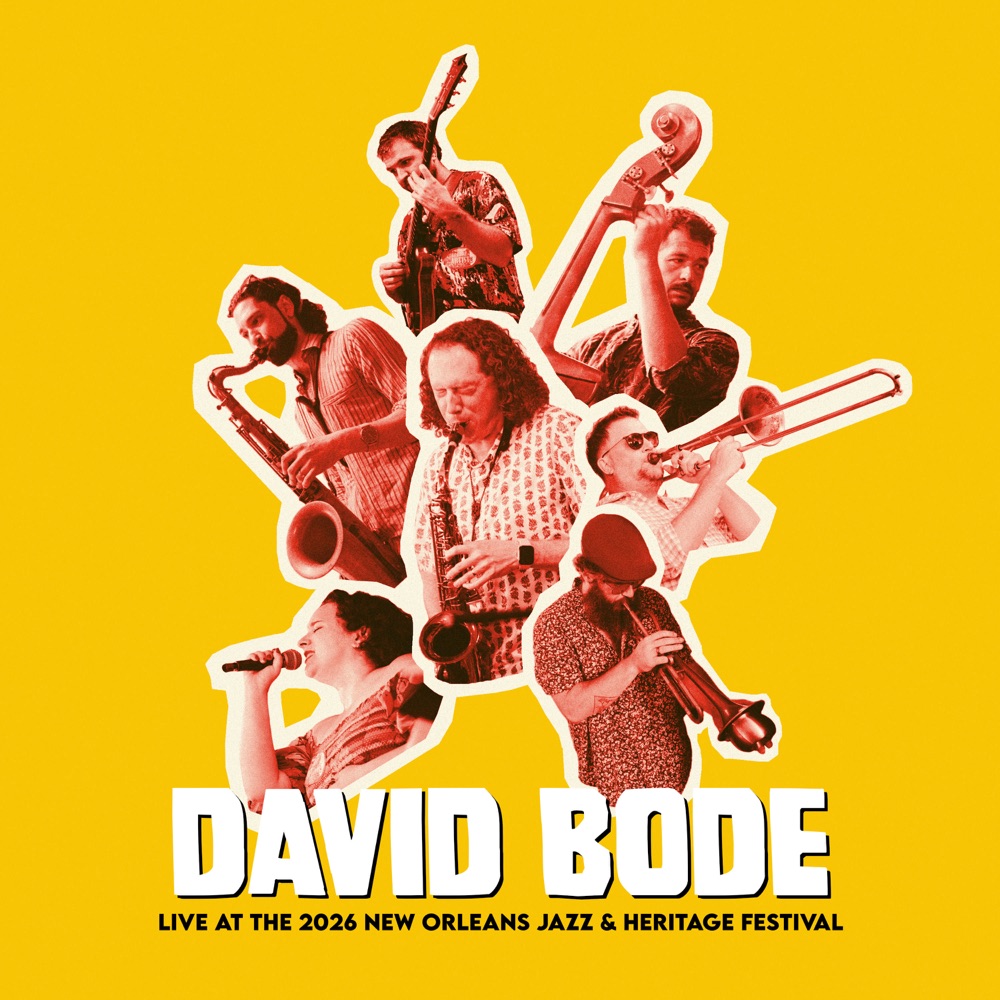
Twenty-two musicians in the WWOZ Jazz Tent, eight arrangements and five tracks that aren’t music. Bode brings Garrett, Buckley, Coltrane and Radiohead.
Three Mingus pieces, one by Gismonti, one by Metheny and Mays, one by Corea. The repertoire is the strong decision on a record that has split the critics.
Readers' survey
Rate up to 150 progressive rock, metal and jazz-fusion bands and get your personal ranking -- plus the Tótum readers' overall one.
I want to vote →