
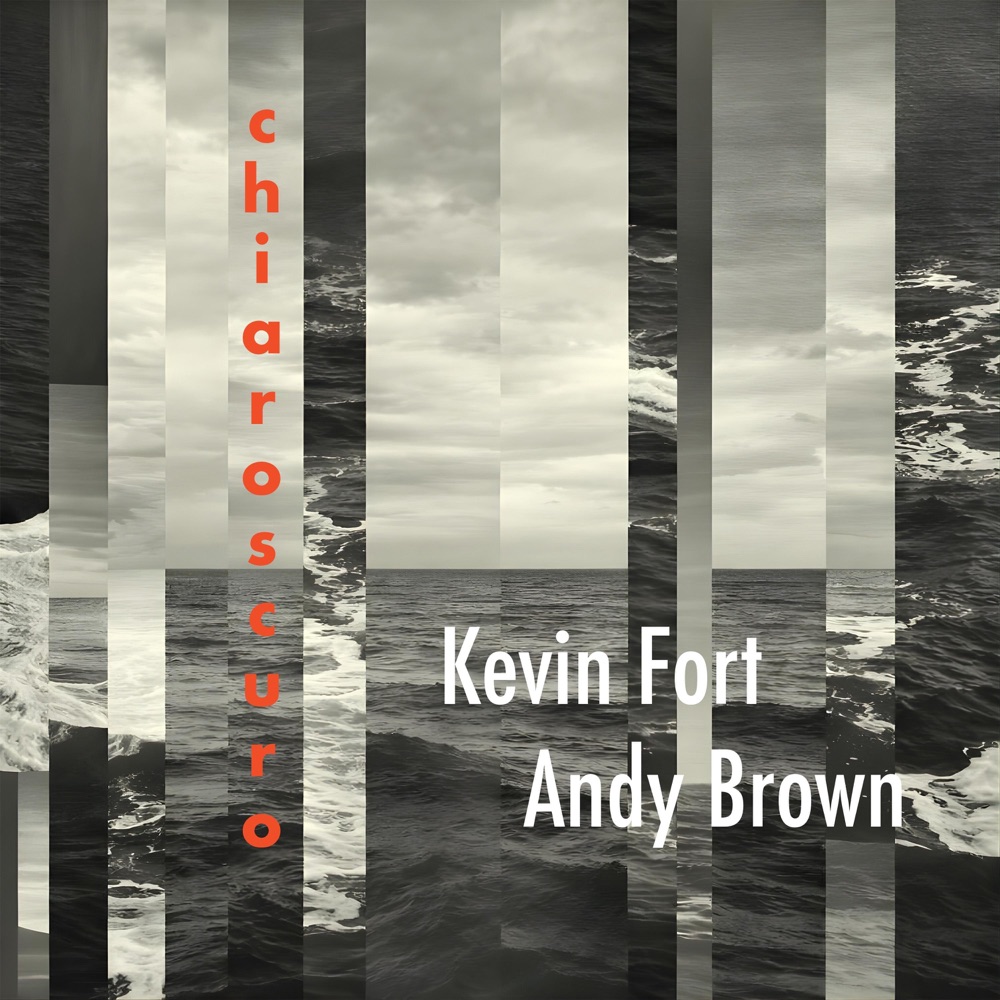
Kevin Fort & Andy Brown – Chiaroscuro
A Chicago piano and guitar duo that names its model outright: “Undercurrent”, by Bill Evans and Jim Hall. Four originals, four standards, forty-seven minutes.
A Chicago piano and guitar duo that names its model outright: “Undercurrent”, by Bill Evans and Jim Hall. Four originals, four standards, forty-seven minutes.
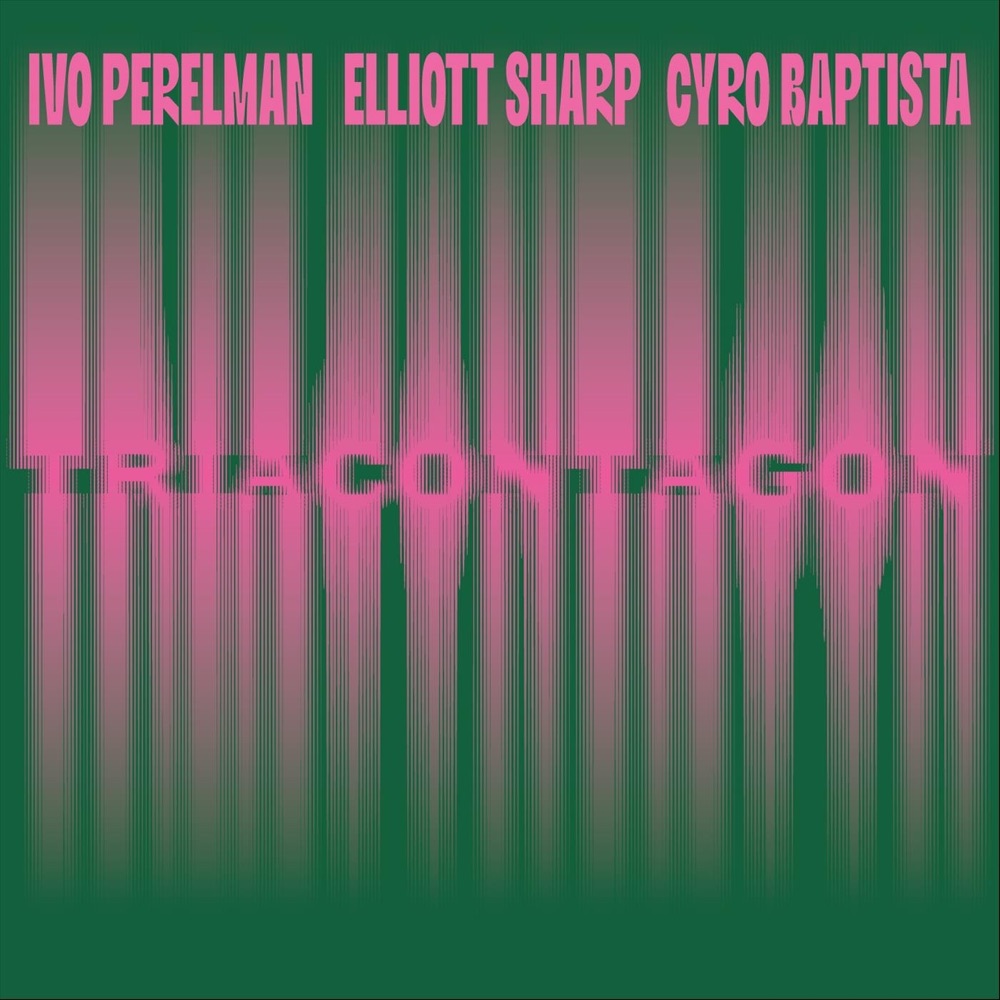
Sixty-seven minutes of free improvisation for three, taped in Brooklyn in October 2024. Of the six pieces, only one starts with Perelman’s saxophone.
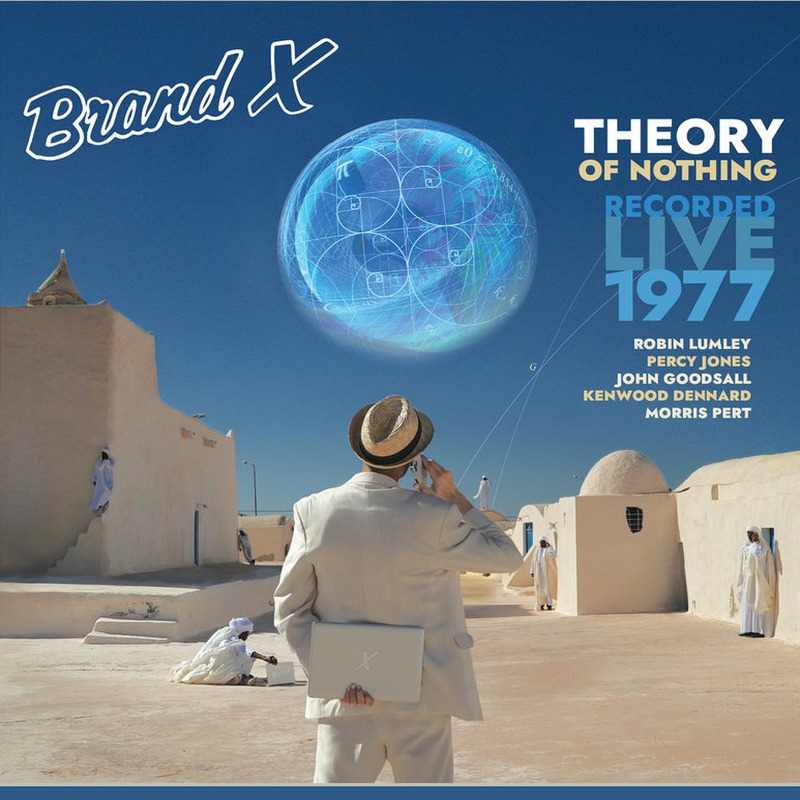
The tapes of the 1977 North American show came out of Robin Lumley’s attic and Percy Jones has remastered them. Two discs, ten pieces and the crowd in between.
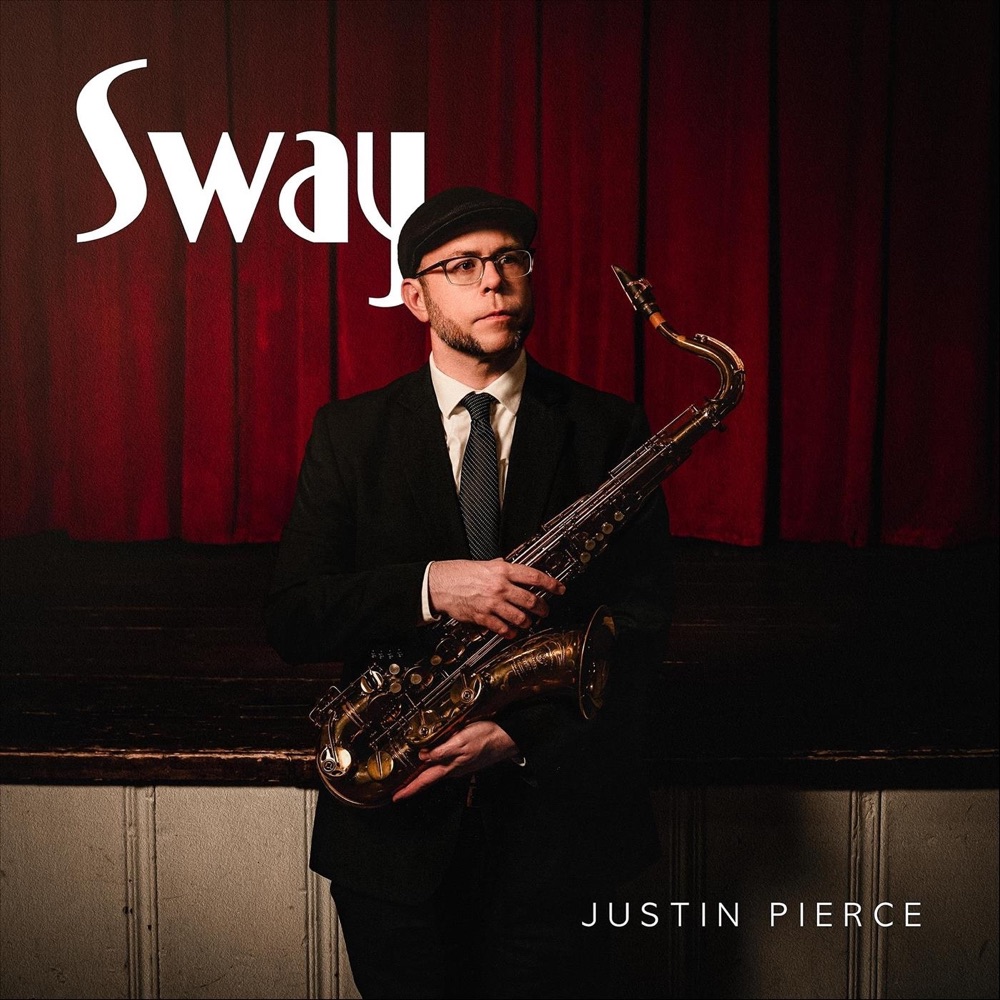
A Dallas quintet debuts with ten standards turned towards the Caribbean and New Orleans. Ashley Pierce sings seven of the ten and only three are instrumentals.
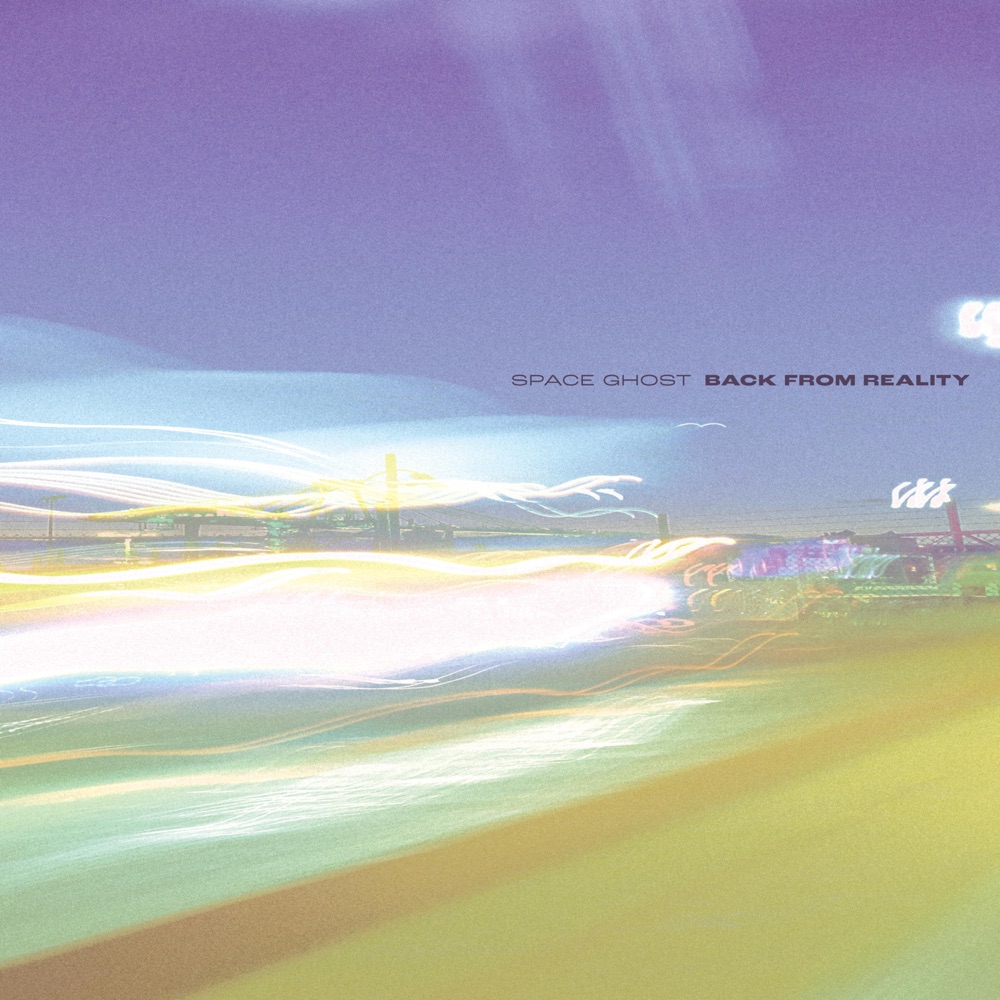
Five years of part-time work for forty-two minutes of ambient and downtempo made in Oakland, with PlayStation 2 startup screens as the stated model.
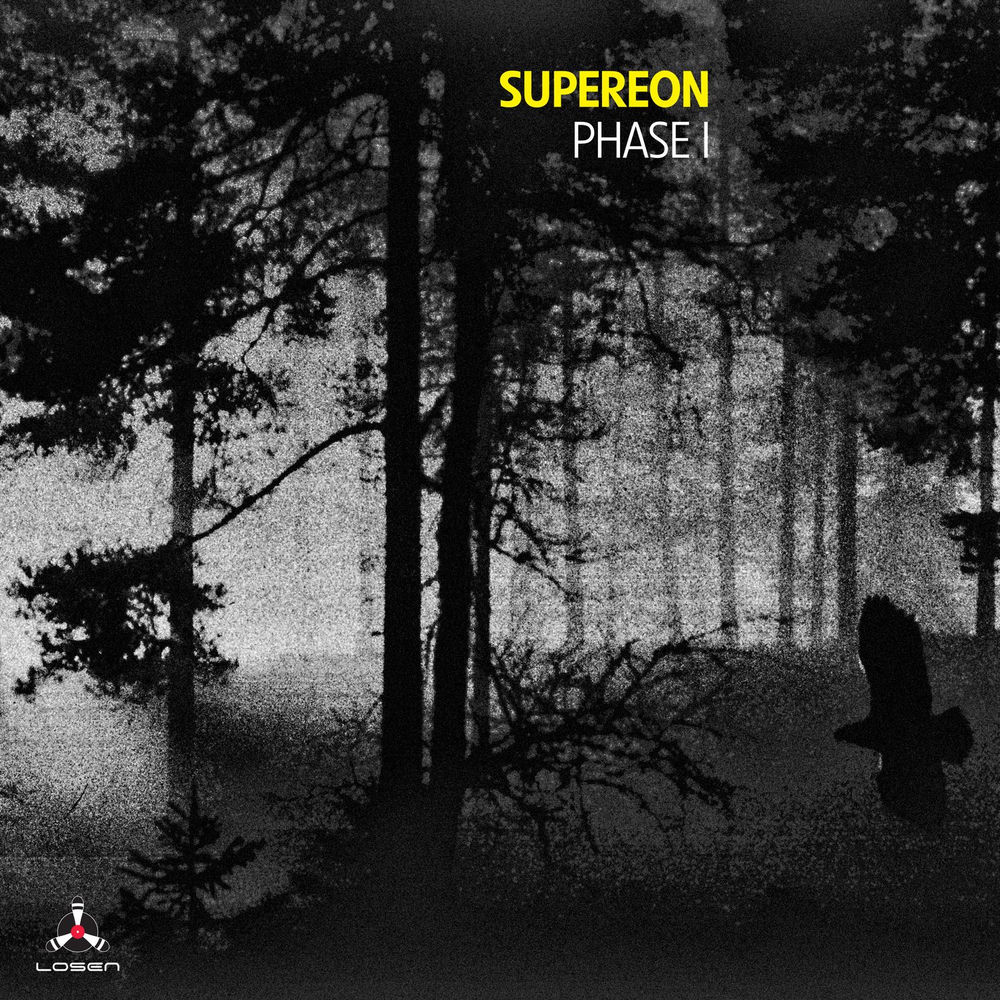
A Norwegian trio improvising out of a single rhythmic cell. The album opens with the first thing the three of them ever recorded together, bells worked with the left foot.
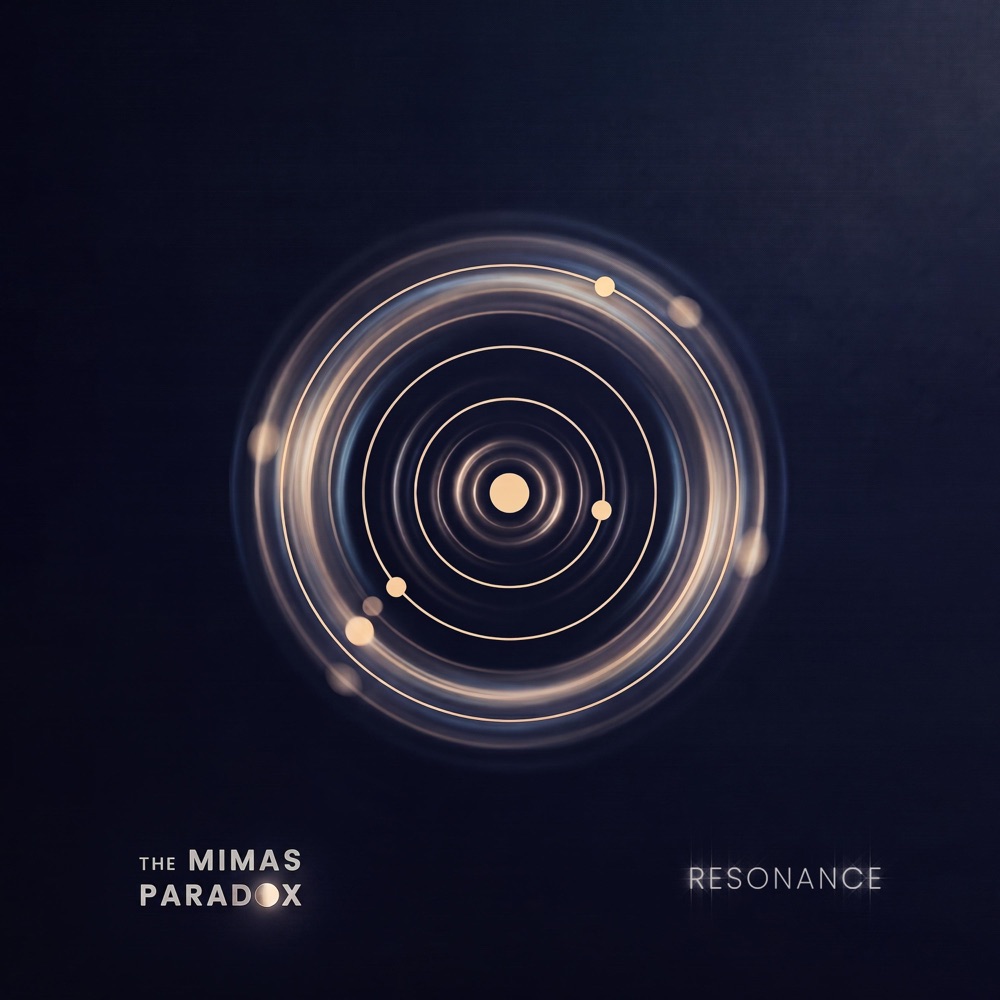
A Budapest duo’s debut: thirty-seven minutes of electronic prog about a lone voyage across the solar system. There’s a played bass on one track out of eight.
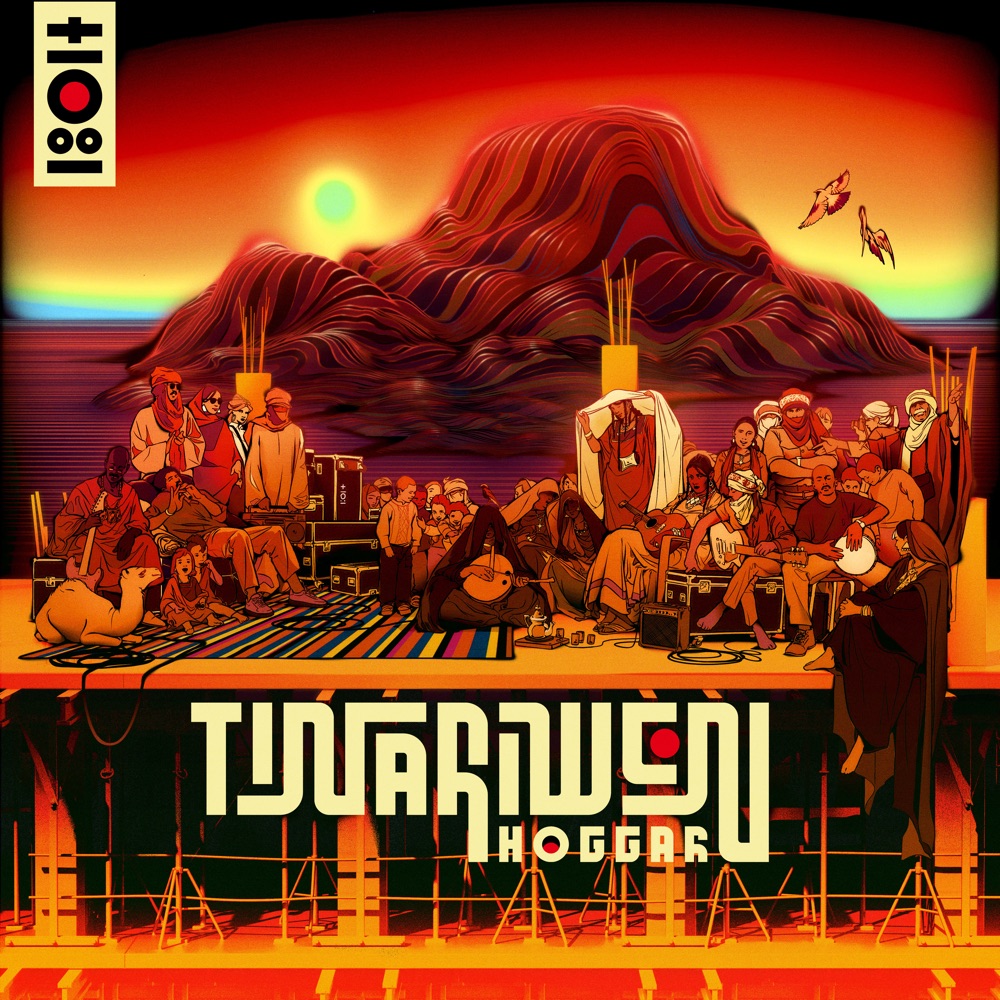
The Tuareg band’s tenth album, with José González and Sudanese singer Solafa Elyas guesting. Ibrahim Ag Alhabib and Abdallah Ag Alhousseyni harmonise together for the first time in thirty years.
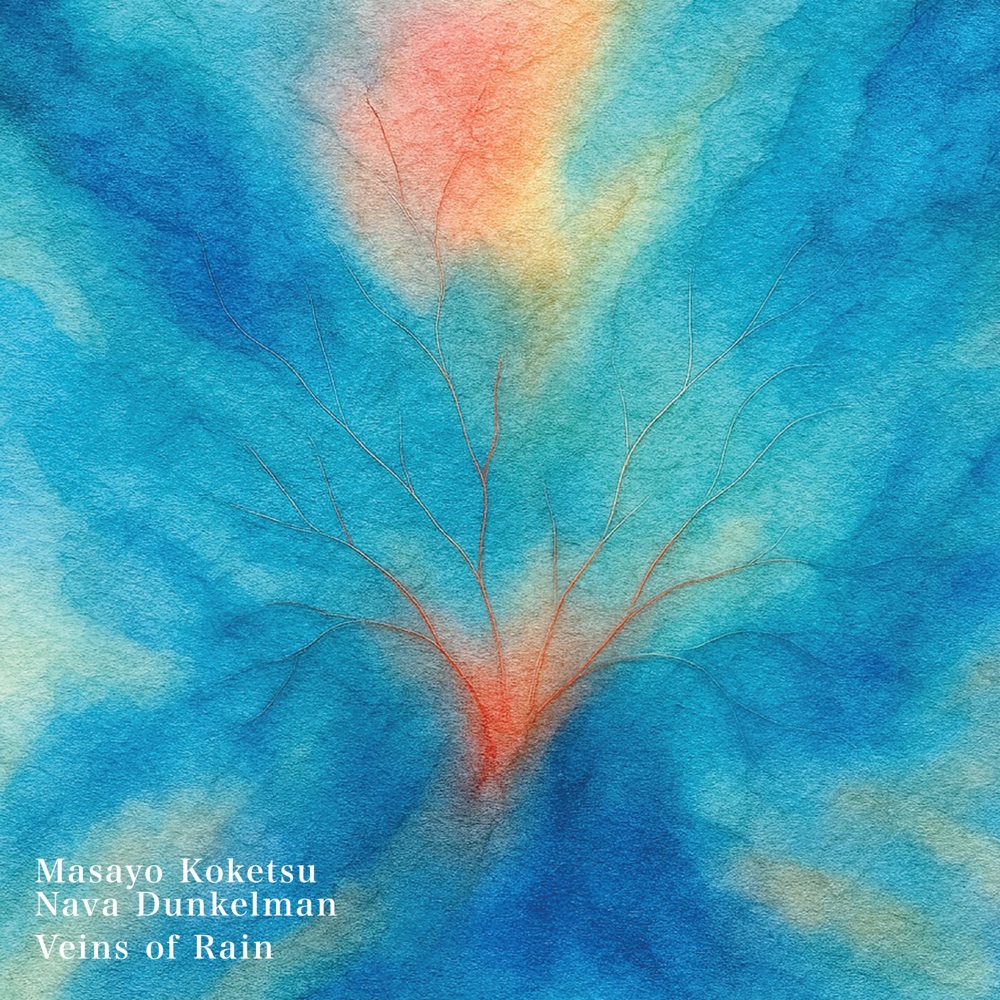
An alto-and-percussion duo recorded the first day the two players ever laid eyes on each other. Forty-six minutes under nine Japanese words for rain, frost and dew.
Fourteen movements and an hour of ballet on the myth of Pandora, with Sam Shepherd playing synthesisers live from inside the San Francisco Ballet Orchestra.
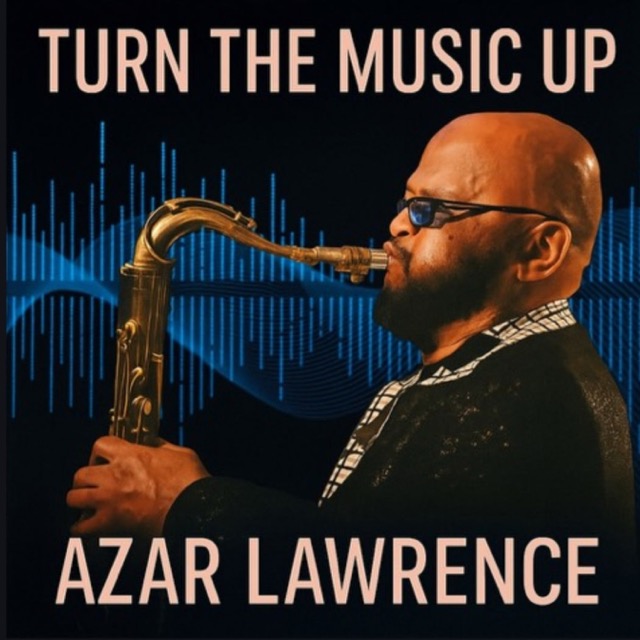
The 73-year-old tenor re-records the pieces from his first two albums with a septet and four guests. Fifty minutes, seven tracks and a density that costs him.
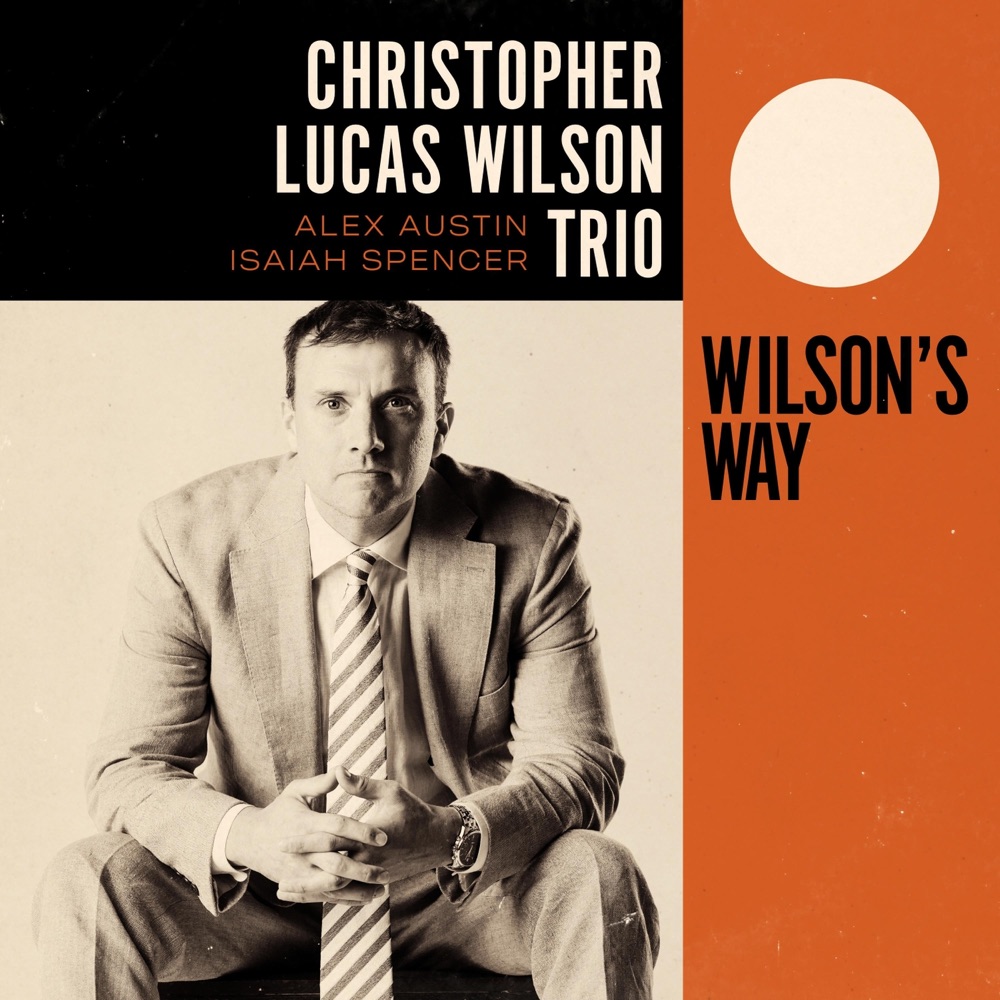
Thirty-eight minutes of piano trio recorded in Chicago: five originals, two standards and a José Alfredo Jiménez ranchera played solo.
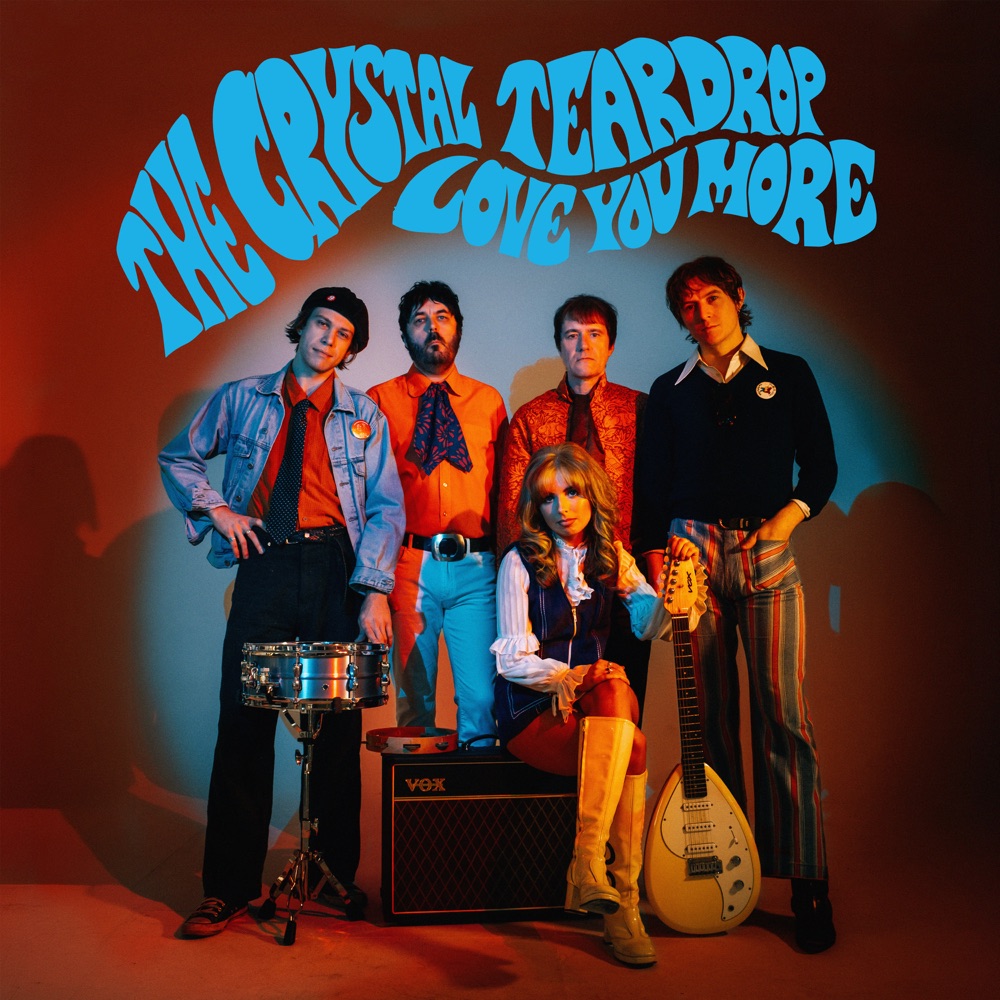
Twelve songs cut live in the studio, with electric sitar, swarmandal and Hammond organ. The second album by the Stoke-on-Trent quintet, out on Popclaw.
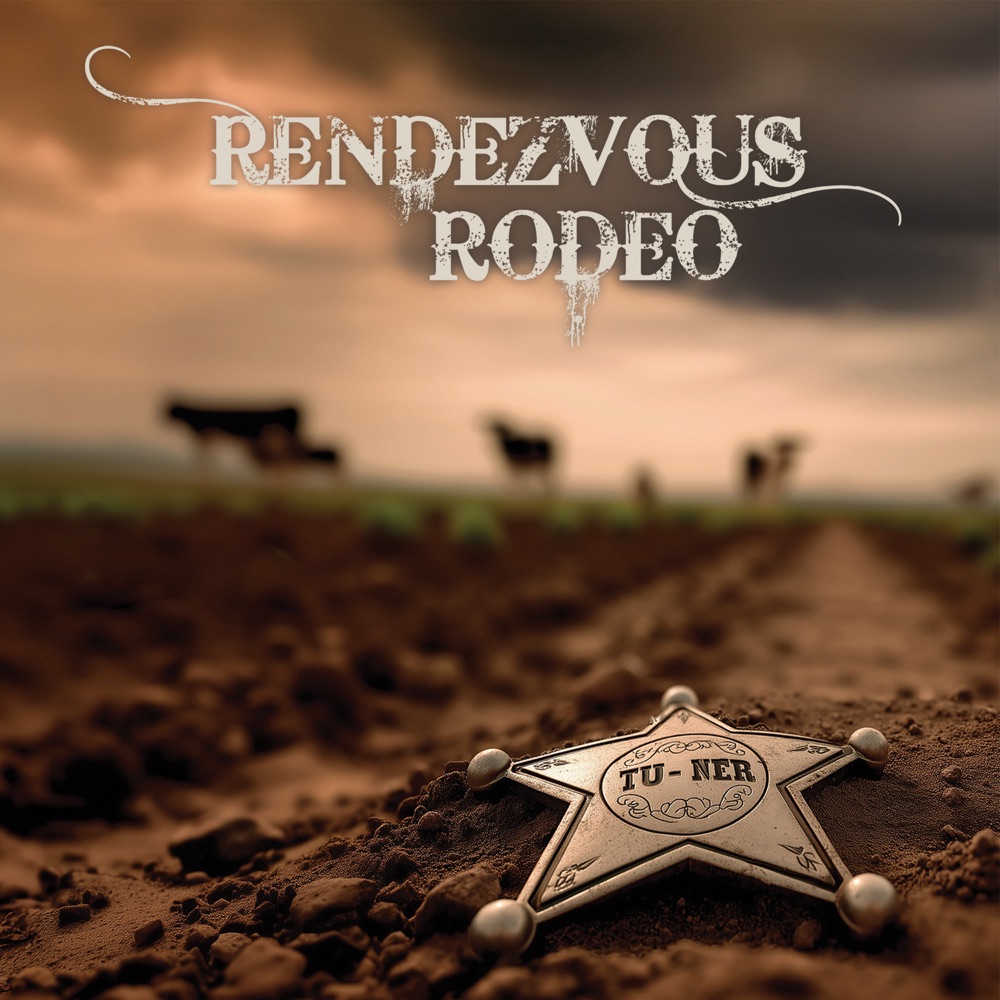
Tu-Ner’s second live album: seventy-seven minutes recorded in a single night in Vermont. Of the eleven pieces, three are King Crimson’s and only four are the trio’s own.
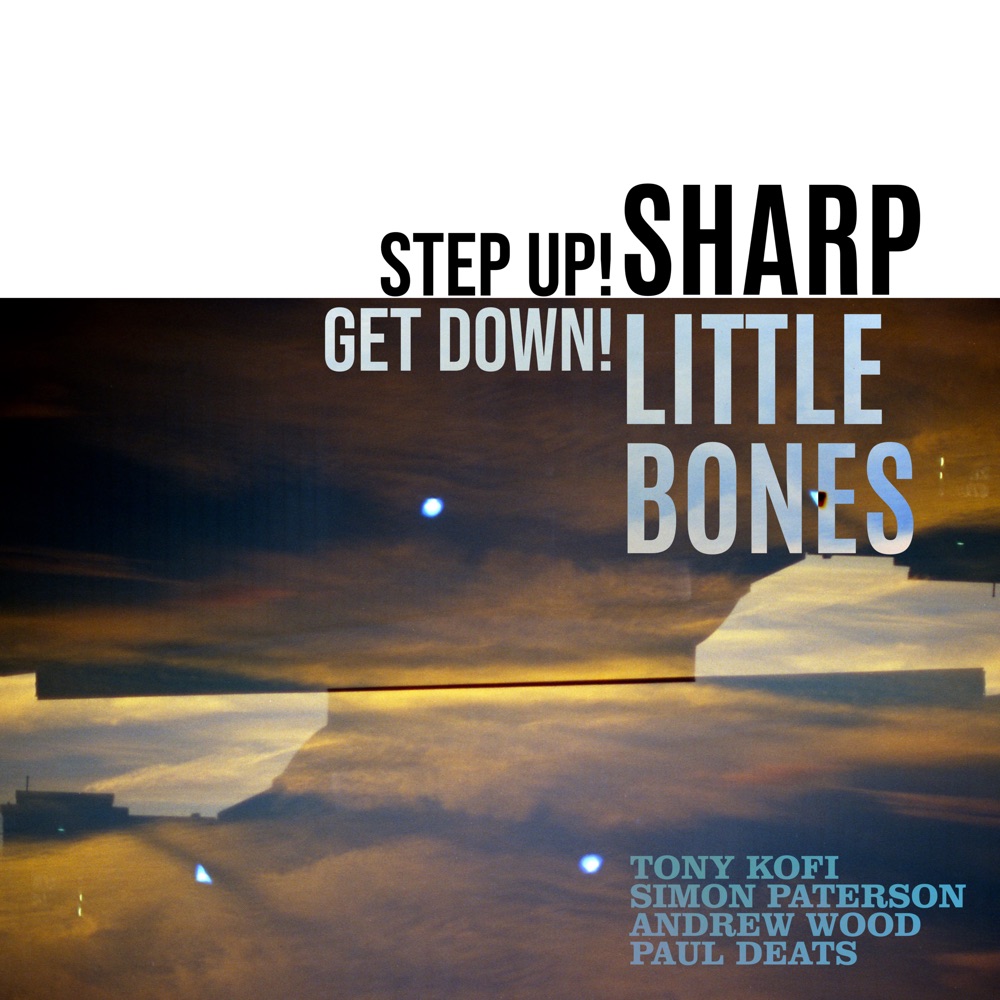
Seventy minutes from the house trio at Nottingham’s Peggy’s Skylight with Tony Kofi on tenor: Rhodes, bass, drums and a very clear idea of how a groove should move.
Ten tracks and thirty minutes of electronics, lo-fi and shoegaze about having nowhere to live. Jesper Vervoort says the record was building the home while he made it.
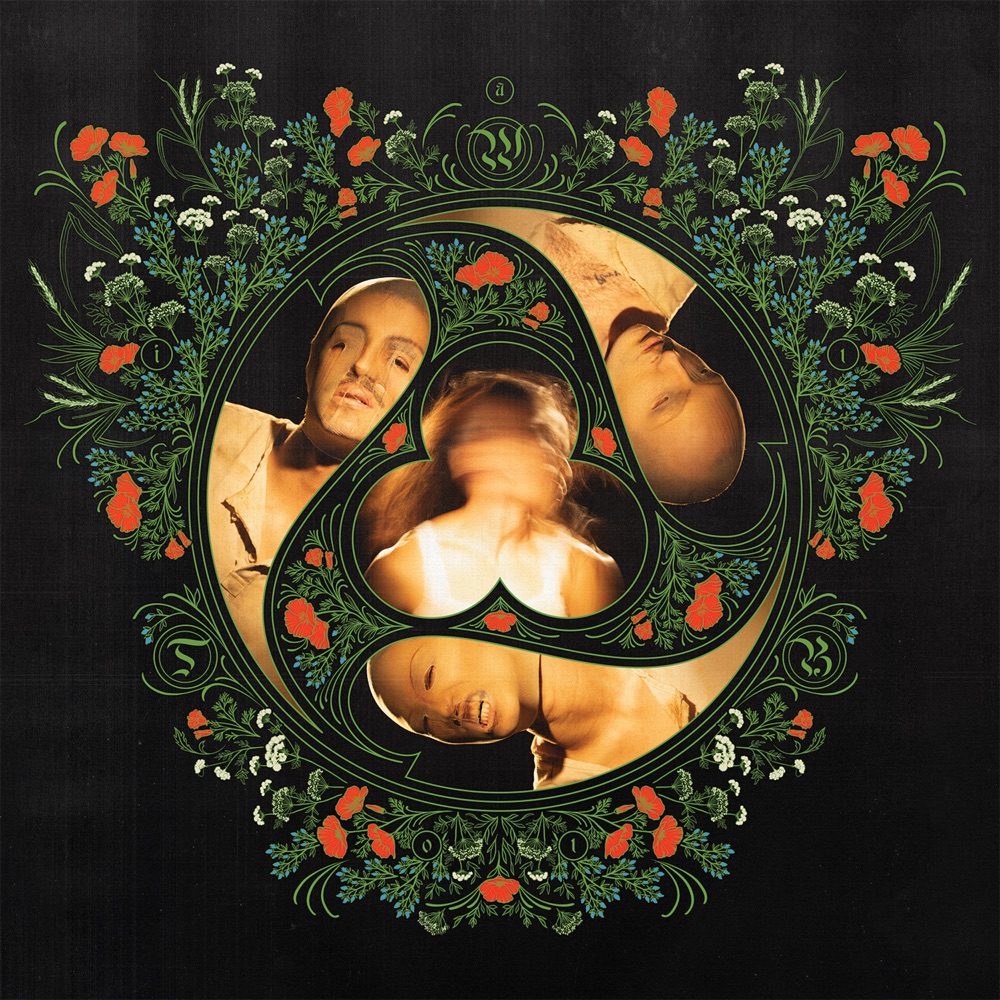
Three tracks, twenty-three minutes and a twelve-minute-forty-seven closer. The surprise EP on which Deafheaven get closer to black metal than they ever have.
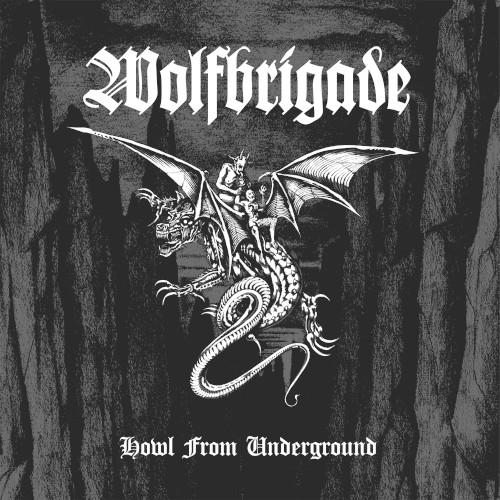
Twelve tracks in thirty-one minutes, their twelfth album, and the first in a decade they haven’t produced themselves: Lawrence Mackrory has sharpened the crust without softening it.
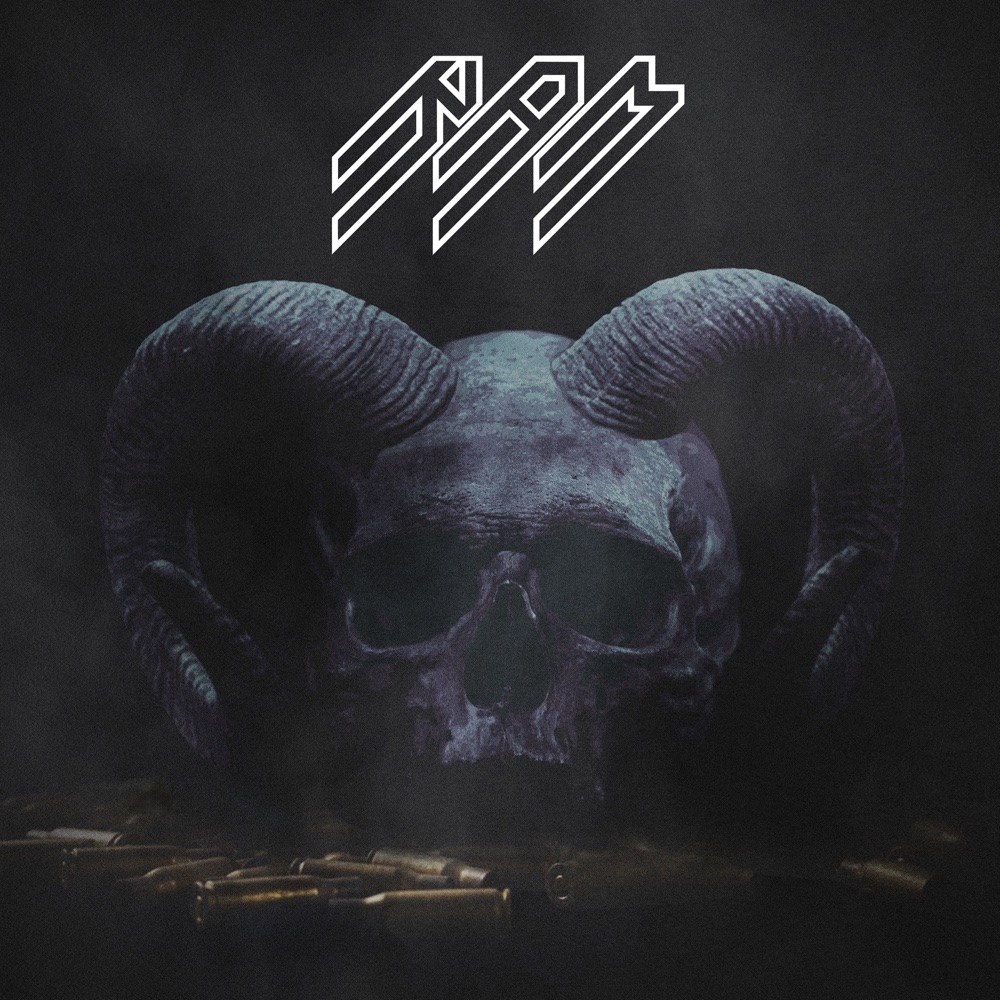
Eleven tracks and forty-two minutes, seven years after “The Throne Within”. The Swedes drop the metaphysics and write about being pushed until you refuse.
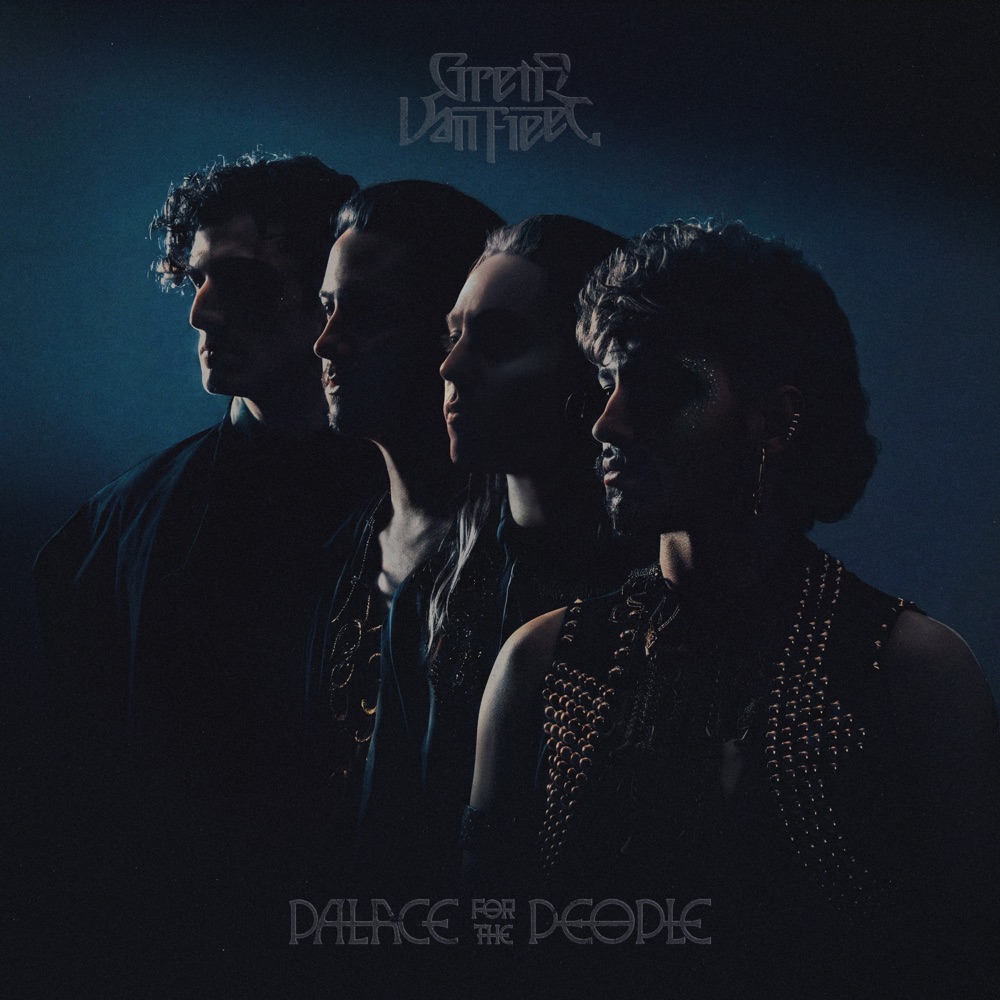
Thirteen tracks and fifty-eight minutes, three years after “Starcatcher”, with Mike Elizondo producing. The record where the band answers the charge of never changing, and doesn’t quite refute it.
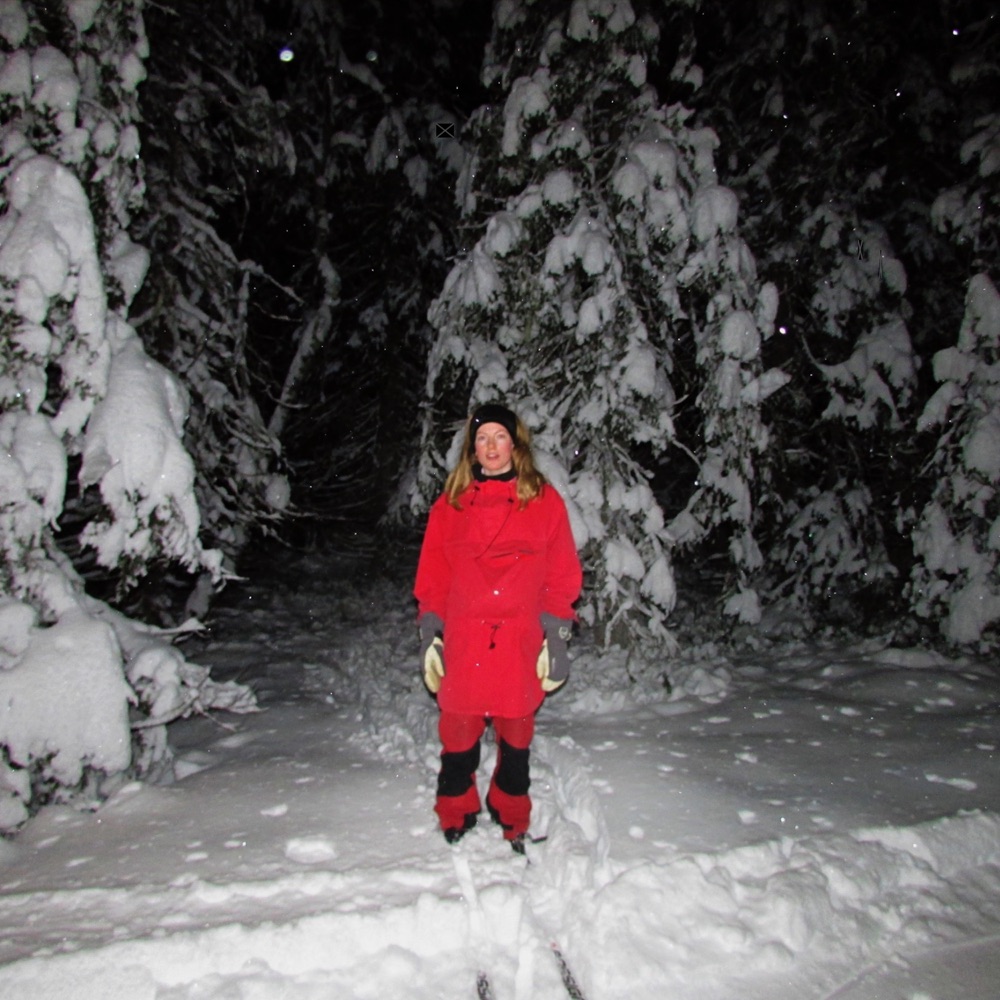
Anna Ueland puts away the synths and the singing and sits at the piano with a Norwegian quintet of trombone and tenor sax. Nine tracks, and the first is a Mort Garson cover.
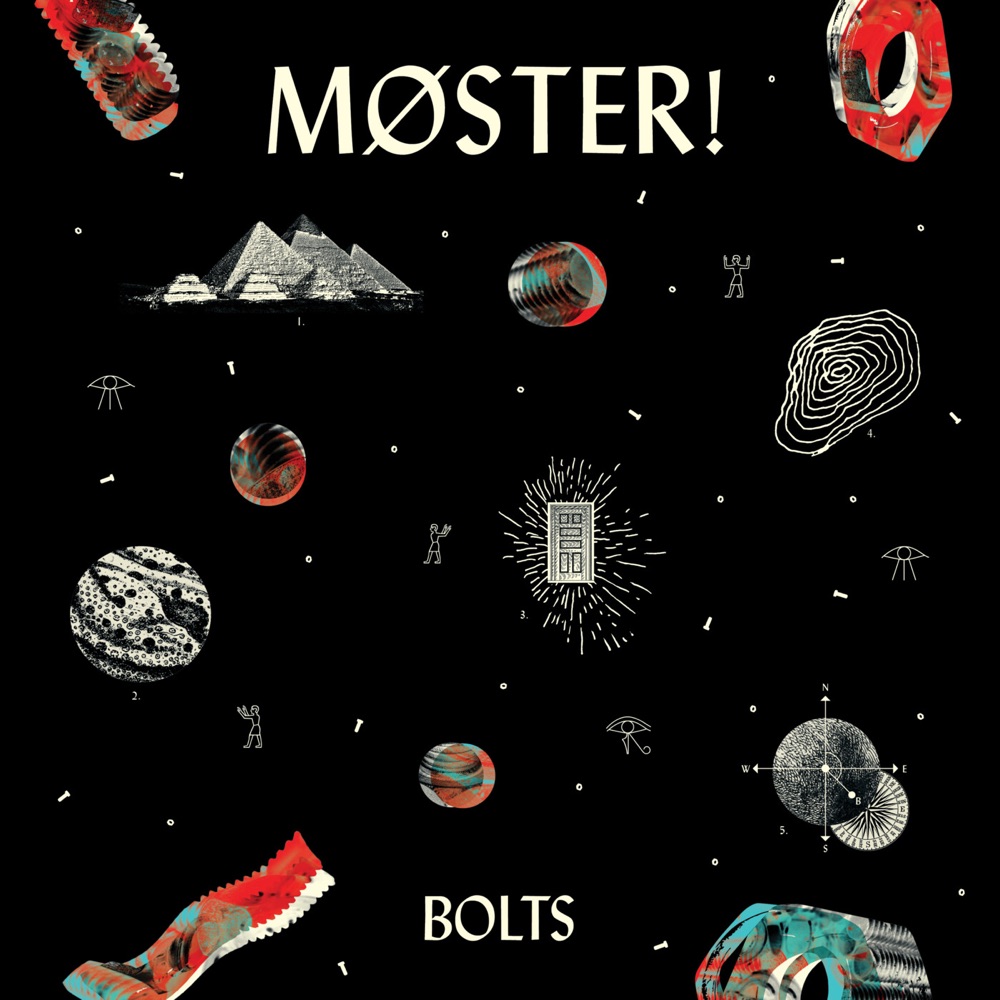
Five tracks and forty minutes cut in four days at Duper Studio: the Bergen quartet’s seventh album, with two members of Motorpsycho on guitar and drums.
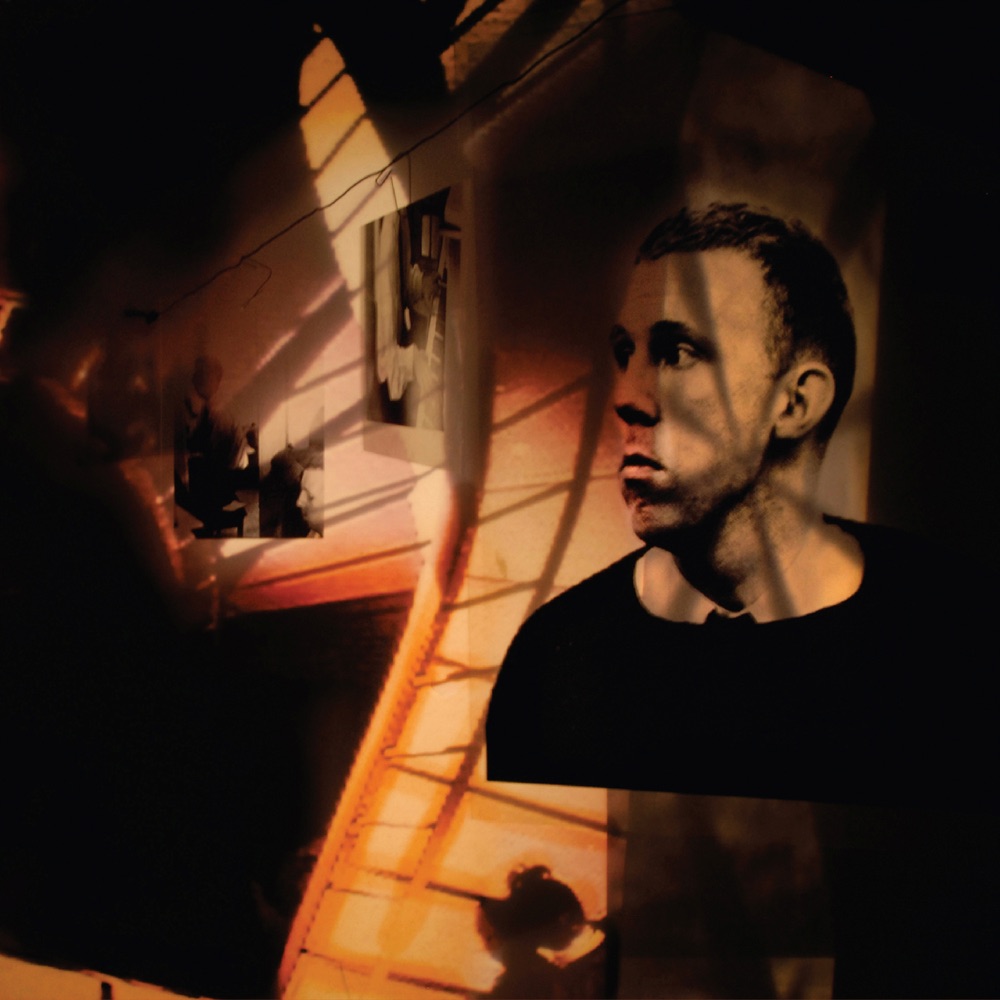
Nineteen pieces for solo piano, from Puccini to Al Green by way of “You Are My Sunshine”: the Springfield pianist, now ninety-one, records for Tzadik.
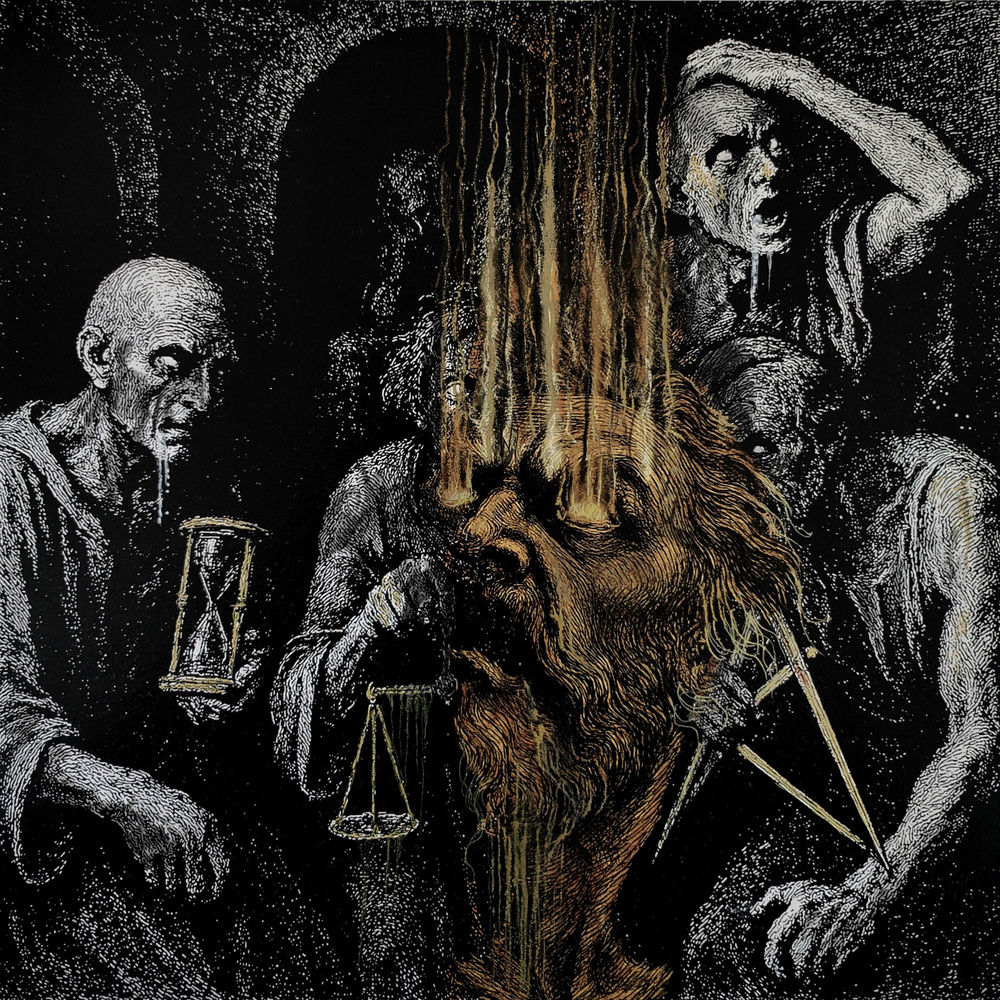
Black metal with a horn improvising inside it: six movements of “Epoché”, an interlude wedged between the fourth and the fifth, and thirty-four minutes all told.
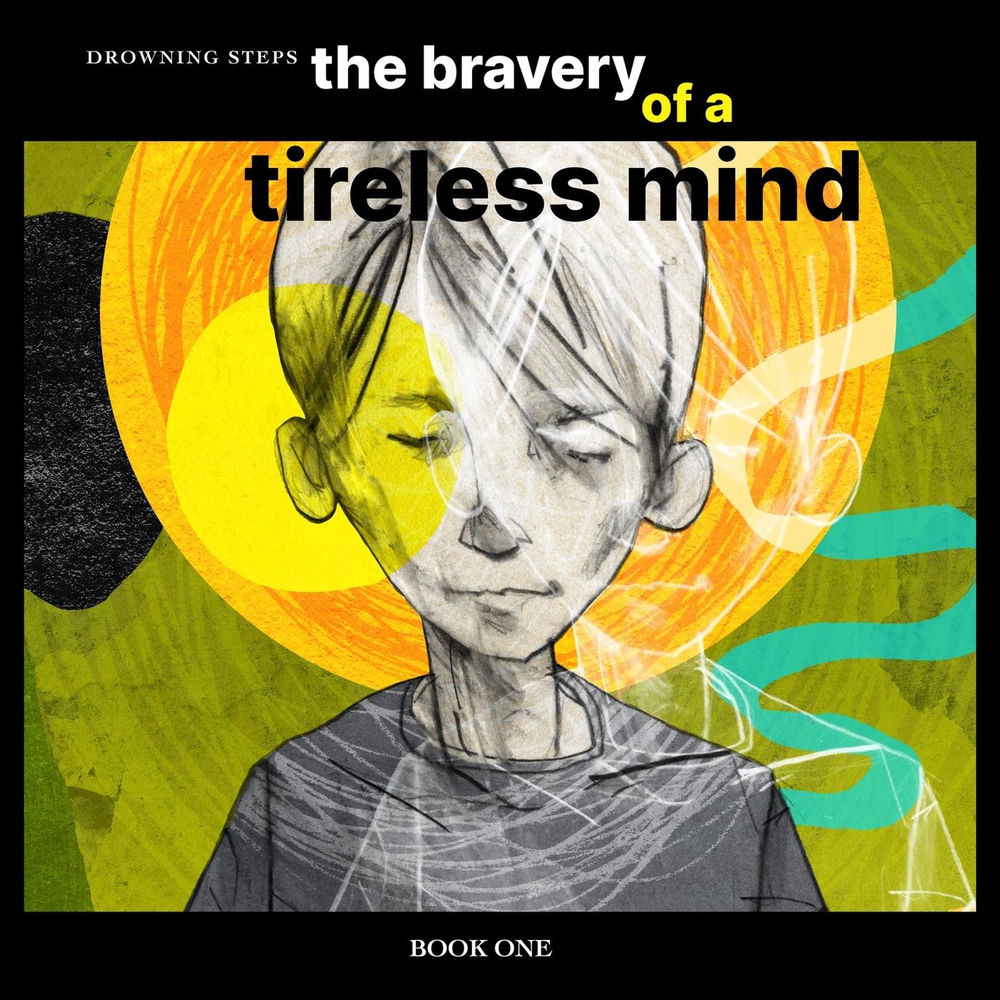
Five tracks and thirty-seven minutes from the Brazilian duo, with an opening piece of fifteen minutes and forty-nine seconds and three of the five songs sung by guests.
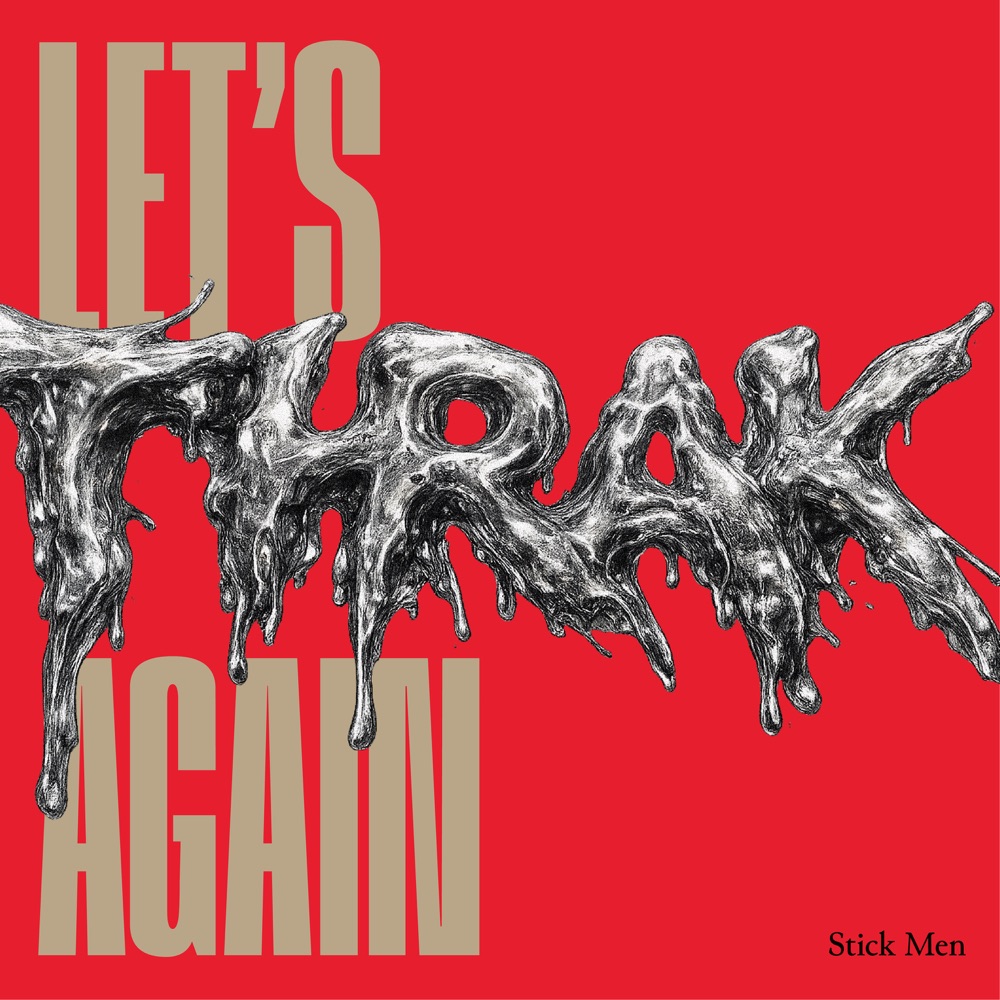
The trio’s first studio album in ten years is dedicated to King Crimson’s “THRAK” and comes in two complete mixes: same material, two different running orders.
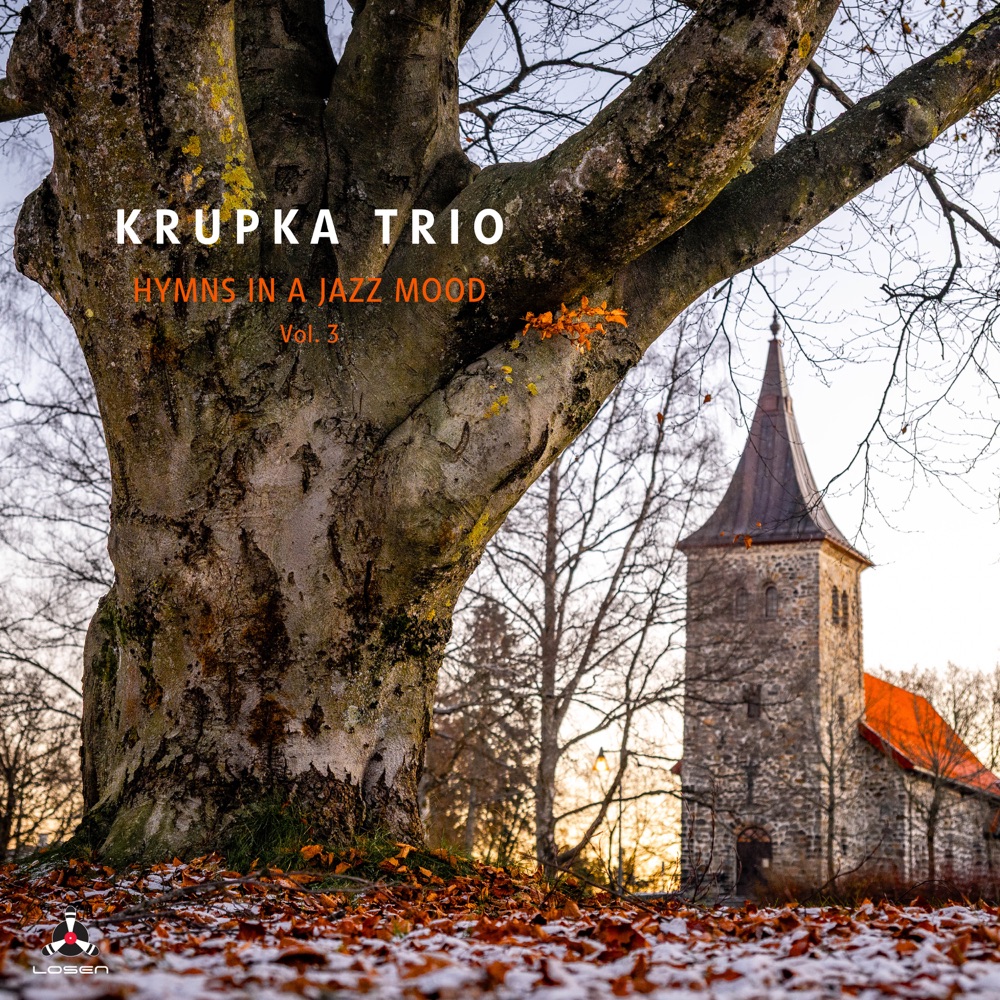
Twelve Norwegian hymns arranged for piano, saxophone and double bass, with no drums: the third volume of a series Ulf Krupka’s trio opened in 2014.
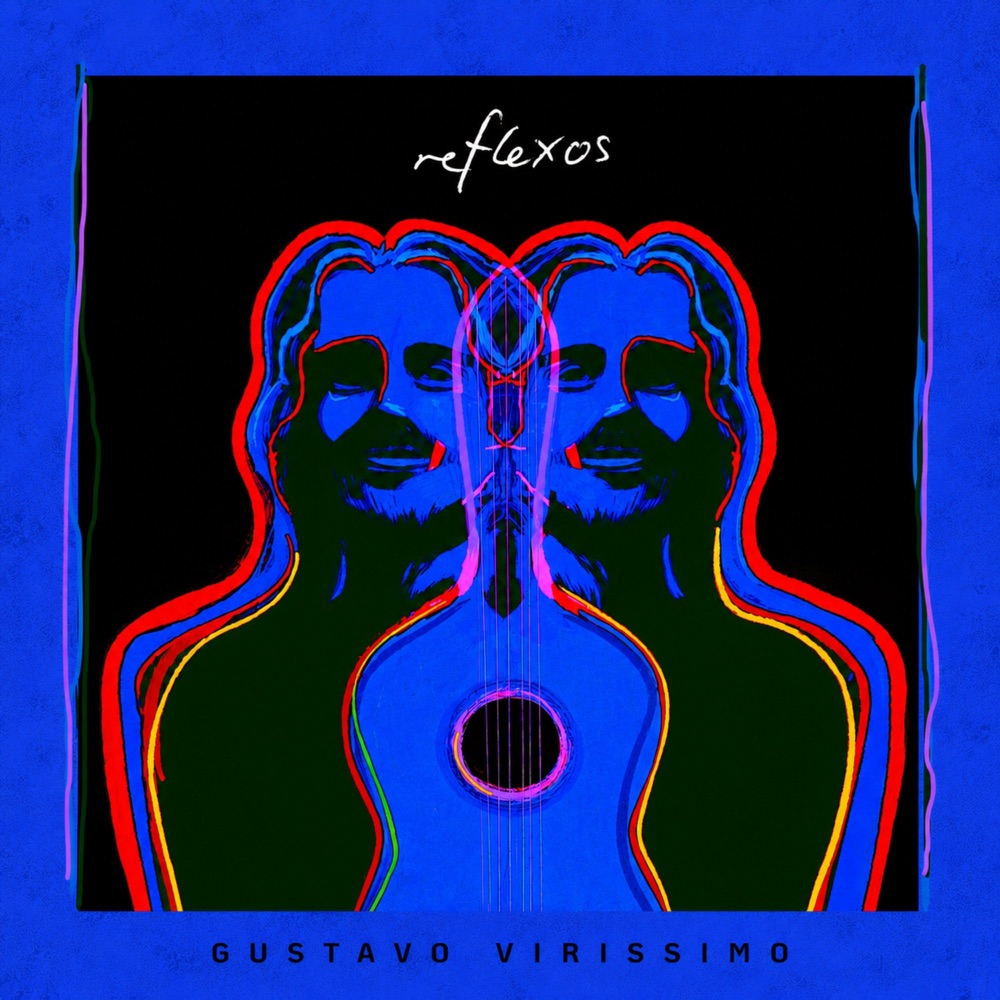
The Porto Alegre guitarist’s first album: eight pieces of frevo, baião and samba cut in two to six takes, with an unplanned acceleration left in.
Eleven days of a 2023 European tour edited down to six tracks: a quartet with no harmony instrument, Gerry Hemingway on drums and a sixteen-minute block at its centre.
Erlend Aastad Viken, of Soup, closes the Giant Sky trilogy with eight tracks cut in 2024 and a guitar from Mogwai’s Stuart Braithwaite on the final song.
Seven years without a keyboard player and an anti-war record built on Whitman, Dickinson, Elytis and Ritsos: the Athenians fill the gap with strings, choir and spoken word.
The Londoners’ fifth album is the first with a full-time keyboard player: ten songs that don’t reach forty minutes and trade the long build for the chorus.
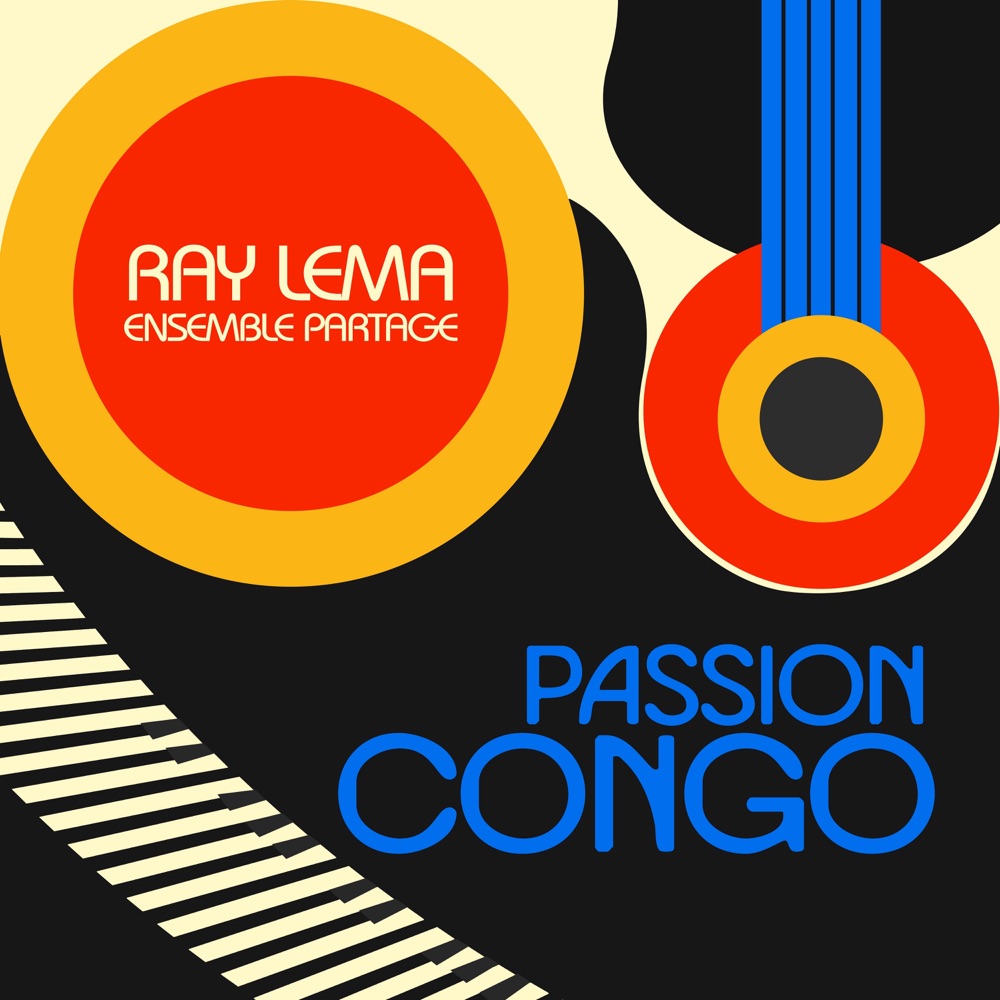
Ray Lema puts his piano in front of an Italian string quartet, a soprano saxophone and two percussionists: nine pieces that move from minimalism to ragtime without losing the pulse.
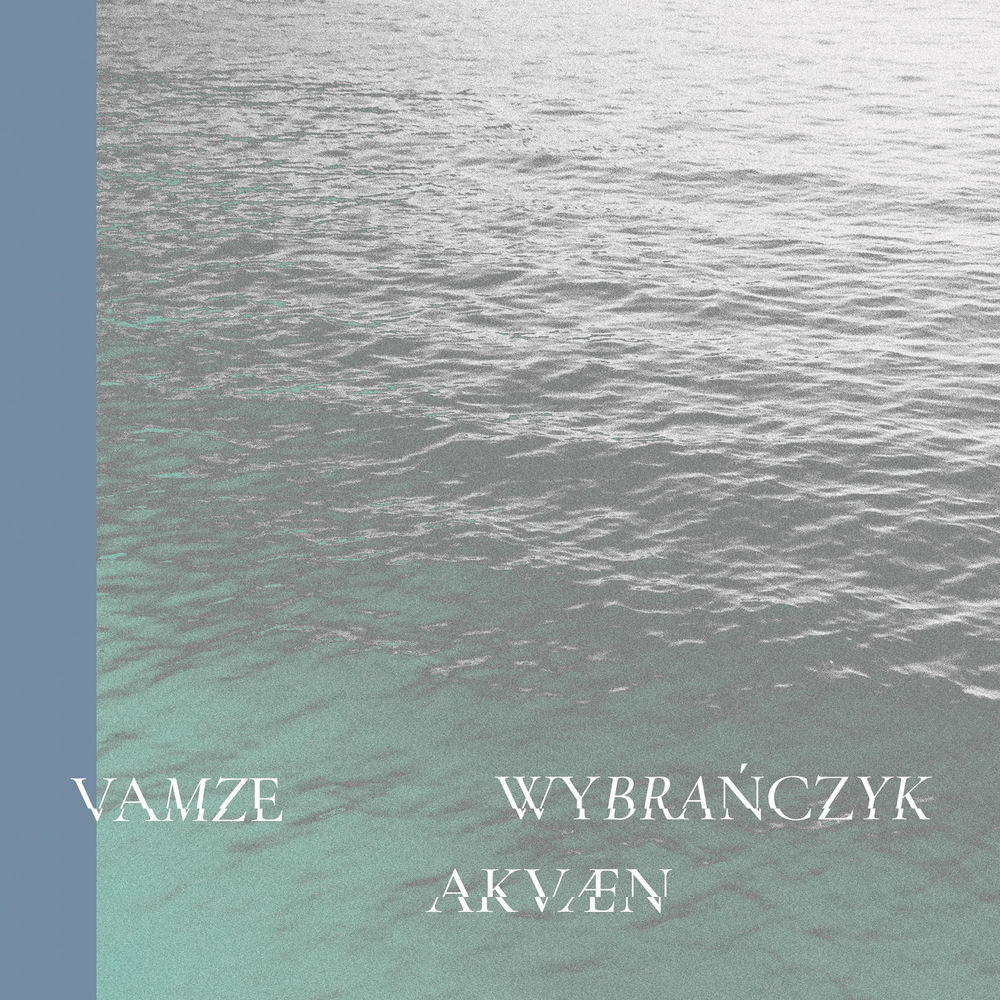
Ten improvisations by drummer Patrycja Wybrańczyk and saxophonist Inga Vamze, with no harmonic instrument and the states of the North and Baltic seas as the programme.
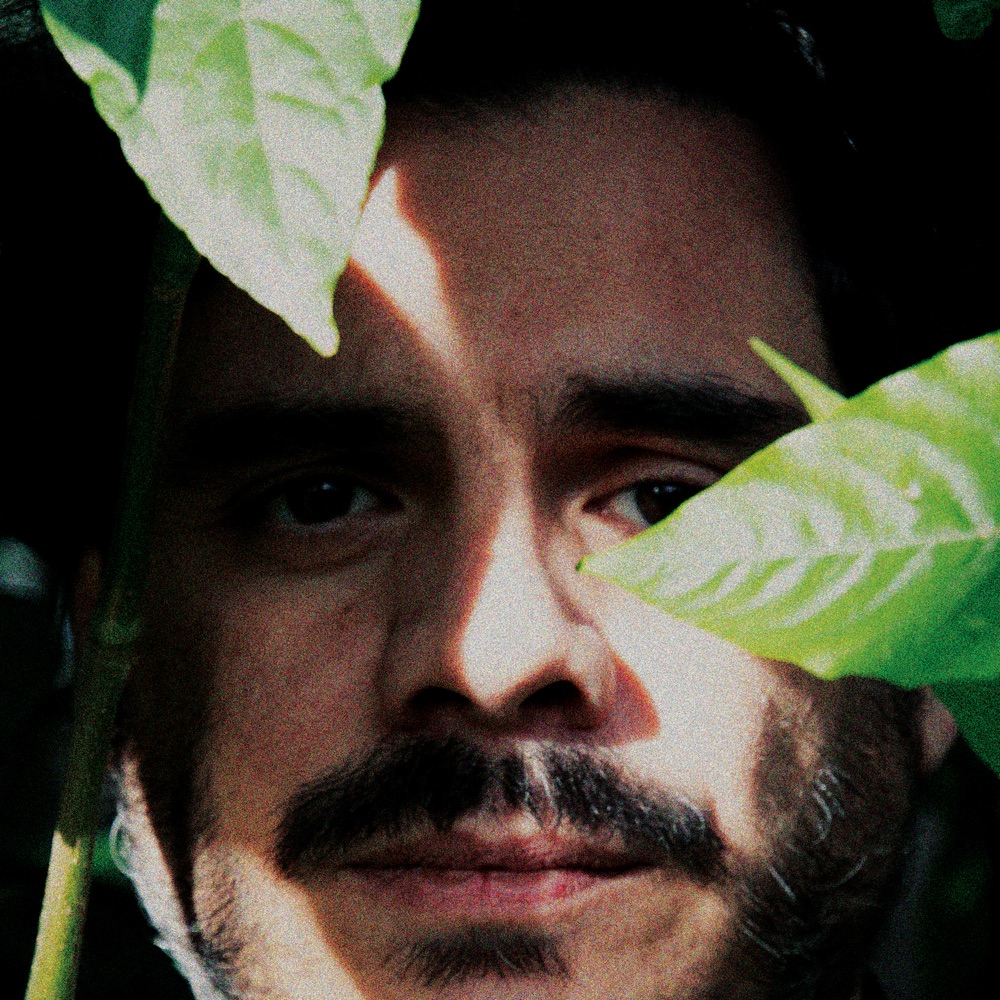
Greek oud player Alekos Vretos builds a drummerless chamber quartet: oud, clarinet, piano and bass crossing Arabic modes, Greek folk music and improvisation.
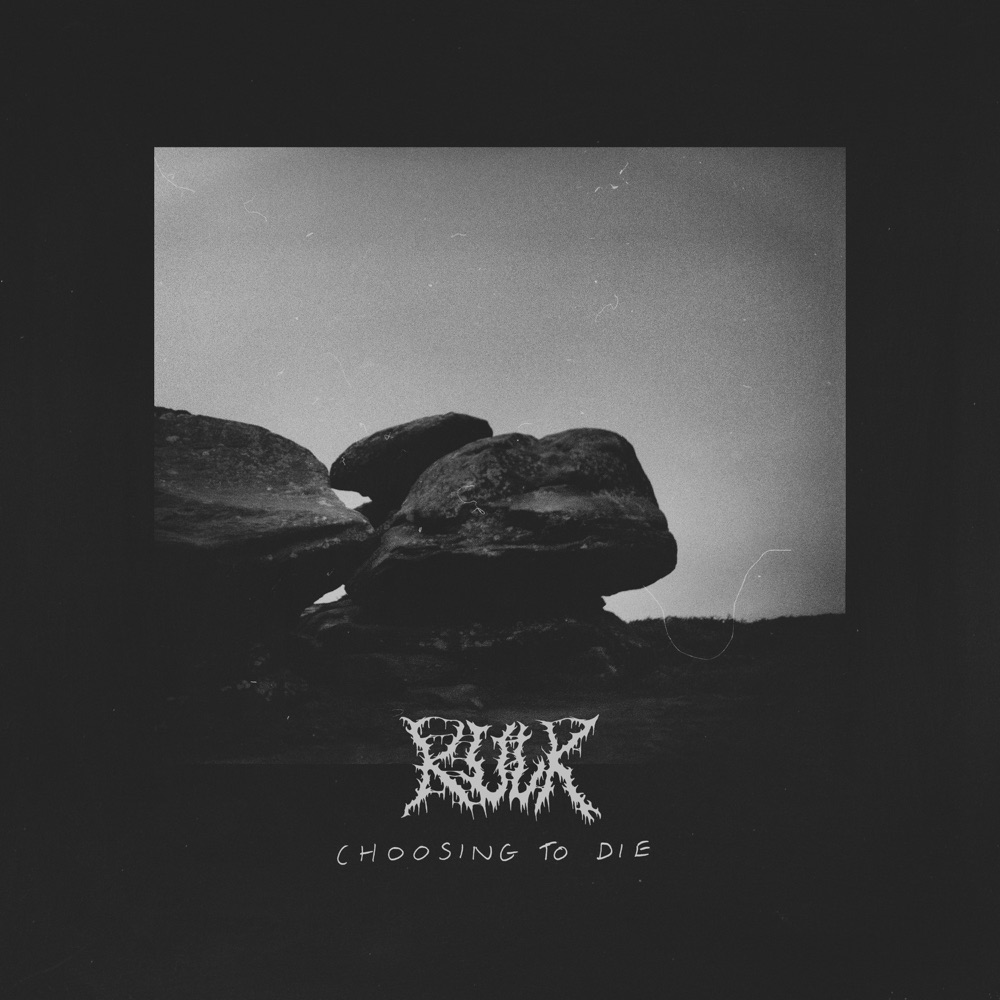
Twenty-six minutes of sludge from a British duo: nine tracks, an out-of-tune violin at the end of “Ache” and a minute of rising water that somebody cuts off dead.
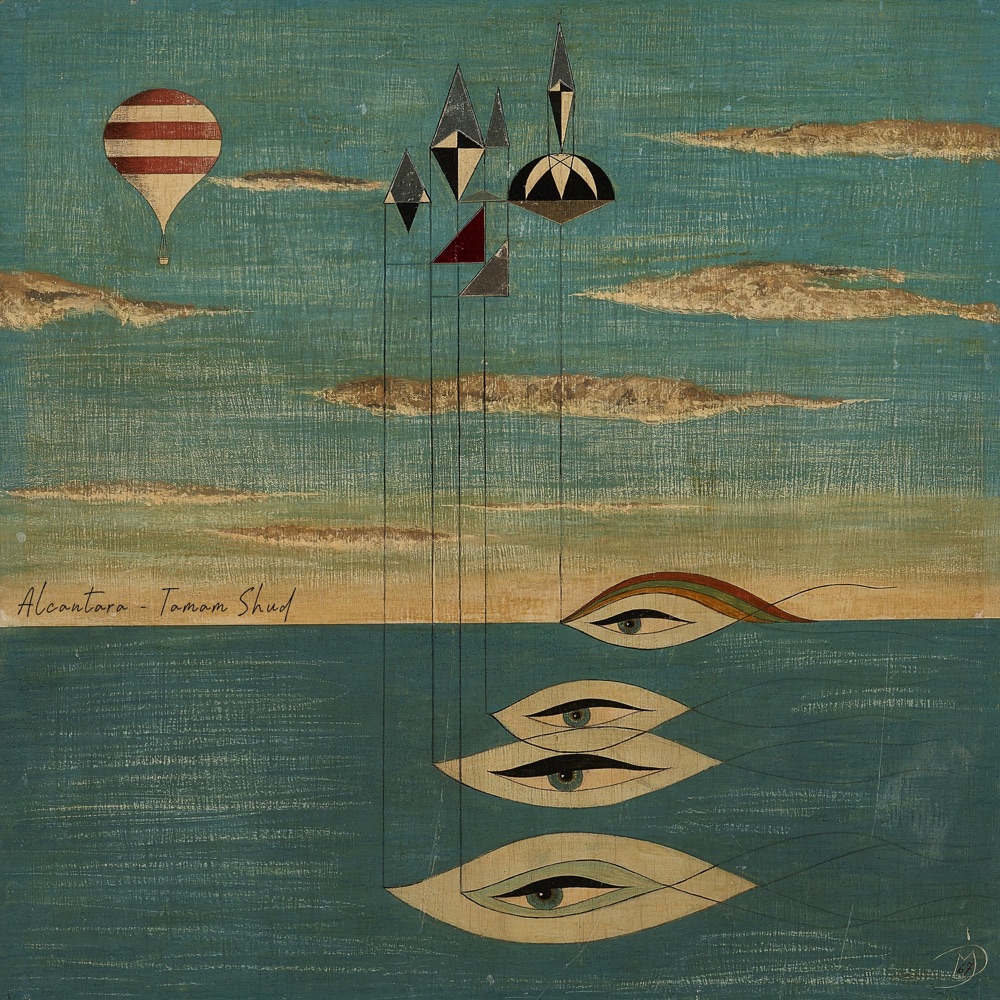
The second album by Sicily’s Alcantara: six tracks of Mediterranean space rock sung half in Italian and half in English, issued on vinyl first and only later on the platforms.
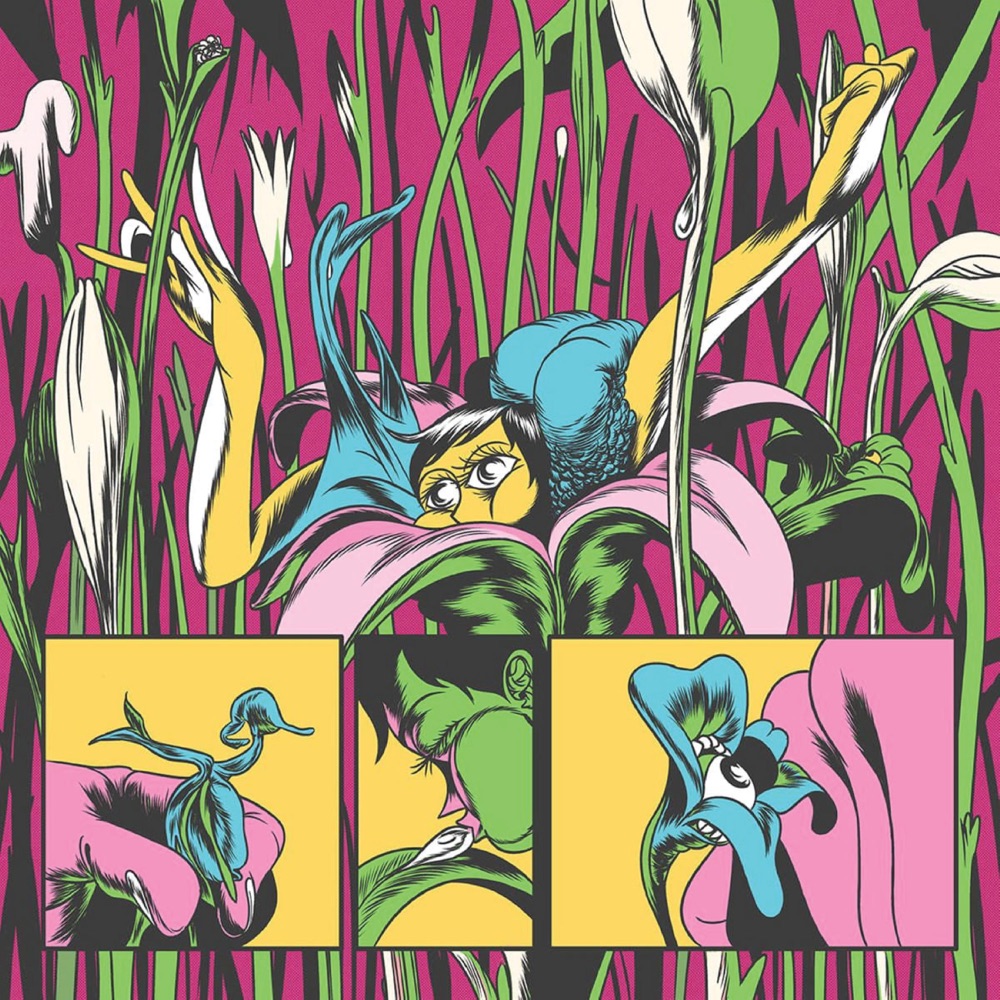
Nat Bergrin writes every note and leaves only bass and drums free: sixty-four minutes of chamber music with violin, two saxophones and a rock rhythm section.
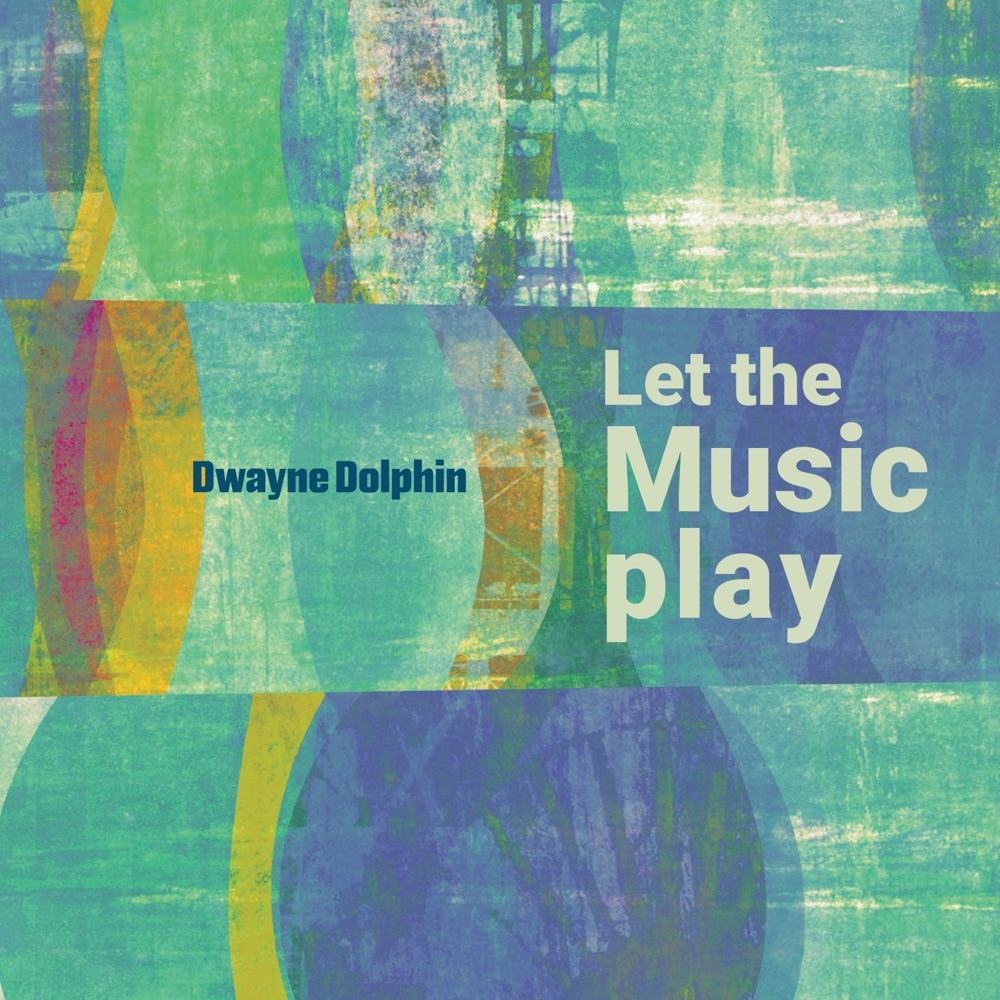
Pittsburgh bassist Dwayne Dolphin runs “Milestones”, “St. Thomas” and “Autumn Leaves” through Latin rhythms, with James Moore’s trumpet out front.
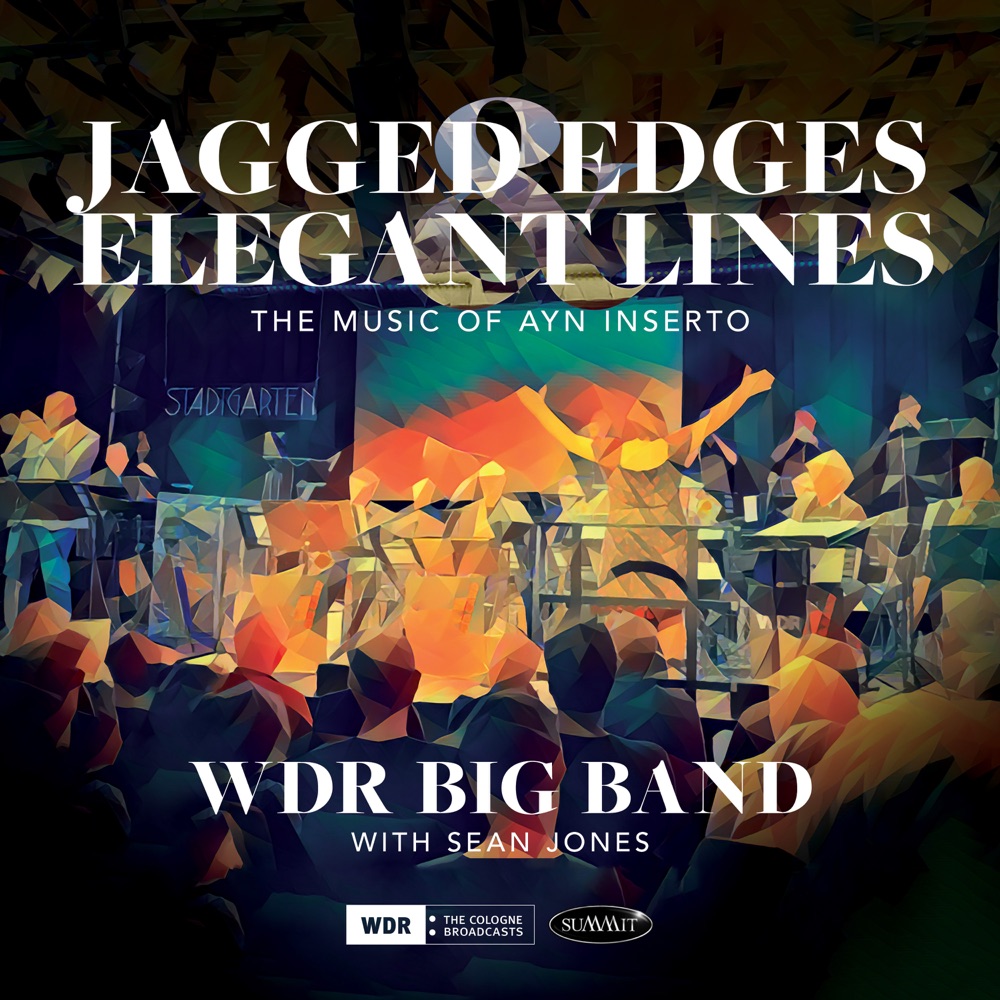
The WDR Big Band records a full programme of Ayn Inserto’s music, with a new twenty-two-minute suite for trumpeter Sean Jones in four movements.
Readers' survey
Rate up to 150 progressive rock, metal and jazz-fusion bands and get your personal ranking -- plus the Tótum readers' overall one.
I want to vote →