

Agnes Obel – The Meaning of Flowers
Six years, stated on the sleeve: written, recorded, arranged, produced and mixed by her alone in Berlin between 2020 and 2026. Nine guests play on it; none of them decides anything.
Six years, stated on the sleeve: written, recorded, arranged, produced and mixed by her alone in Berlin between 2020 and 2026. Nine guests play on it; none of them decides anything.
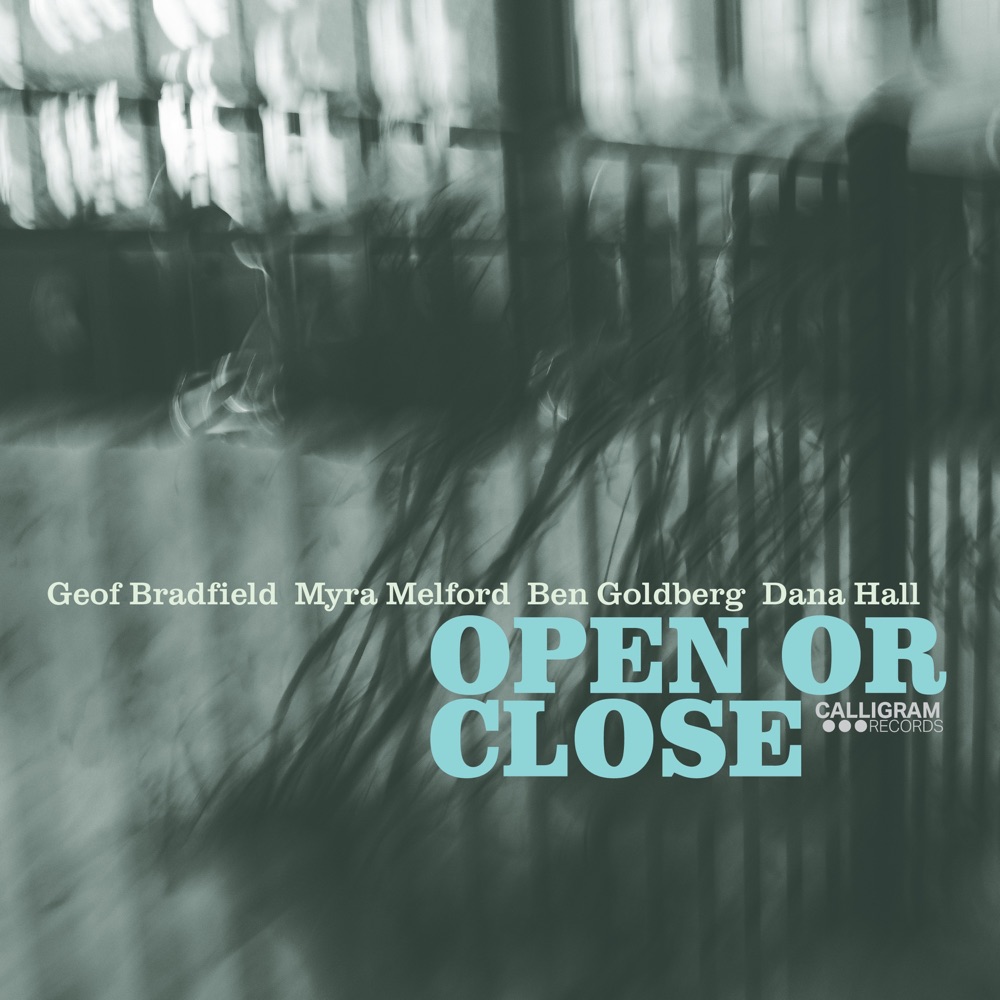
A quartet of two reed players, piano and drums with no bass, cut live at the Green Mill in Chicago. It opens on an Ornette Coleman tune Old and New Dreams recorded in 1979.
Two tenors alone, fifty-three unbroken minutes and no rhythm section. The continuity, though, is a construction: the sections were reordered after the session.

At ninety-one, Person records twelve standards with a sextet at Van Gelder Studio: three Ellingtons, a clarinet hit that topped the US charts and not one tune of his own.
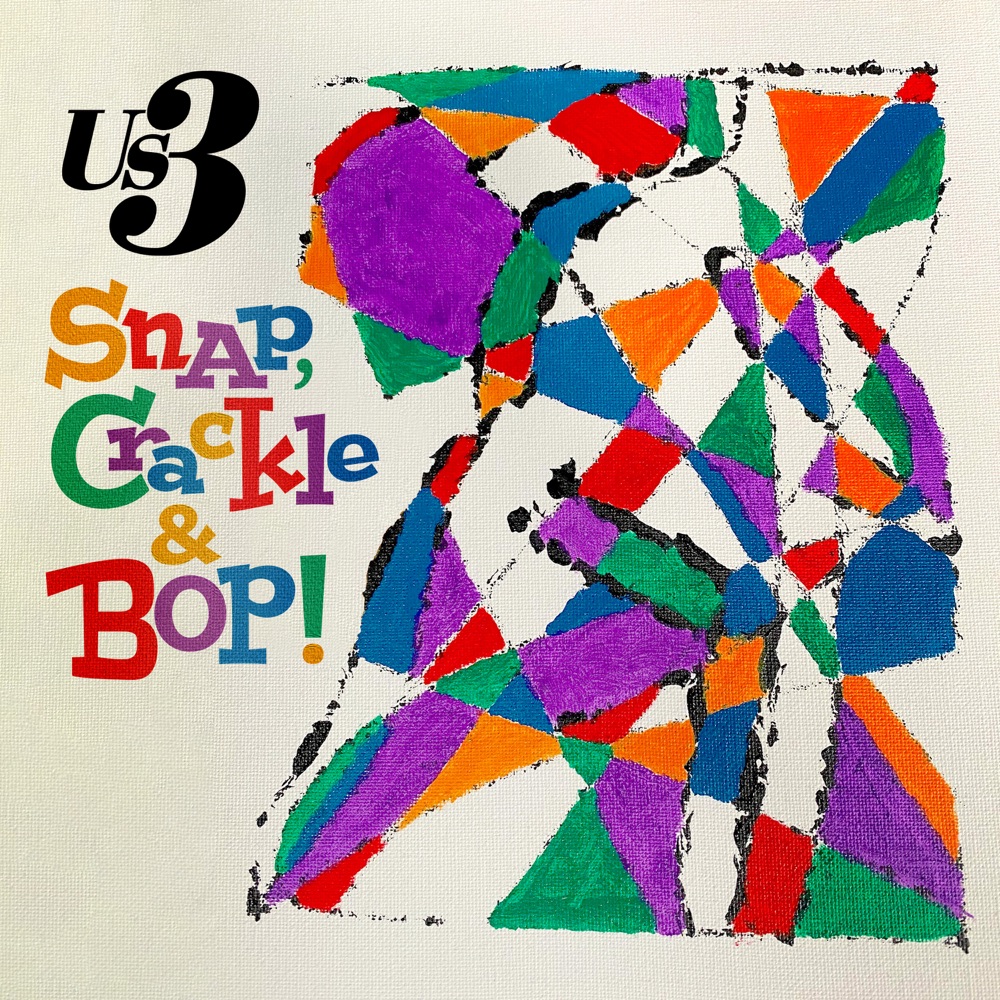
Thirty-three years after “Cantaloop”, Geoff Wilkinson puts MC Akil Dasan back on top of jazz-funk. The only two instrumentals are where the sax and the trumpet breathe.
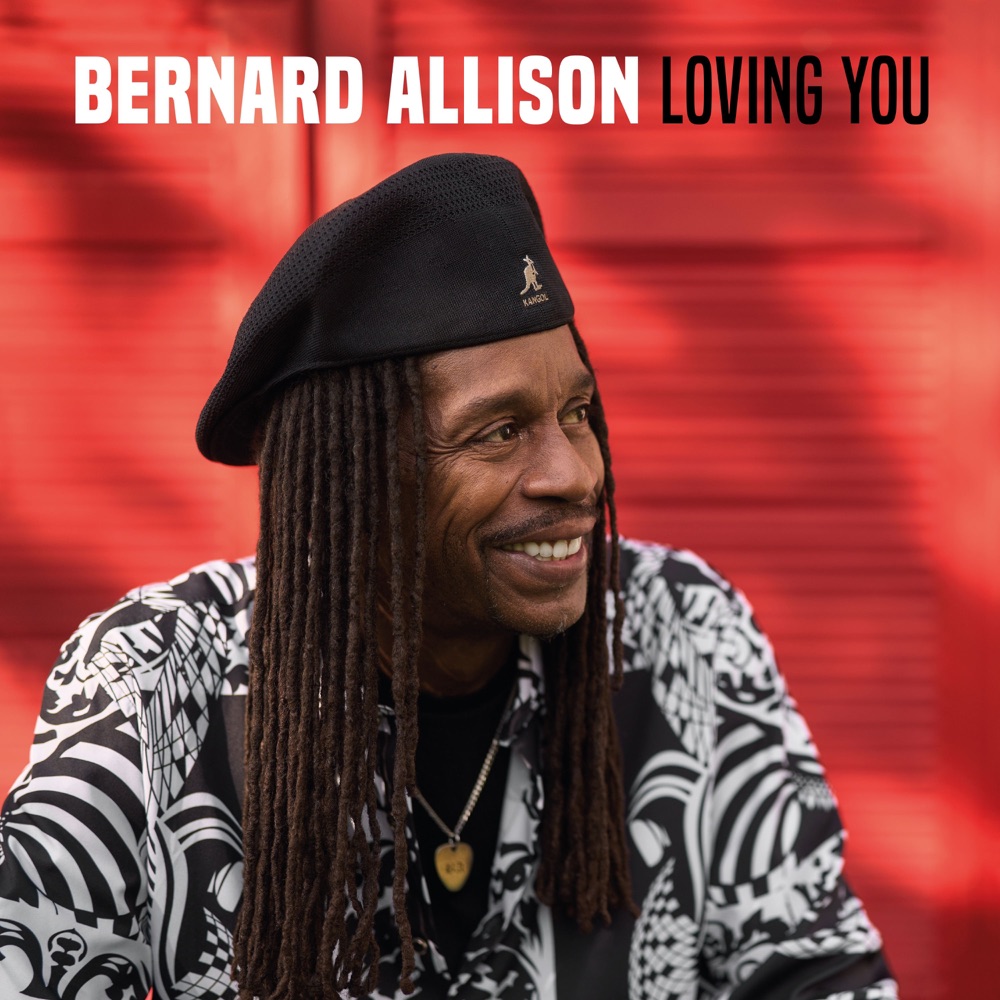
Seven originals and three covers, one of them his father Luther’s. The idea was to bring family and friends together, and it hands the second guitar to someone else on six of the ten tracks.
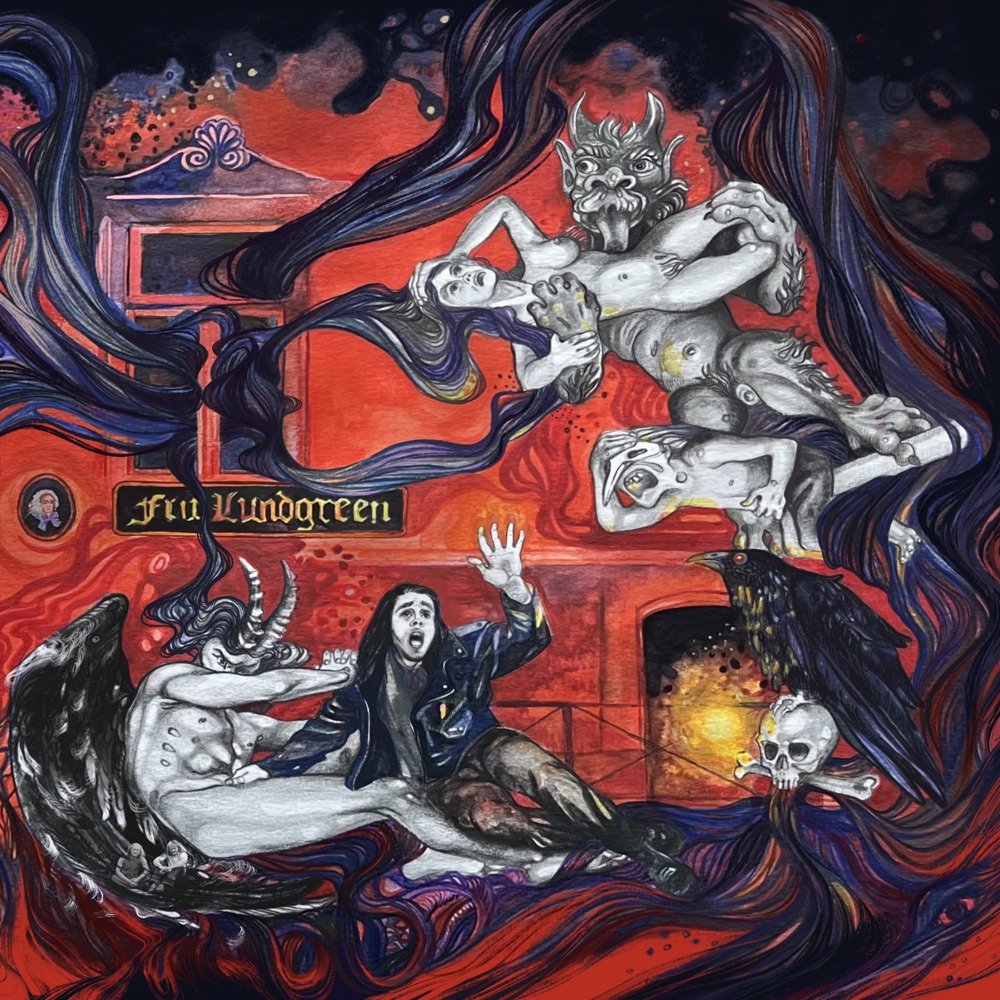
Karisma put it out on the day Stig Arve Kvam-Jørgensen would have turned fifty. Twelve digital tracks that the vinyl lists as four titles, and the two long pieces carry the grief.

Third solo record from The Samurai Of Prog’s drummer: eleven tracks of symphonic crossover, with eleven guests and four different lead singers.
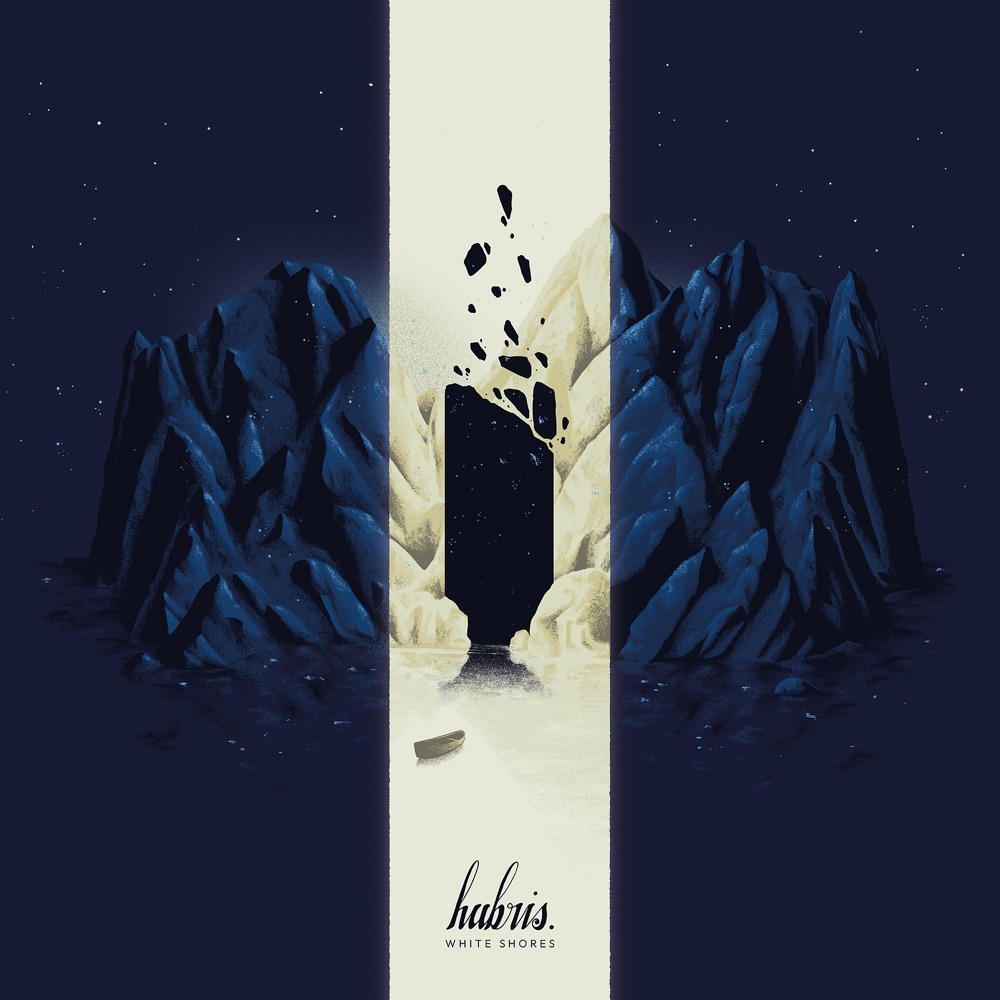
The six titles on this Fribourg quartet’s fourth album spell out a line of Gandalf’s. The post-rock holding it up is impeccable and almost never surprises.
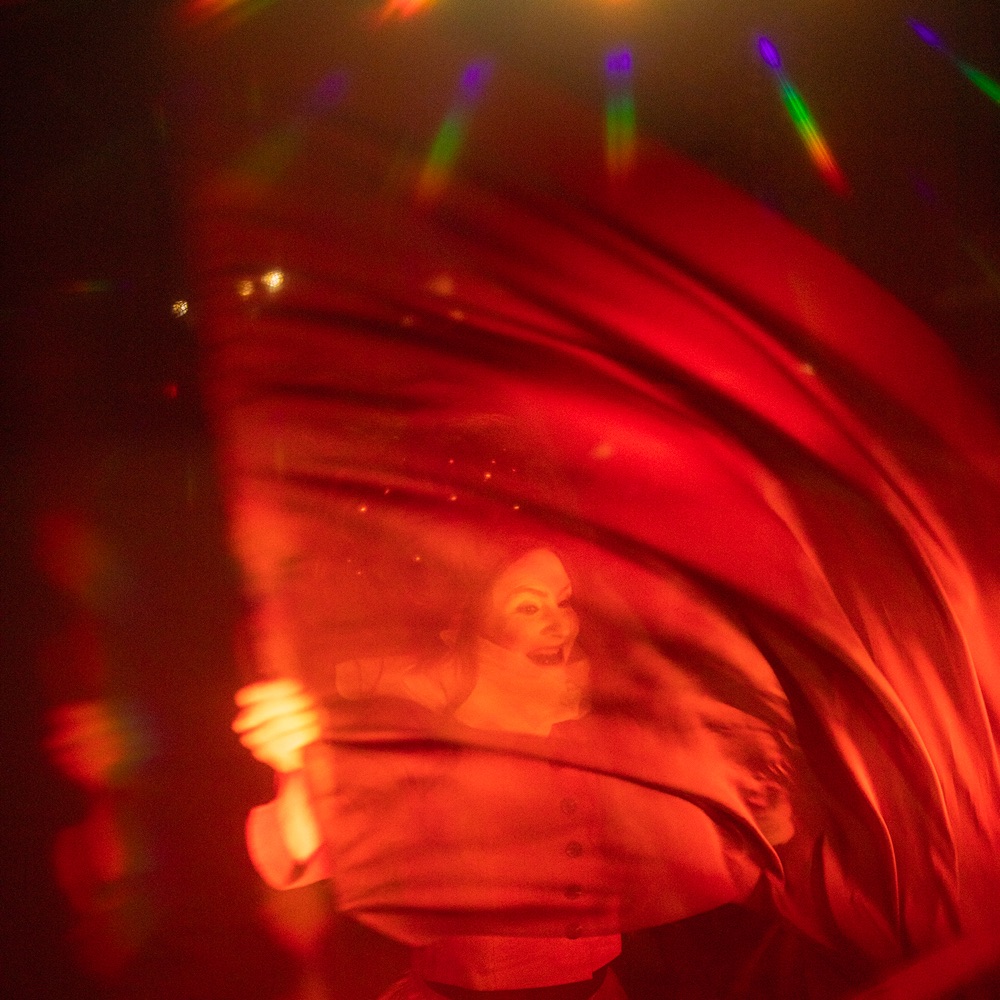
Rundle’s first record with a band since “Engine of Hell”. She puts it out on her own imprint, Errant Child, and she does not play the solo on the opening song.
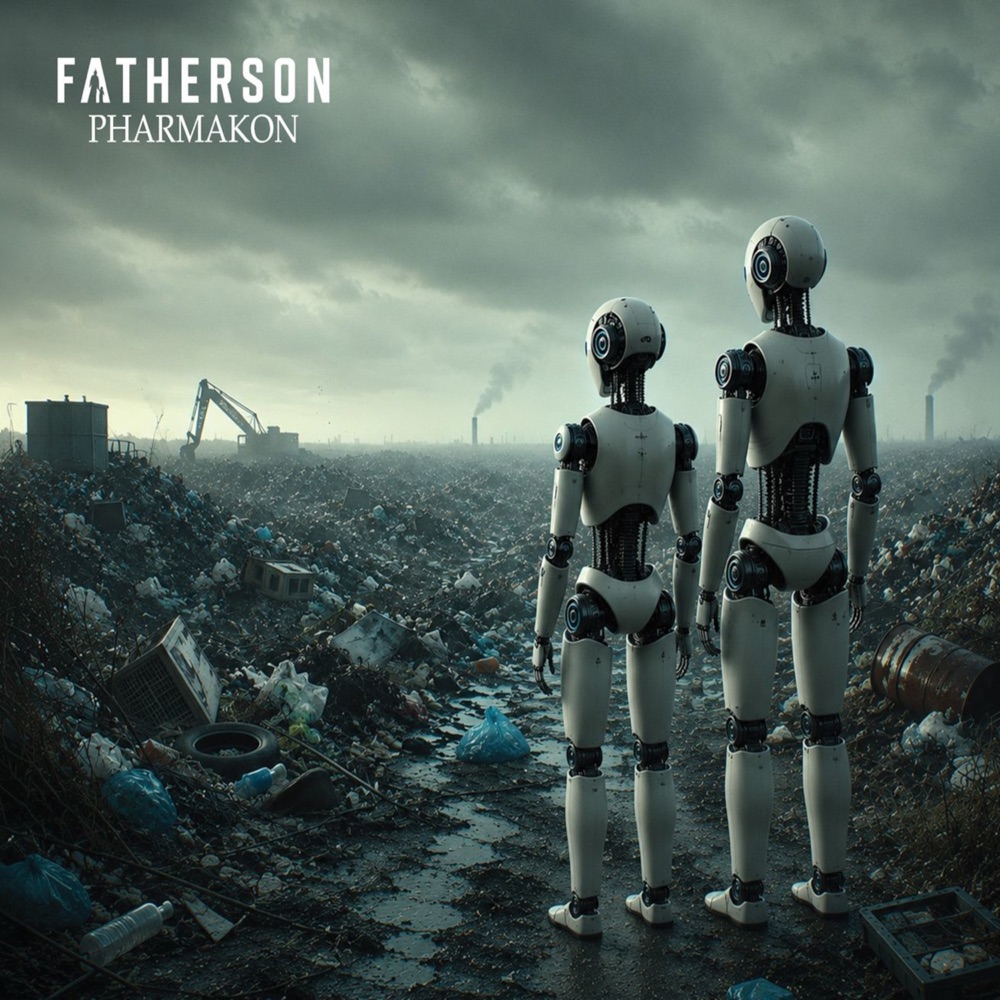
Second album from father and son Kramarski: pop-rooted neo-prog about the technology that cures and poisons, and the first one with a flesh-and-blood drummer on it.
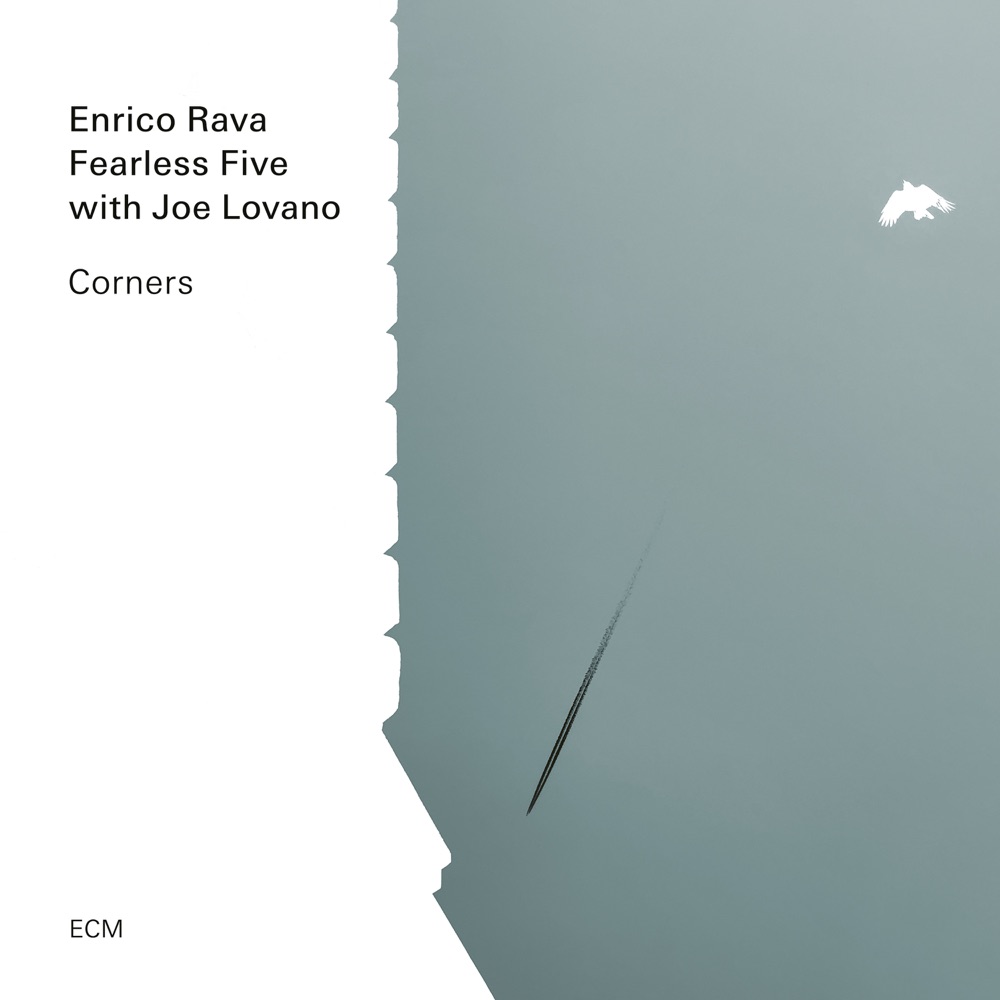
Rava turned eighty-seven in August and opens the record with eleven minutes of a piece he first recorded in 1998. All six of them write, and Lovano brings the tárogató.
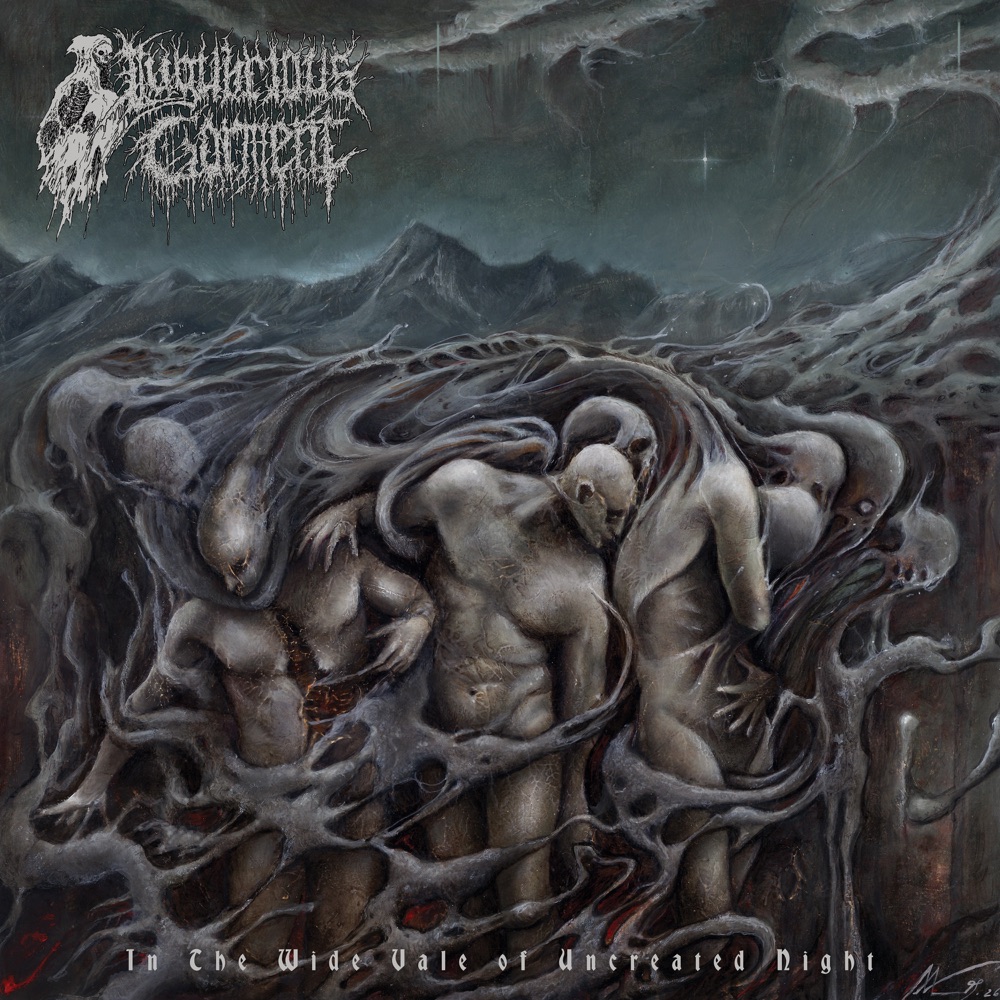
Gabriele Gramaglia opens a new project on 20 Buck Spin for death metal coarser than Cosmic Putrefaction’s, then ends the first track with a violin and a viola.
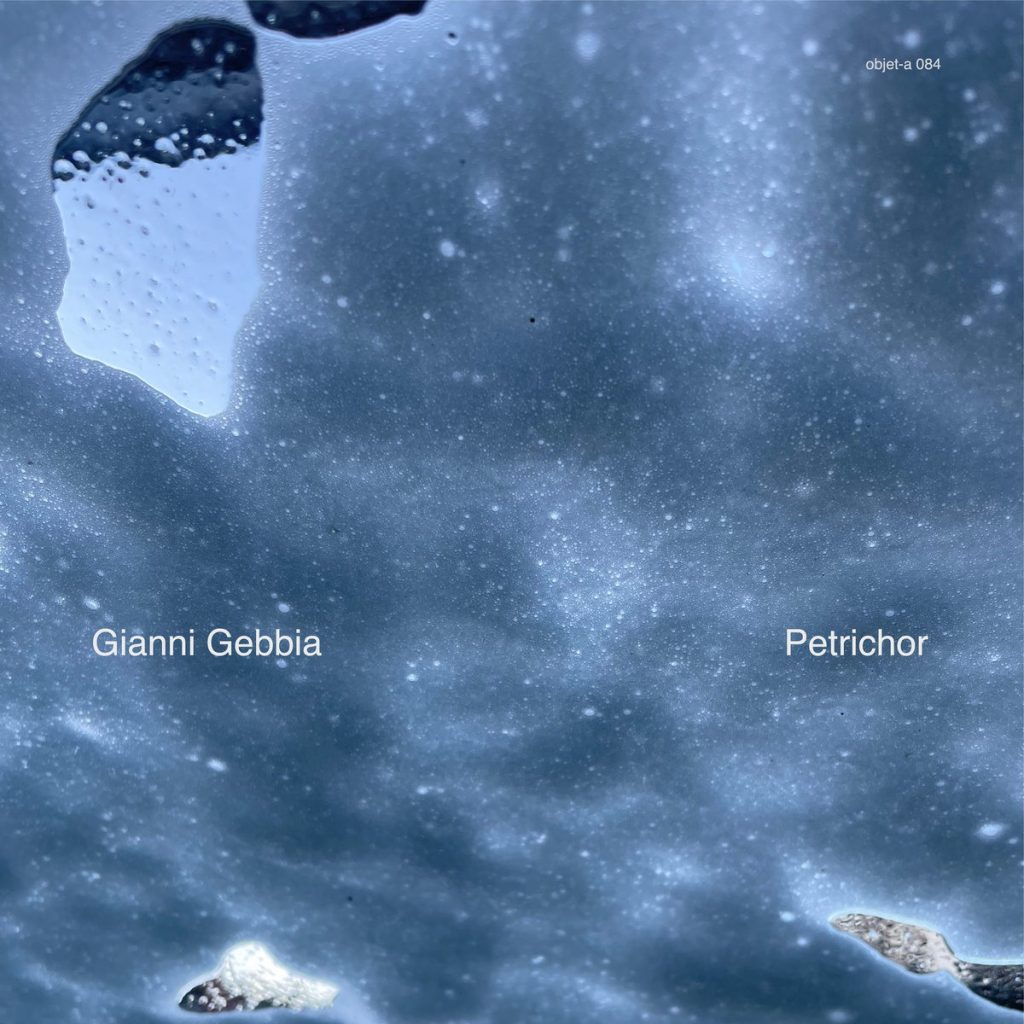
Twelve miniatures for bansuri flute and electronics, and then a piece of almost eleven minutes dedicated to Marian Zazeela that the record files as a bonus track.
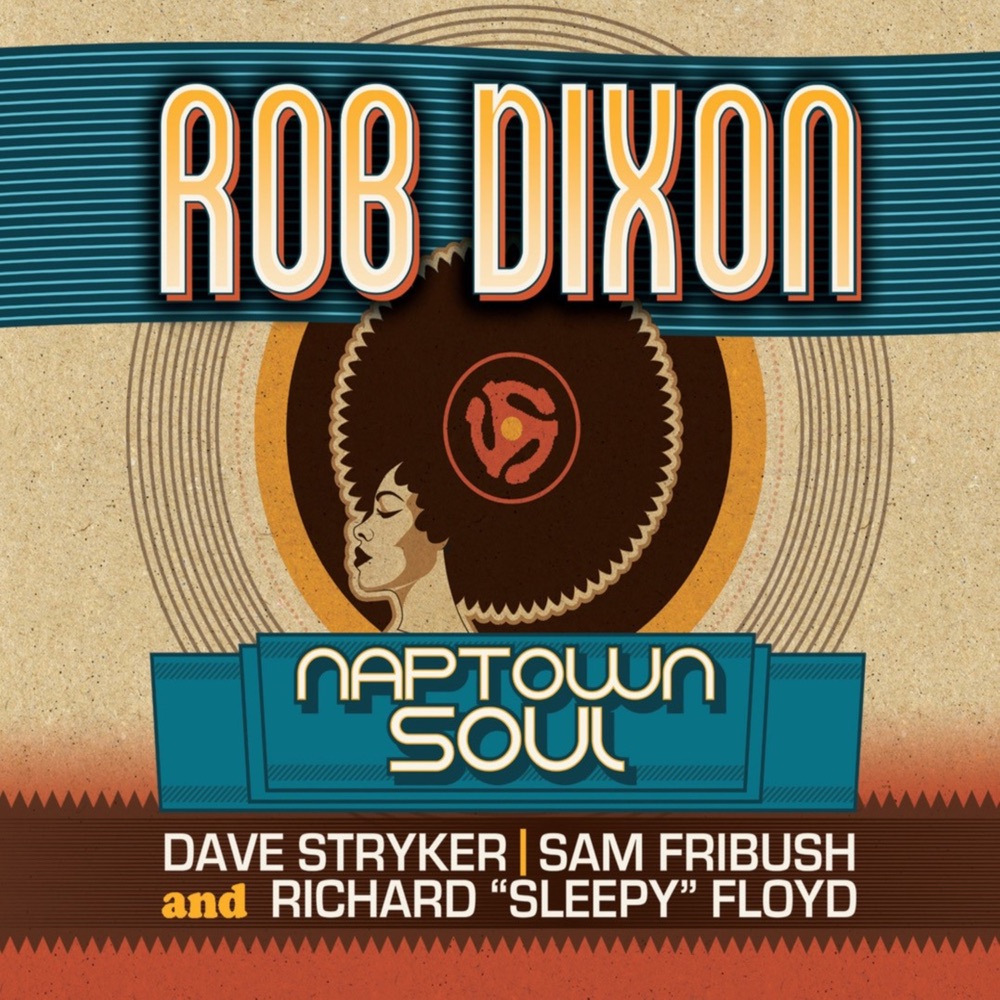
Eight tracks of jazz funk with Hammond organ and guitar, cut by a saxophonist paying tribute to Indianapolis with two Wes Montgomery themes along the way.
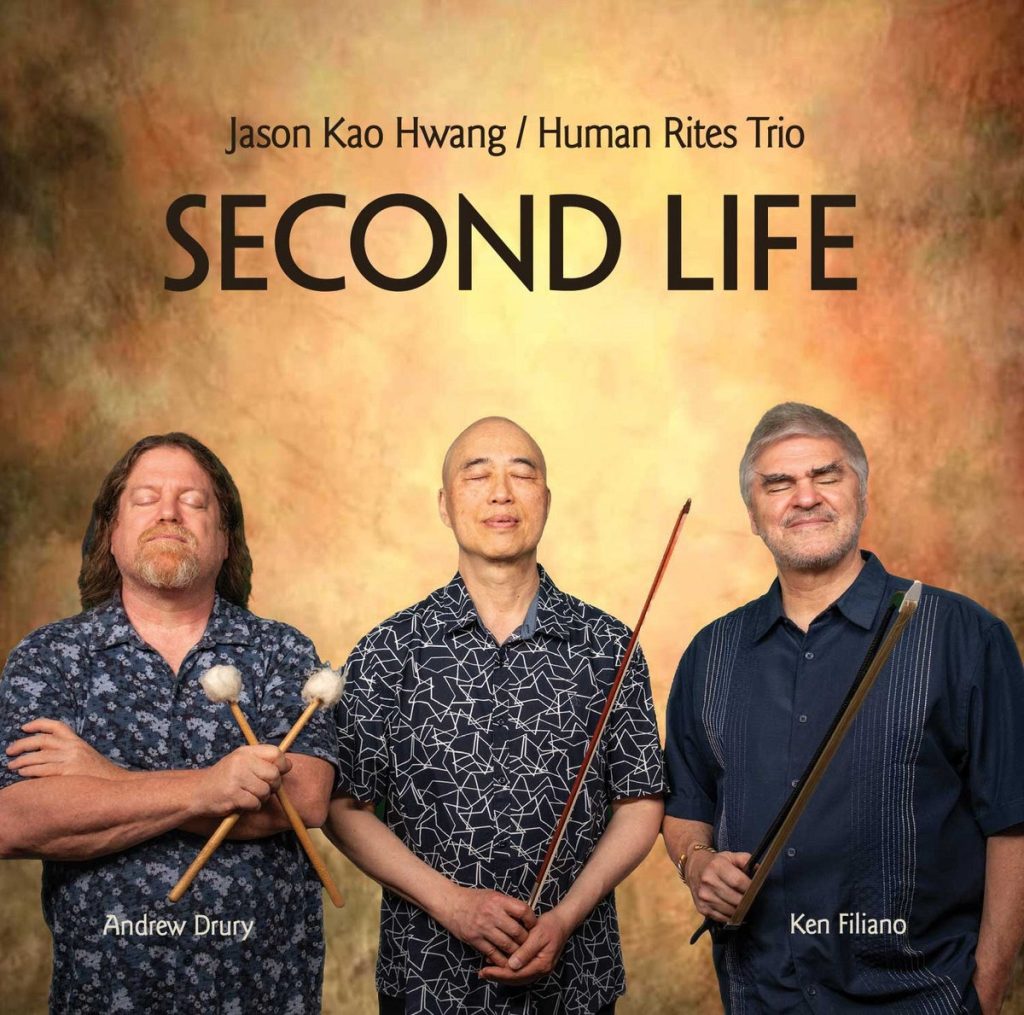
Four long pieces for violin, double bass and a drum kit that takes in oyster shells, a bronze gear and the cover plate off a kitchen tap. Recorded in 2024 and released now.
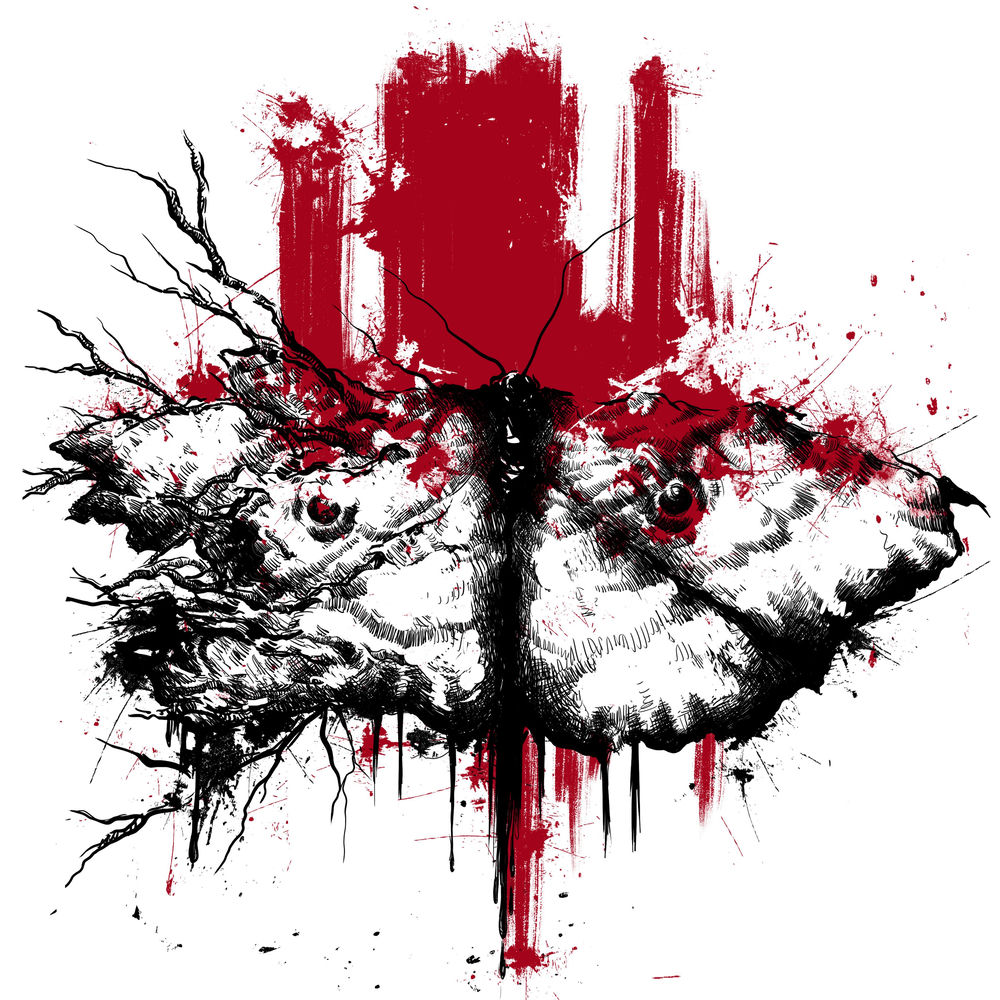
Debut from an Amsterdam quartet that opens with eleven and a half minutes and closes with seven. Zemfira Baghirova’s voice is the hinge between the sung and the roared.
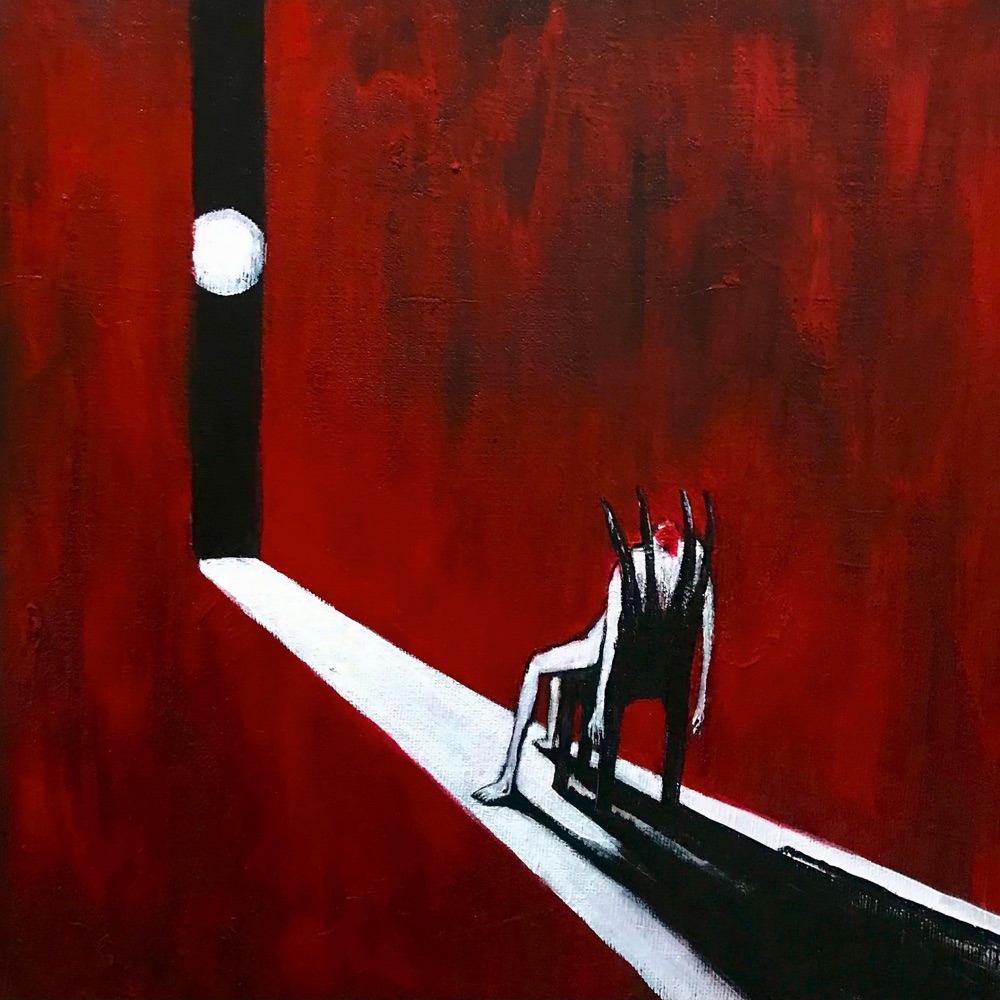
Twenty-six minutes, five tracks and no bassist of their own: Haken arrive with a single guitarist, two guest bass players and three short pieces at the centre of the record.
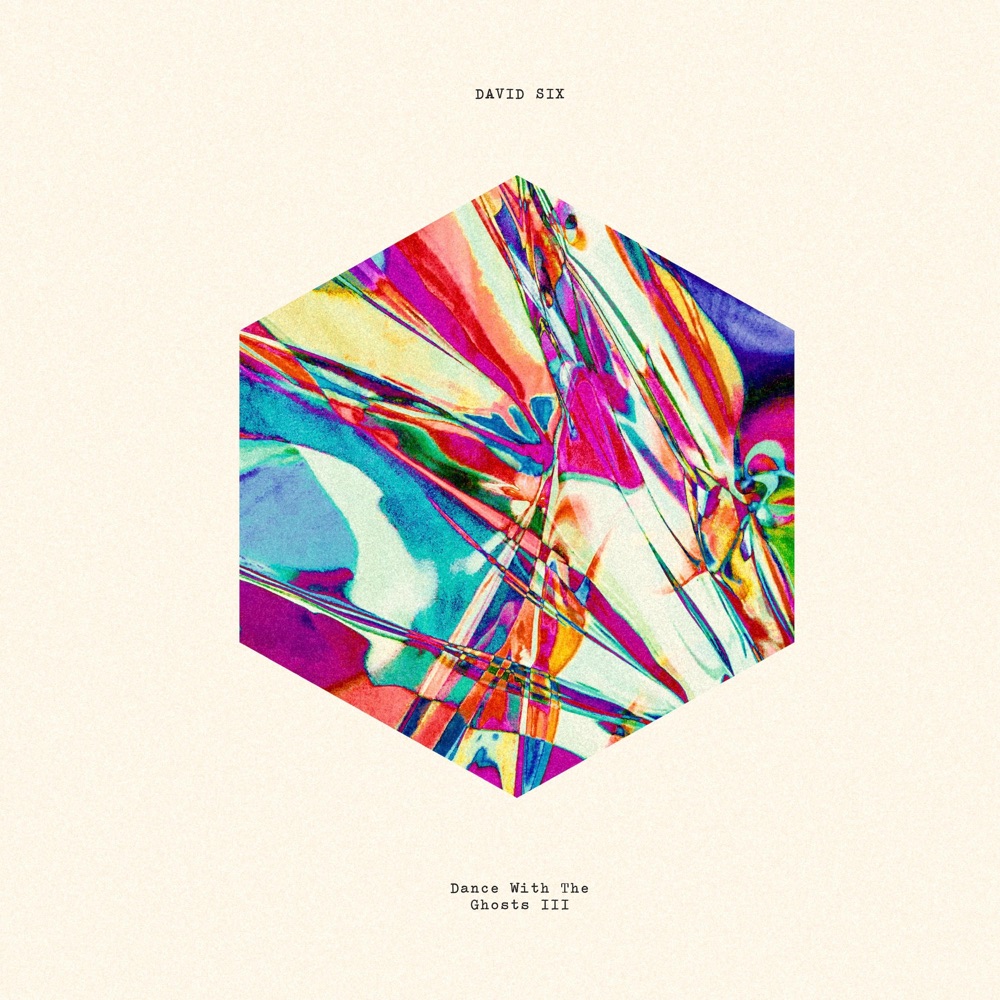
The close of a trilogy that began at the Moria refugee camp. Six pieces for one to three musicians, and the composer does not always play on them.
Seven piano trio compositions recorded in Tokyo in 2017 and released nine years later. The pieces save their energy for the descent, not for the summit.

Five tracks and twenty-three minutes of Italian math rock with luchador masks, processed violin and African polyrhythms. One of the voices on the record belongs to nobody.
Eleven guitar and guitar-synth instrumentals signed by a Denver musician with forty years of craft behind him. The record never credits whoever keeps time, and somebody does.
Sixth album from the Denver quartet: nine opening minutes that travel from opera to blast beat without a visible seam, and a mix that floods everything with reverb.
The Ocean’s twelfth album, with four of the seven core musicians newly arrived. It opens and closes on celesta, and the label admits it wanted to sound recognisable.
Two pianos recorded live in Leibnitz in 2024, seventeen years after the only duo session they had recorded. They do not say who is in which channel: they swapped instruments during the concert.
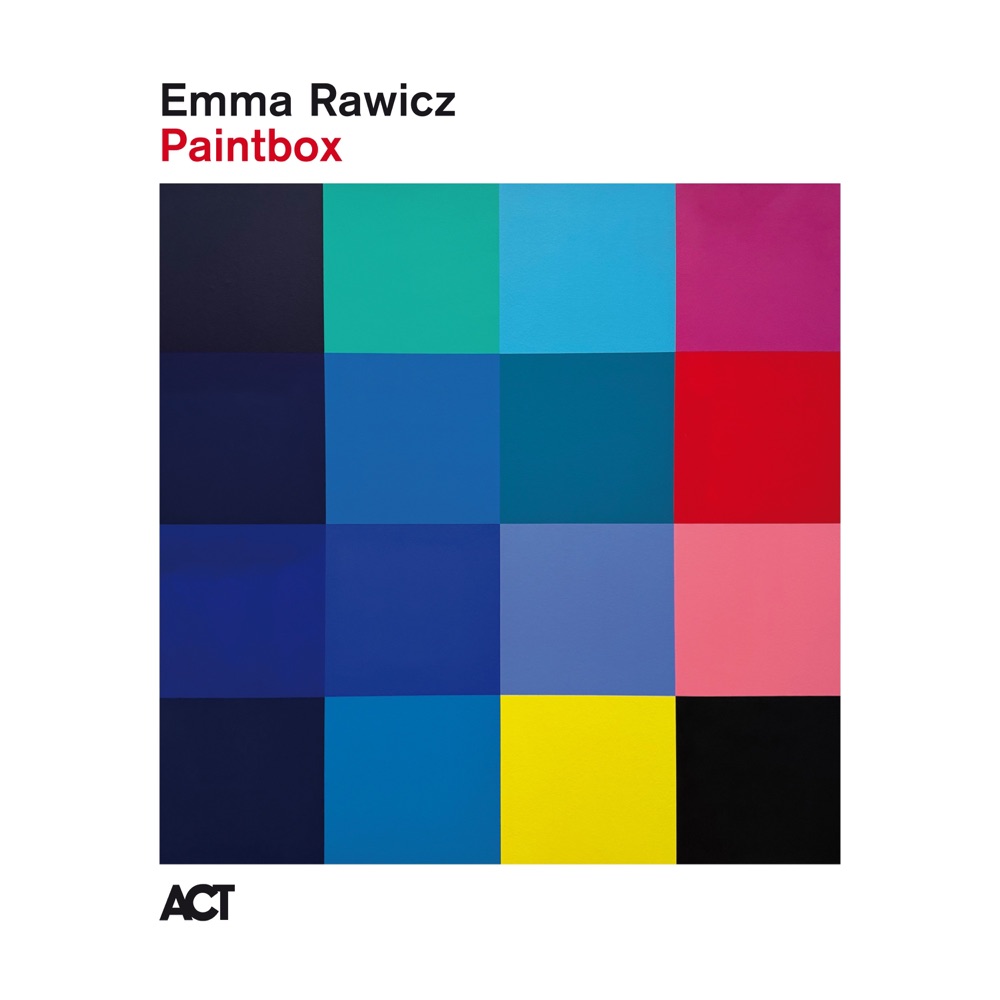
The British saxophonist’s fifth album runs 49:57 on vinyl and 29:30 on streaming: three tracks, the closer among them, exist only if you buy the record. The decision is the record.
Four tracks and twenty-three minutes of death metal and thrash by four friends from the south of England who started out playing covers. Not one track comes in under four and three quarter minutes.
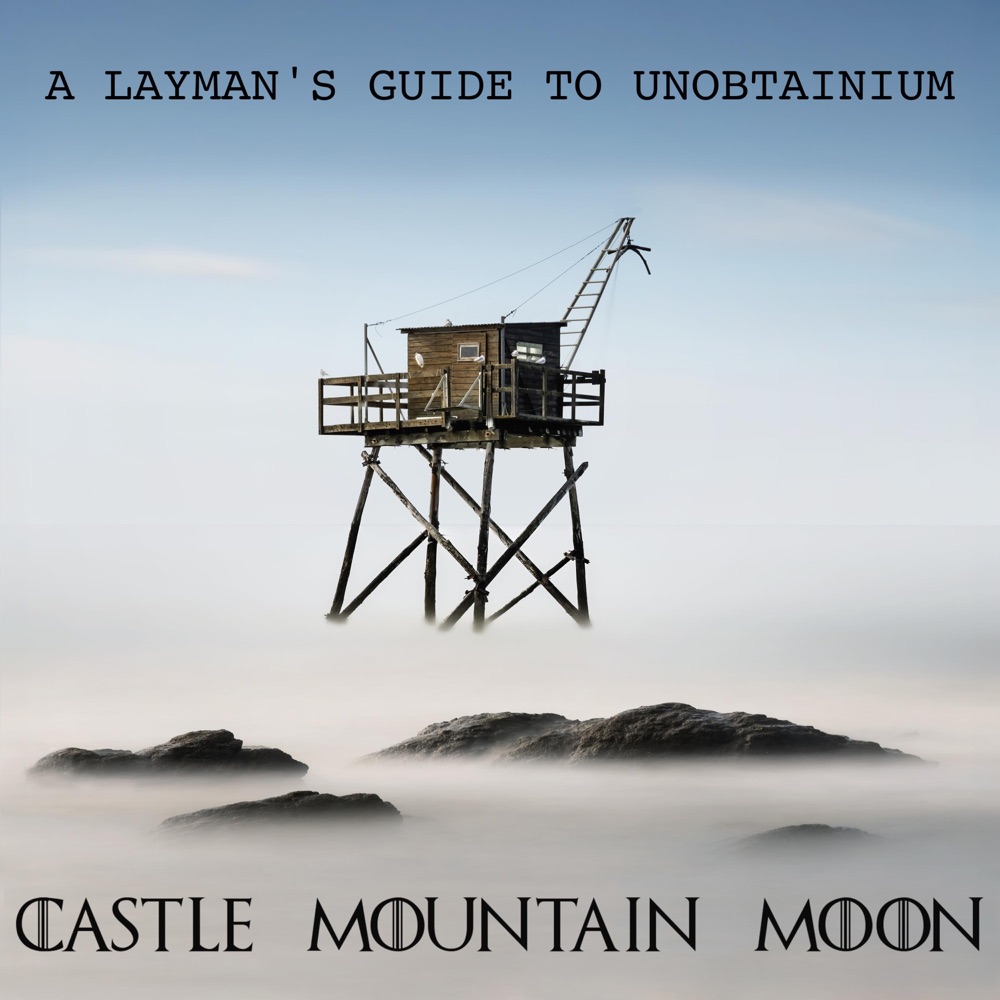
Eleven tracks and sixty-four minutes from a Cologne duo who came out of software: a record about maps that never lets you get lost, and that is both its merit and its limit.
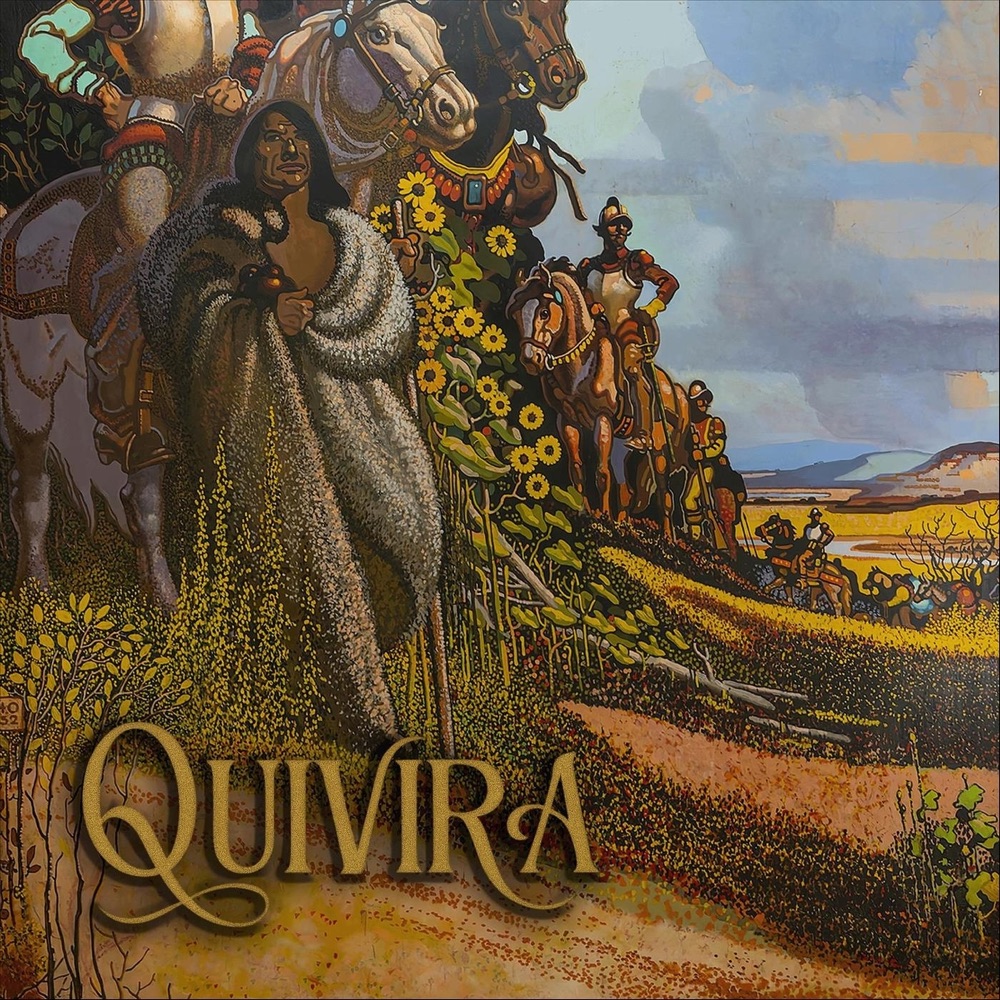
Eleven tracks and sixty-six minutes of symphonic prog from Topeka. The violin that brings them close to Kansas comes from the keyboards on ten of the eleven, and the guest who really plays one goes almost unnoticed.
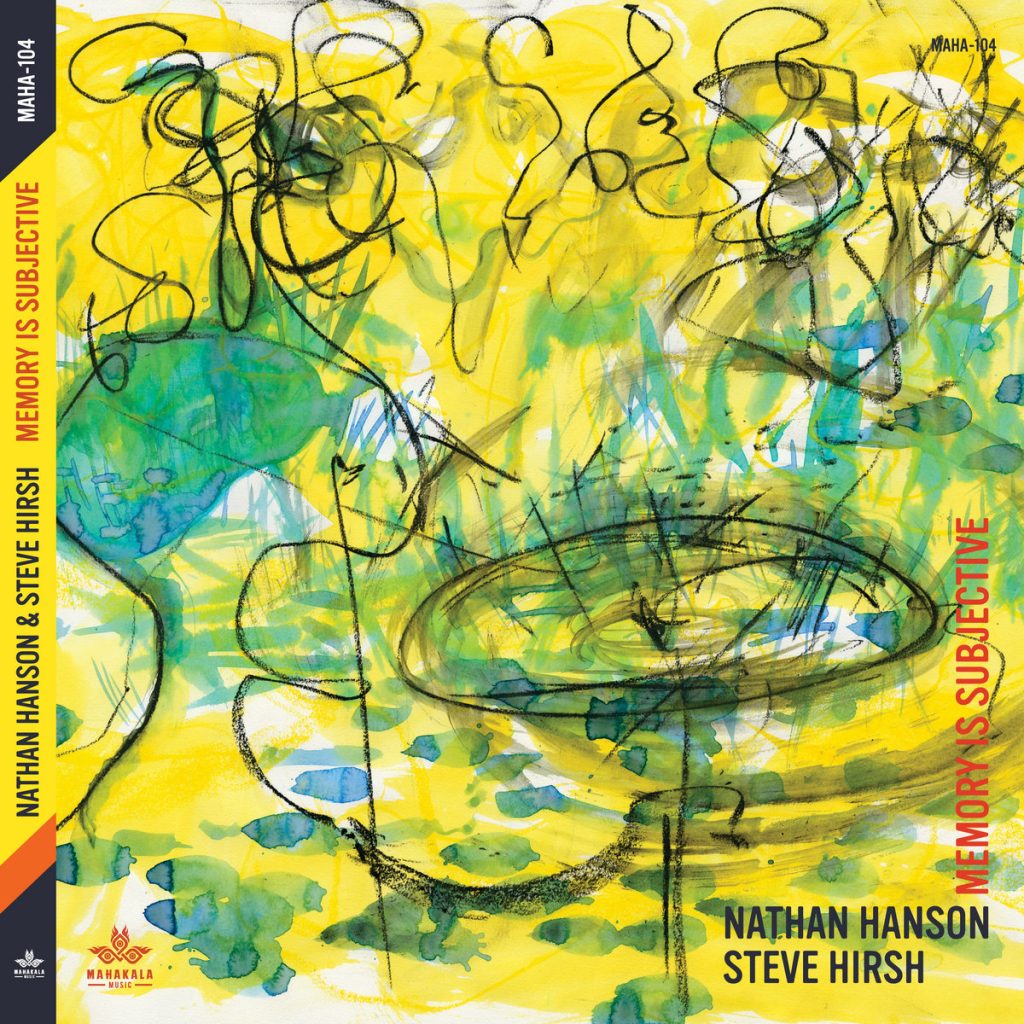
Three improvisations recorded in a single night in Sandstone, Minnesota: a sax-and-drums duo that refuses the combat the format is built on, gaining attention and losing contrast.
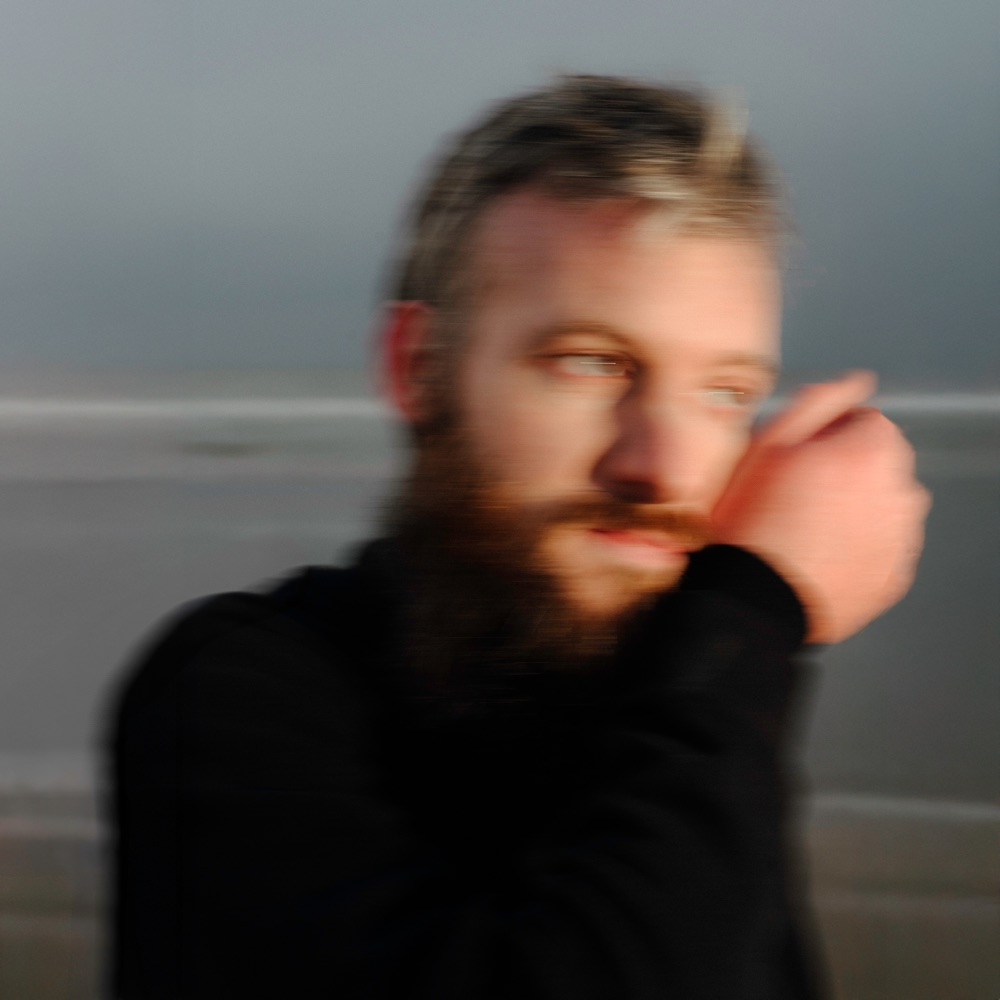
The British saxophonist’s fourth album was written in a windowless Amsterdam basement, and its best moment is the alto crossing paths with Bernard van Rossum’s tenor.
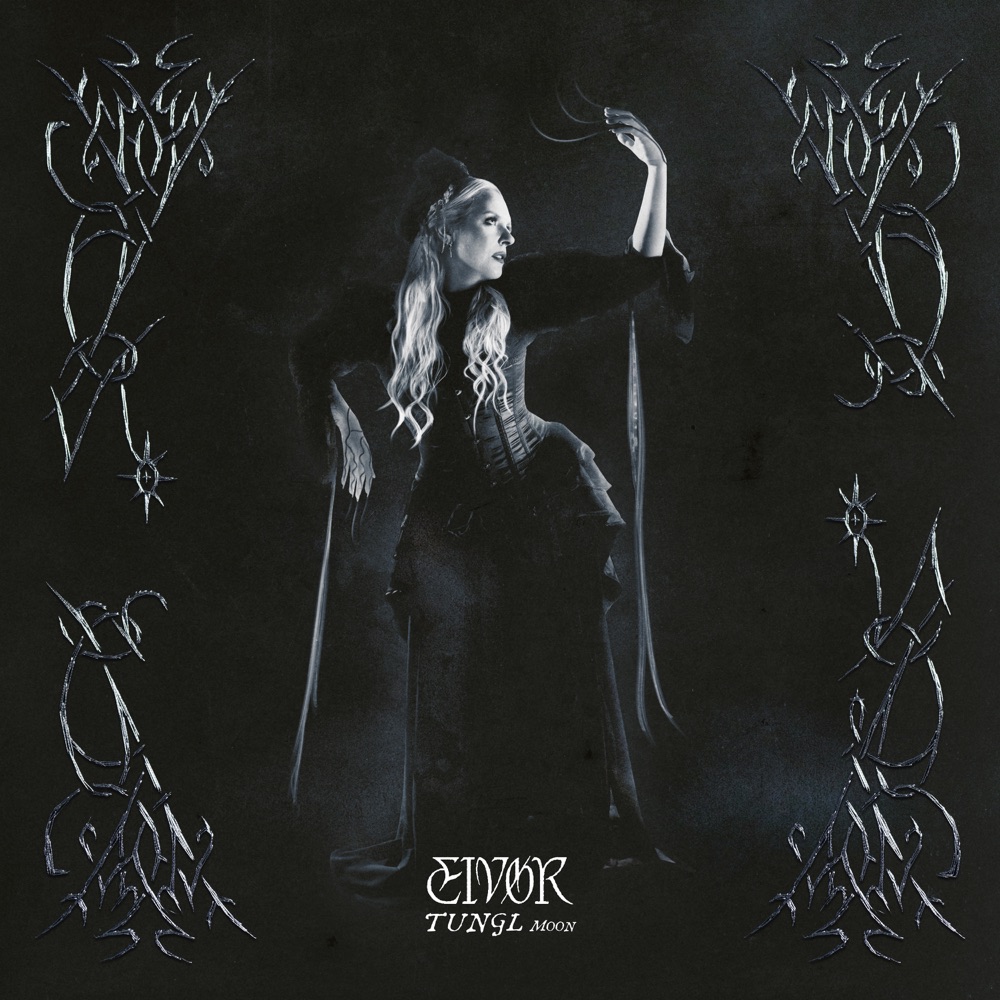
Ten tracks in Faroese and English for Eivør’s first album on Nuclear Blast: the newest gesture on it, the throat singing with her sister Elinborg, is on the shortest track of the record.
Seven tracks and forty-seven minutes of post-metal from Richmond: the only one where they switch the distortion off runs three and a half minutes, and the record uses it as a pause when it could have been a way forward.
Forty-one unbroken minutes recorded at OUT.FEST in Barreiro: David Maranha’s electric organ and Rodrigo Amado’s tenor, two years after “Wrecks”.
Six tracks and thirty-five minutes recorded between Amsterdam and Puerto Rico: bomba, plena and batá run through synthesizers and field recordings, two and a half years after “MESTIZX”.
Eight tracks and fifty-two minutes from Kamil Konieczniak’s project, who plays almost everything: Polish neo-prog seven years after “Travel Within”, with two guest voices and none of its own.
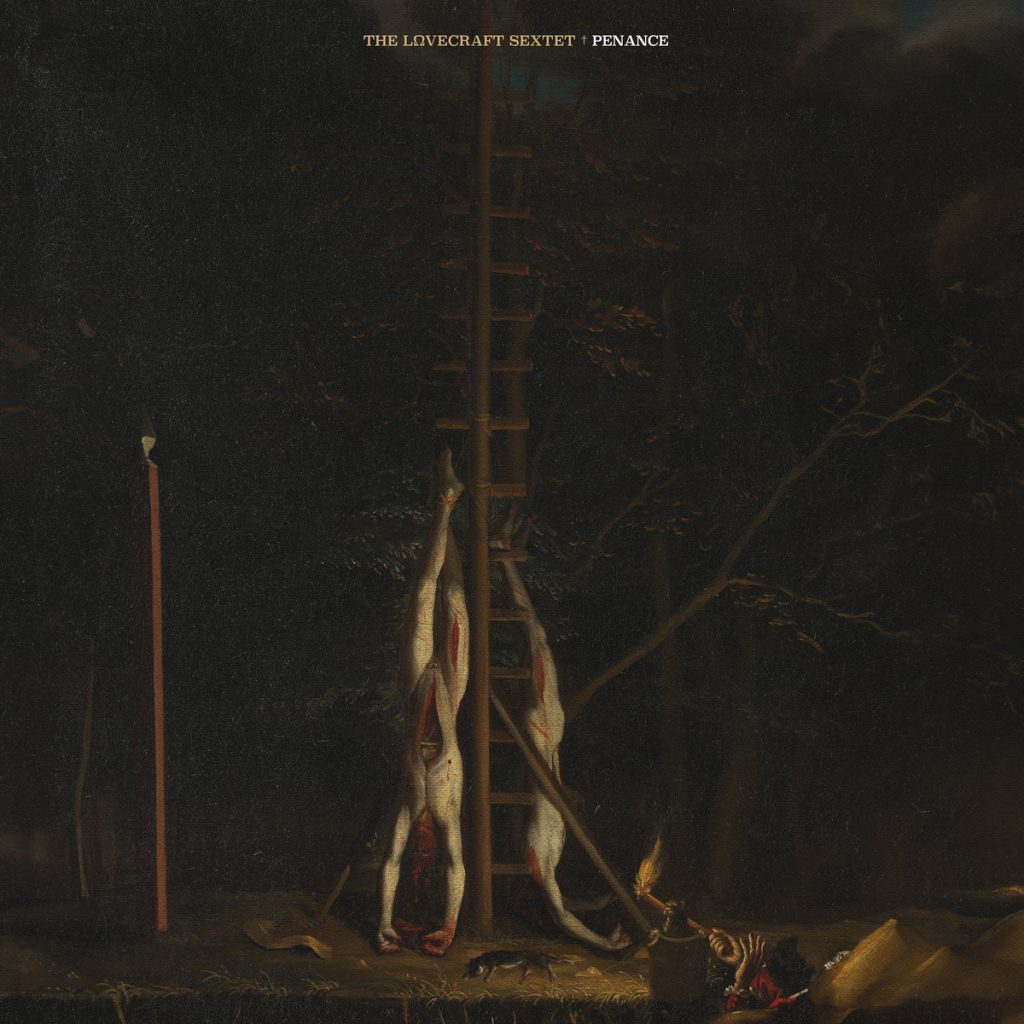
Thirty-eight minutes of darkjazz and black metal from Jason Köhnen, with Colin Webster’s saxophone and Lilian Tong’s soprano, built around the De Witt brothers painting in the Rijksmuseum.
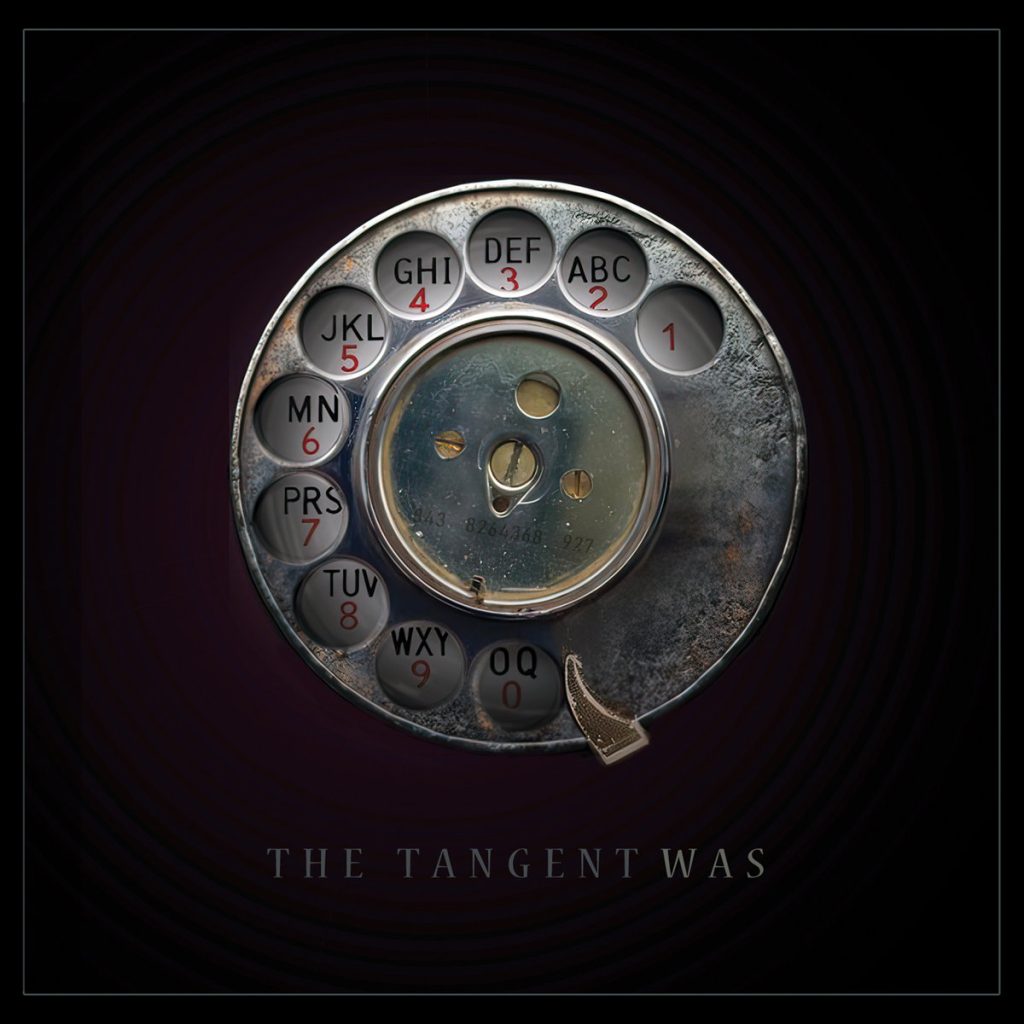
Two discs and a hundred minutes telling the same childhood twice: once with lyrics and once as an instrumental suite, with The Nice’s “Five Bridges” as its starting point.
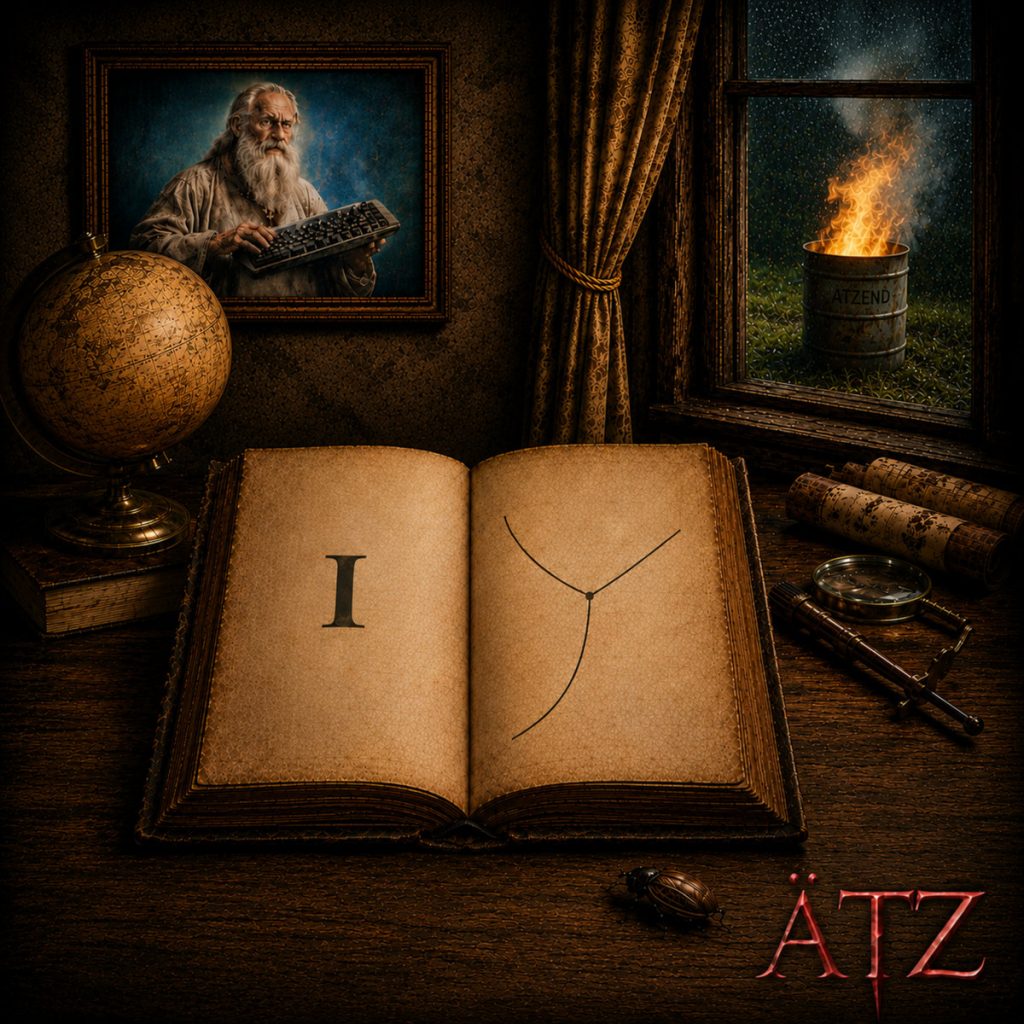
Six tracks and sixty-two minutes made entirely in one room in Cagliari: ÄTZ’s debut ends in a twenty-five-minute suite of three dances.
Ten originals from the Australian saxophonist based in New York, a quartet that widens to eight on four tracks, and a line from Wayne Shorter behind all of it.
Readers' survey
Rate up to 150 progressive rock, metal and jazz-fusion bands and get your personal ranking -- plus the Tótum readers' overall one.
I want to vote →