
Metamorfosi
Metamorfosi, the Roman progressive rock band with Jimmy Spitaleri and Enrico Olivieri, authors of …E fu il sesto giorno (1972) and Inferno (1973), re-formed in the 1990s.
Les novetats, cròniques, entrevistes i concerts de rock progressiu —rock progresivo, en castellà—, en català: des dels grans clàssics fins a les bandes que avui construeixen obres extenses i ambicioses, amb capes de so i estructures que trenquen el format cancó. Tótum Revolútum Press hi dedica seguiment i cobertura des del 2015.
Metamorfosi, the Roman progressive rock band with Jimmy Spitaleri and Enrico Olivieri, authors of …E fu il sesto giorno (1972) and Inferno (1973), re-formed in the 1990s.
Alphataurus, the Milanese progressive rock band formed in 1970, authors of the self-titled debut album of 1973 and reunited in 2010 after more than thirty years.
Maxophone, the Milanese progressive rock band formed in 1973 that debuted with Maxophone (1975) and returned in 2008 to release La fabbrica delle nuvole (2017).
Delirium, the Genoese progressive rock band where Ivano Fossati began, known for the song “Jesahel”, presented at the 1972 Sanremo Festival.
Il Rovescio della Medaglia, the Roman progressive rock band formed in 1970, authors of La Bibbia (1971) and Contaminazione (1973), who disbanded in 1976 and re-formed in the early 1990s.
Saga, the progressive rock band from Oakville (Canada) formed in 1977, with Michael Sadler on vocals and brothers Ian and Jim Crichton, who have released 22 studio albums between 1978 and 2021.
Agitation Free, the Berlin krautrock band formed in 1967, authors of Malesch (1972) and 2nd (1973), who re-formed in the late 1990s and released Momentum in 2023.
Karthago, the Berlin progressive rock and krautrock band formed in 1970, authors of Second Step (1973), who reunited in 2003 with Joey Albrecht on guitar and Ingo Bischof on keyboards.
Frumpy, the Hamburg band formed in 1969 around the voice of Inga Rumpf and the organ of Jean-Jacques Kravetz, who released three studio albums between 1970 and 1972 and returned with Now! in 1990.
Birth Control, the Berlin band that blends krautrock, hard rock and progressive rock, as heard on Operation (1971) and Hoodoo Man (1972), and that reorganised in 2016 after drummer Bernd Noske died in 2014.
Triumvirat, the Cologne band formed in 1969 by Jürgen Fritz, Hans Bathelt and Werner Frangenberg, who released seven studio albums between 1972 and 1980, among them Illusions on a Double Dimple (1974) and Spartacus (1975).
Kraftwerk, the electronic band from Düsseldorf founded in 1970 by Ralf Hütter and Florian Schneider, authors of the albums Autobahn (1974) and Trans-Europe Express (1977).
Fruupp, the Belfast band that guitarist Vincent McCusker brought together in 1971 and that released four albums on the Dawn label between 1973 and 1975 before disbanding in late 1976.
East of Eden, the Bristol band formed in 1967 with violin, flute and saxophones, who released Mercator Projected in 1969 and reunited between 1996 and 2005 with three of their main members.
Rare Bird, the British progressive rock band formed in 1969 by keyboardists Graham Field and David Kaffinetti, who released five studio albums between 1969 and 1974 and disbanded in 1975.
Pavlov’s Dog, the Saint Louis band formed in 1972 around singer David Surkamp, who released Pampered Menial in 1975; Surkamp, singer and guitarist, died on 13 October 2026.
Atomic Rooster, the British band founded in 1969 by keyboardist Vincent Crane and drummer Carl Palmer, which disbanded in 1975, returned in 1980 and was re-formed in 2016; in 2025 it released Circle the Sun.
Wishbone Ash, the band from Torquay formed in 1969 with two lead guitarists, who released Argus in 1972 and remain active with Andy Powell as the only founding member.
Hawkwind, the space rock band from London formed in 1969 around Dave Brock, authors of the live album Space Ritual (1973) and still active.
Nektar is a progressive rock band formed in Hamburg in 1969 by English musicians, known for albums such as Journey to the Centre of the Eye (1971) and Remember the Future (1973) and for its live light effects.
Greenslade is a British band formed in London in 1972 by keyboardist Dave Greenslade and bassist Tony Reeves, both formerly of Colosseum, who released four studio albums between 1973 and 1975.
Steve Hillage is a British guitarist, a member of Gong in the mid-1970s and author of solo albums such as Fish Rising (1975) and L (1976), who is also a co-founder of the electronic project System 7.
Kevin Ayers was a British singer and songwriter, a founding member of Soft Machine, who released the solo album Joy of a Toy (1969) and died on 18 February 2013 in Montolieu, France.
Robert Wyatt is a British singer and drummer, a founding member of Soft Machine, who released the solo album Rock Bottom (1974) after the fall of 1 June 1973 that left him paralysed from the waist down.
Peter Hammill is a British singer and songwriter, co-founder of Van der Graaf Generator, who has released more than thirty solo albums since Fool’s Mate (1971).
Mike Oldfield is a British musician who made his debut in 1973 with Tubular Bells, the first record released by the Virgin label, and who released the studio album Return to Ommadawn in 2017.
Peter Gabriel is a British singer and songwriter, co-founder of Genesis in 1967 and the band’s singer until 1975, who began his solo career with the album Peter Gabriel in 1977.
Steve Hackett is a British guitarist, a member of Genesis until 1977, who has kept up a solo career since Voyage of the Acolyte (1975) that is still active.
Rick Wakeman is a British keyboardist who was a member of Yes during the 1970s and who has released solo albums including The Six Wives of Henry VIII (1973) and Journey to the Centre of the Earth (1974).
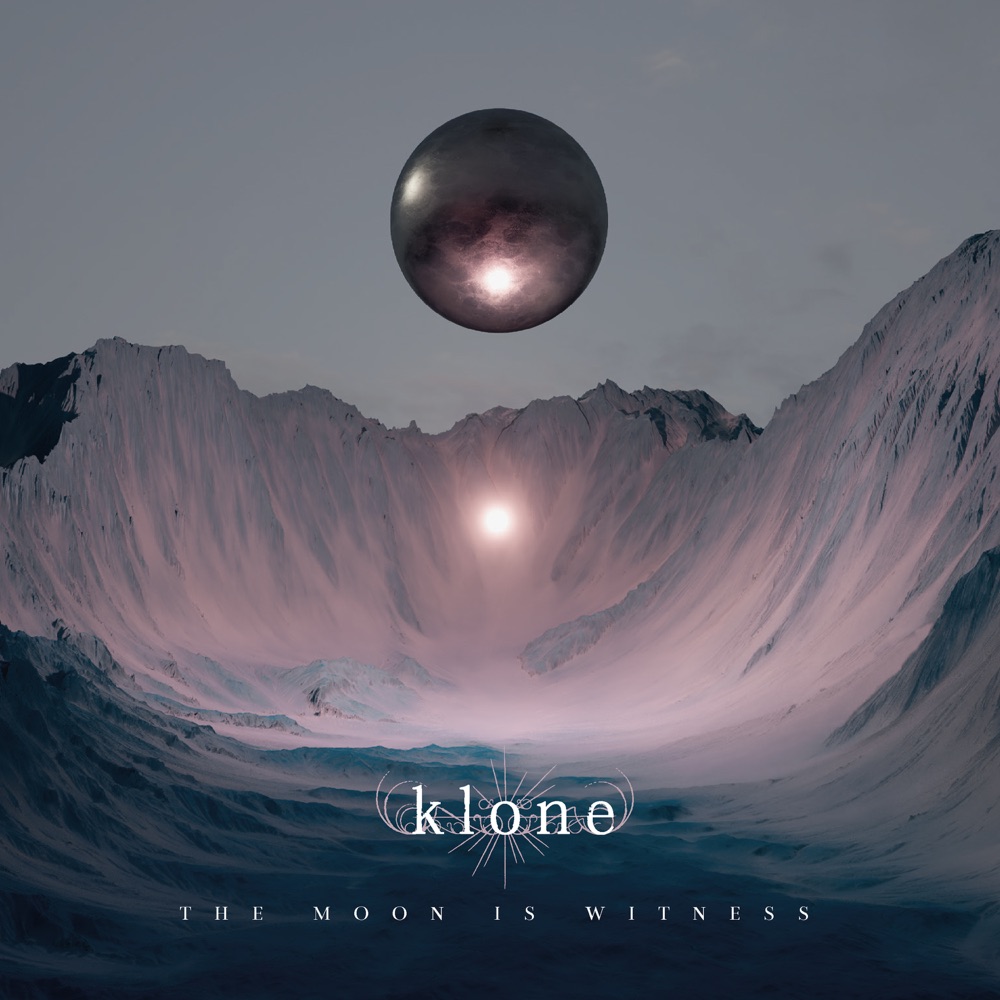
The French progressive metal band have gone back to Francis Caste, who produced “Le Grand Voyage”. The first single, “Unchained”, came out on 23 October.
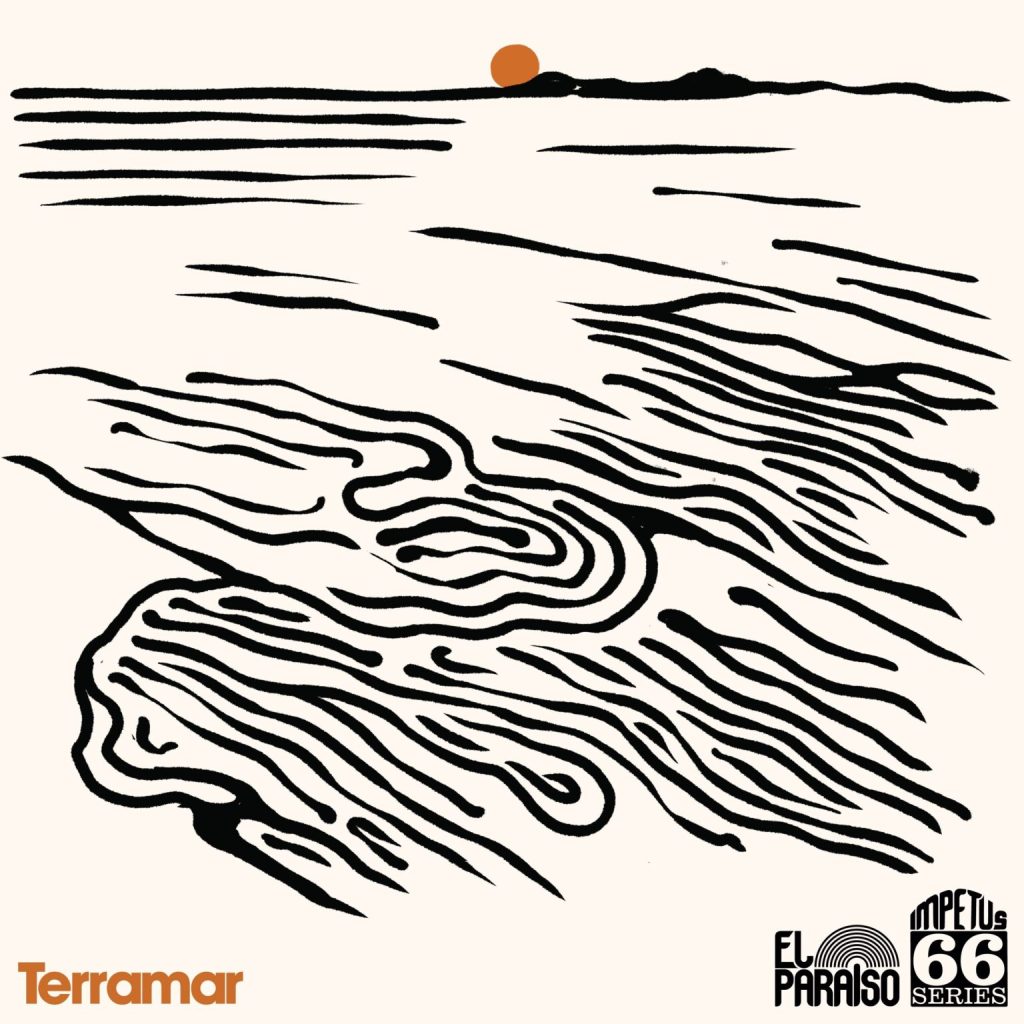
The quintet recorded during a week-long immersion at the label’s studio in Odense. “Ritual De Fantasmas” is out, built on 12-string guitar and bongos.
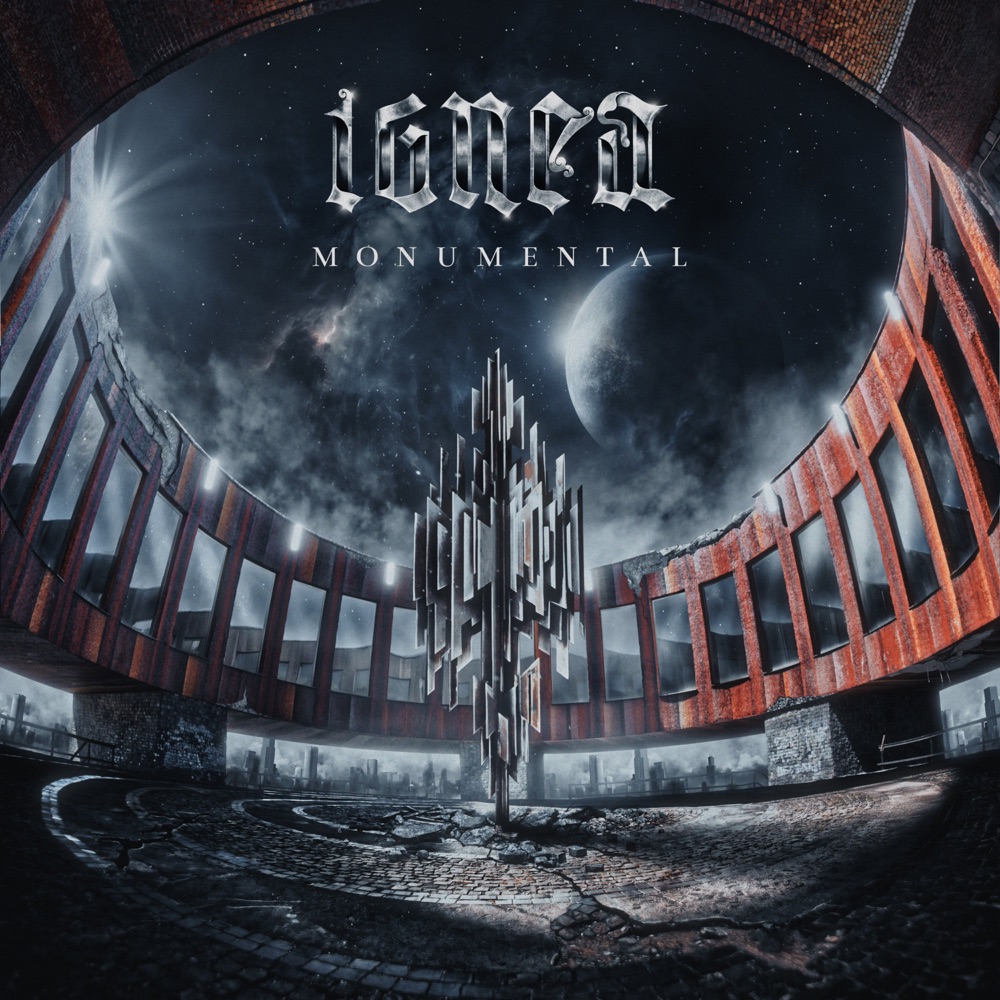
Napalm puts out the Kyiv band’s album today, nine tracks with Combichrist and Hiraes guesting. The video for the eighth was shot in Hannover.
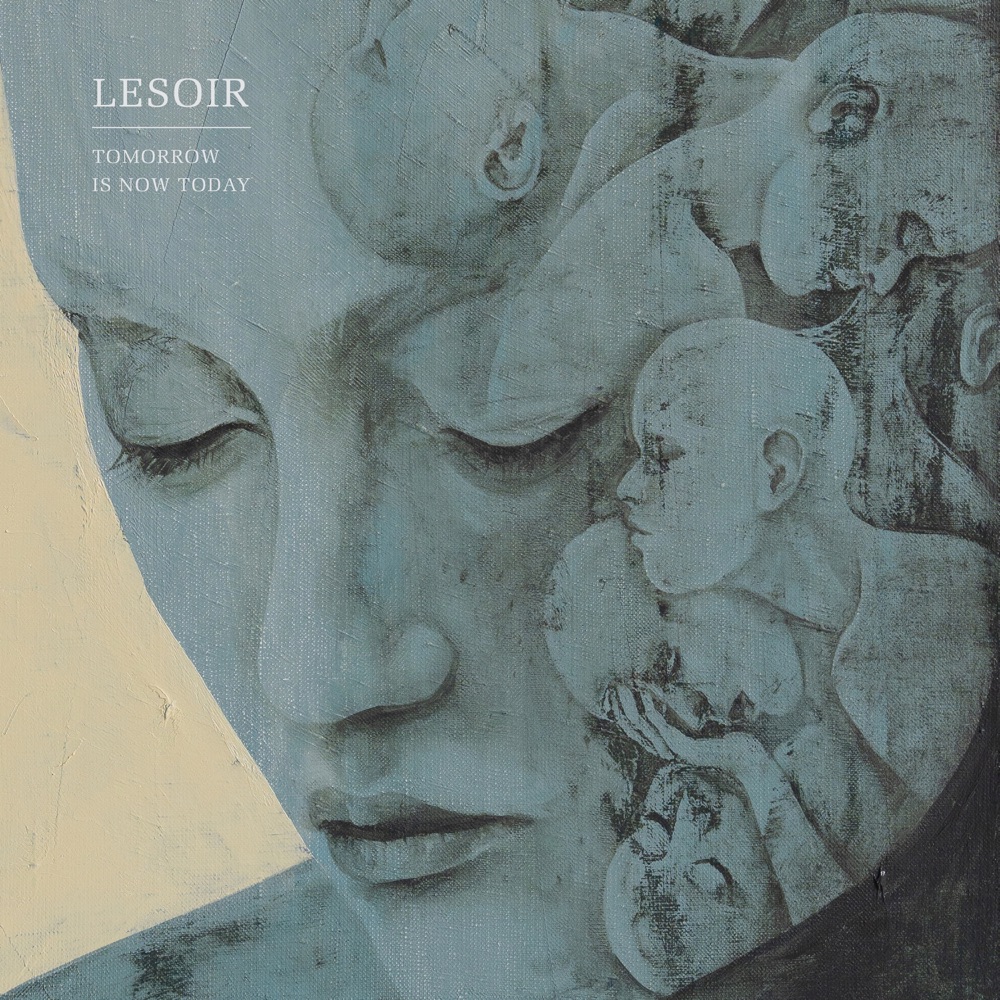
The Maastricht six-piece move to V2 worldwide with John Cornfield producing. The three singles released between June and September are also the album’s first three songs.
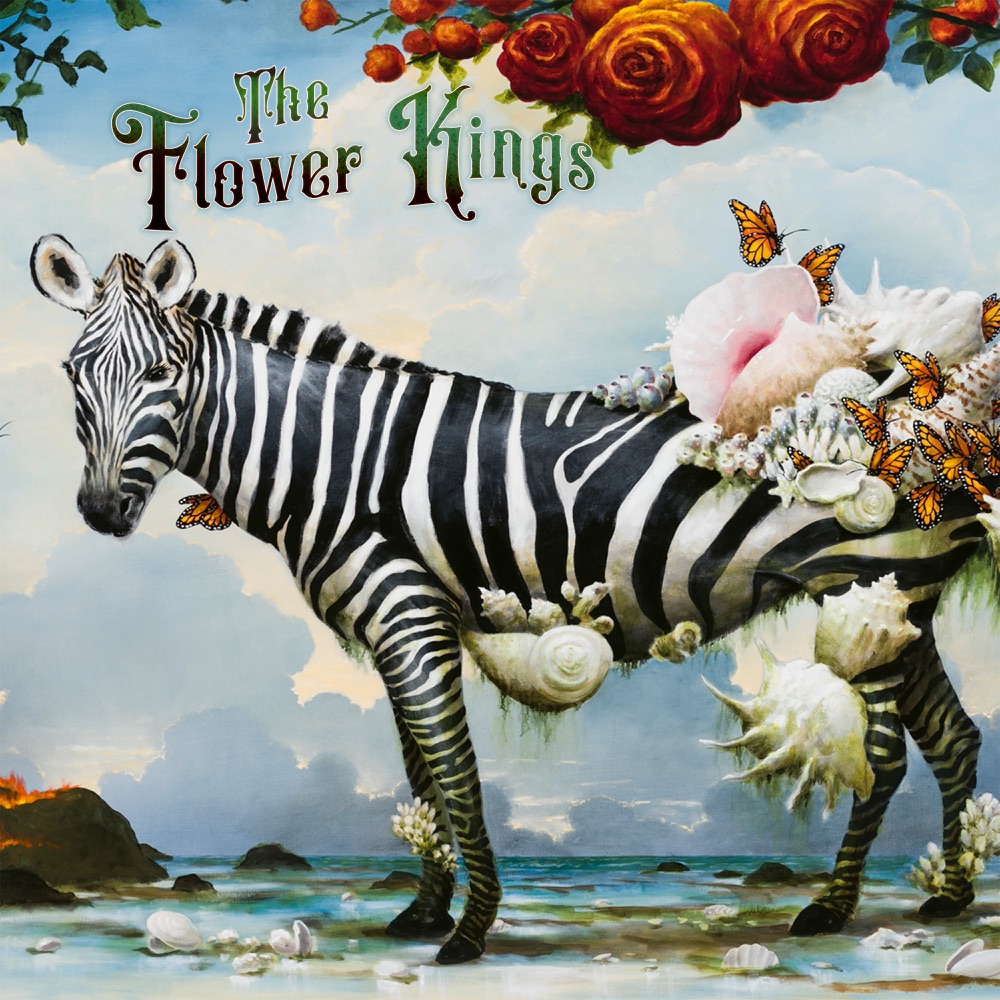
Four compositions, two of them written in five and seven movements, all of it by Roine Stolt and Lalle Larsson. The Atmos and 5.1 mixes reach the limited digipak only.
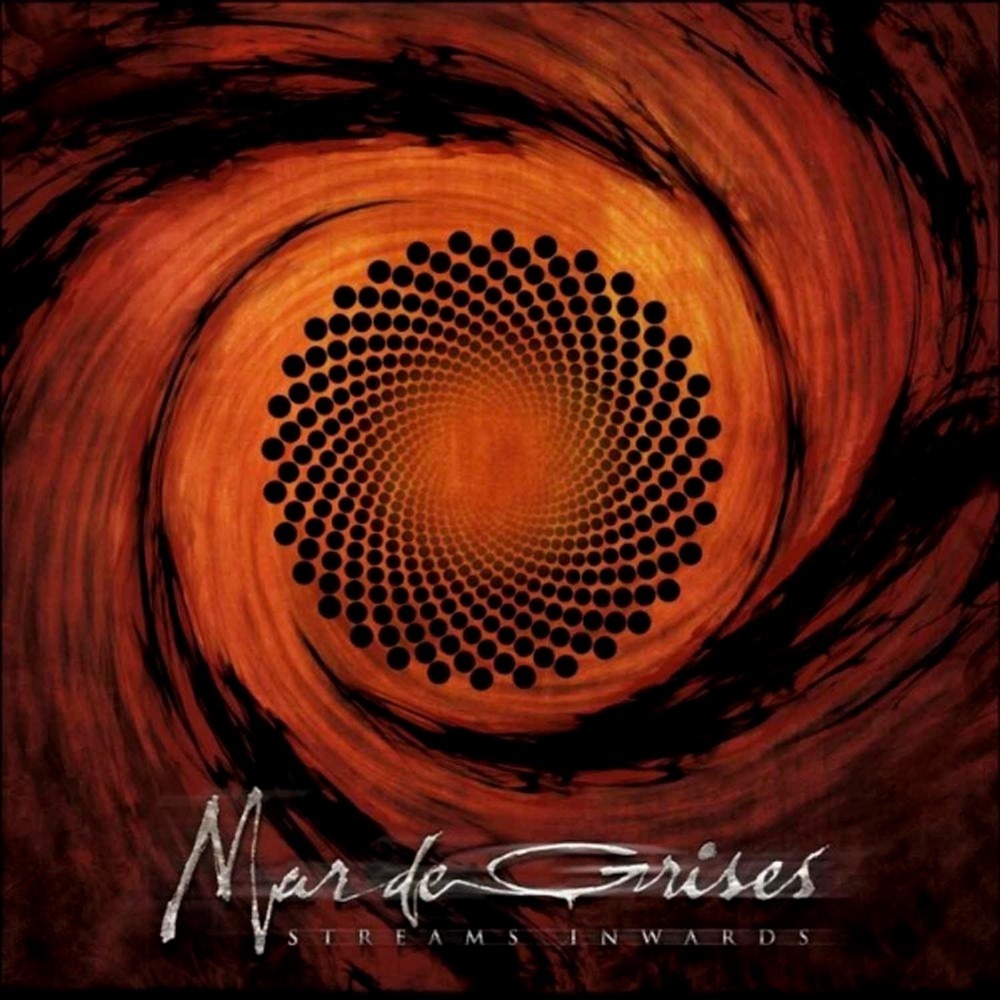
The label announced on 22 October that it had brought the Chilean death-doom band back. Their last record, “Streams Inwards”, is from 2010; the new one has neither a title nor a date.
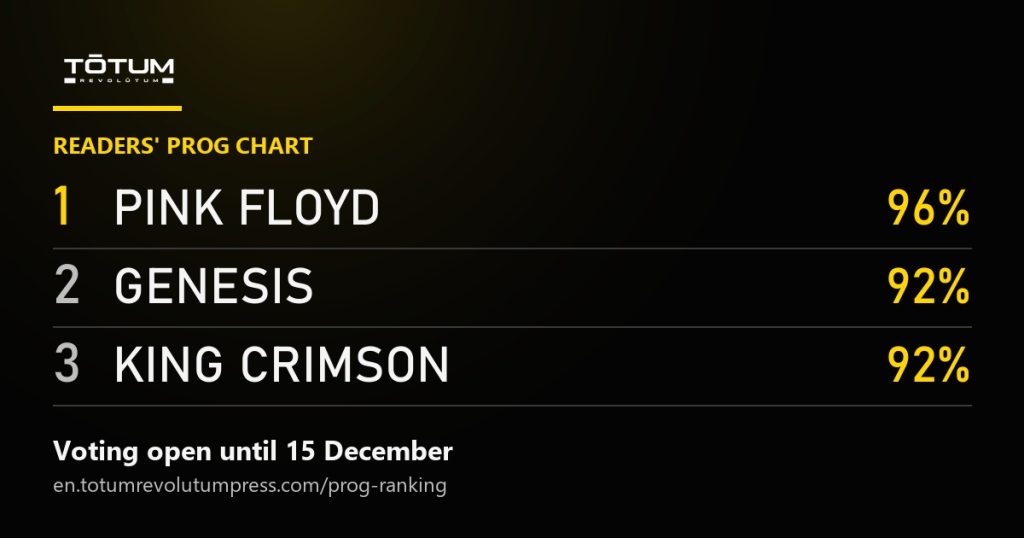
Genesis and King Crimson complete the podium, both on 92% and split only by their exact average. The poll closes on 15 December.
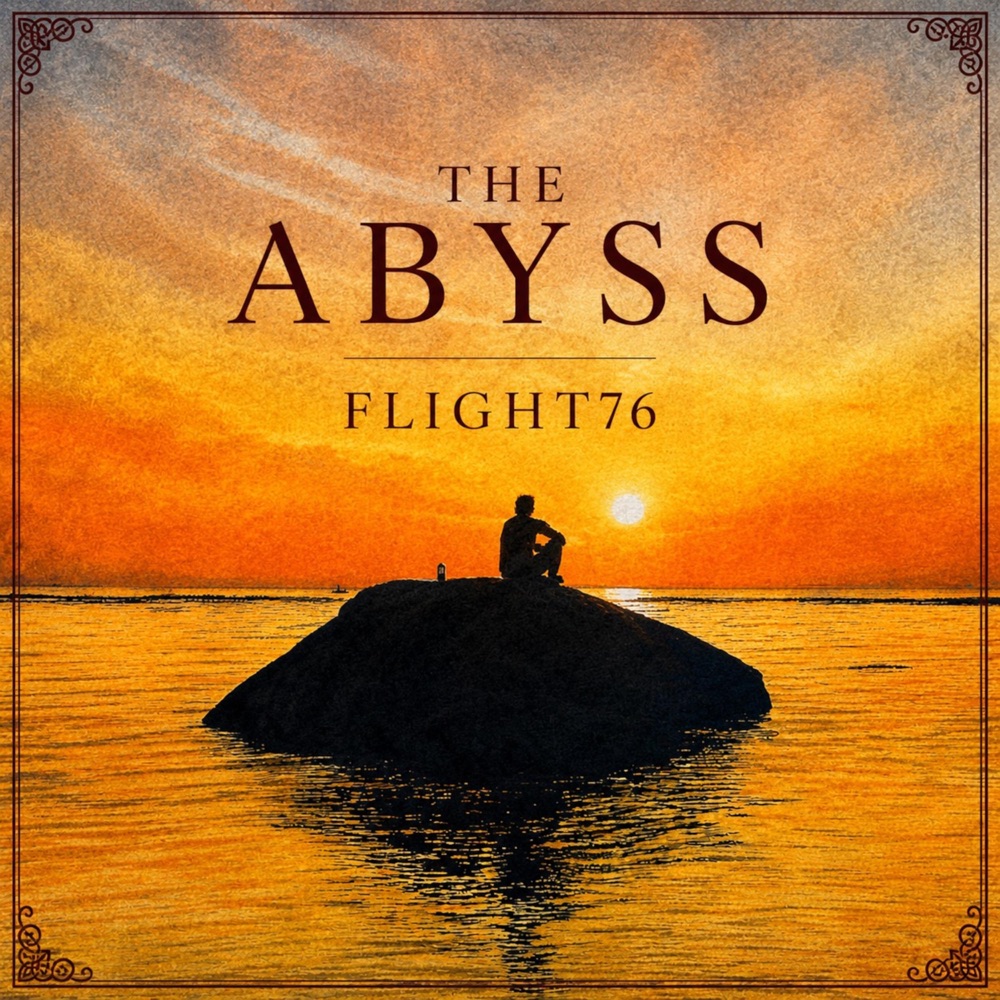
Eleven tracks and one man: Ian Wright writes the music for all of them, the lyrics for ten and produces the record. All that is left of the 1975 Hastings band is Nigel Wade’s artwork and one lyric.
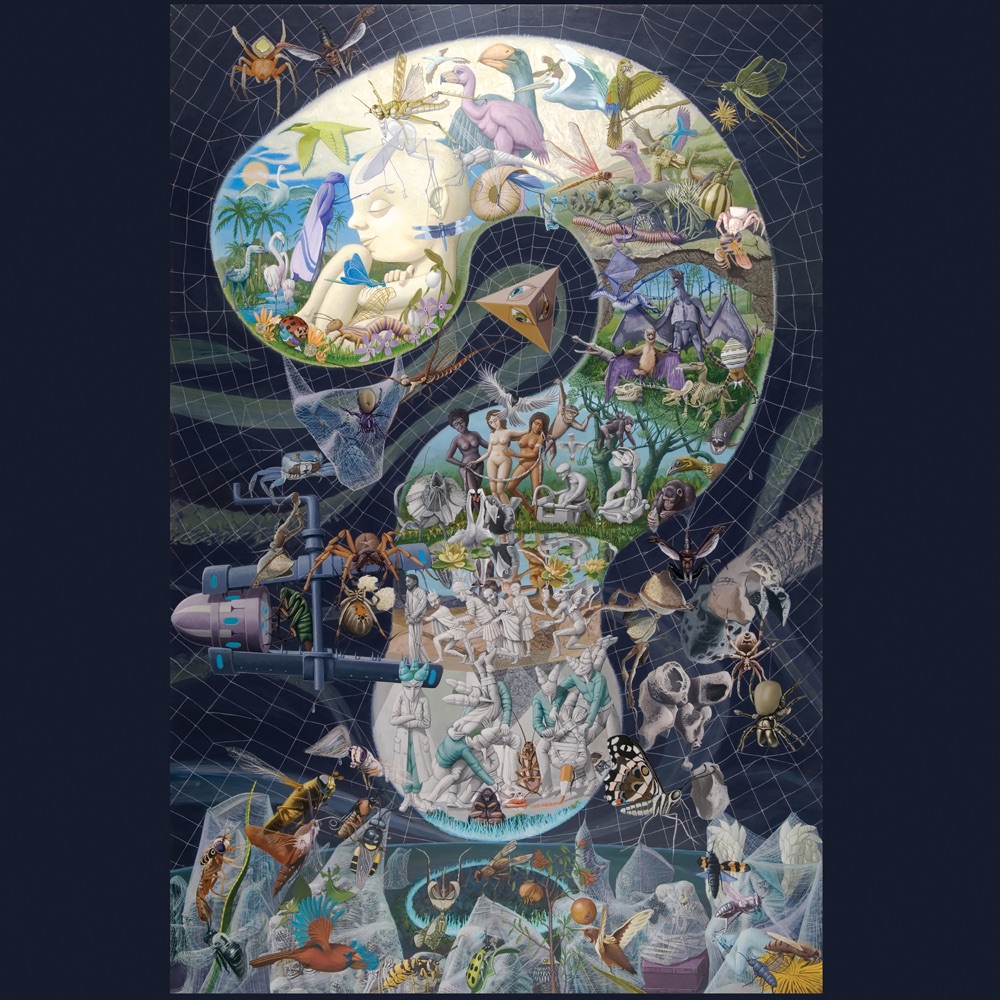
Rise Above releases “The Guessing Game (Rethink)”, remixed by Jaime Gomez Arellano from the original masters and spread across five sides of vinyl with alternate takes.
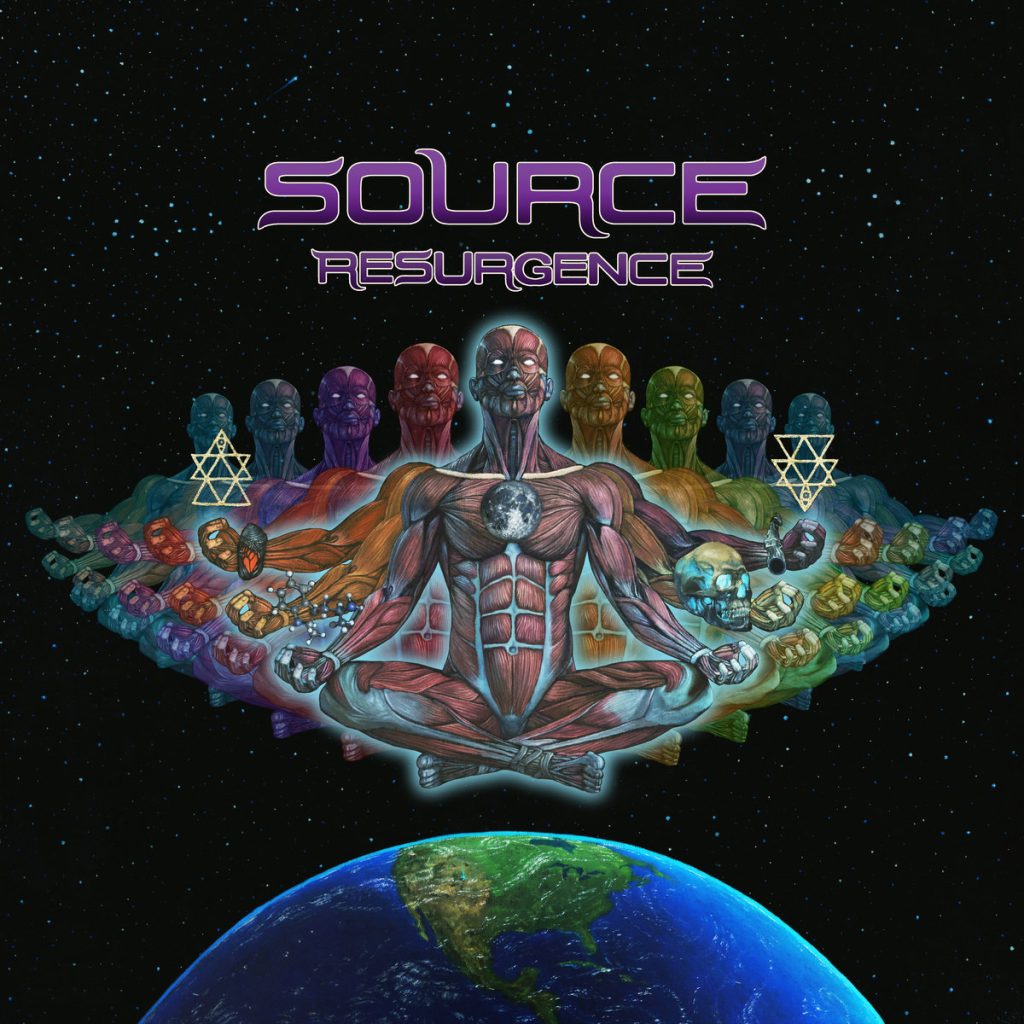
Twelve tracks opened and closed by one piece split in two parts. It is the fifth album by the Colorado trio and the third they release themselves.
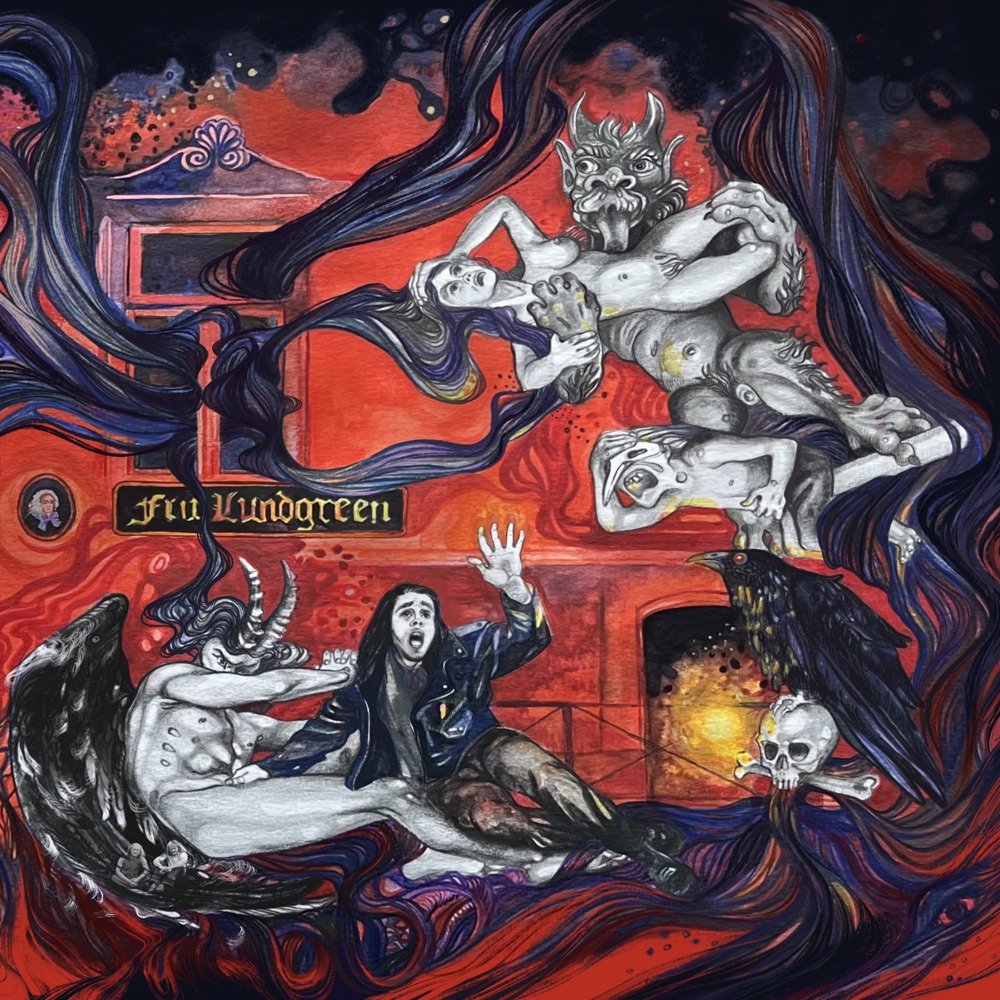
Karisma put it out on the day Stig Arve Kvam-Jørgensen would have turned fifty. Twelve digital tracks that the vinyl lists as four titles, and the two long pieces carry the grief.
Readers' survey
Rate up to 150 progressive rock, metal and jazz-fusion bands and get your personal ranking -- plus the Tótum readers' overall one.
I want to vote →