
Progressive RockMetalJazzPost-rock
Writers:
David Sàez
Gerard Corriguelles
From Sydney comes the band’s seventh full-length record. A correct neo-prog record, if we overlook the hyperactive drummer and a few production details that could use improvement. We find echoes of IQ, Genesis, Arena or Haken — a broad, tasteful range of influences.
At Night I Fly “Collision/Fusion/Division”
These Hungarians present us with a record sitting between heavy prog and neo-prog. Sonorities in the style of Karnivool, Dream Theater or Haken merge on this album, on which they weren’t afraid to develop their ideas at length.

Bent Knee “Twenty Pills Without Water”
Line-up changes have given this Boston band a new lease of life, and it seems to have suited them well enough. Without losing that spot halfway between prog and indie, this time they’ve done away with the sometimes gratuitous, unnecessary twists and turns that used to crop up in their compositions. Some of that experimental character has certainly been lost in favour of a friendlier, more pleasant sound. From here, it’s up to each listener to decide whether they prefer the current version or the earlier one.
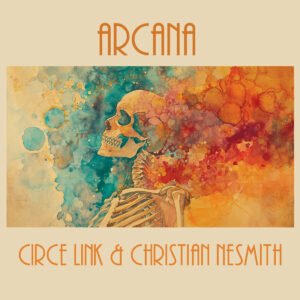
Circle Link & Christian Nesmith “Arcana”
A magnificent classic progressive-rock album from this married couple. Christian Nesmith is a musician, composer and producer, son of Michael Nesmith (The Monkees), and Circle Link is a rather peculiar singer-songwriter, since, if you check her website, she promotes her music while also offering hypnosis expertise or tarot readings. That’s probably why they’ve titled this record “Arcana”, which will delight fans of bands like Manfred Mann’s Earth Band, Reinassance, Yes or Genesis, especially on the track “The Hanged Man”, which sounds like a lost track from “Wind & Wuthering” (1976). Don’t miss it.
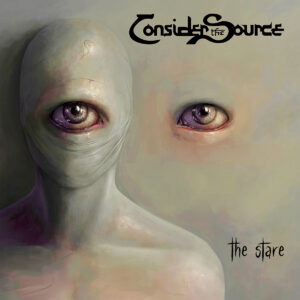
Consider the Source “The Stare”
Celebrating their twentieth anniversary, this New York instrumental trio recorded “The Stare” during the pandemic, which now feels like a long time ago. And boy, does it deliver. Tracks of varied character, with more than notable performances, touching at times on space rock, at others on Opeth-style progressive metal, plus some reinterpretations of Middle Eastern folklore, but above all, plenty of sensitivity, dynamism and virtuosity. More than excellent, and essential listening.
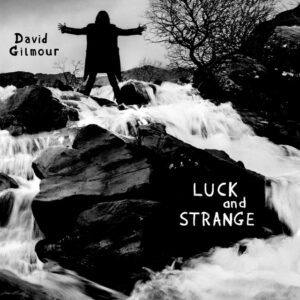
David Gilmour “Luck and Strange”
The new school year kicks off with a new record from Pink Floyd’s guitarist. And following in the footsteps of his last two studio records, “On an Island” (2006) and “Rattle That Lock” (2015), fans of the legendary band will find little Pink Floyd here. Dull blues, anodyne guitars, and a demonstration that his voice still holds up better than that of his old comrade-in-arms, his friend Roger Waters — or so he thinks.
Only the track “Scattered” is spared the wreckage, reminding us we’re dealing with one of the best guitarists in rock history. A genuine shame. That said: if you liked his last two studio records, you’ll love this one, since it’s more of the same, and not even the well-judged inclusion of an orchestra saves the record.
Fusing acid jazz and funk, the instrumental project launched by Henry Hey (Snarky Puppy) presents its sixth full-length record. As is always the case when top-tier musicians and enormous production values are involved, it’s a pleasure for any ear to be carried along by this refreshing, pleasant music, even if some compositions are fairly inconsequential, though ideal for dusting the house on a Sunday morning before mass.
From Ireland comes a new instalment of instrumental post-rock. It’s worth saying some tracks clearly aim for real dynamism, while others are absolutely flat, and, almost as always in this genre, you have to check the cover to know which band you’re listening to. This style is extremely rigid in the kind of compositions it produces, lacking melody and focusing on other things to provoke powerful inner reactions in the listener (yawns?).
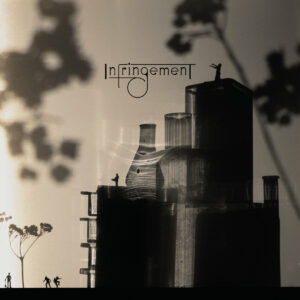
Infringement “Black Sciencie and White Lies”
If you like neo-prog backed by a conceptual storyline with an eighties flavour, here’s what you’re looking for. Ah, you also wanted a memorable album? You really do want it all. You can put it on while doing your Saturday house-cleaning, and it won’t do you any harm.
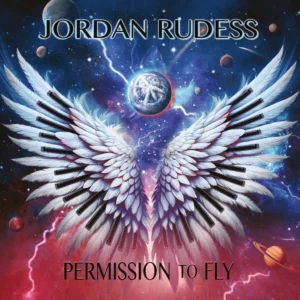
Jordan Rudess “Permission to Fly”
The famous keyboardist offers us a good record, showing off a vast musical vocabulary displayed with subtlety and plenty of elegance: passages inspired by classical music and reinterpreted in the style of Emerson, Lake & Palmer, sections that might bring Haken to mind, and, naturally, others bringing Dream Theater to mind, the band where he earned international recognition. Even so, the vocal sections end up feeling a bit flat and uninteresting (well, look at that, just like in Dream Theater).
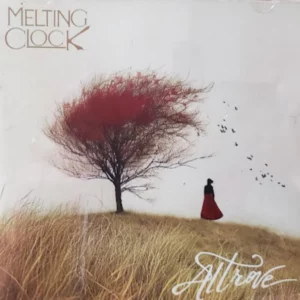
A lovely album from this Italian outfit, with a certain dose of Mediterranean folklore and solid reference points like Pink Floyd, Genesis, Renaissance and, since they’re Italian, Premiata Forneria Marconi couldn’t be left out. Plenty of classic genre influences that will surely draw you in, and you’ll genuinely enjoy it, especially if you’re not fond of harshness.
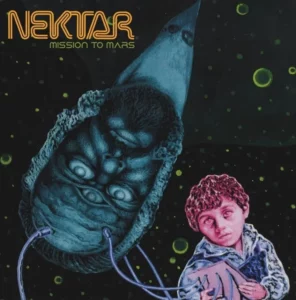
These seventies veterans came back with a different pace and philosophy twenty years ago, but they still deliver quality music. Everything here certainly carries a flavour of prog’s best decade; there’s no abandoning space rock, and we can’t rule out reference points like Pink Floyd, Procol Harum, Yes or Free.
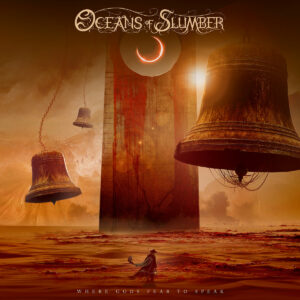
Oceans of Slumber “Where the Gods Fear to Speak”
Another change of direction for this band. Nothing like their previous records, since this one starts out darker, with moments bordering on doom and some hard-to-digest compositions; but as the album progresses, it falls into triviality and inconsistency. The production choices on some fairly standard rock tracks — stuffing them with metal clichés like blast beats, vocals in need of cough drops, or machine-gun double bass drums — can work, but eventually the seams start to show, and what seemed intense and profound turns out to be will-o’-the-wisp, leaving you wanting to shout: “Death to fake metal”.
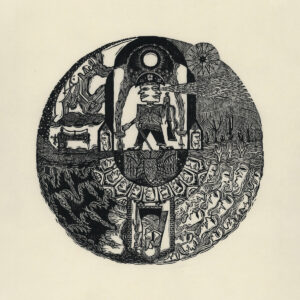
From São Paulo comes this hugely interesting record, which could be labelled avant-garde rock, or maybe not labelled at all. It’s genuinely fun if you approach it with an open mind and have always liked bands like Gong or Popol Vuh, though here you’ll find it accompanied by a Brazilian musical sonority always running in the background. It’s worth saying the production improvement on this second album is obvious, alongside a certain domestication of their music, which has become gentler, more elegant and refined.
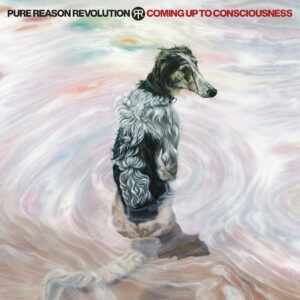
Pure Reason Revolution “Coming Up To Consciousness”
With Chloë Alper’s definitive departure from the band, we can now say we’ve reached the sixth instalment of Jon Courtney’s project. Since its 2020 refounding, it’s been putting out albums of enormous craftsmanship, where the beauty, subtlety and delicacy of the compositions strike us deeply. Combining prog and immensely high-quality pop, this time they offer up a kind of communion between Pink Floyd and Talk Talk, resulting in a sensational record we had the pleasure of tasting live on 27 September at the Be Prog! My Friend festival in Barcelona. Finally, Annicke Shireen (Heilung, Shireen) masterfully fills in for the equally esteemed Chloë Alper.
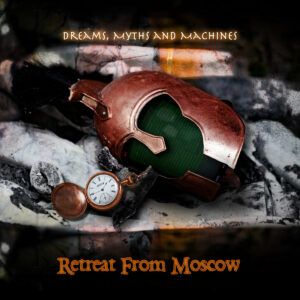
Retreat from Moscow “Dreams Myths and Machines”
An example of British neo-prog, corny keyboards included, would be this second record from a Welsh band of friends who formed back in 1979, but left it on hold until their previous record, “The World as We Knew It” (2022). And it really is a shame they didn’t have record-label backing back then, because the compositions fit the eighties perfectly, while the production is fairly contemporary.

The legendary guitarist of bands like Yes or Asia treats us to an entirely pointless album, made in his living room during dead time here and there, except on the odd track where he must have commissioned some drums recorded in someone else’s flat.
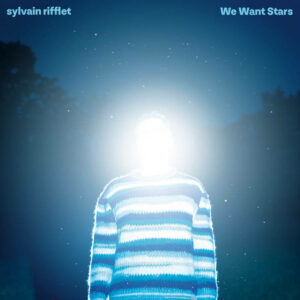
Sylvain Rifflet “We Want Stars”
A demanding listen, this French composer’s record. Saxophone and clarinet, his specialities, dominate, and there’s a definite whiff of Stan Getz, but at the same time the rhythm section seems to be playing on a different wavelength, creating dissociated moods, taking real risks, and making the compositions hard to follow throughout. Excellent listening for fans of jazz that’s a bit “tough” to digest.
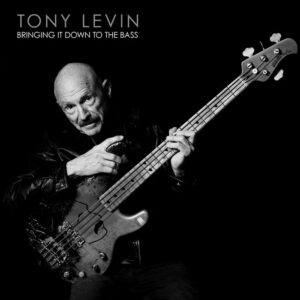
Tony Levin “Bringing It Down to the Bass”
Don’t say bassist, say Tony Levin — that about sums him up. This album was made over the last five years, during breaks between his countless tours and studio collaborations. It certainly shows, since it lacks a certain stylistic unity as a full-length record. We find jazz-rock tracks, funk-metal cuts, multi-track vocal pieces… As a curious detail, there’s the round “On the Drums”, composed from drummers’ names, and according to Mr Levin, Xavi Reija sits within that Olympus — who are we to argue with him.
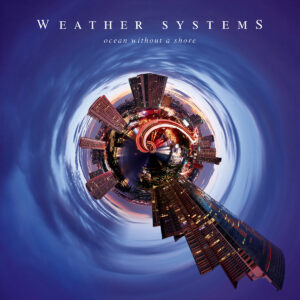
Weather Systems “Ocean Without a Shore”
Anathema fans were eagerly awaiting the arrival of Daniel Cavanagh’s new project. Well, they won’t be disappointed, because we get exactly what he used to do in his reference-point band: compositions that squeeze three or four simple ideas dry, said in two minutes and stretched out to five or six, plenty of affectation expressed through minor chords, uniformity of execution. In short, if you’re into this kind of thing, you’ll be like a kid with new shoes, even if they’re the same old ones.
Writers: David Sàez, Gerard Corriguelles