
Jazz
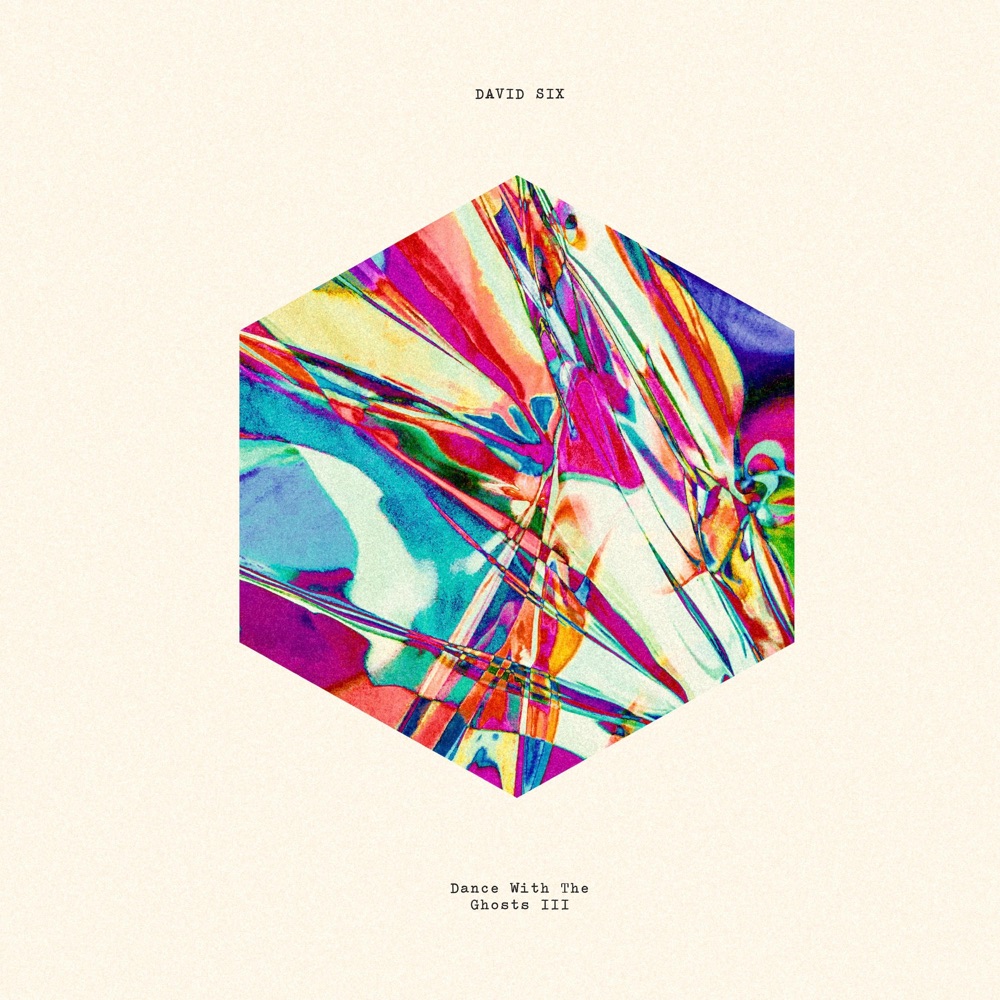
Sessionwork Records · 17 October 2026
“Living In The Rays Of Light” was recorded in a single take and opens the album with a trio that does not put the piano in front: András Dés on percussion, Tuva Halse on violin and David Six composing. Daniel Mège, reviewing it for All About Jazz, calls it one of the record’s gems, and the word that fits is meditative. Six met Halse in 2023 at the wellenklænge festival in Lunz am See and decided straight away that she was the violinist he wanted; here you can see why, because the piece entrusts almost the whole exposition of the material to her.
The record closes a trilogy that began a long way from any studio. In 2020, shortly before the pandemic, Six composed and recorded “Moria” with oud player Saied Silbak, in solidarity with the refugees at the Moria camp on the island of Lesbos, the largest camp on the Mediterranean route until a fire destroyed it that same year. Out of that came “Dance With The Ghosts Quartet” and “Dance With The Ghosts Chamber Sextet”, both from 2023 and both on Sessionwork Records: the first a jazz with a Nordic colouring, the second with a tint of contemporary classical music. This third volume, released on 17 October, is six pieces for one, two or three musicians, and the composer does not appear on all of them.
Two of the six are written and arranged entirely for the classical guitarist Zsófia Boros. “Norway Maple Song” takes its name from the tree Six uses as an emblem of adaptation and resilience, and “Lacrimae” is dedicated to anyone who did not get there in time to say goodbye. On the other three he plays piano and prepared piano, alongside Dés’s frame drums, cajón, cymbals and bells, Simon Zöchbauer’s zither and Caimin Gilmore’s bowed bass. The result has the scale of haiku: Mège describes it as a suite edited with virtuosity, and here the cuts and the joins are not finishing, they are writing.
“Arcane Celestial” is the only piece in the classic piano, bass and percussion format, and Gilmore’s bowing was recorded separately. On a record whose opening track is presented as a single take, and in a trilogy about people who could not be at one another’s side, the moment where the three musicians would have played together is precisely the one built up in layers. It sounds good and it is no technical fault: it is a choice that runs against what the record says about itself, and one that can be argued out with the composer. Beyond that, the set has no conventional moment anywhere in it, and in a trilogy spanning six years that is already a result.
Rating: 8.0/10
Text by Aina Torrents