
Progressive Rock
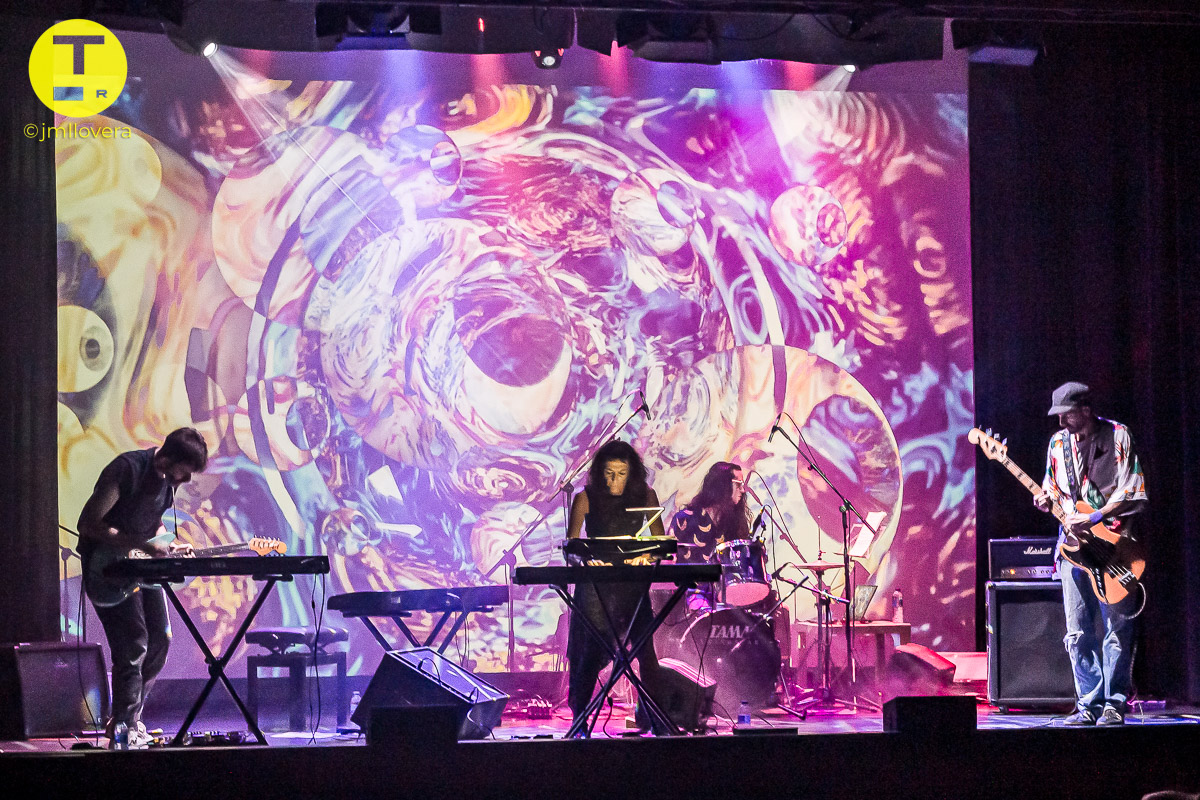
Two personal projects led by women, and a good turnout that went beyond the collective's usual circle of followers.
| Bands | Pizarnik and Postludic Manifesto |
| Date | Saturday 24 October 2026 |
| Venue | Auditori Joan Bordetas (Calàbria 66) — Barcelona |
| Organiser | Associació Musical Tótum Revolútum |
| Report | Joan Francesc Gras (Sudando Rock) |
| Photography | Josep Maria Llovera |
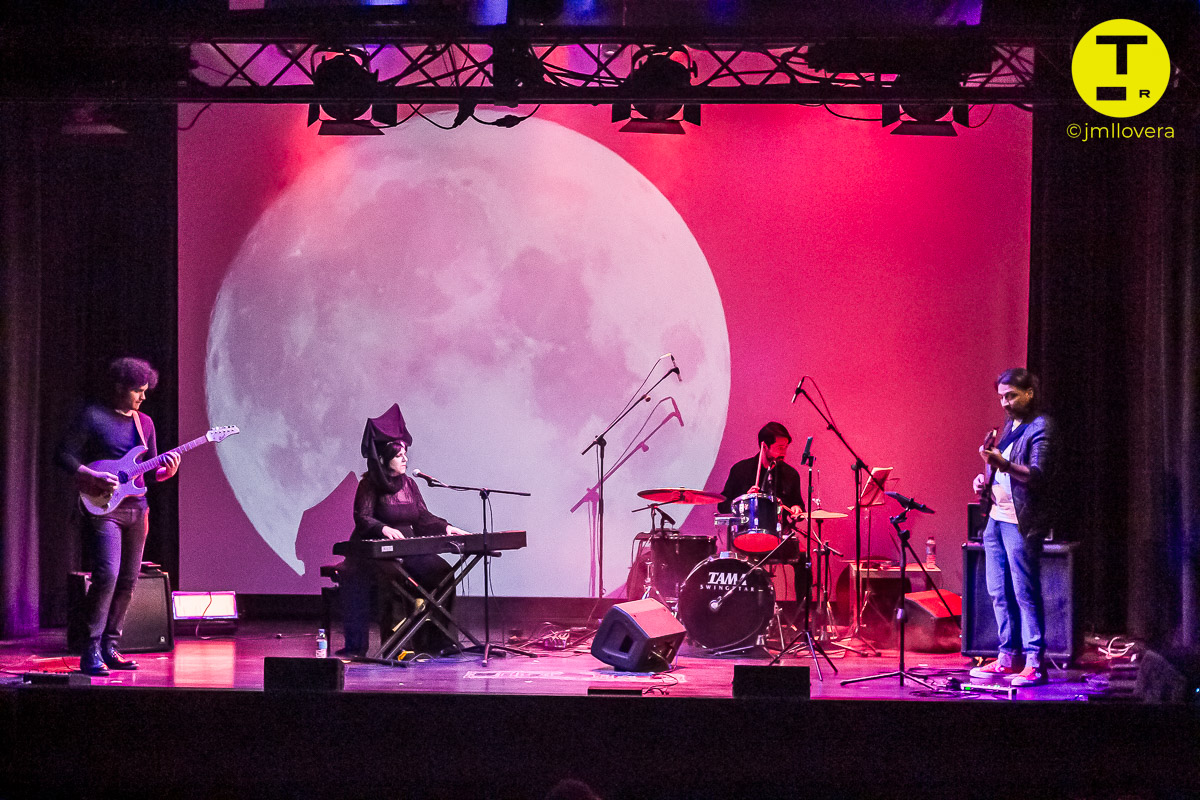
For another season, Tótum Revolútum reaffirms its commitment to progressive rock with Postludic Manifesto and Pizarnik. On Saturday 24 October the Auditori Joan Bordetas, at Calàbria 66 in Barcelona, hosted another date in its concert series. The association, which has spent years giving visibility to bands and projects making original music, keeps a regular programme that brings audiences different expressions of progressive rock, post-rock and other musical territories that are less present on commercial circuits.
The evening was introduced by Xavier Folch, who announced upcoming dates, among them Klamm’s 50th anniversary. Folch stressed that both bands were led by women and that their music was powerful and personal. He then handed over to Postludic Manifesto, the first act of the night.
Postludic Manifesto: music and performance
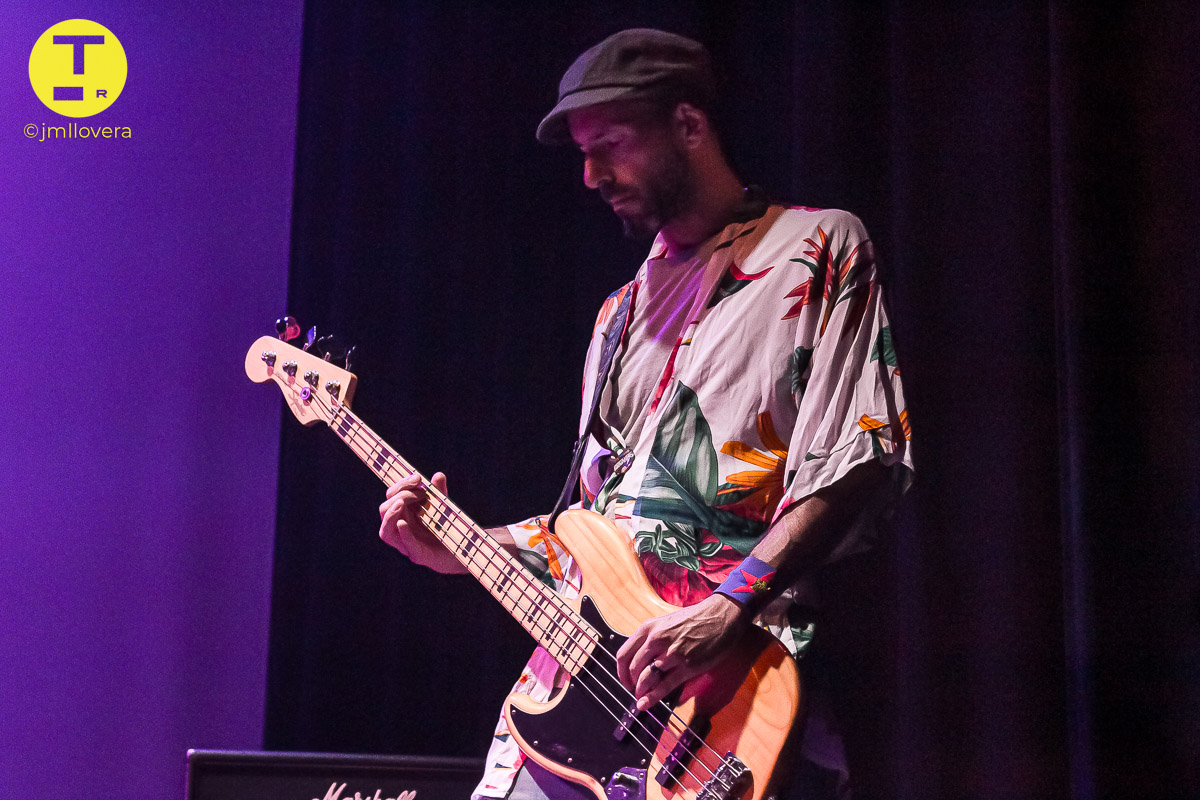
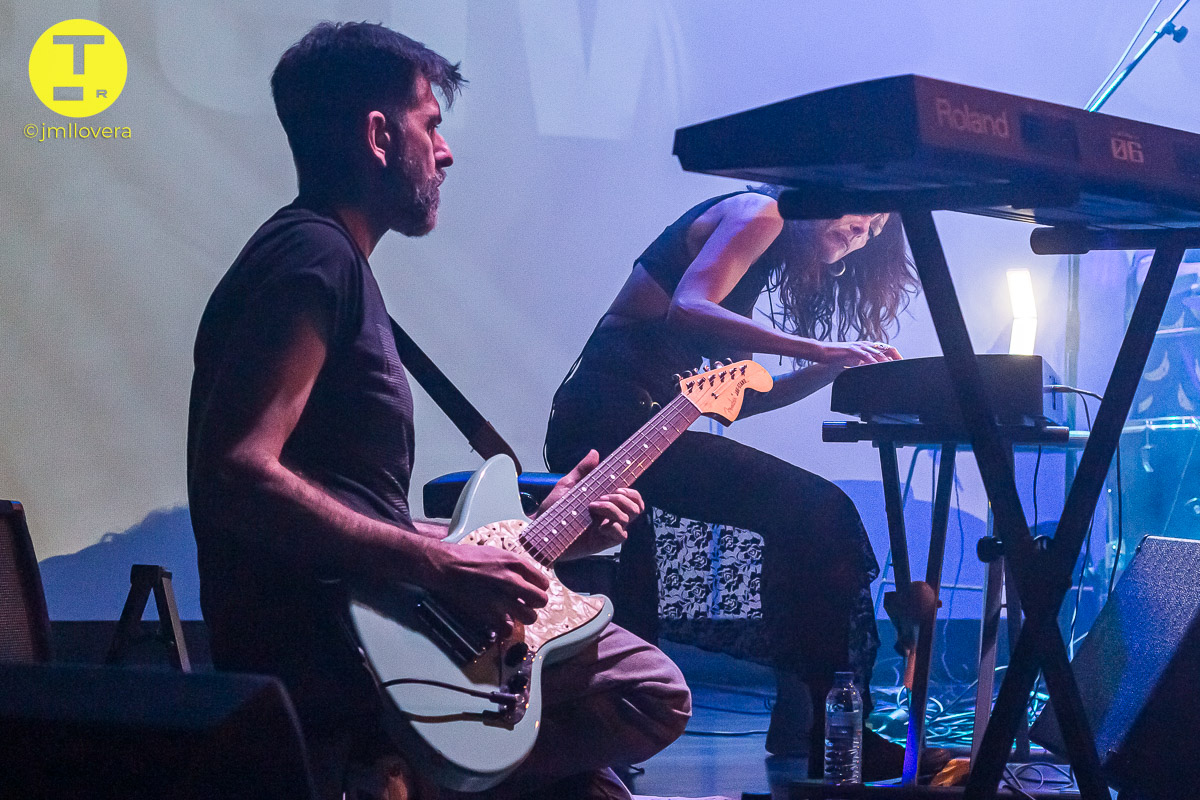
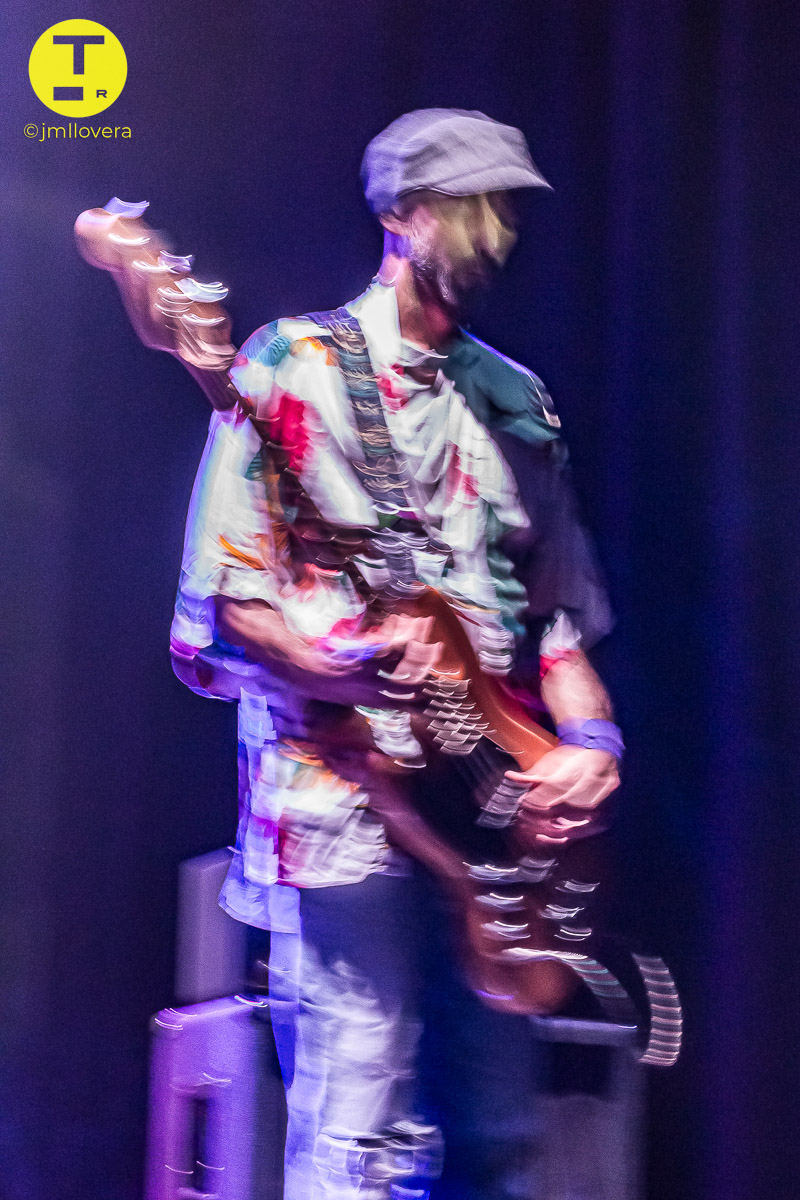
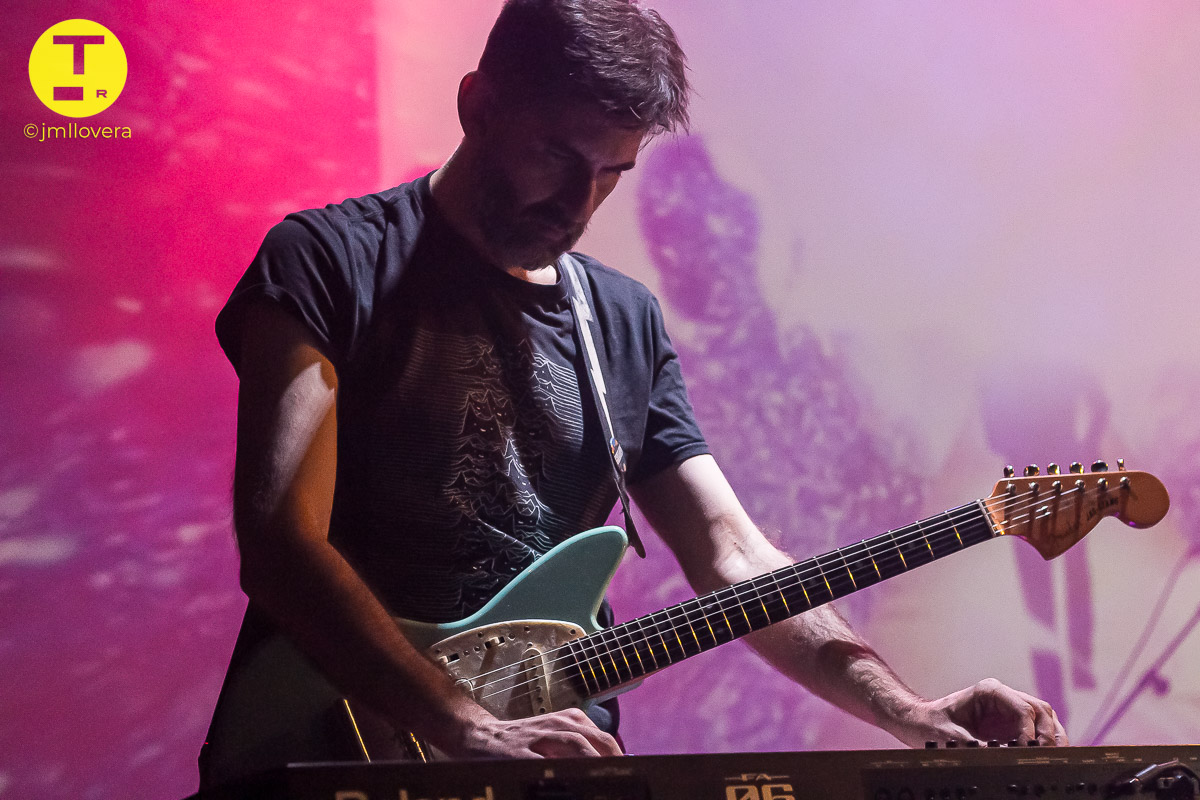
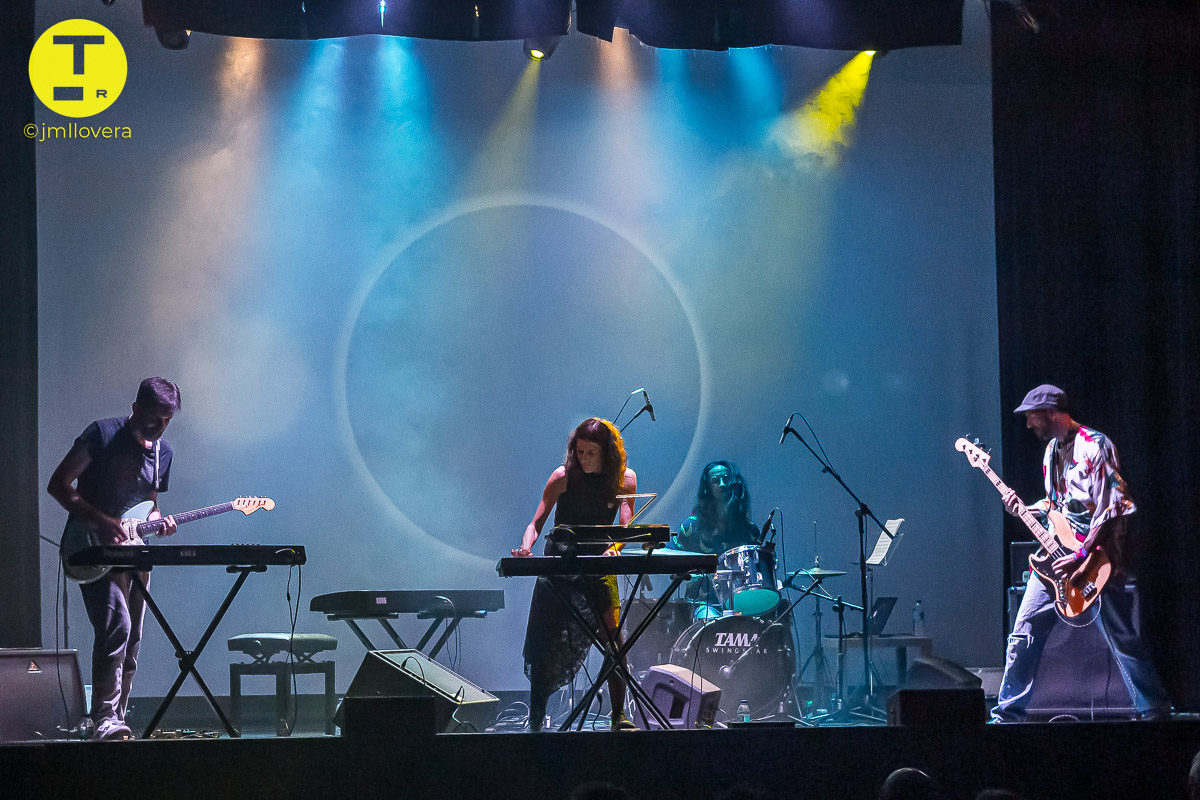
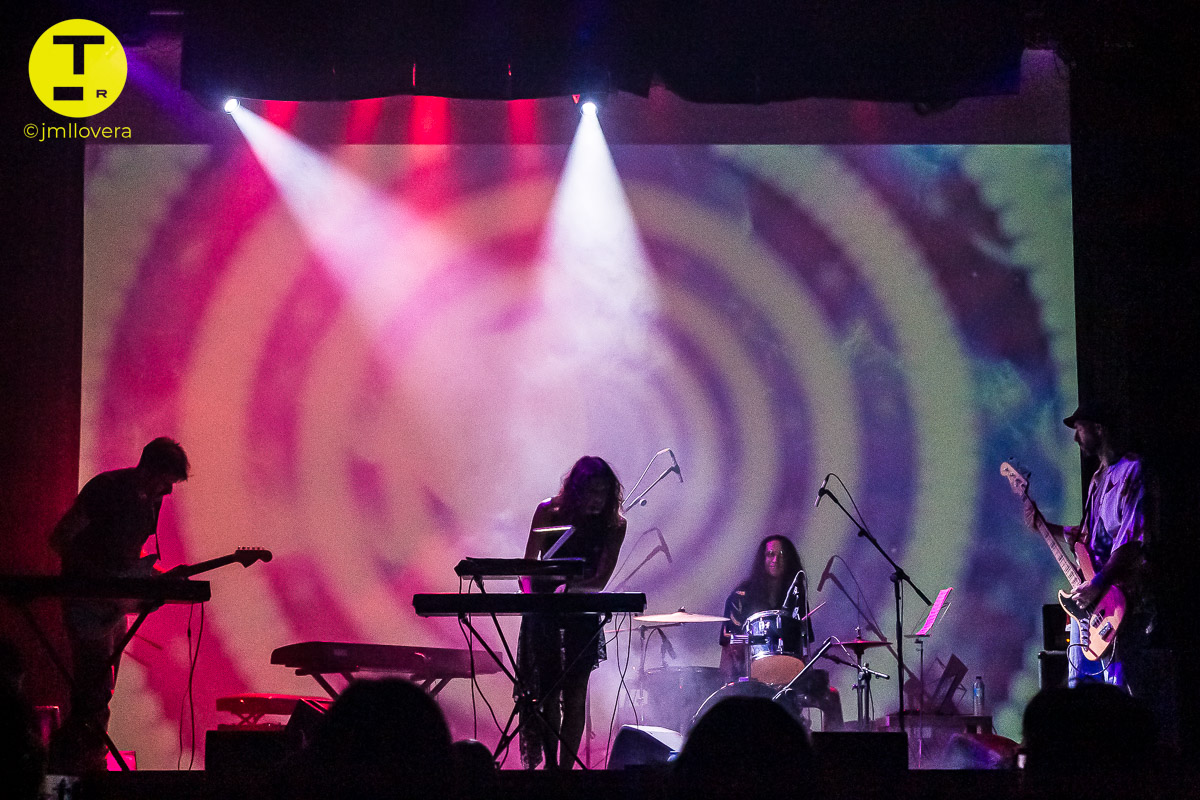
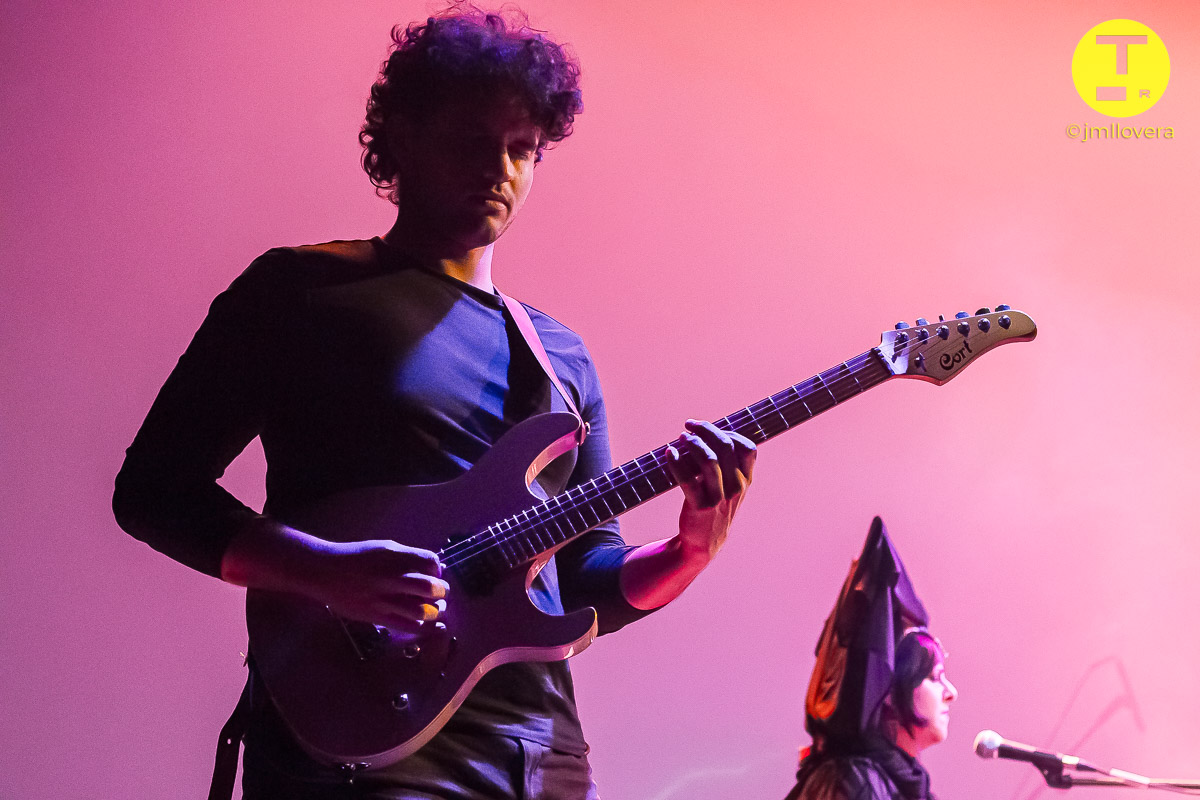
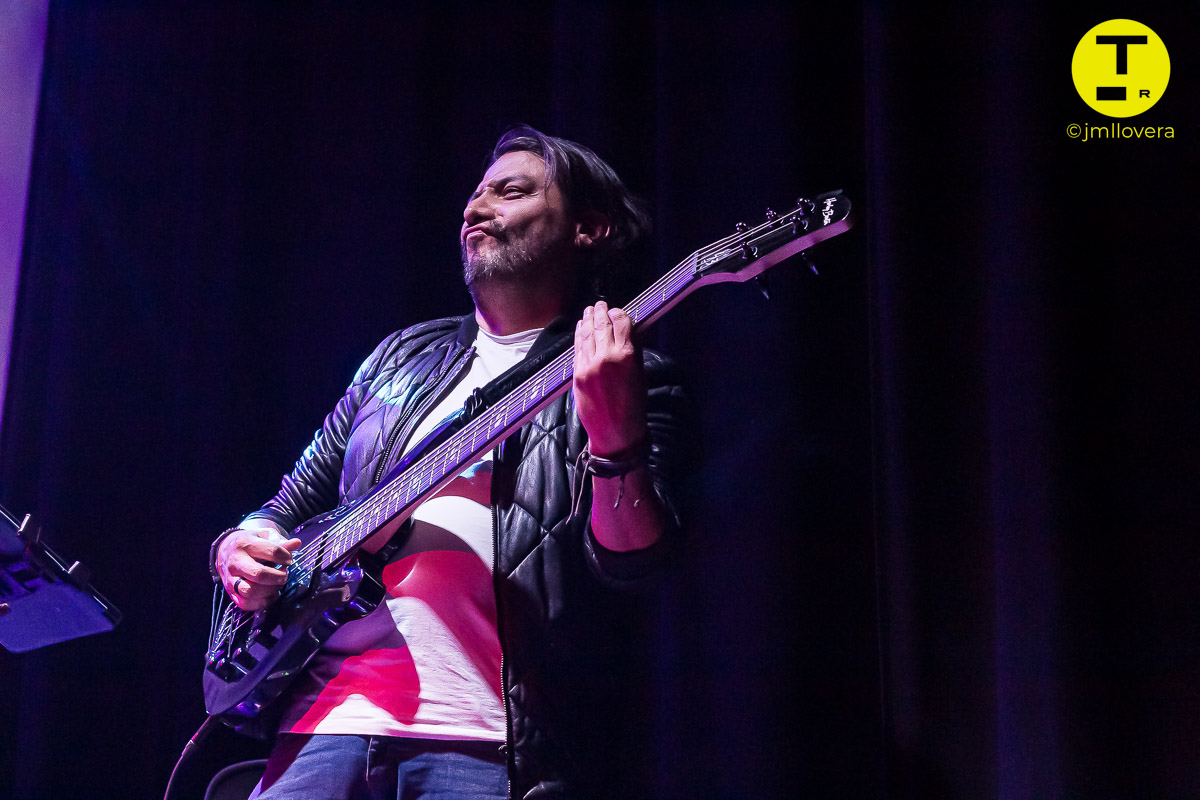
The band unfolded its universe across progressive rock, experimentation and psychedelia. The combination of guitar, keyboards and synthesisers leaves ample room to explore textures and sonic resources, and the loops in pieces such as “Torno a mi” and “5ª Dimensión” are part of that experimental side.
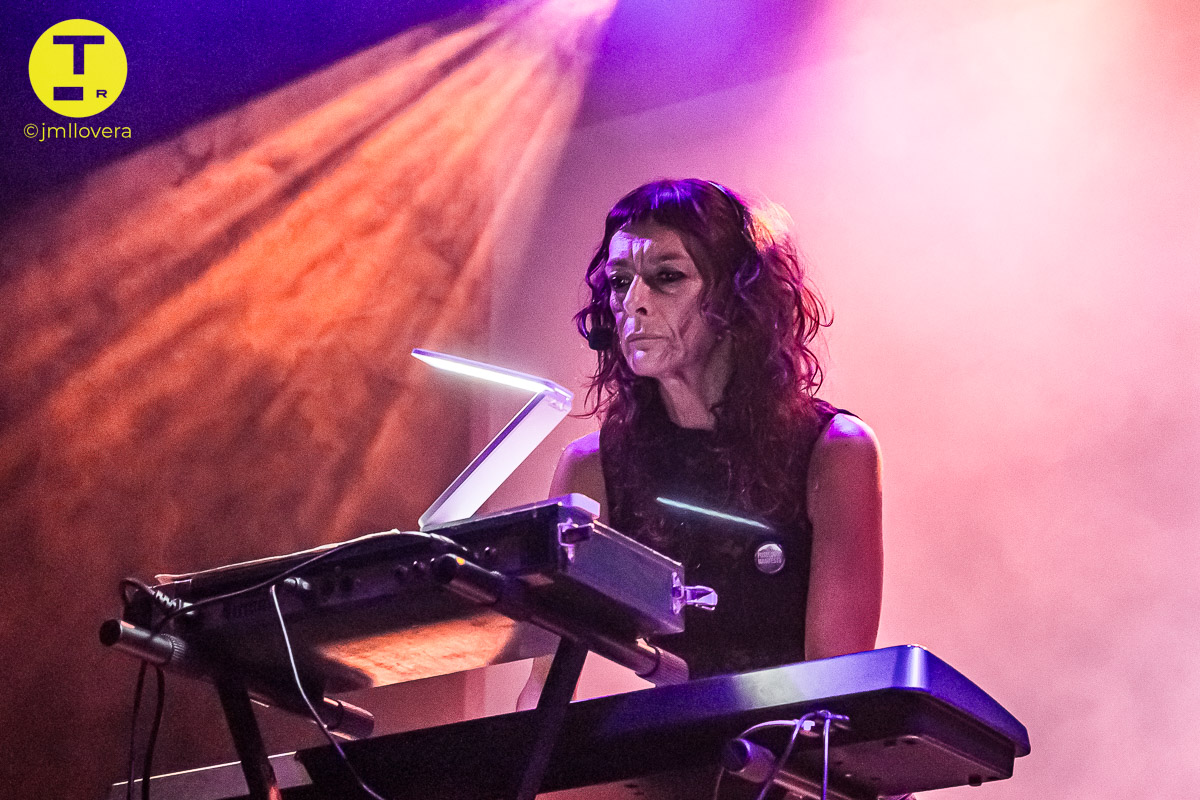
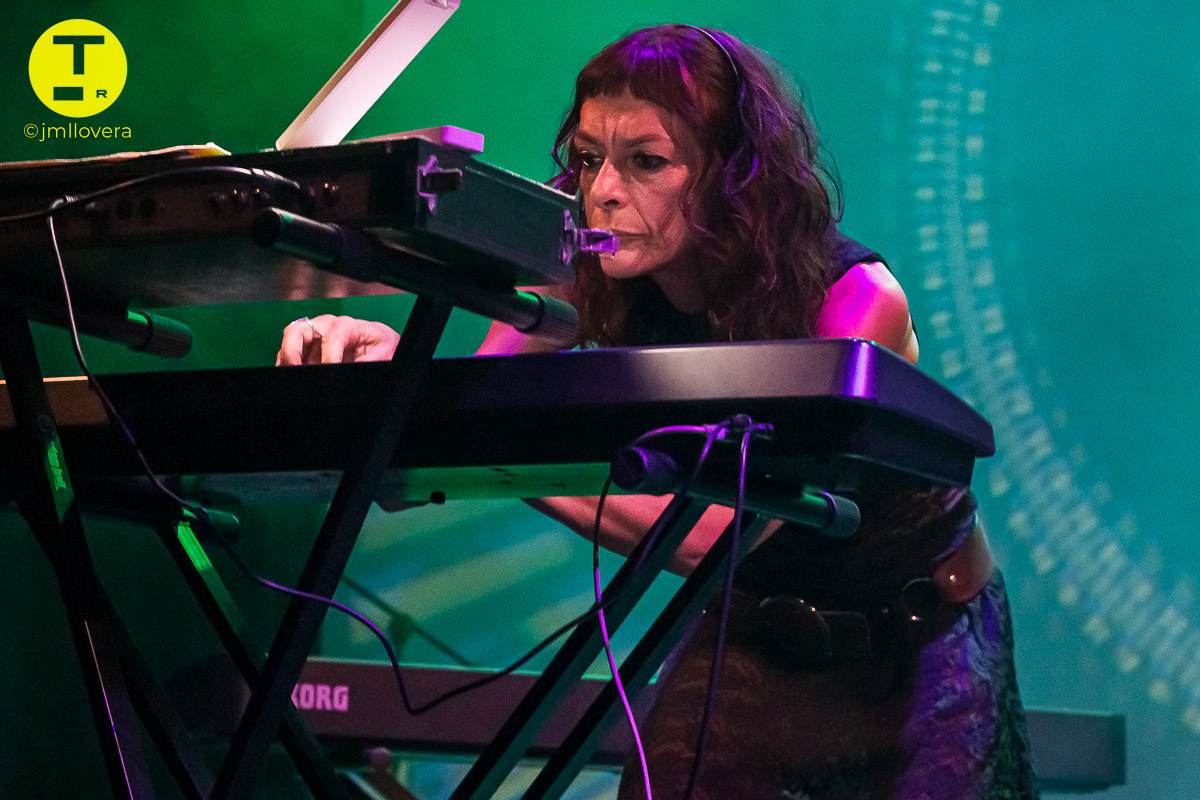
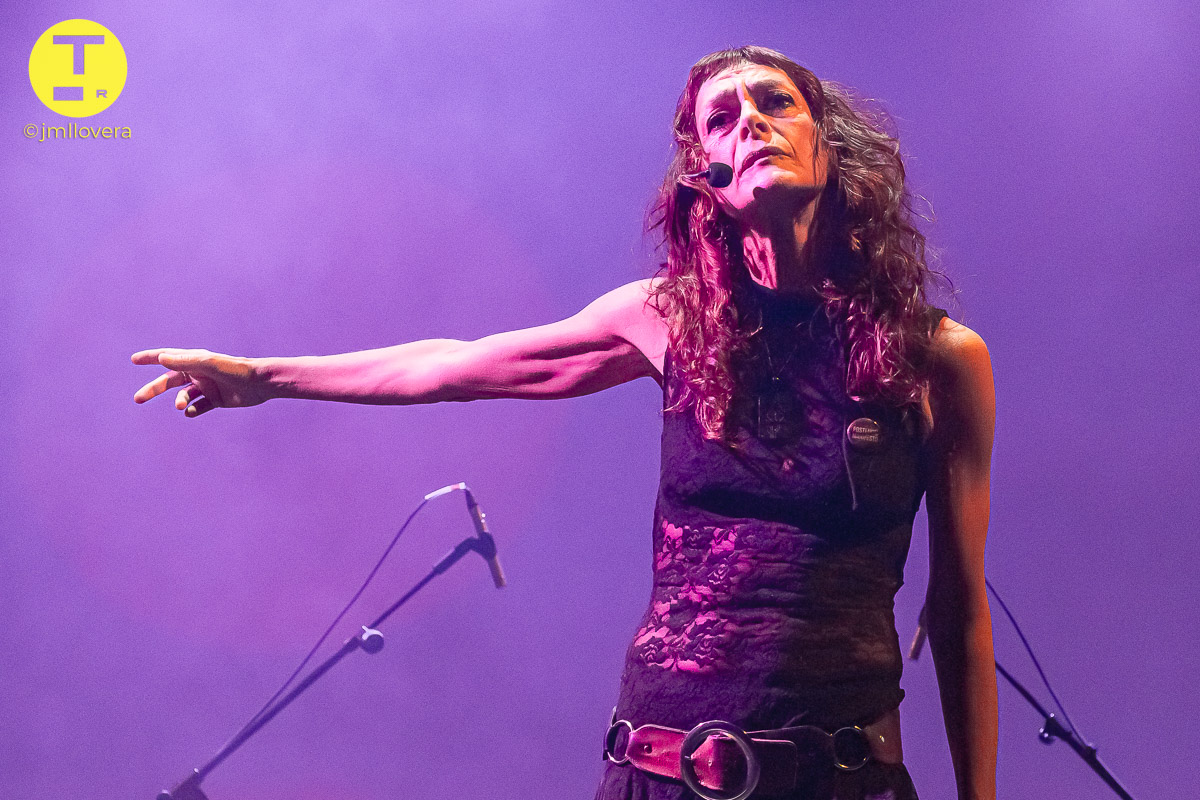
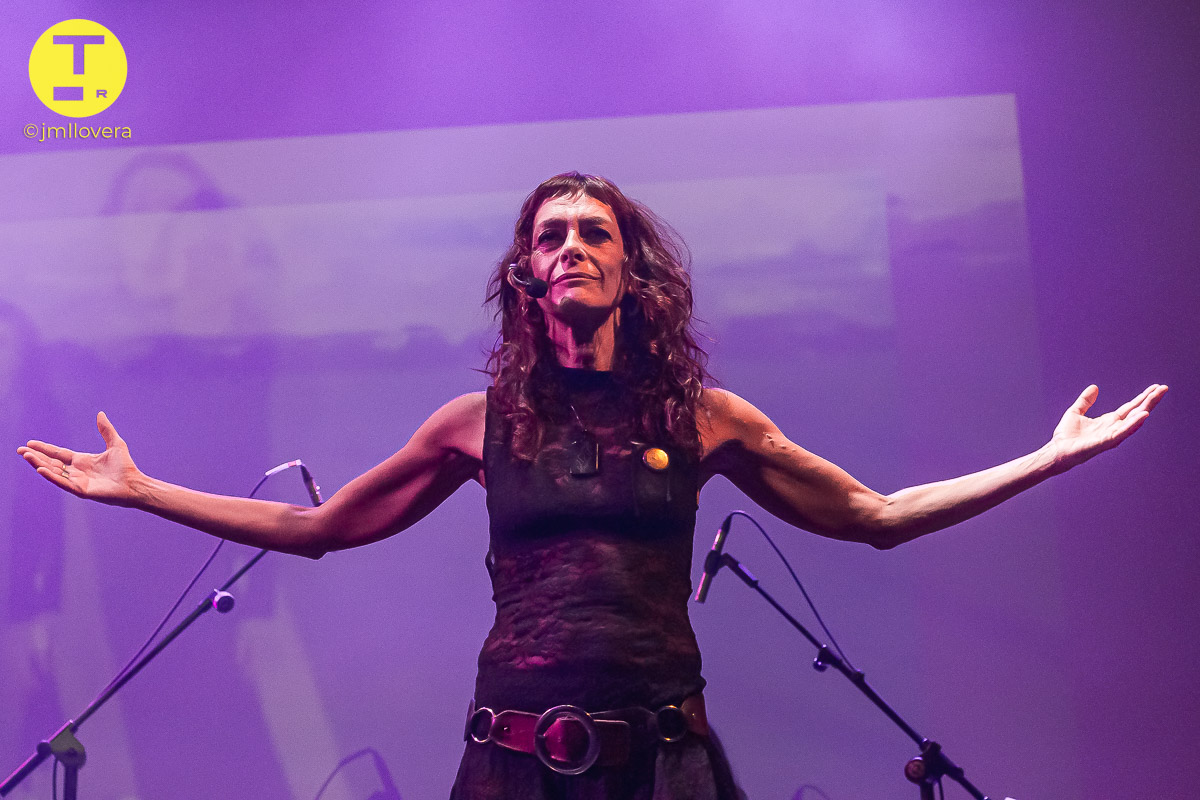
Elisenda Amartis, the band’s leader, kept up a performative attitude throughout the set, so that Amartis’s stage presence formed part of the artistic proposal. The show went beyond playing the music: Amartis’s continuous presence added a visual and expressive dimension to the evening, in tune with the experimental character of the band, and strengthened the group’s stage identity.
The set included spoken, repetitive passages that reinforced the conceptual character of the project. In pieces with messages such as “Despierta / Conecta con tu esencia / Reconecta”, the band built a message of awakening consciousness, with references to “The Matrix” and to the idea that “todos somos uno”. Other fragments spoke of sacred indifference, of time (“no se puede concebir el tiempo sin un antes y un después”) and of reality as a construction of the brain. Combined with loops and instrumental textures, these passages made the show an immersive experience rather than a simple chain of songs.
The setlist included eight pieces: “Umbilical Industrial”, “Despertador”, “Torno a mi”, “Avestruz”, “Faristol”, “Pachita”, “5ª Dimensión” and “Isla”. Thank you, Elisenda, for giving me your decorated, playful setlist!
Pizarnik: piano and voice in an atmosphere of their own
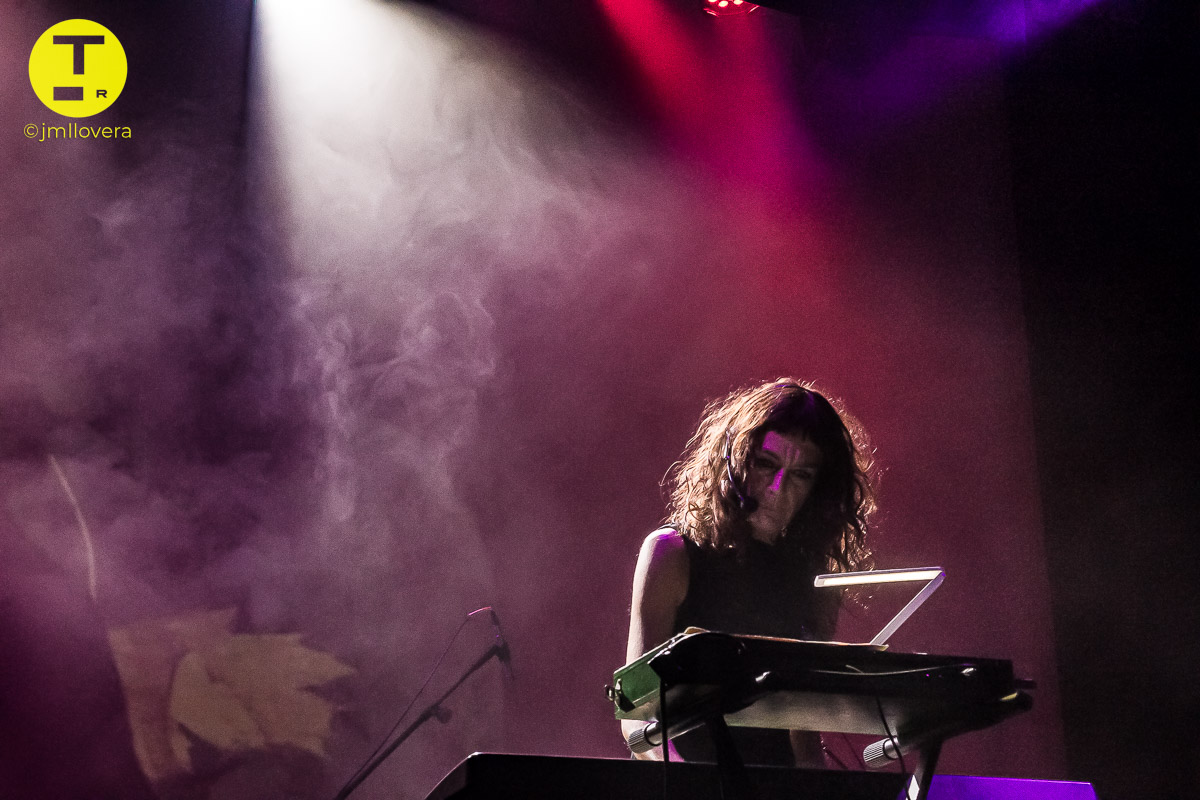
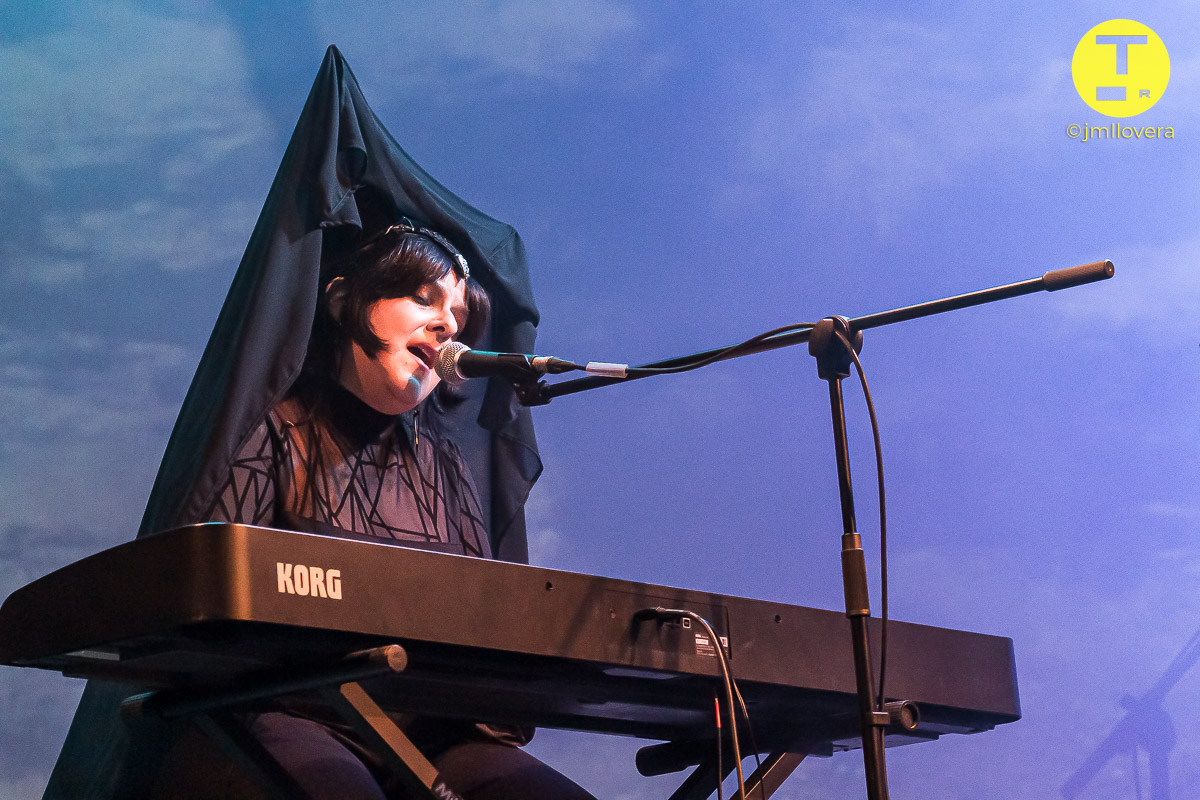
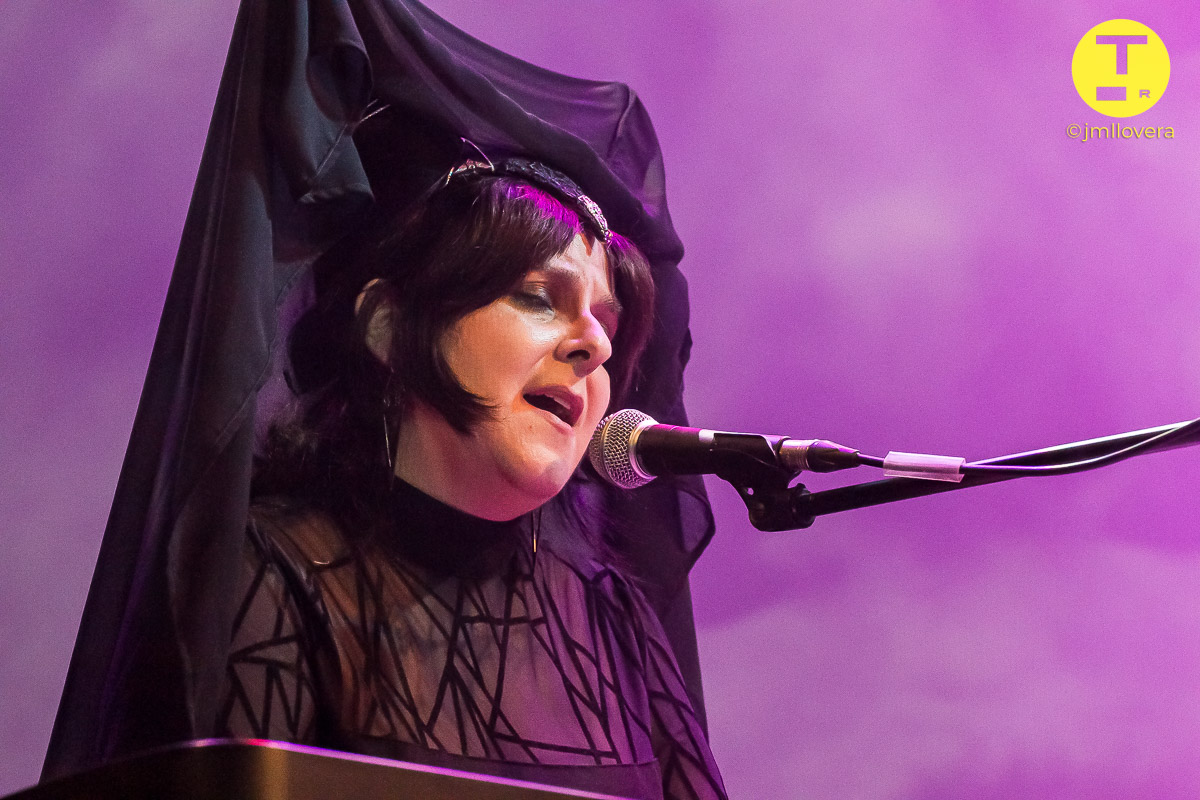
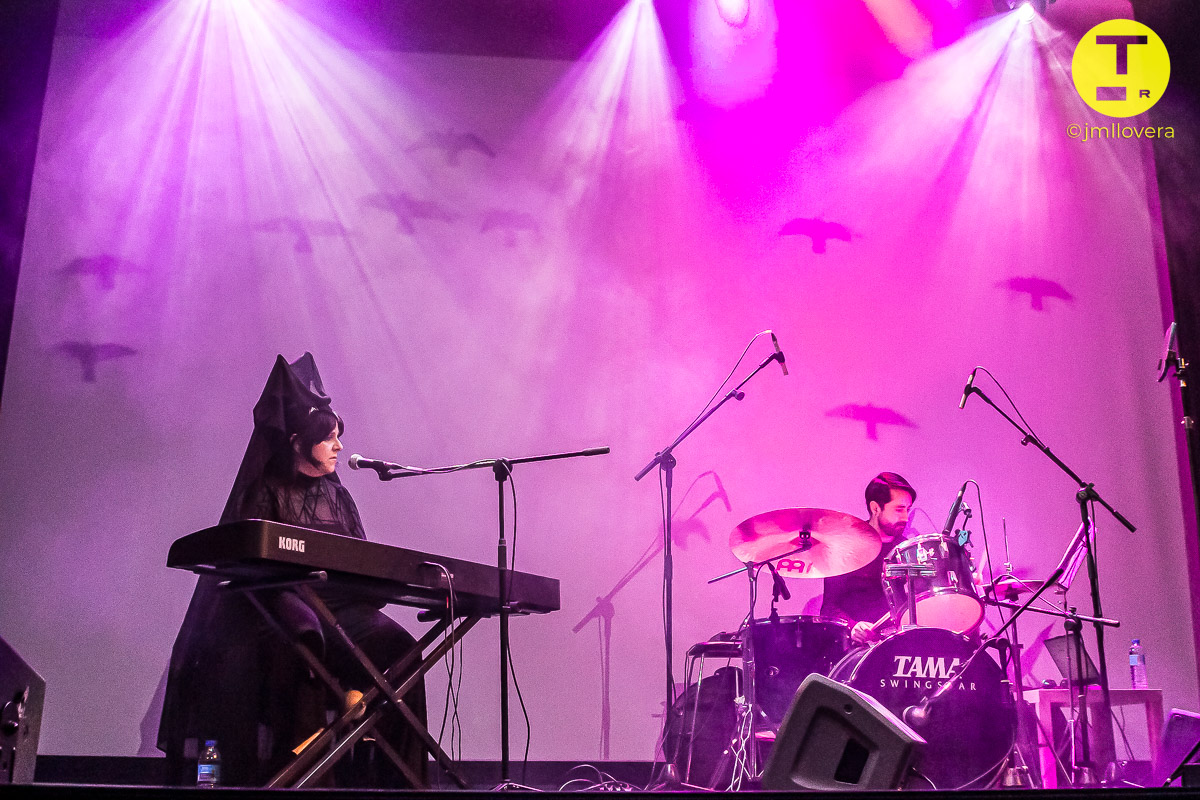
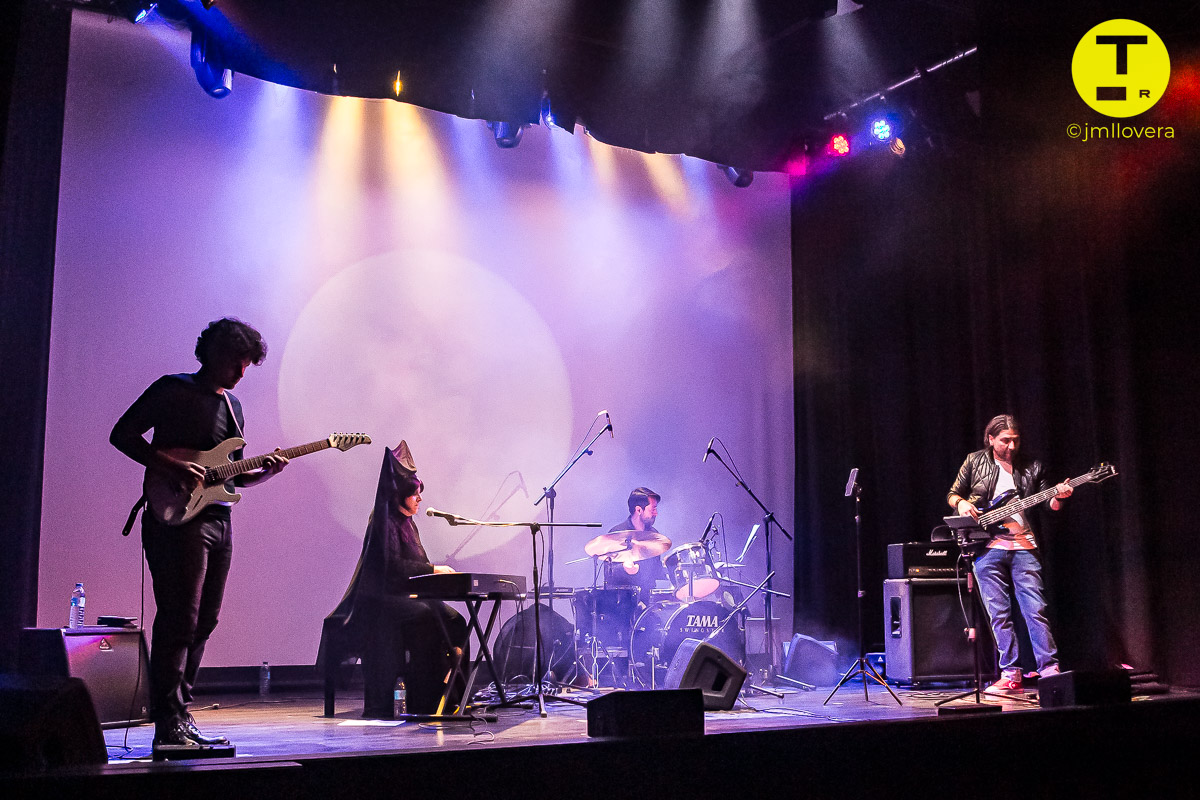
After Postludic Manifesto it was Pizarnik’s turn, a band that ventures into a musical territory combining post-rock with dark, atmospheric sounds close to dark prog. The selection of pieces ran through different sonic landscapes, from shorter compositions to others that leave more room for musical development.
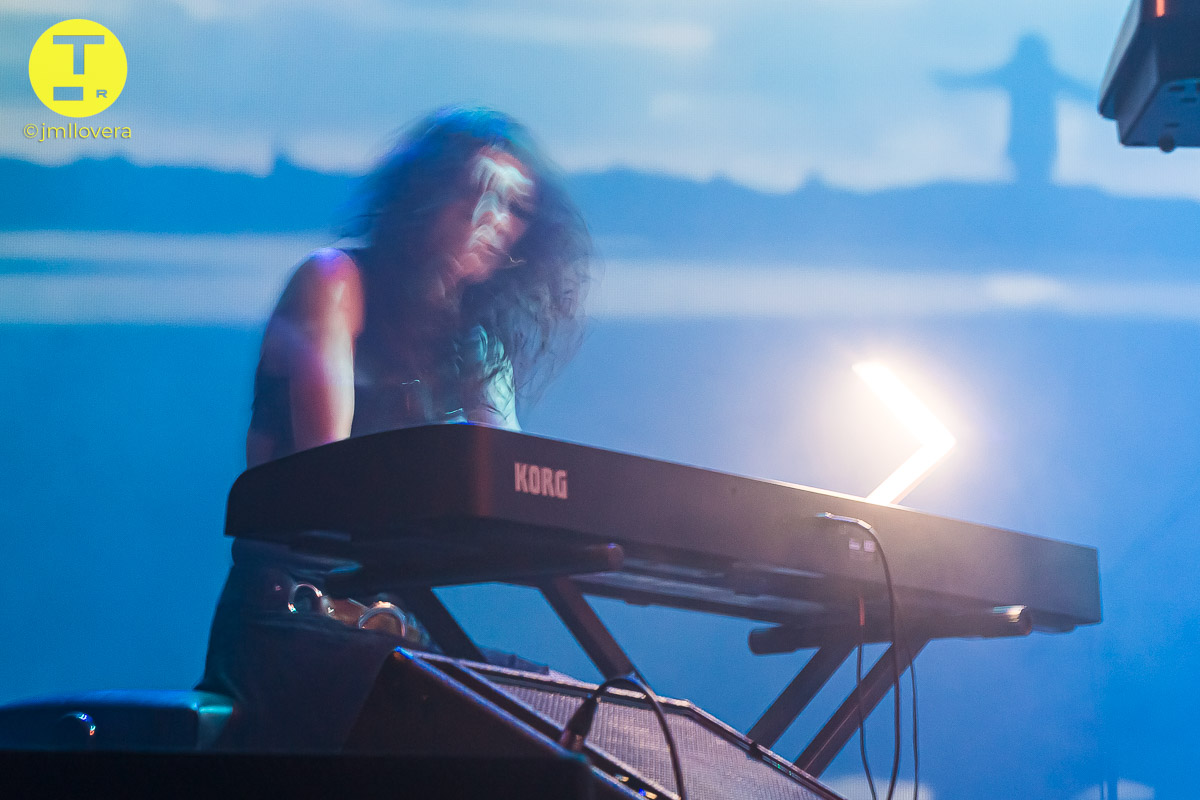
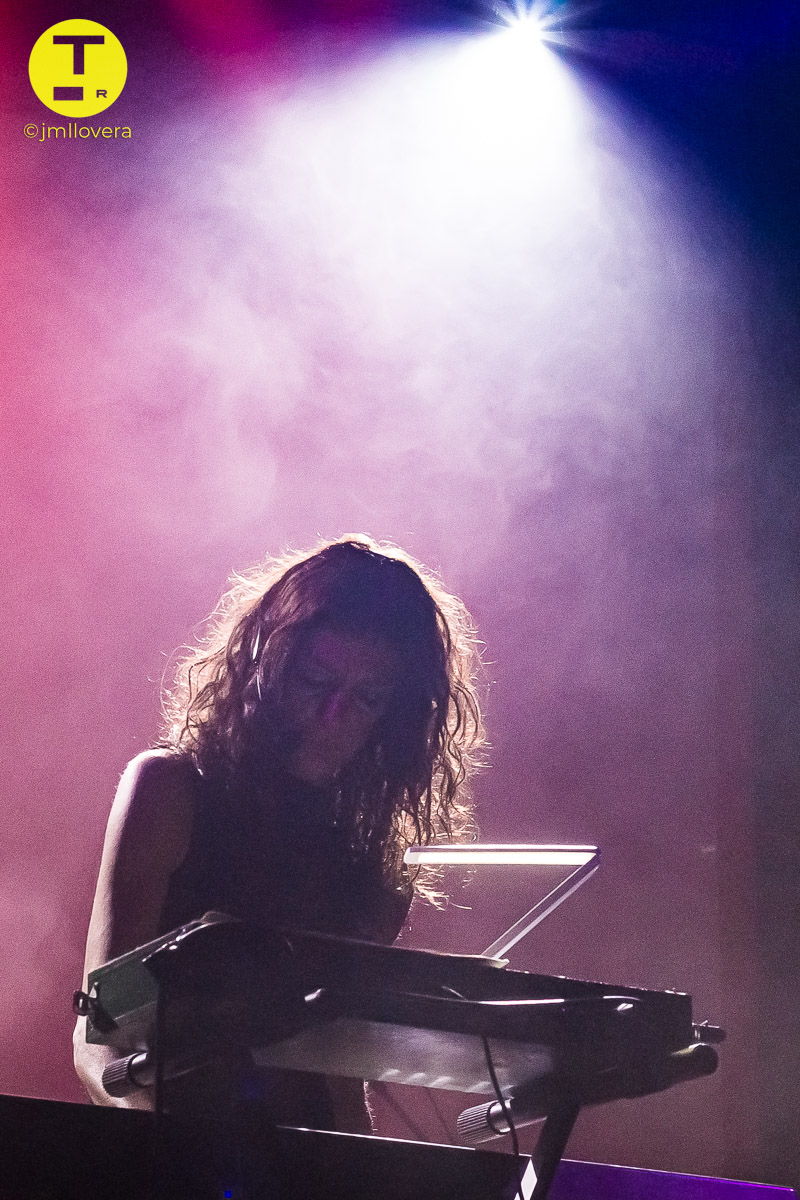
The band aims to create atmosphere and build an identity of its own within the Barcelona alternative scene. The repertoire included songs such as “Discordia”, “Luvina”, “Preludio”, “Reparación”, “Pájaros”, “Desierto”, “Luna” and “Viejeces”. The vocalist, Verónica, combined the piano with occasional vocal passages, alternating instrumental moments with passages in which the voice joined in. This combination added variety to the development of the repertoire and different expressive shades to the performance.
The set opened with desolate, intimate lyrics. In “Luvina”, which, as they explained from the stage, is based on the short story by Juan Rulfo, the voice moves through images of grey stone, muffled wind and barren rain, with a tone of existential anguish. Other songs such as “Pájaros” (“¿Dónde fuiste, dónde has ido? Las estrellas se han rendido…”) or “Desierto” (“En el desperdicio del tiempo… todo es vacío e infierno”) reinforce a universe of loss, absence and desolate inner landscapes.
The contrast between the instrumental passages and the moments when the voice takes centre stage was one of the most distinctive features of the show.
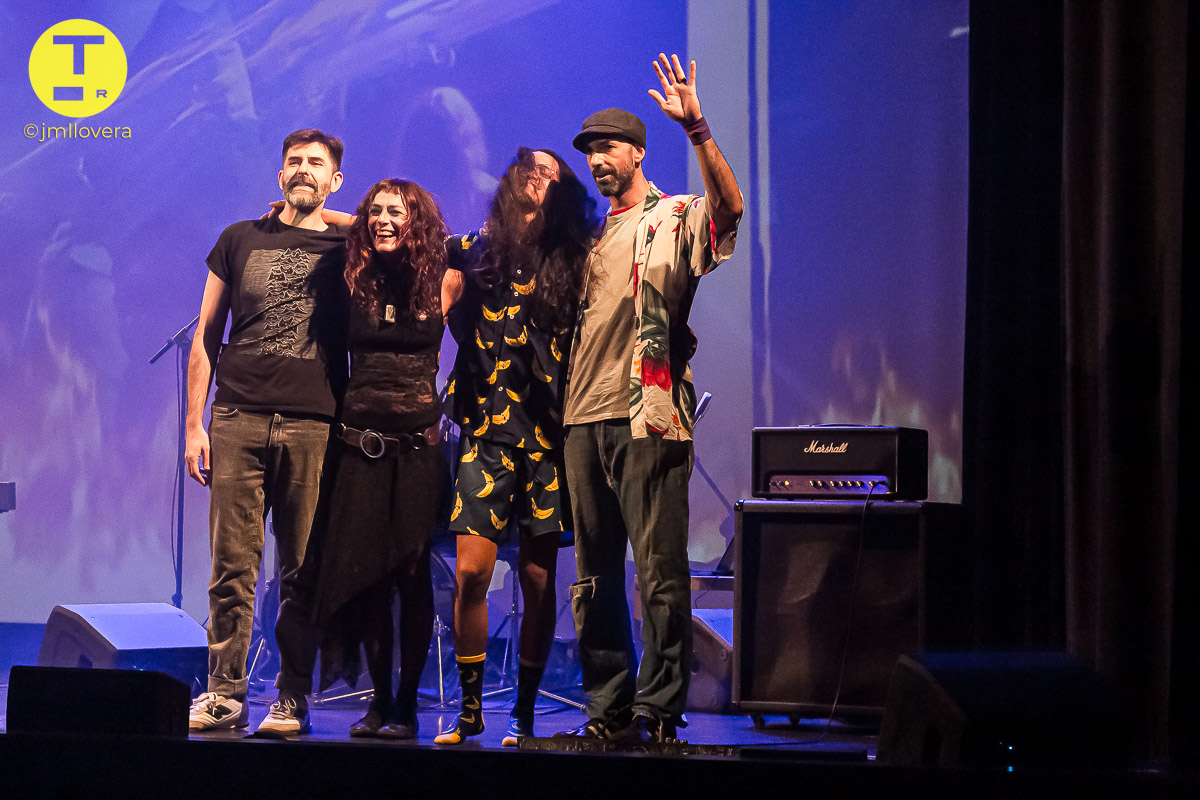
Both bands share an interest in going beyond conventional structures, but they do so from different perspectives: Pizarnik approaches the darker, more atmospheric side of alternative rock, while Postludic Manifesto explores the possibilities of psychedelia and progressive experimentation. This diversity suited an evening conceived to discover music that, as we noted at the start, does not always find room in the usual live-music circuits.
A scene that needs venues
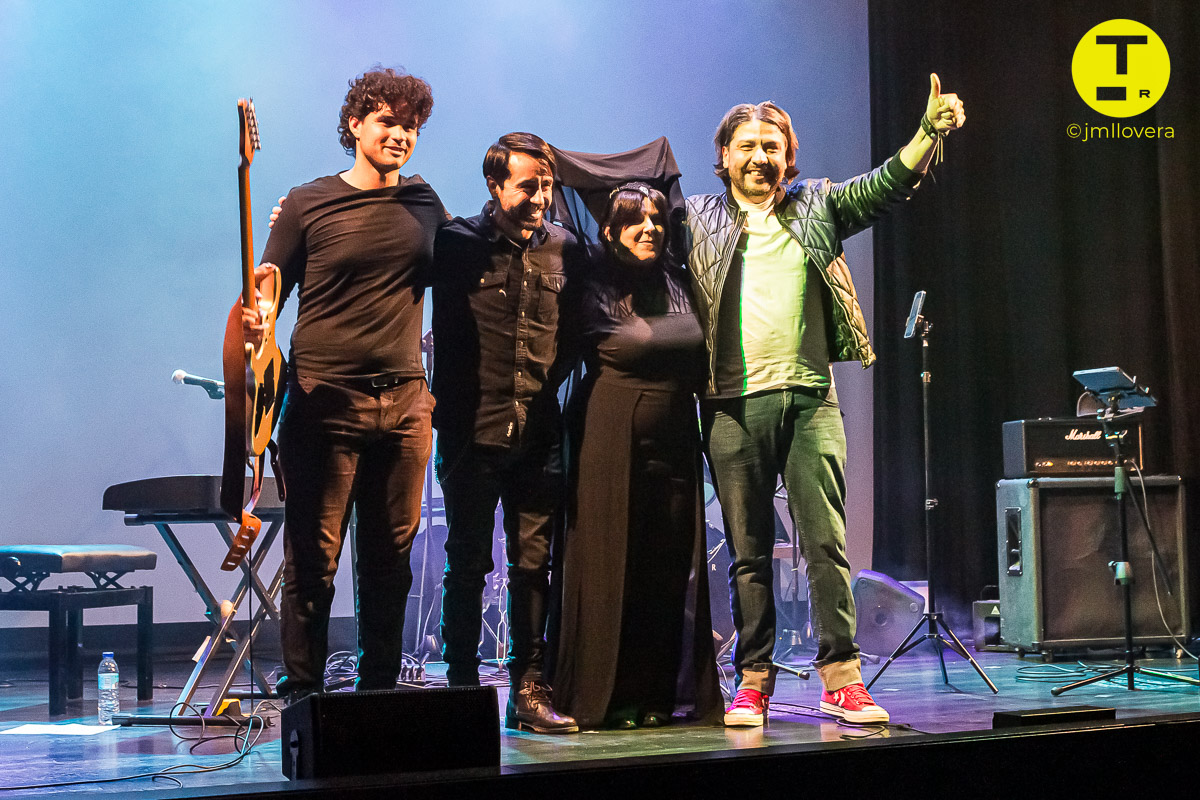
The good turnout, with an audience that was not limited to the most loyal followers of Tótum Revolútum, was one of the highlights of the night. It shows the interest these projects can spark when they have venues in which to present their music and reach new listeners. With initiatives like this, Tótum continues its work of supporting and promoting progressive rock, connecting bands and audiences and keeping a meeting place for the many expressions of the alternative scene in Barcelona.
Having the two bands on the same bill made it possible to present two approaches to a broad musical territory. Postludic Manifesto relied on performance, loops and conceptual texts about consciousness and reality; Pizarnik worked from a darker, more narrative atmosphere, with the piano and the voice at its centre.
See you again at Calàbria 66 on 28 November?
Joan Francesc Gras · Sudando Rock







More about this night: the concert preview, the Pizarnik profile and the report on their first night at Tótum, in February 2025.
Report: Joan Francesc Gras, in collaboration with Sudando Rock. Photographs: Josep Maria Llovera.