
Progressive RockMetalJazz
Writers:
David Sàez
Josep Maria Llovera
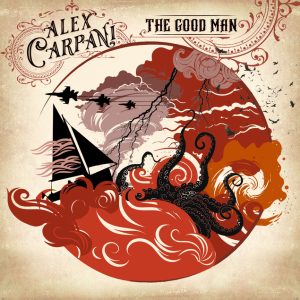
The Italian musicologist offers us two ways of listening to his new album: either as two 28-minute pieces for prog lovers, or as the same compositions split into separate tracks (worth noting that on some platforms these are mistitled) for those of us not used to long listens. Either way, the fact remains this is an excellent neo-prog record that reshapes its own leitmotif at times, carrying the atmospheric moods typical of concept works, and playing with contrasts between rock forcefulness and a tenor sax’s delicacy. All wrapped up in modern, flawless production.
Despite being Brazilian, their sound and compositions feel lifted straight out of any seventies Italian progressive-rock band, though with somewhat lacking quality in performance, execution and production alike. And some of their tracks sound like they were pulled straight out of any yé-yé party band, to boot. In short, it could be good if it weren’t so flawed.
Astral Bazaar “Hypnosis of the 12th Degree”
A release from Helsinki, sitting halfway between psychedelic prog and a touch of the Canterbury scene. But, unlike another new release you’ll find at the end of this article, this one ends up lacking real interest, given the flat, unremarkable development of its compositions. So if you like this kind of music, we’d suggest spending your time on the final recommendation instead, and then comparing, to see if you agree there’s simply no comparison.
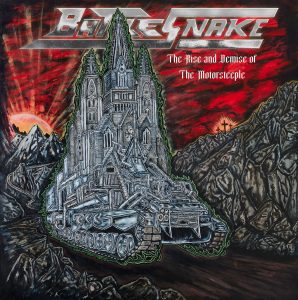
Battlesnake “The Rise and Demise of the Motorsteeple”
Unlike another band mentioned elsewhere here, this Sydney band uses humour as a vehicle to sneak in high-quality music, packed with prog elements plenty of other bands in the genre would love to have. They sit close to bands like Judas Priest, Ghost, Blue Öyster Cult or Green Lung, but don’t be surprised either if you’re a fan of Elder or Wishbone Ash. It’s not just recommended, it’s essential listening — it goes down as easily as a cold beer in August.
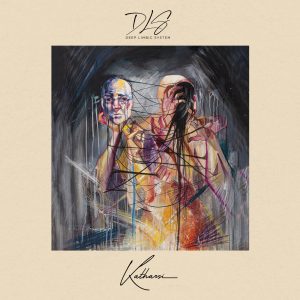
From Ciudad Juárez comes this band’s second full-length record. We’ve had to wait eight years, but it’s been worth it. With more than obvious influences from acts like Riverside, or solo artists like Steven Wilson, they offer up lovely compositions that sometimes drift toward more Flower Kings-style sonorities.
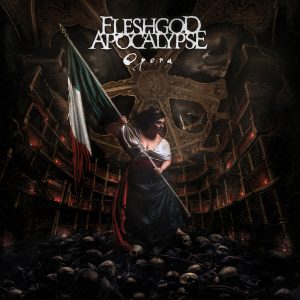
No, look, the intention was good and interesting: let’s mix opera with death metal — what could possibly go wrong? The result is a Schoenberg musical with the sound of a jackhammer running in the background, a singer urgently in need of some cough drops, and the whole thing slathered in pretension and pomposity. Deep down, it’s genuinely nice that there’s music out there that makes you laugh a little. We wish them every success, and it seems they’ve got plenty of it, even if it remains incomprehensible to us.
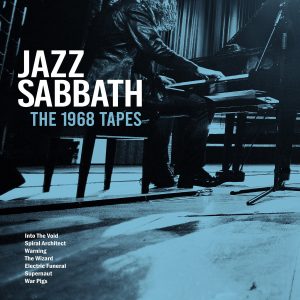
The concept is simple enough: songs by the legendary band Black Sabbath, reinterpreted in a jazz idiom. Piano adaptations of the Birmingham classics, elegantly done and musically flawless. Beyond that, they’ve built a rather charming backstory, in which composer Milton Keanes and his band, Jazz Sabbath, were about to release the very record we’re covering here, back in 1968, but a string of misfortunes (heart attacks, fires that burned all the archives and recording tapes) got in the way. Curiously, in another Birmingham, a local band would soon start finding success with songs that sounded remarkably similar, though in a rawer, more distorted tone that would later come to be known as Heavy Metal: that band was Black Sabbath. Fortunately, it seems their early recordings, long thought lost, have started turning up after all.
In reality, Milton Keanes is the alter ego of Adam Wakeman, yes, Rick Wakeman’s son, who’s been keyboardist for Ozzy Osbourne and for Black Sabbath themselves. He gifts us an album of covers that jazz fans and BS followers alike will enjoy… or maybe not, since we all know some things are best left untouched.
Hey, these folks are already three full-lengths deep! Your feet will surely start tapping along to the various jazzy rhythms, or you’ll crack a smile now and then recognising dark melodies given such a curious, improbable treatment. Ideal to accompany a dinner at a fancy restaurant, the kind with a pianist — but for gourmet metalheads.
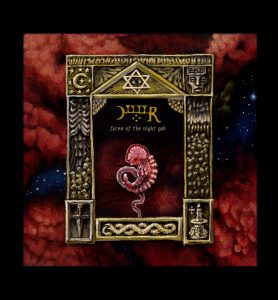
This Estonian band navigates between prog, psychedelia and metal, with a fairly exciting result. On this third record, the rhythmic syncopations get dangerously close to Tool, the melodies to O.S.I., and the vocal delivery to an early-days Riverside. On “Faces of the Night God” we find a more accessible tone than on previous records, while still keeping the aggression and force that define them. A well-struck combination that’s sure to please fans of Maynard James Keegan or Mariusz Duda, or, at the very least, could serve as a good entry point for newcomers to this style.
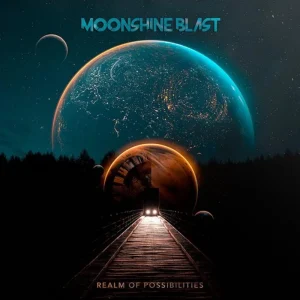
Moonshine Blast “A Realm of Possibilities”
This band, formed in Yerres, could really use better production on this record. There’s a handful of lovely songs in the style of The Pinneaple Thief, Big Big Train or Mistery, though none of them particularly stand out. The best thing for their career would be to get advice from a producer experienced in the genre and invest more in the production process. Pretty middling, all told.
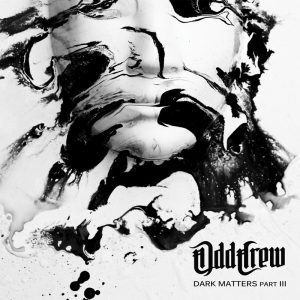
Odd Crew “Dark Matters Part III”
They say there’s no two without three; well, here’s the third part of the “Dark Matters” series. If you recall, we did an extensive review of part two. And once again, we find a high-quality record. A touch more melodic, less complex, with a profusion of minor chords, and, that said, a vocal treatment that’s a bit too uniform. It in no way falls short of the rest of their discography.
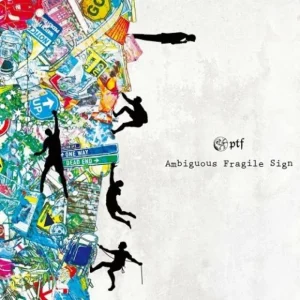
The band led by violinist Keisuke Takashima has put together this new record, packed with references that will make for an excellent listen. There are certainly passages recalling albums by other reference-point symphonic-rock violinists like Jean-Luc Ponty or Jerry Goodman, but also more forceful passages in the style of Eddie Jobson. Either way, the musical language on display is of the highest quality, and anyone with a bit of sensitivity for this kind of thing will thoroughly enjoy it.
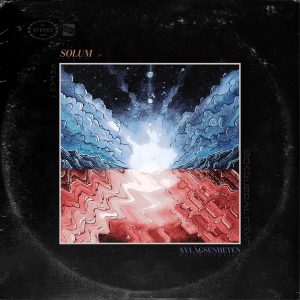
Christian Fredriksson’s instrumental solo project — you might recognise him as the guitarist for the Swedish band Vulkan, who are, in fact, currently working on their new album. While we wait for that, we can enjoy this excellent showcase of this artist’s talent, taking us down several prog paths, from tracks close to metal to others with greater delicacy and subtlety. Plenty of rhythmic and compositional complexity, always delivered with power and real class.

A very digestible EP blending different styles unified by the concept of instrumental electronic music close to funk, played by this Denver trio. It might remind you of a danceable version of Tauk or Forq, for example. Worth saying the EP format suits it very well, since a longer runtime could easily tip it into the murky category of trendy-clothes-shop background music.

Known as The Flower Kings’ keyboardist, here he presents a side of himself leaning more toward jazz-rock, with a few progressive-rock tics and the odd melody that might recall Camel, generously speaking. Nothing particularly stands out here, beyond a correct performance and the corny keyboard tones so characteristic of this player.
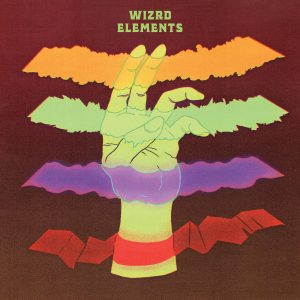
As mentioned earlier, here’s another take on psychedelic prog, this time coming from Oslo. In the style of Gong, and of Canterbury-scene prog in the vein of Caravan, with those jazz-rock touches also characteristic of bands like Camel. With a real density of instrumentation and production trying to evoke the sounds of those early seventies, they present a second full-length record that’s well worth listening to and could well earn a spot among 2024’s best recommendations.
Writers: David Sàez, Josep Maria Llovera