
Tangerine Dream
Tangerine Dream, pioneers of electronic music and krautrock from Berlin.
Les novetats, cròniques, entrevistes i concerts de rock progressiu —rock progresivo, en castellà—, en català: des dels grans clàssics fins a les bandes que avui construeixen obres extenses i ambicioses, amb capes de so i estructures que trenquen el format cancó. Tótum Revolútum Press hi dedica seguiment i cobertura des del 2015.
Tangerine Dream, pioneers of electronic music and krautrock from Berlin.
Triana, the founding band of “Andalusian rock”, which fuses flamenco and progressive rock.
The Flower Kings, Roine Stolt’s Swedish band, one of the most prolific in neo-prog since the nineties.
Spock’s Beard, a Los Angeles band founded in 1992 by brothers Neal and Alan Morse, led the revival of North American symphonic rock during the nineties.
Pendragon, one of the key bands of British neo-prog, led from the start by Nick Barrett.
IQ, one of the founding bands of eighties British neo-prog.
Focus, the Dutch band that turned an instrumental piece with yodelling, “Hocus Pocus”, into an international hit, and whose guitarist, Jan Akkerman, was voted best in the world ahead of Clapton and Hendrix.
Van der Graaf Generator, Peter Hammill’s band: with no permanent bassist, with two saxophones sounding at once, and more popular in Italy than in their own country for years.
PFM (Premiata Forneria Marconi), the most important Italian progressive rock band and the first to break out of Italy: signed to the label of Emerson, Lake & Palmer themselves to try it in English.
Faust, perhaps the most experimental band in krautrock: a farmhouse turned into a studio, tape techniques borrowed from musique concrète and an album that Virgin sold at the price of a single to make them known.
Can, one of the bands that defined krautrock: two students of Stockhausen, a drummer of near-mechanical precision and a Japanese singer recruited while singing in the street in Munich on the very day he made his debut.
Magma, the band Christian Vander built around an invented language and a science-fiction mythology of its own, and which ended up giving its name to a whole genre: zeuhl.
Tool, the most hermetic band in progressive metal: thirteen years between albums, structures inspired by the Fibonacci sequence and a public image that avoids almost any exposure.
Opeth, from the death metal with acoustic passages of “Blackwater Park” to the total turn towards seventies progressive rock beginning with “Heritage”: Mikael Åkerfeldt has never stopped changing the band’s sound.
Dream Theater, the band that took progressive-metal technique to the extreme at the Berklee College of Music, with an unexpected radio hit, “Pull Me Under”, and a drummer’s exit and return that marked two decades of the band.
Marillion, the band that revived British progressive rock with Fish in the eighties and that, with Steve Hogarth, ended up inventing the direct fan funding later popularised by Kickstarter.
Gentle Giant, perhaps the most musically demanding band of all seventies progressive rock: polyrhythms, medieval influences and musicians who swapped instruments live, not just in the studio.
Porcupine Tree, Steven Wilson’s fictitious project that ended up becoming a real band: from the home-recorded psychedelic rock of the nineties to the progressive metal of “Fear of a Blank Planet”.
Camel, the most melodic and least lyric-laden prog of the seventies: the instrumental album “The Snow Goose” even took them to court, over the author of the novel that had inspired it.
Emerson, Lake & Palmer, the supergroup that took adapted classical music and stadium spectacle to the limit of progressive rock, until their own stage production ended up ruining them.
Jethro Tull, Ian Anderson’s band and his flute played on one leg: from British blues to the mock concept album “Thick as a Brick” and a Grammy still remembered as one of the strangest in history.
Rush, the Toronto trio that never changed its lineup for more than forty years: from the epic of “2112” to the success of “Tom Sawyer”, to the retirement forced by Neil Peart’s health.
Yes, the band that took the instrumental virtuosity of progressive rock to its limit with “Close to the Edge” and that, ten years later, returned to the top of the charts with “Owner of a Lonely Heart”.
Genesis, from Peter Gabriel’s progressive theatricality to Phil Collins’s stadium pop: how one of the most ambitious bands of the seventies ended up becoming one of the best-selling of the eighties.
King Crimson, the band Robert Fripp has dissolved and re-formed half a dozen times since 1969: the group that all but invented progressive rock and has never stopped breaking with its own earlier sound.
Pink Floyd, from Syd Barrett’s psychedelic rock to Roger Waters’s concepts: lineup, complete discography, the break-up and why they no longer play together.
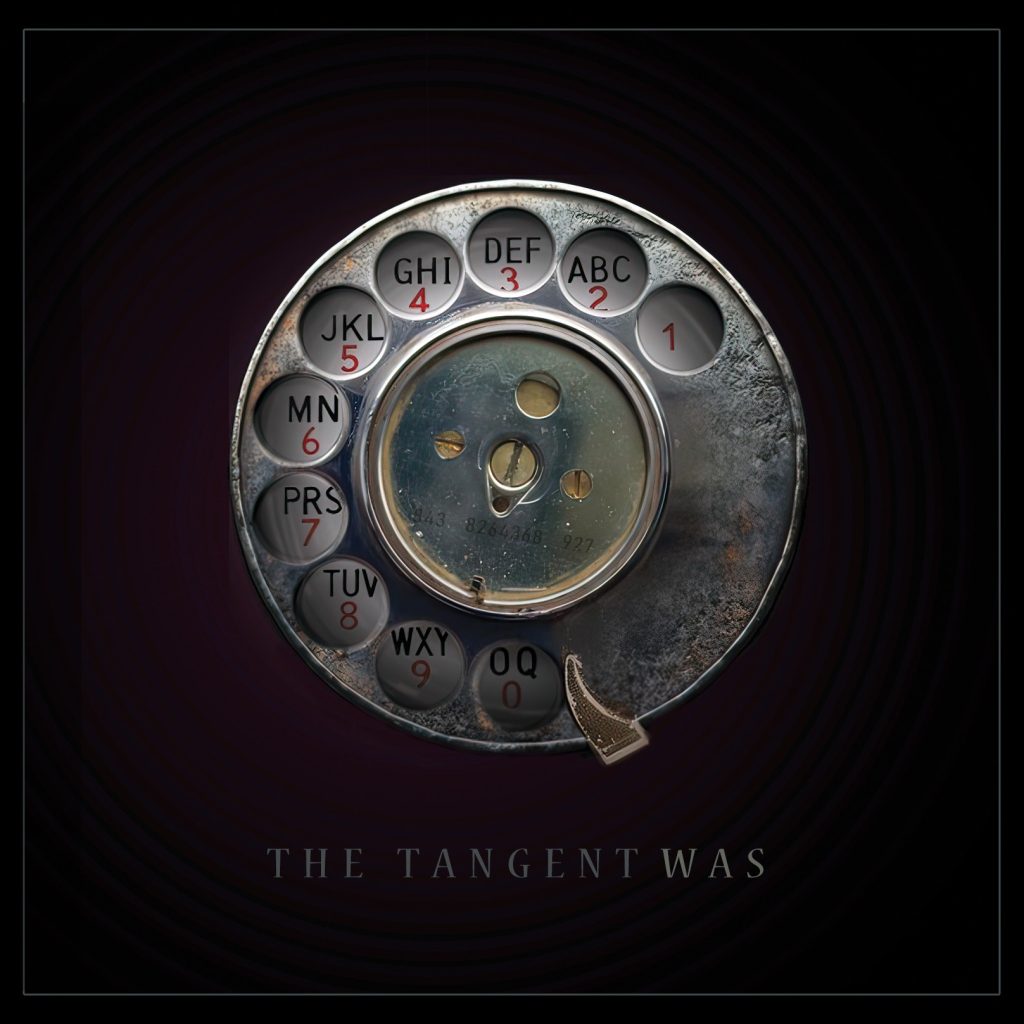
A fourteenth studio album, across two CDs and a hundred minutes and forty-six seconds on White Knight Records. The first has lyrics; the second is an instrumental suite.
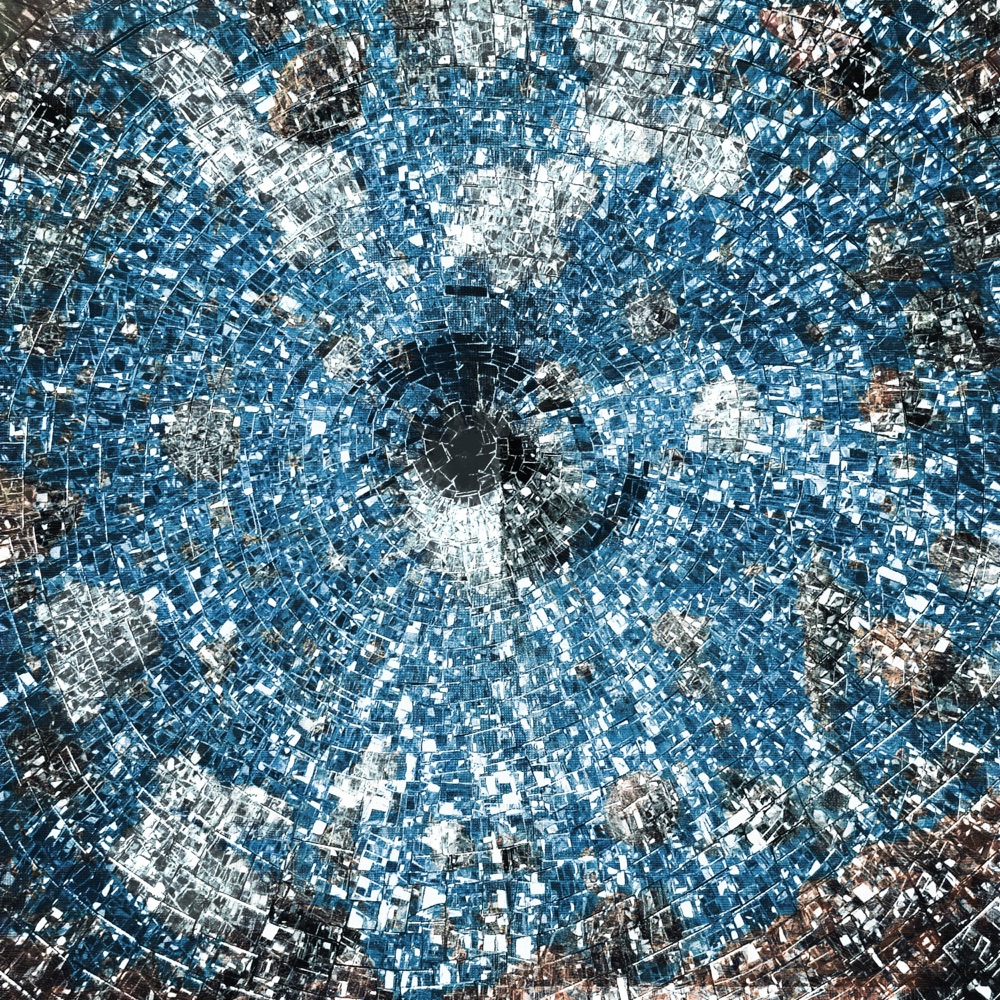
Twenty-seven years of Markus Reuter’s archived improvisations, rewritten in Brescia by Stefano Castagna, and the first vocals either has recorded, run through a vocoder: eleven tracks of sonic magical realism.

Thirteen years after “Redacted”, Also Eden return with four tracks and two of them are the same song: “Scented Candle Corridors” justifies the wait, but the acoustic “Promises” takes up too much room.
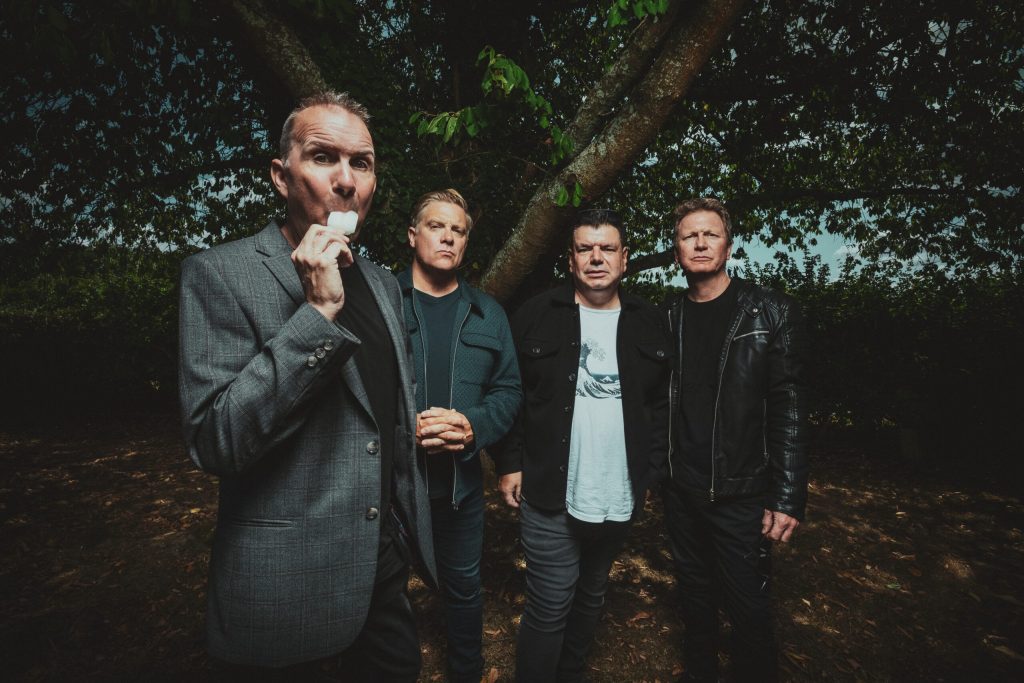
Six shows in spring 2027, a two-hour set and the live debut of “Life In The Wires”. Tickets go on sale on 2 October.
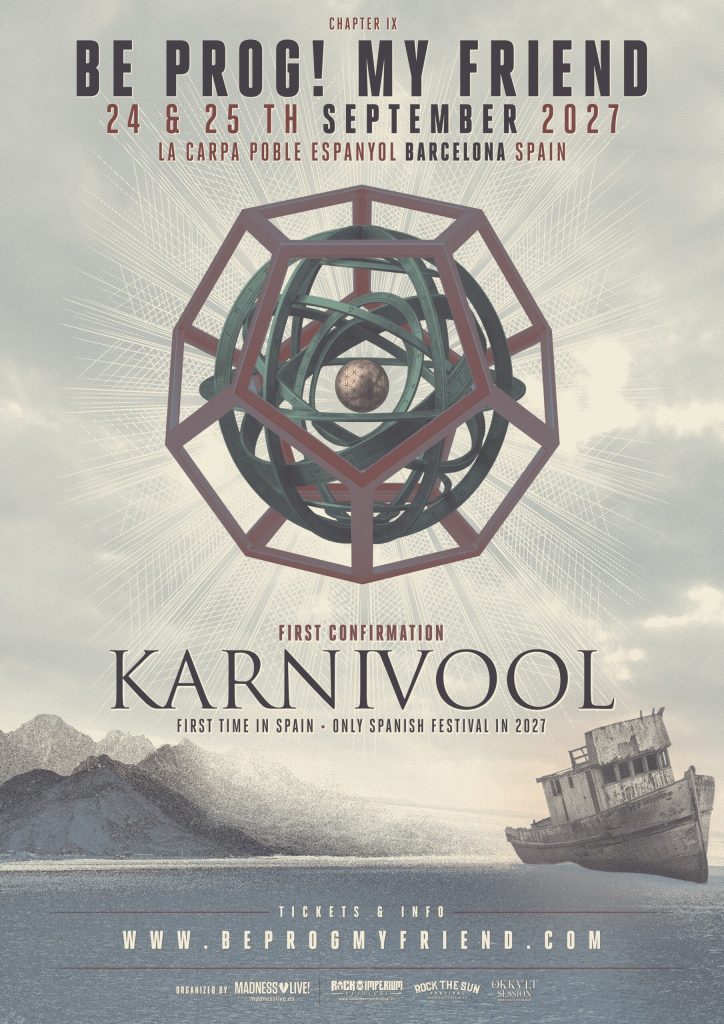
The festival holds its ninth chapter on 24 and 25 September 2027 at La Carpa del Poble Espanyol. For the Australians it is their only Spanish festival of the year.
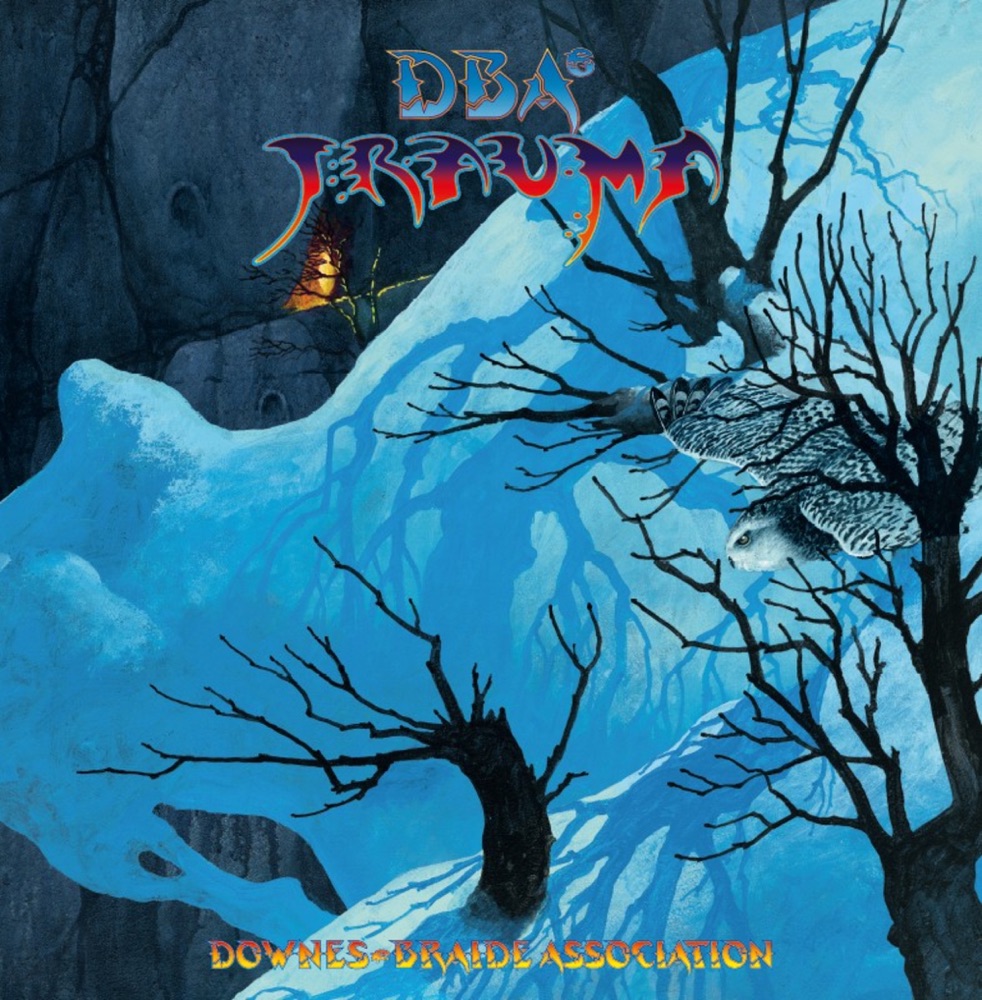
Downes Braide Association’s sixth album lands three years after “Celestial Songs”, with Marc Almond on “Juliet” and David Longdon’s flute from the 2018 sessions: ten tracks and one long piece.
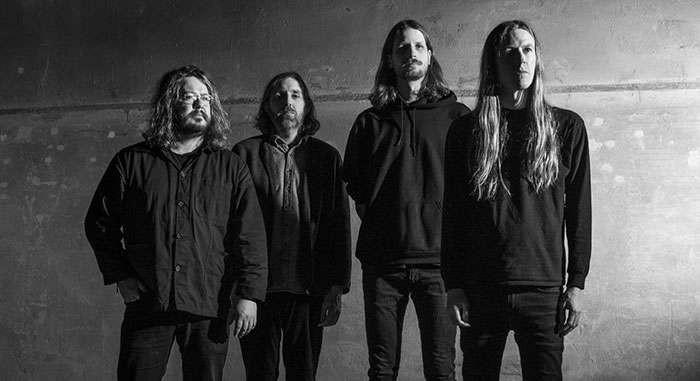
Donovan was admitted in Portland during the tour with Blackwater Holylight. The band had played as a trio and now halt Seattle, Denver, Chicago and New York.
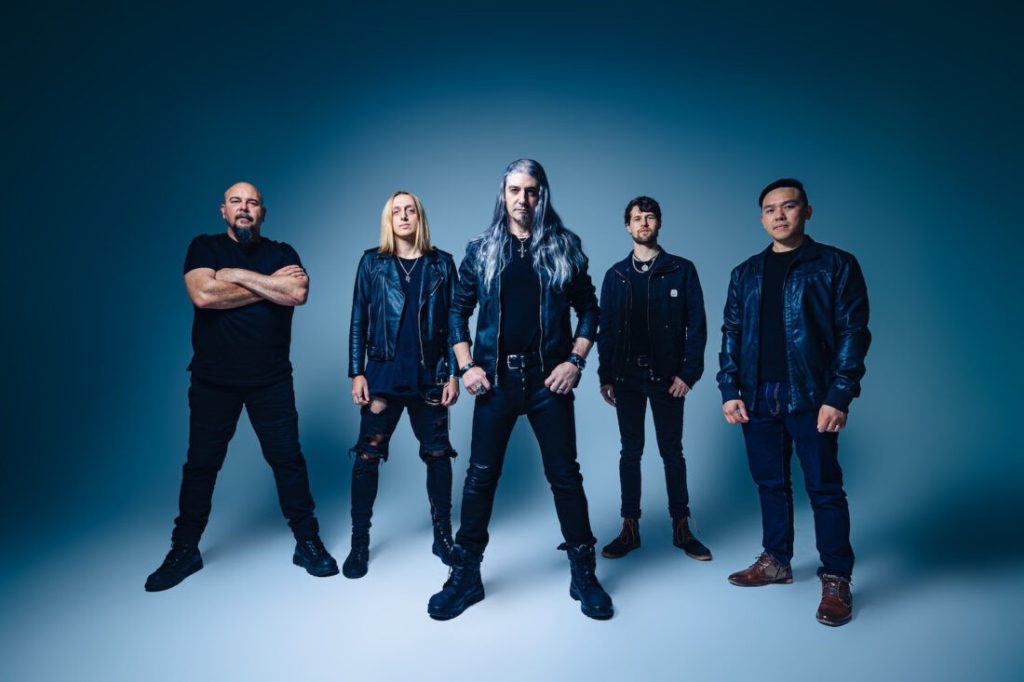
Nine tracks produced by guitarist Chris Porcianko and drummer Damien Hall, with “Bring Me The Night” already out. No label has been announced.
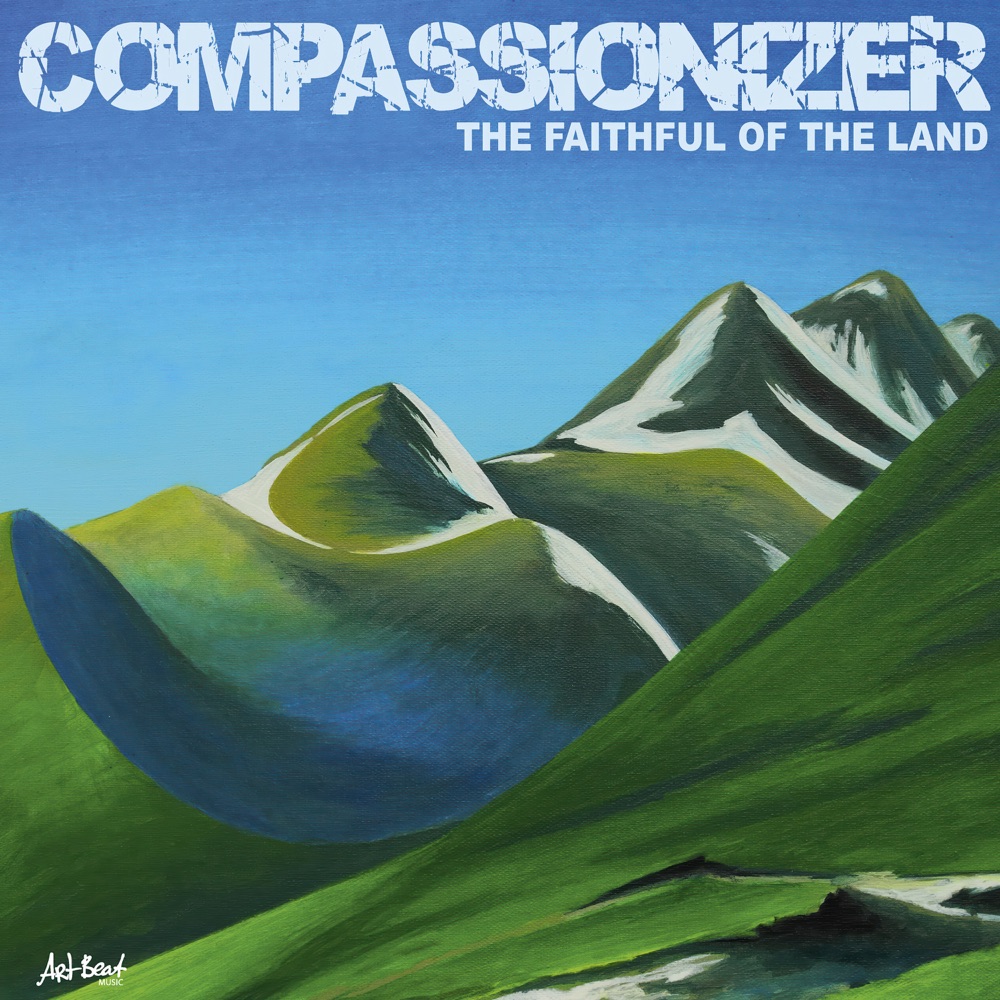
The fifth album by Ivan Rozmainsky’s project arrives with one large change: a lead voice, Slovenian singer Sabina Vostner, in a chamber avant-prog that has always lived on its instrumentation.
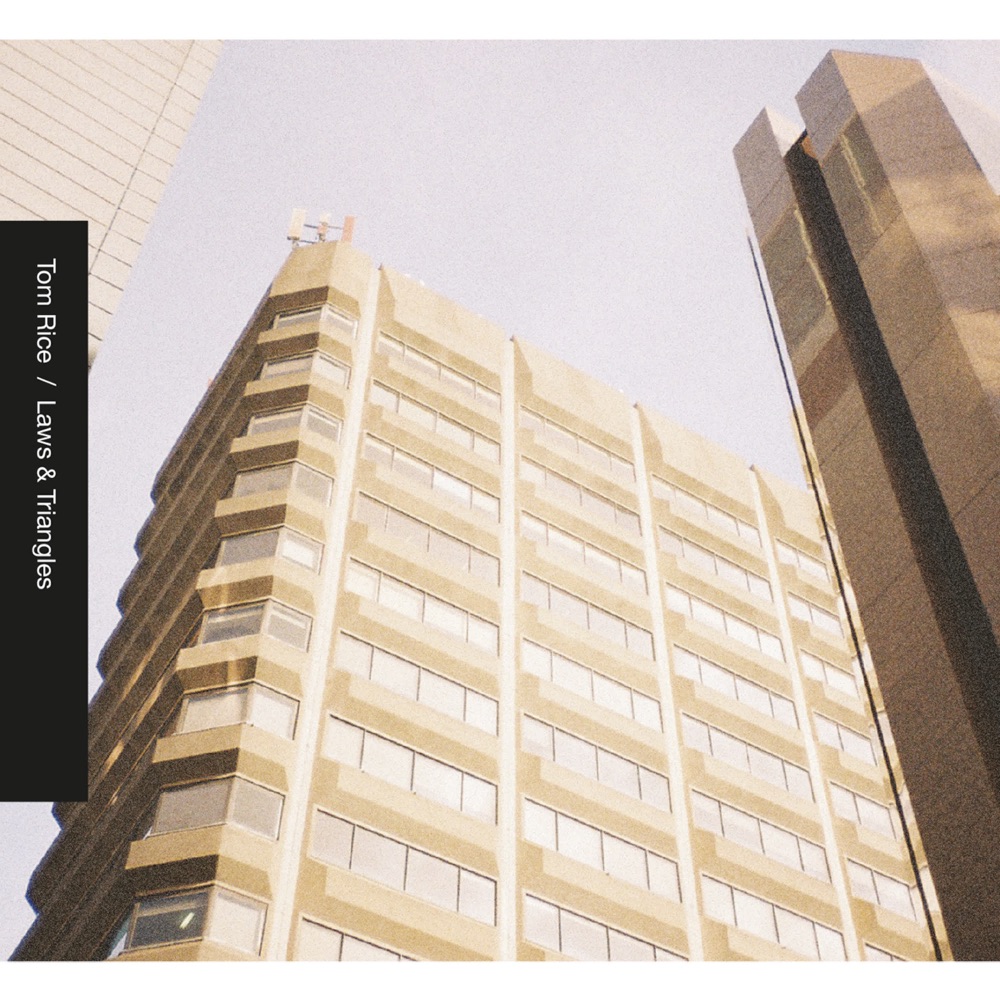
Four tracks and twenty-three minutes of instrumental prog metal written from behind the kit. The first solo EP by the drummer of Konom, who covered for Dave Lombardo in Empire State Bastard.
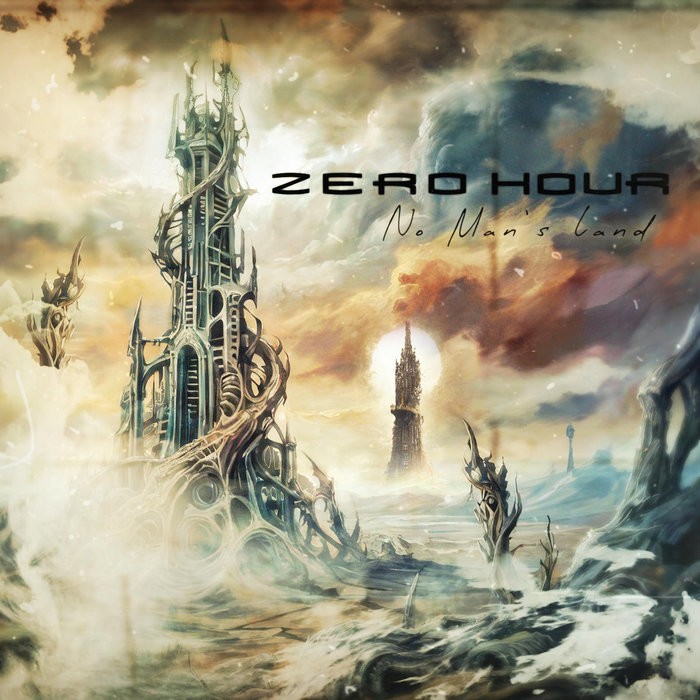
Two new songs running past thirteen minutes each, plus instrumental versions of both. Out on the band’s own label, CynNormal Lab.
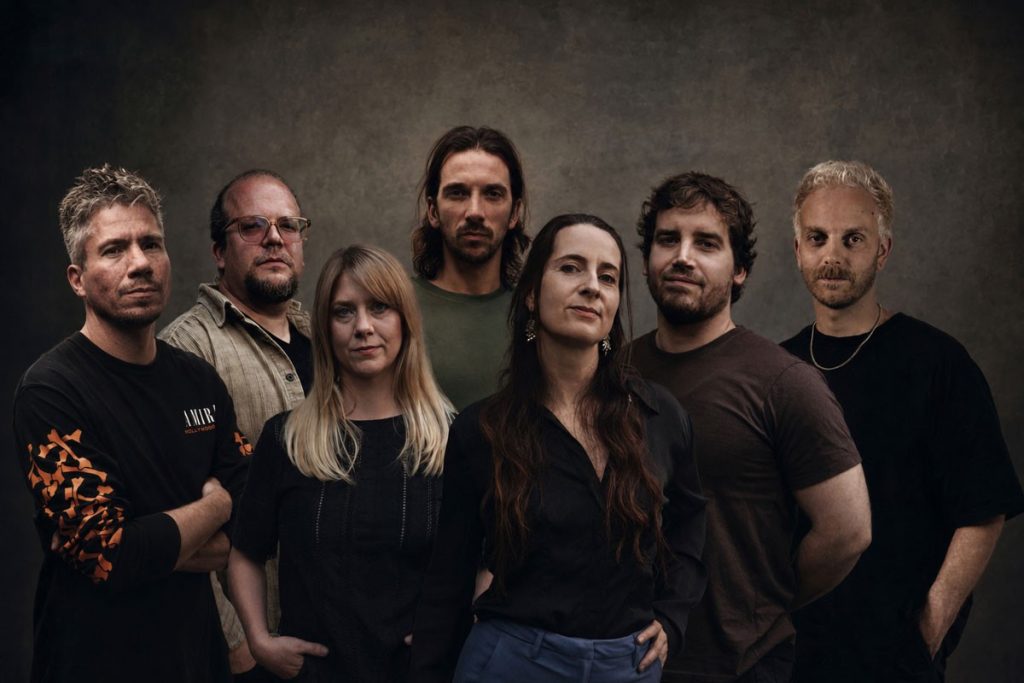
Produced by John Cornfield and mastered by Steve Kitch of The Pineapple Thief. Third single “Hidden Fire” is about AI-made music.
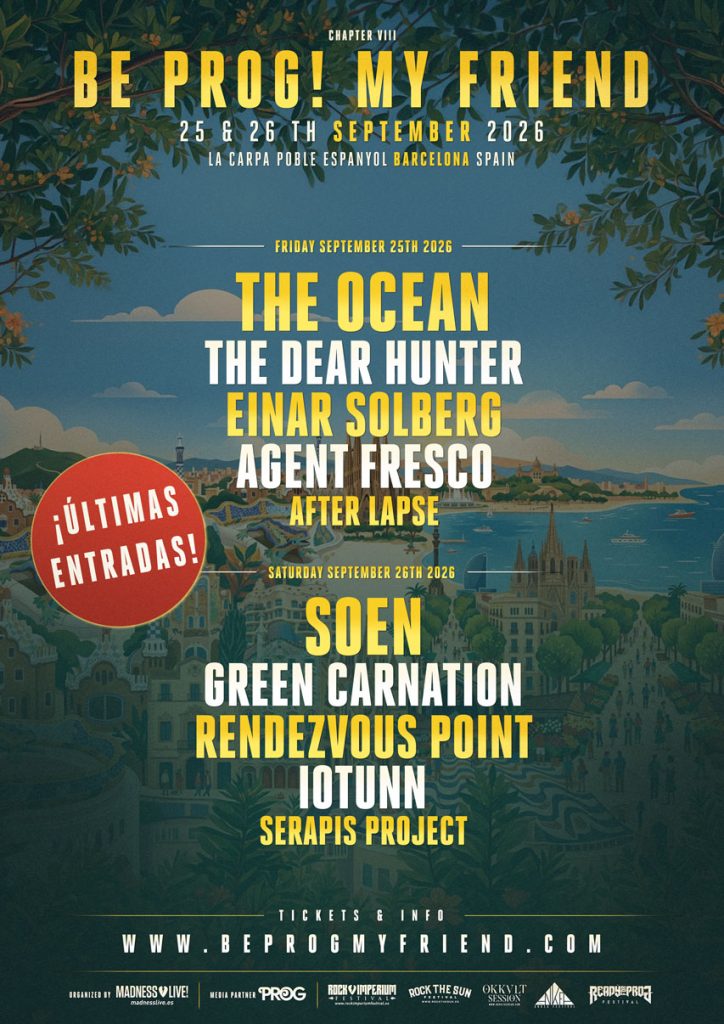
Friday 24 and Saturday 25 September 2027 at La Carpa del Poble Espanyol, doors at three, pass €115. The line-up is still unknown.
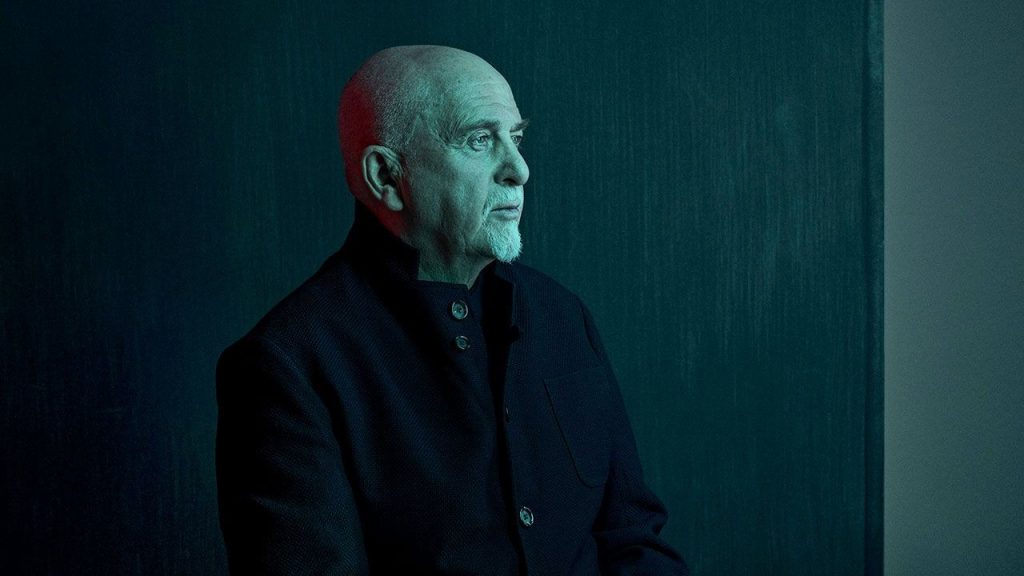
It came out on Saturday’s full moon with Tchad Blake’s Dark-Side Mix. The Bright-Side follows on the new moon of 10 October.
Readers' survey
Rate up to 150 progressive rock, metal and jazz-fusion bands and get your personal ranking -- plus the Tótum readers' overall one.
I want to vote →