
Secta Sònica
Secta Sònica, the Barcelona progressive rock band of the 1970s Laietana scene, formed by Xavier Pérez (Gato Pérez), Rafael Zaragoza, Jordi Bonell and Víctor Cortina, author of Fred Pedralbes (1976) and Astroferia (1977).
Jazz, en català: discos, concerts i figures del gènere, des dels segells històrics fins als projectes actuals que continuen ampliant el llenguatge de la improvisació. Tótum Revolútum Press hi dedica ressenyes i cobertura de concerts a Catalunya amb la mateixa atenció que al rock progressiu i el metal.
Secta Sònica, the Barcelona progressive rock band of the 1970s Laietana scene, formed by Xavier Pérez (Gato Pérez), Rafael Zaragoza, Jordi Bonell and Víctor Cortina, author of Fred Pedralbes (1976) and Astroferia (1977).
Orquestra Mirasol, the Catalan jazz and progressive rock band of the 1970s that released Salsa Catalana (1974) and D’oca a oca i tira que et toca (1975) before changing its name to Mirasol Colores.
Jaga Jazzist, the Norwegian ensemble formed in 1994 in Tønsberg, whose members include the siblings Lars, Line and Martin Horntveth, with Pyramid (2020) released by Brainfeeder.
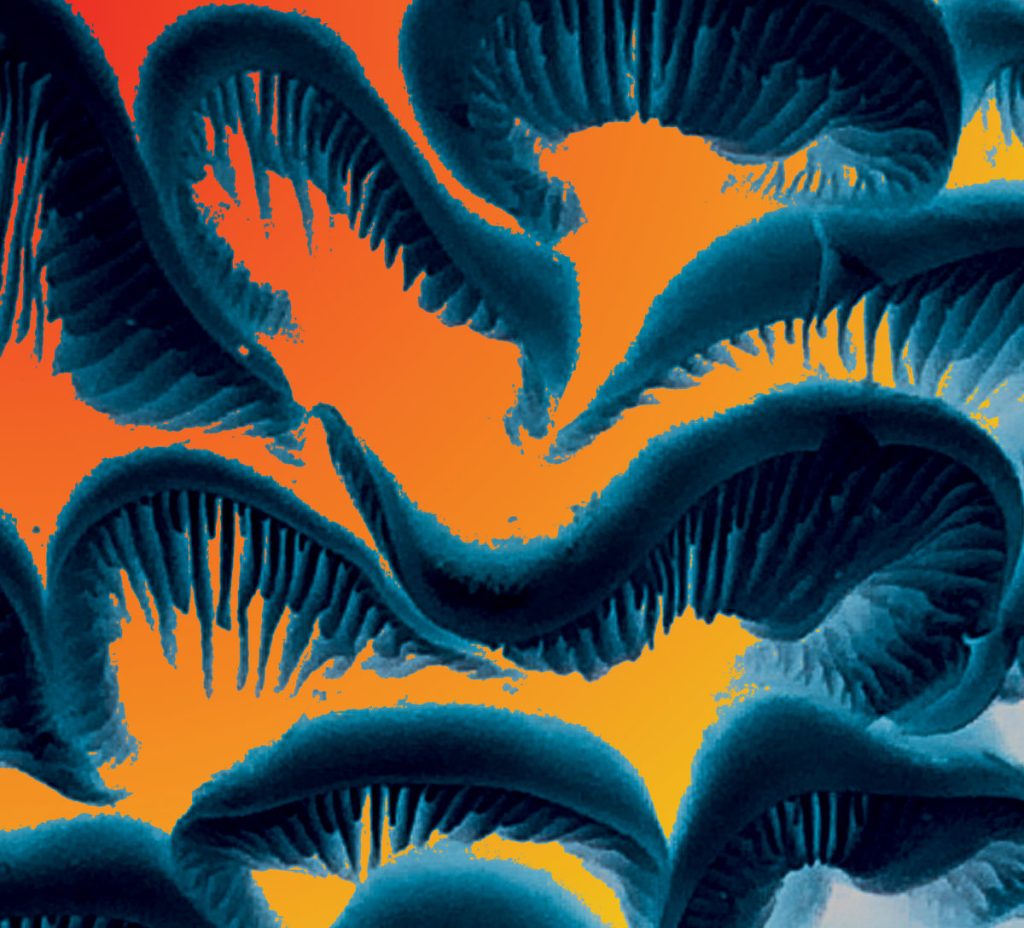
The Chicago duo debut on Amalgam with bass clarinet, drums and electronics. Five of the eleven pieces come from one night at the Hungry Brain and the record never says which.
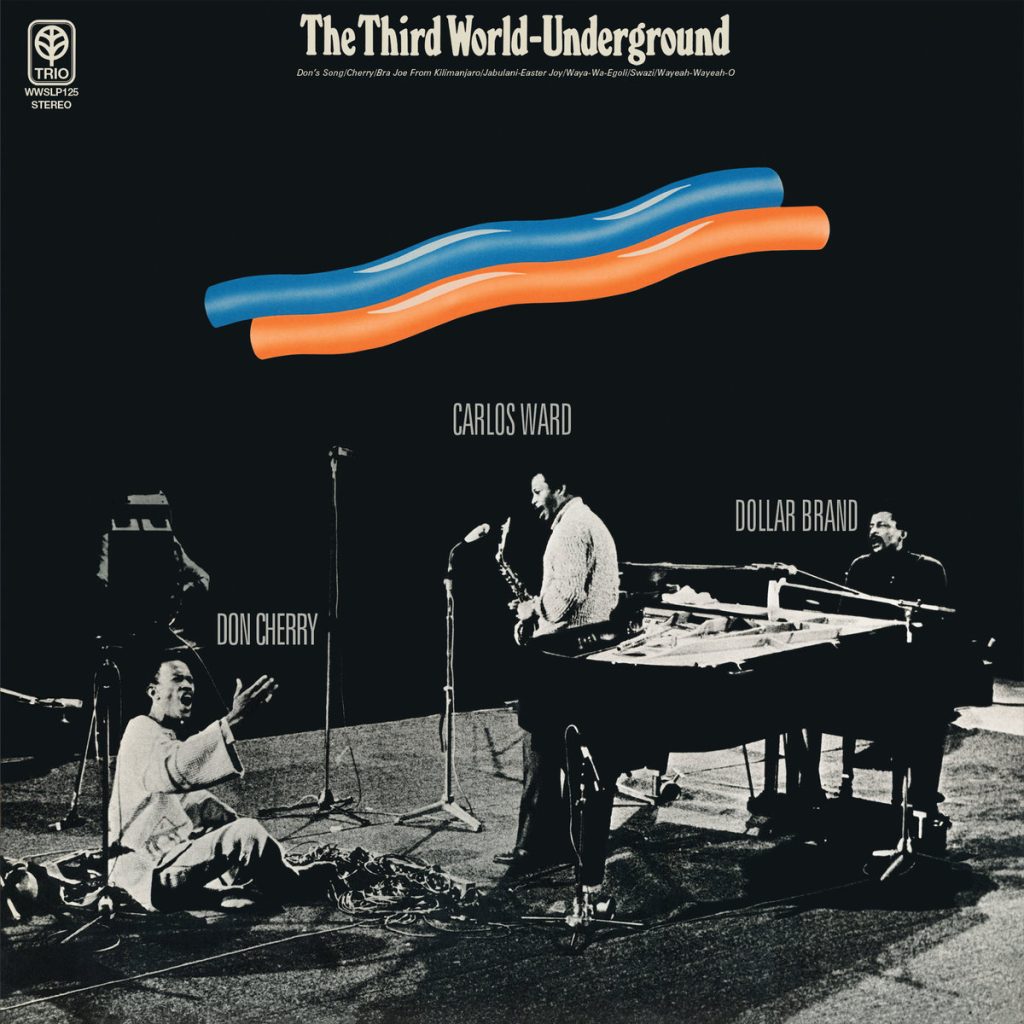
First international edition of the concert Abdullah Ibrahim, Don Cherry and Carlos Ward played in Copenhagen in 1972, until now issued in Japan only. It arrives three months after the pianist’s death.
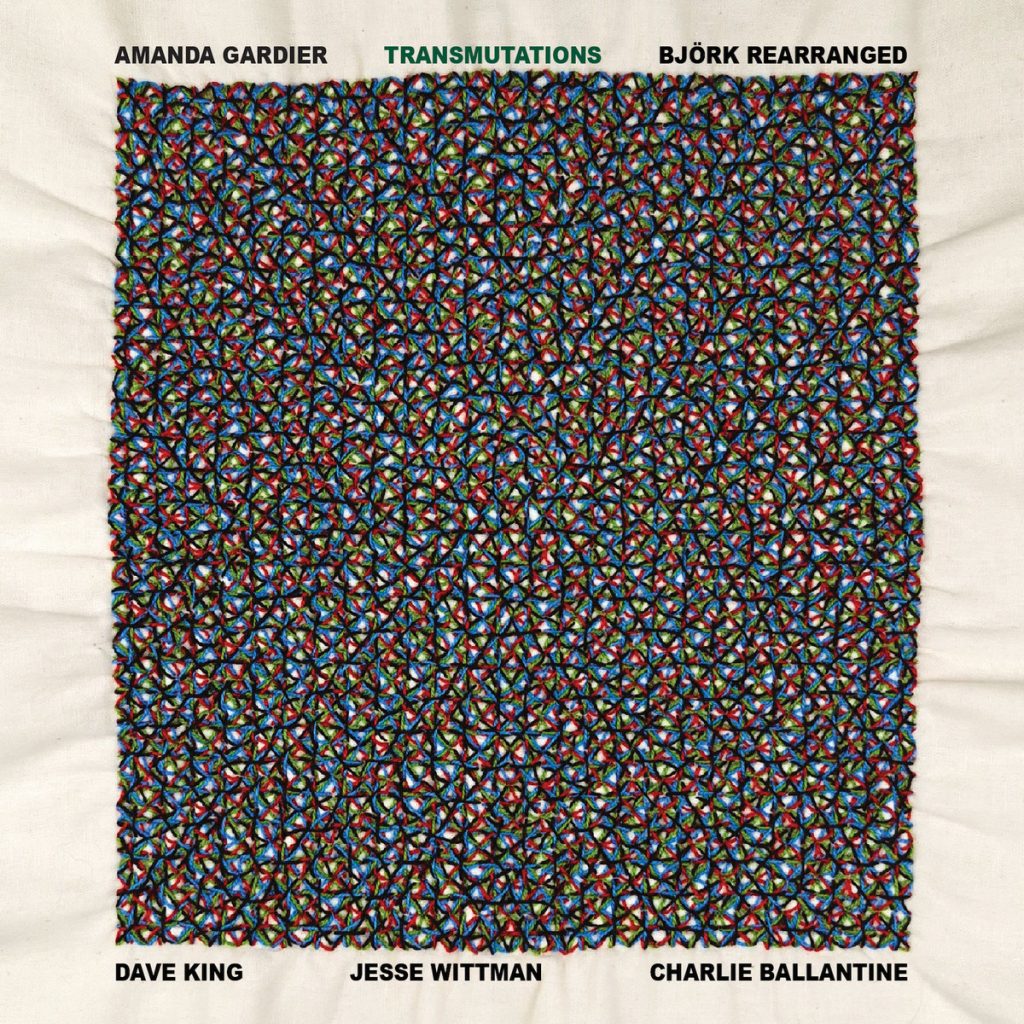
Eight Björk songs without a single voice, with The Bad Plus drummer Dave King. The tone is the find; the credits are the hole, because nobody is named as arranger.
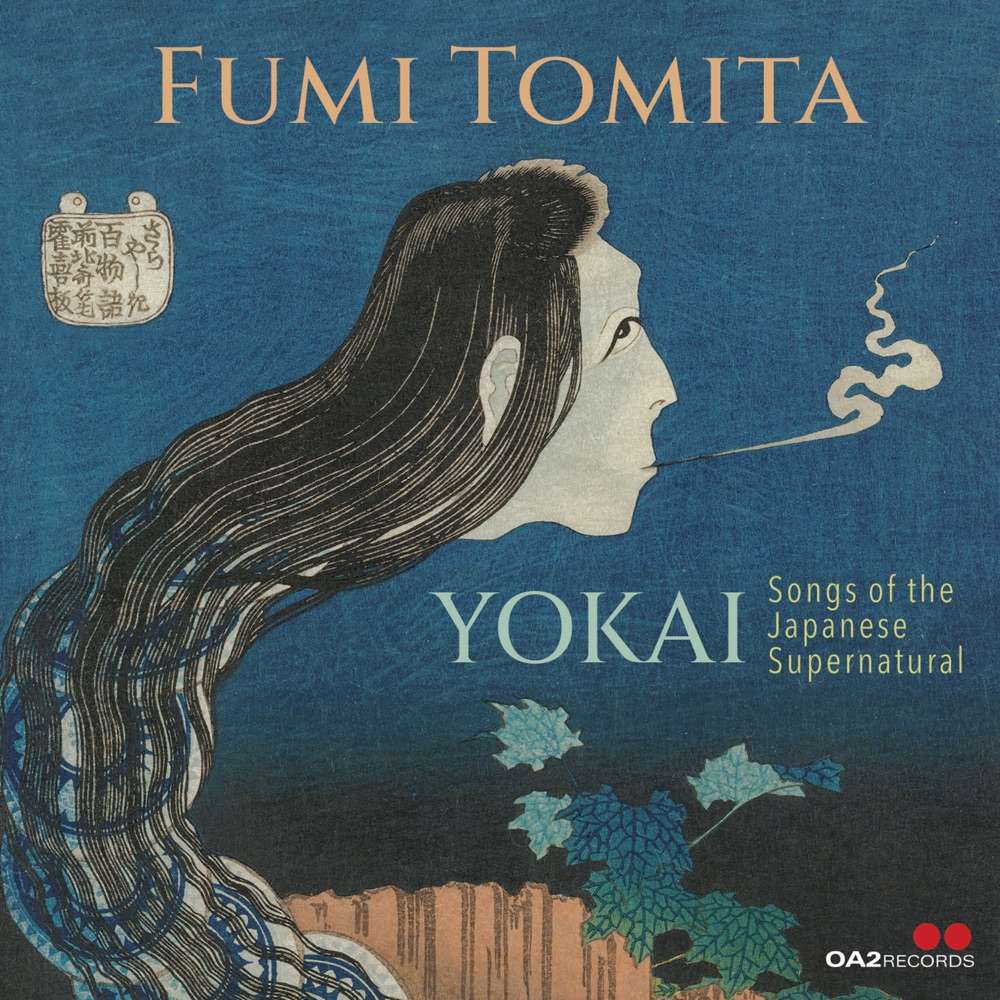
Fumi Tomita writes nine pieces out of a book of Japanese monster prints and records them with a quartet in Amherst. The label’s own press release describes a track that isn’t on it.
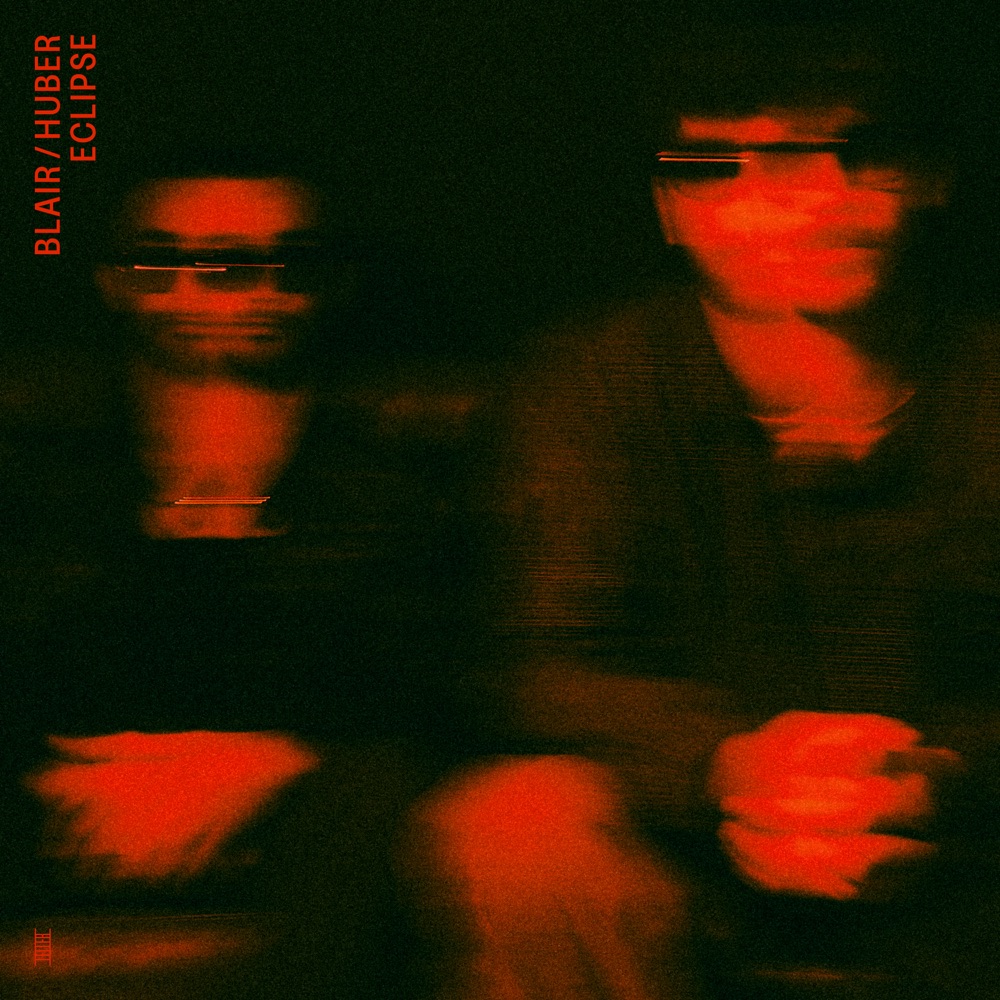
The Frankfurt duo debut on LEITER with saxophone and guitar and nothing else, cut between Funkhaus Berlin and Offenbach. It ends on vocals the credits never account for.
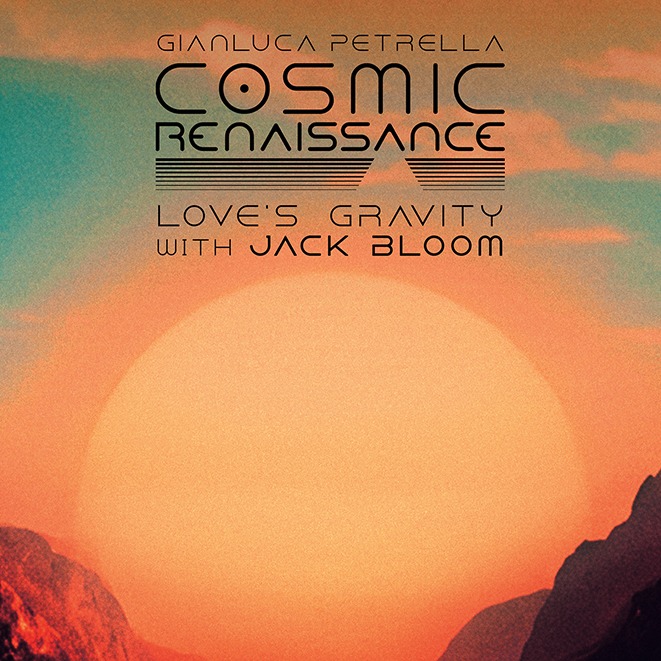
The Cosmic Renaissance single was recorded by a sextet at Blue Spirit in Milan and opens “Echoes of Time”, the album the label has pencilled in for 2027.
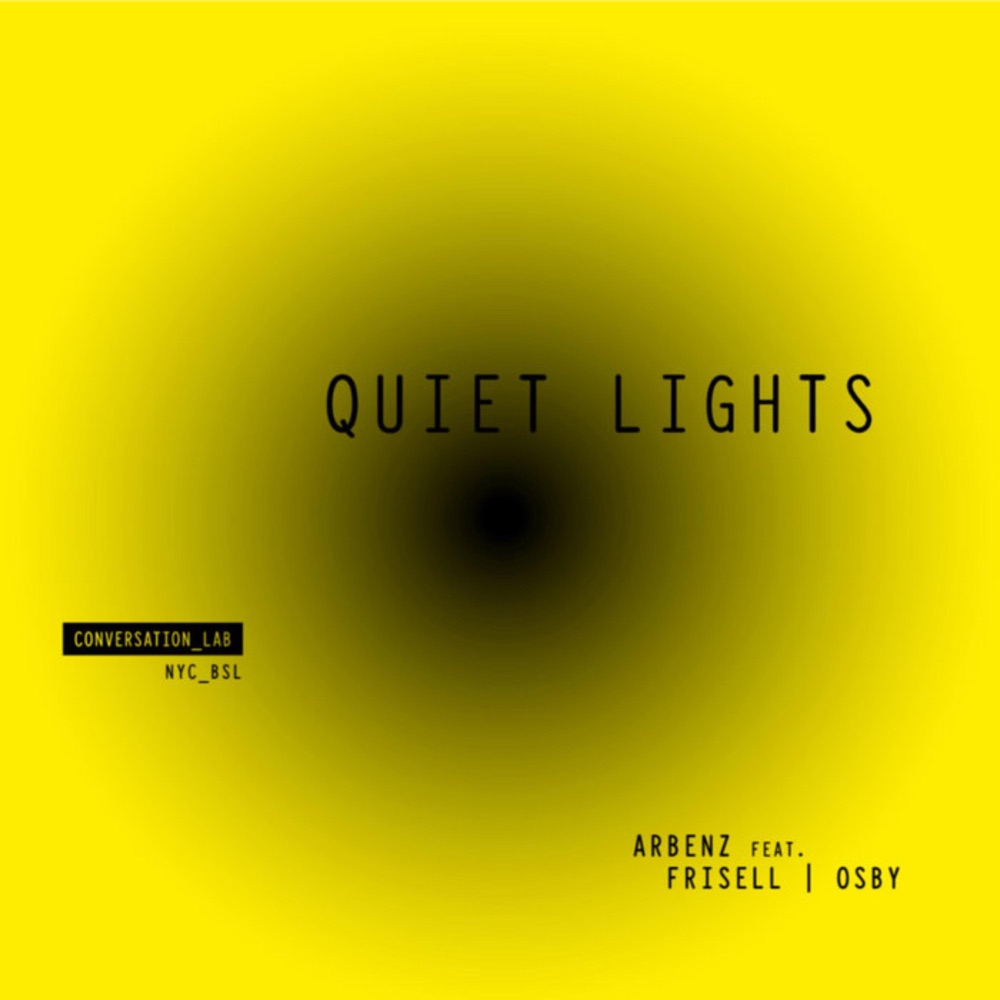
A trio with no bass, cut on 8 September 2025 in about four hours and almost entirely in first takes: Arbenz builds the low end out of custom-made percussion.
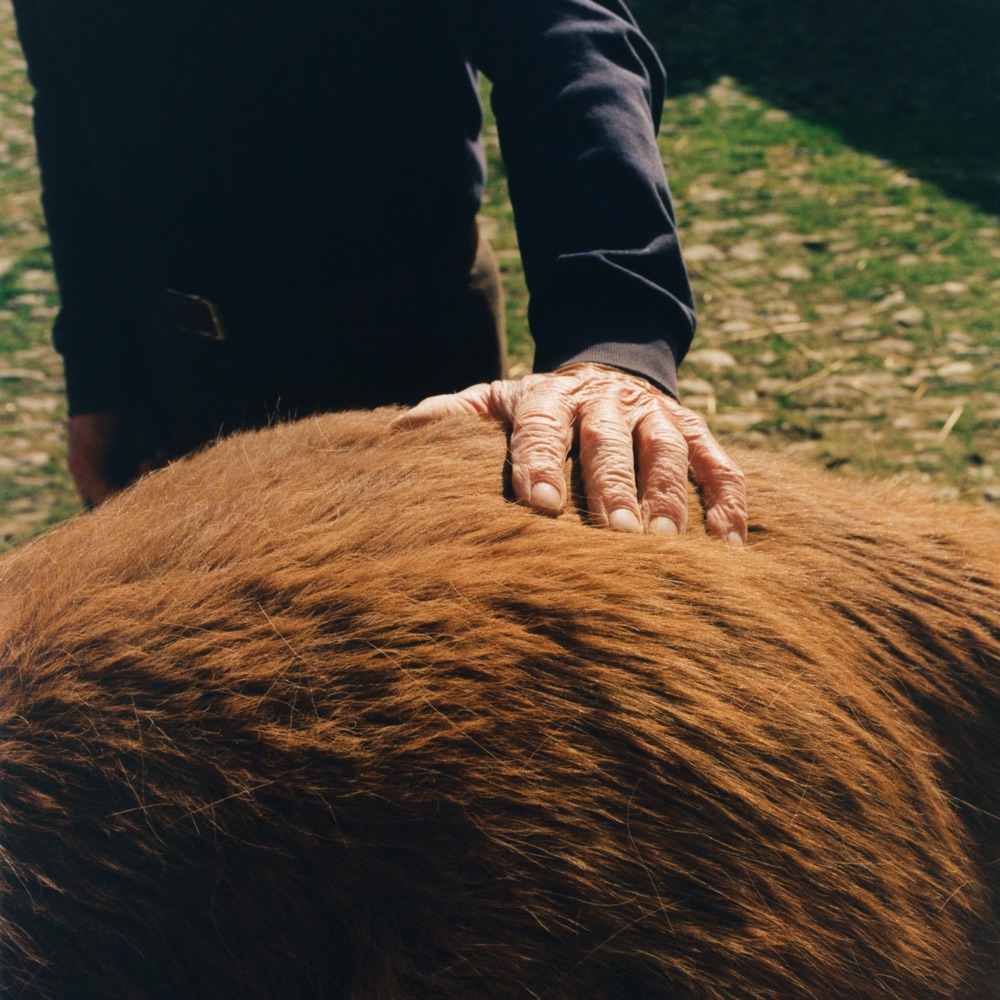
It came out on 16 October on Porthole Music, with Fergus McCreadie on piano. On 17 November he plays it as a septet at Cecil Sharp House, in the EFG London Jazz Festival.
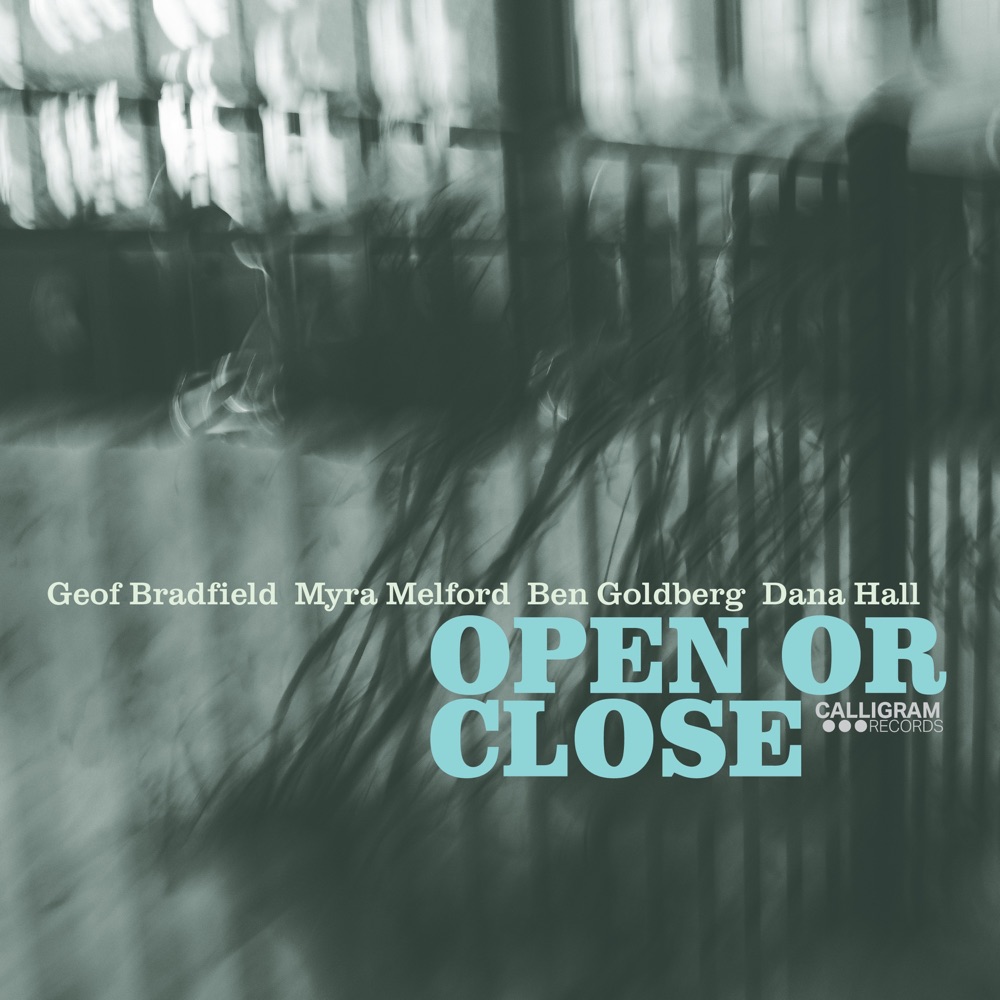
A quartet of two reed players, piano and drums with no bass, cut live at the Green Mill in Chicago. It opens on an Ornette Coleman tune Old and New Dreams recorded in 1979.
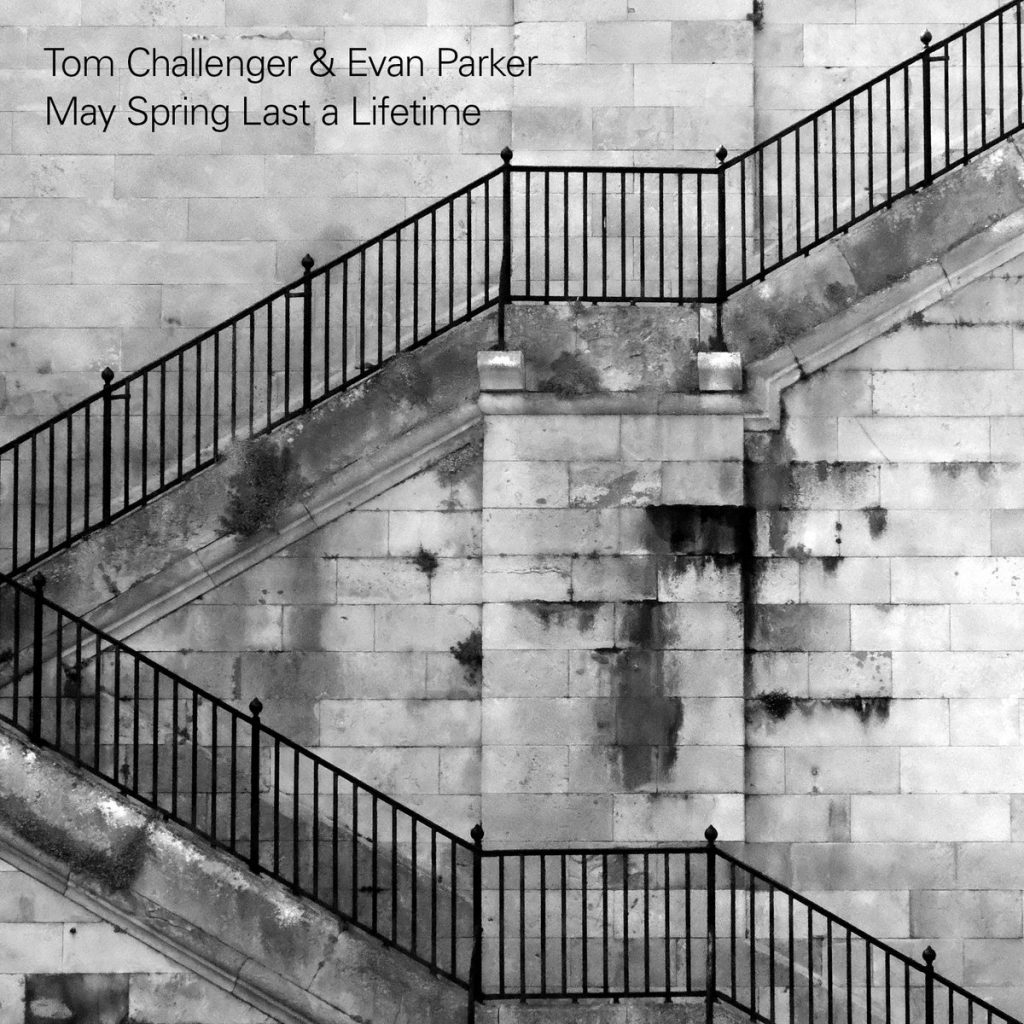
Two tenors alone, fifty-three unbroken minutes and no rhythm section. The continuity, though, is a construction: the sections were reordered after the session.
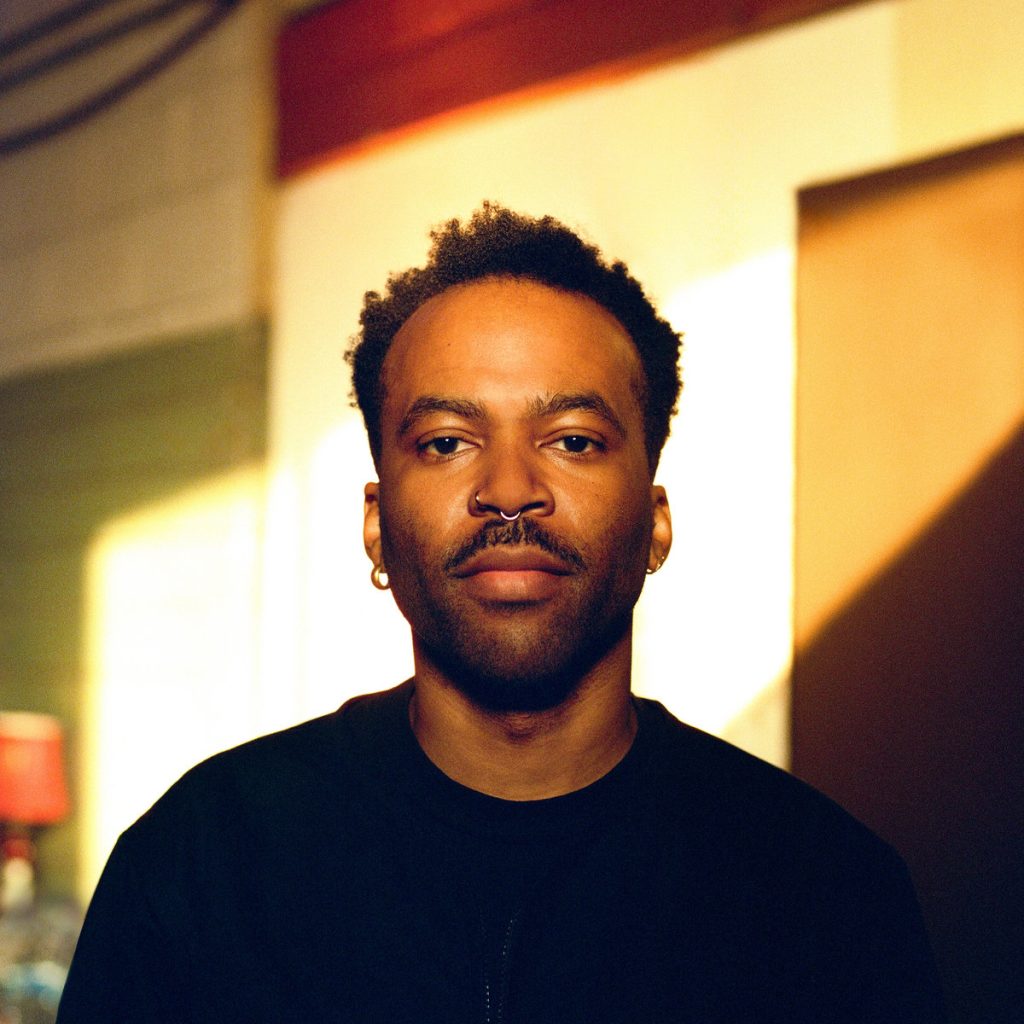
It is his third album under his own name and the first for International Anthem and Nonesuch. Meshell Ndegeocello, Marquis Hill and Macie Stewart play on it, and Paul Bryan co-produces.
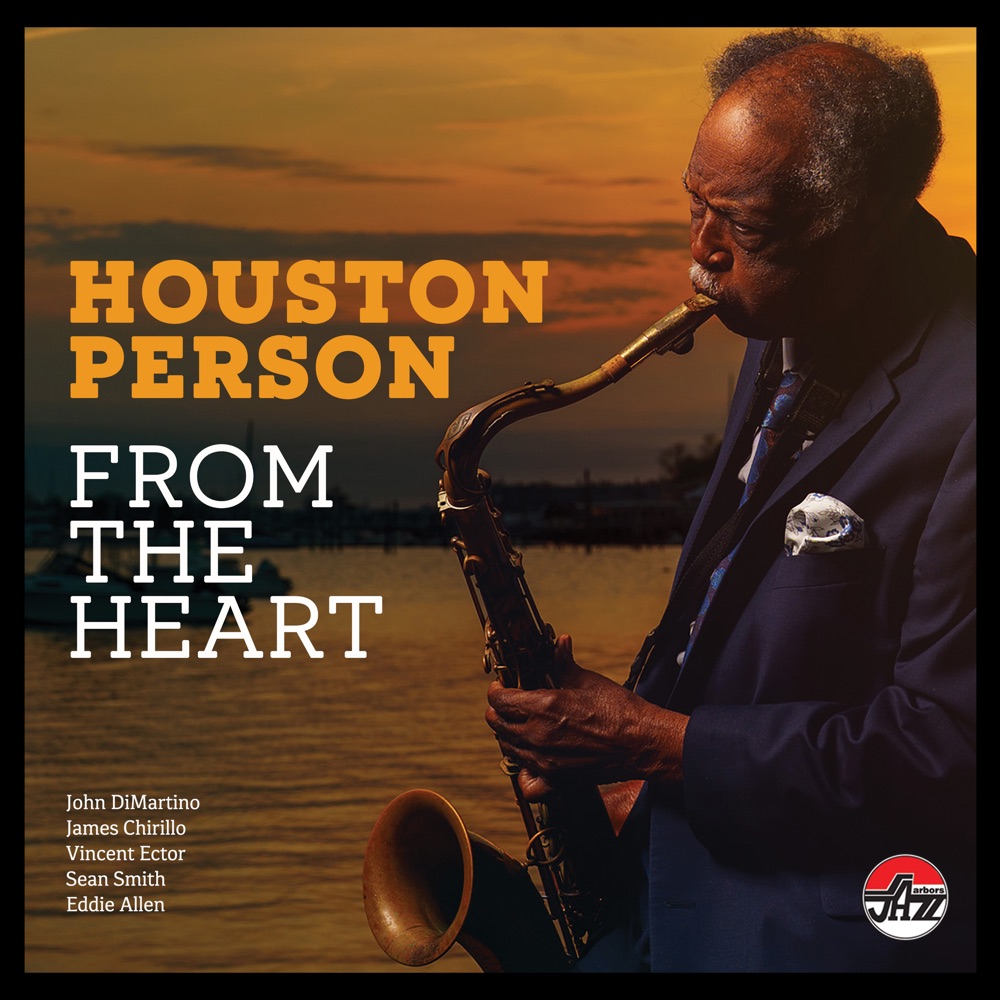
At ninety-one, Person records twelve standards with a sextet at Van Gelder Studio: three Ellingtons, a clarinet hit that topped the US charts and not one tune of his own.
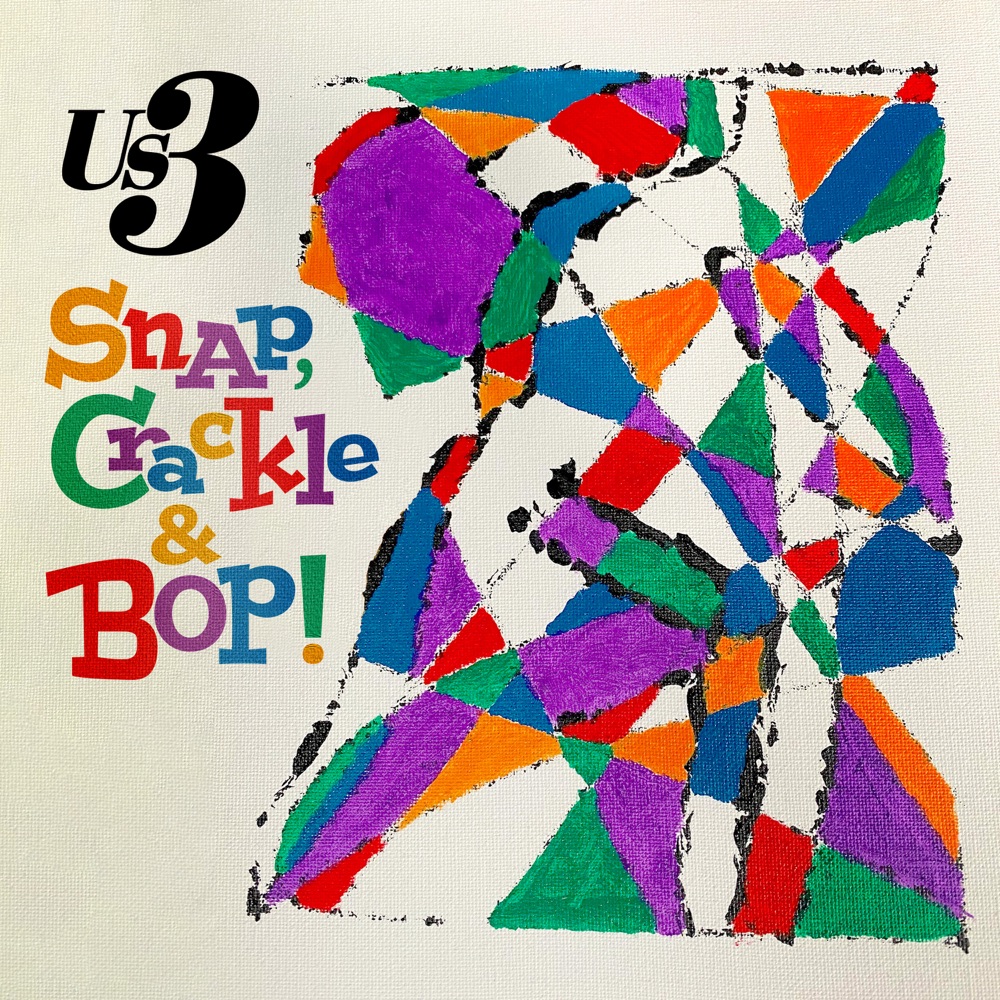
Thirty-three years after “Cantaloop”, Geoff Wilkinson puts MC Akil Dasan back on top of jazz-funk. The only two instrumentals are where the sax and the trumpet breathe.
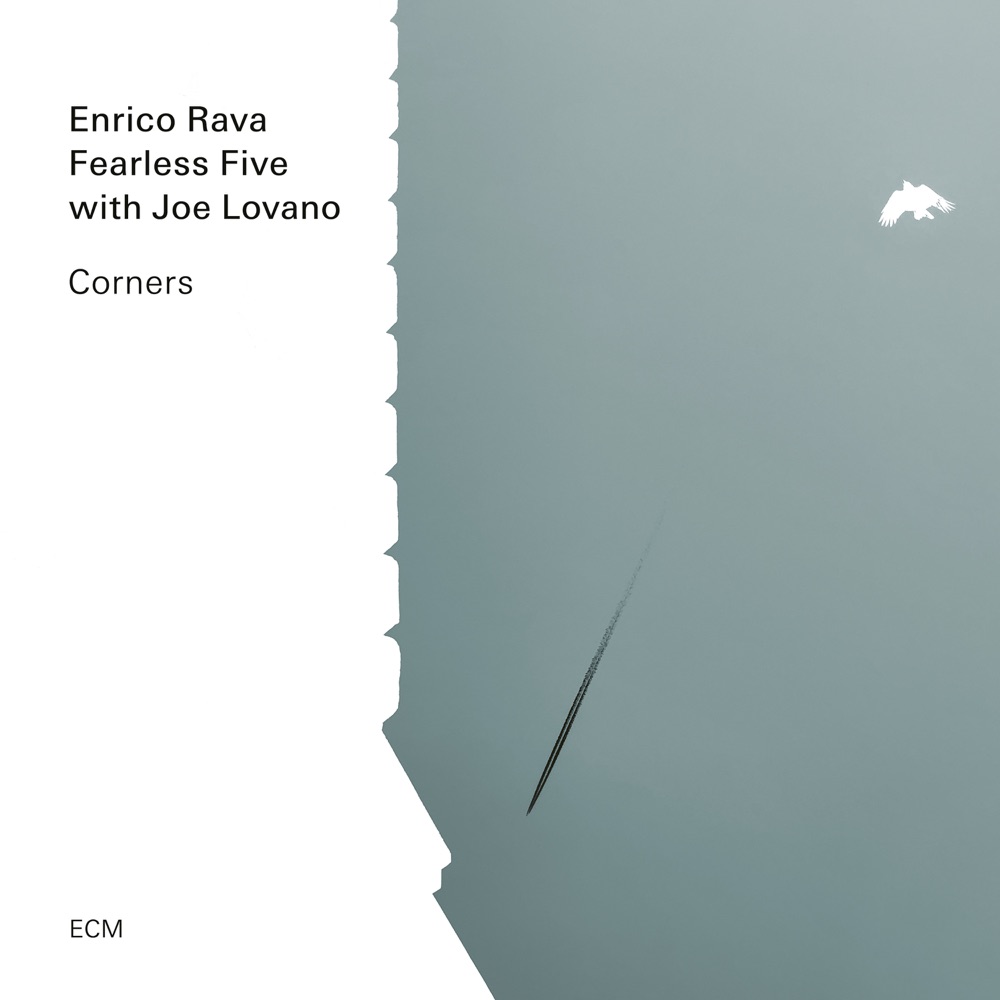
Rava turned eighty-seven in August and opens the record with eleven minutes of a piece he first recorded in 1998. All six of them write, and Lovano brings the tárogató.
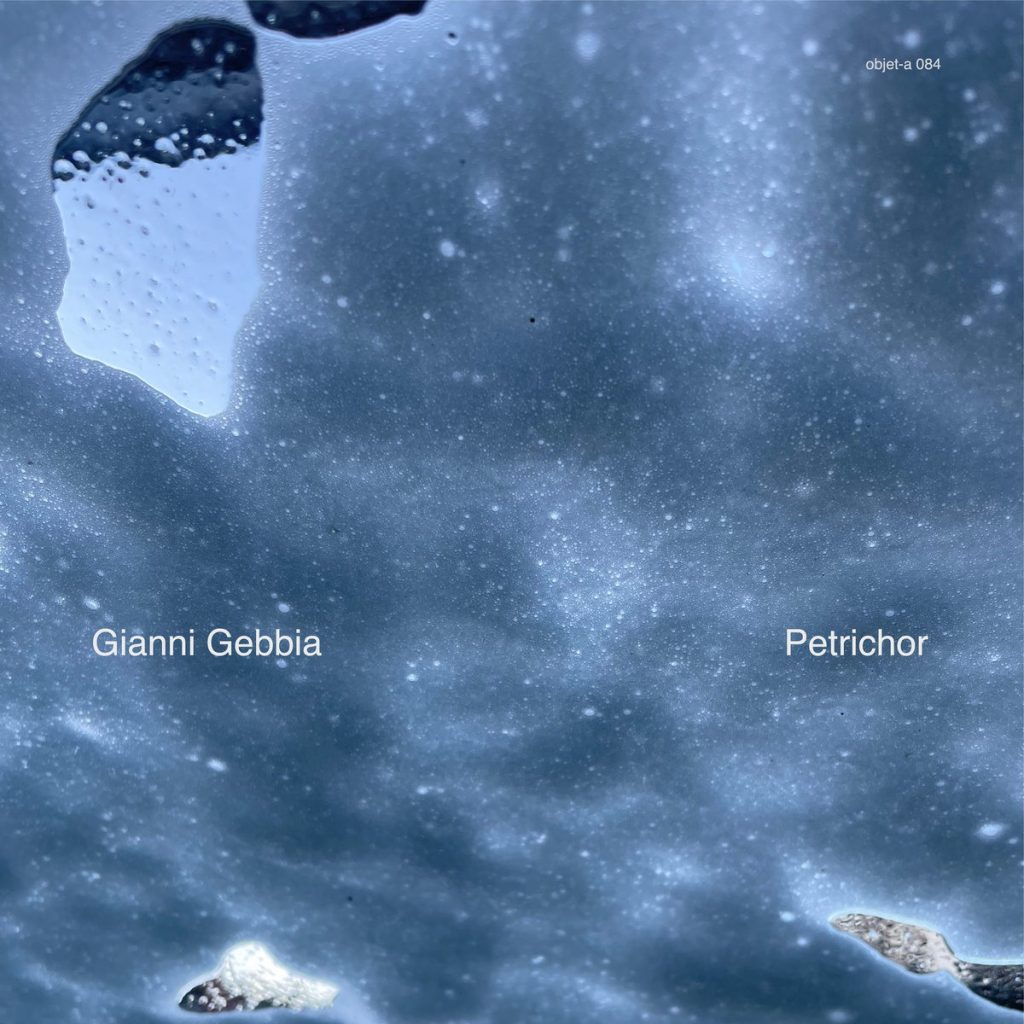
Twelve miniatures for bansuri flute and electronics, and then a piece of almost eleven minutes dedicated to Marian Zazeela that the record files as a bonus track.
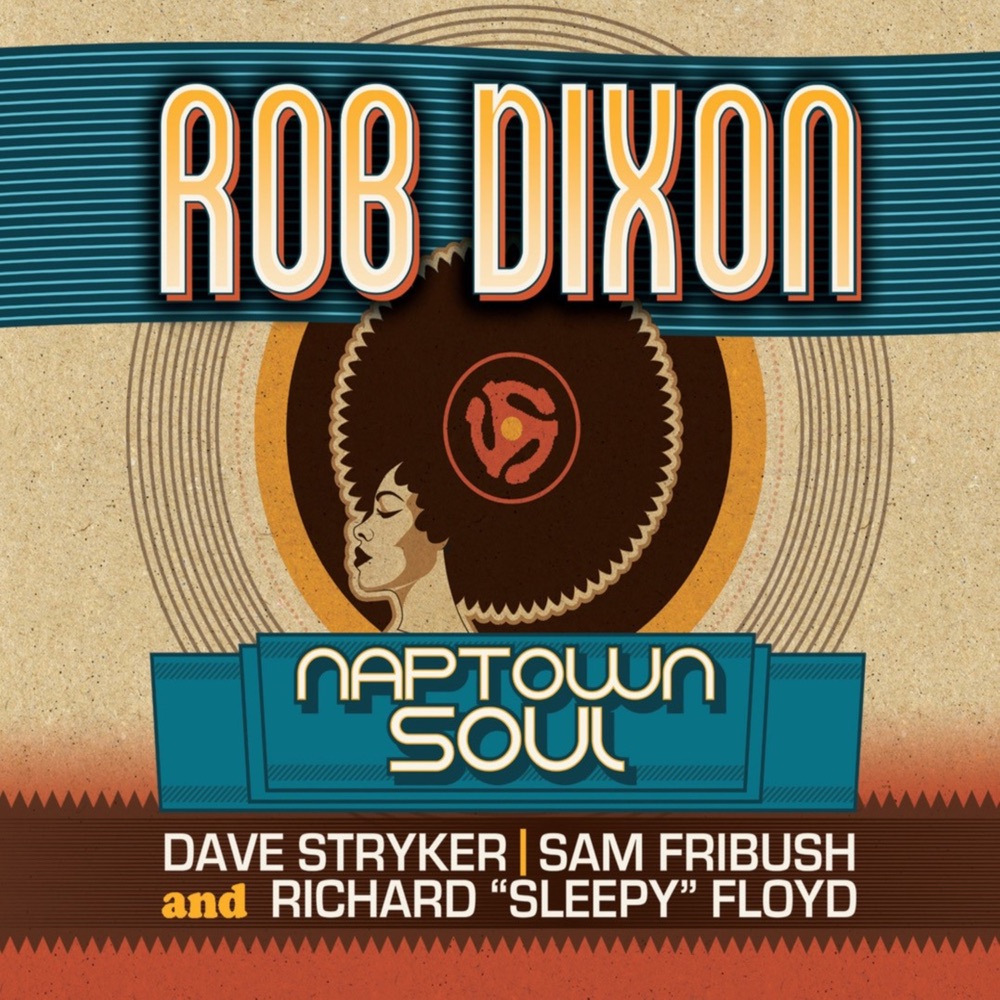
Eight tracks of jazz funk with Hammond organ and guitar, cut by a saxophonist paying tribute to Indianapolis with two Wes Montgomery themes along the way.
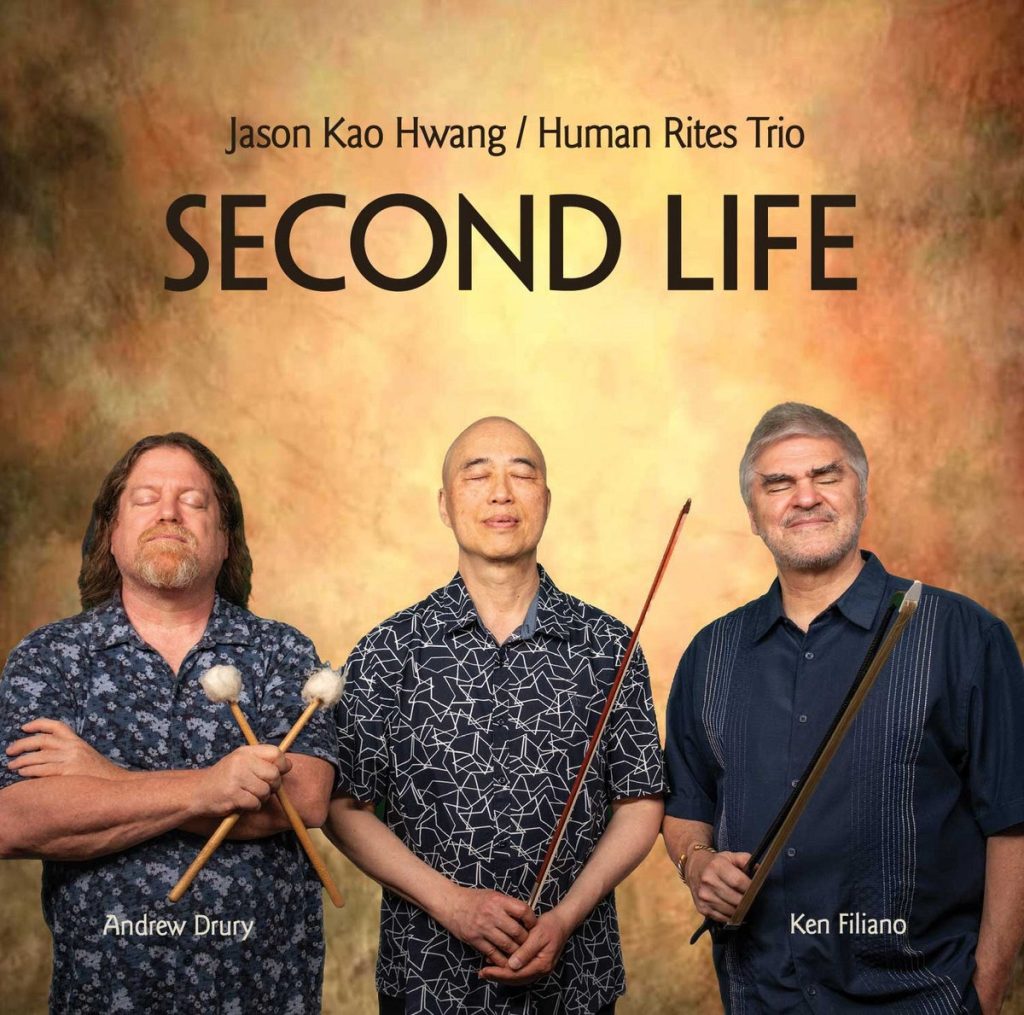
Four long pieces for violin, double bass and a drum kit that takes in oyster shells, a bronze gear and the cover plate off a kitchen tap. Recorded in 2024 and released now.
Imani Records release the saxophone-and-piano duo album on 23 October. Curtis plays the stritch, the straight alto Rahsaan Roland Kirk made his own, and the set makes room for tunes by Arthur Blythe and Orrin Evans.
The close of a trilogy that began at the Moria refugee camp. Six pieces for one to three musicians, and the composer does not always play on them.
Seven piano trio compositions recorded in Tokyo in 2017 and released nine years later. The pieces save their energy for the descent, not for the summit.
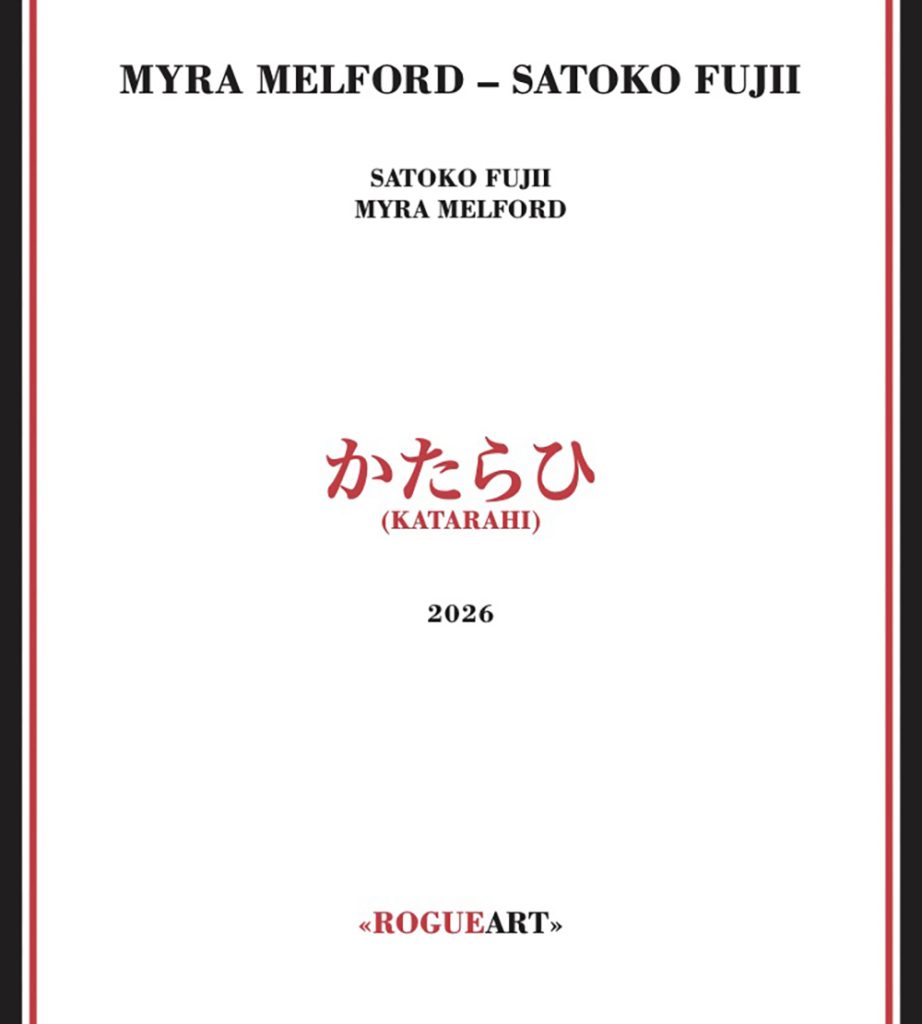
Two pianos recorded live in Leibnitz in 2024, seventeen years after the only duo session they had recorded. They do not say who is in which channel: they swapped instruments during the concert.
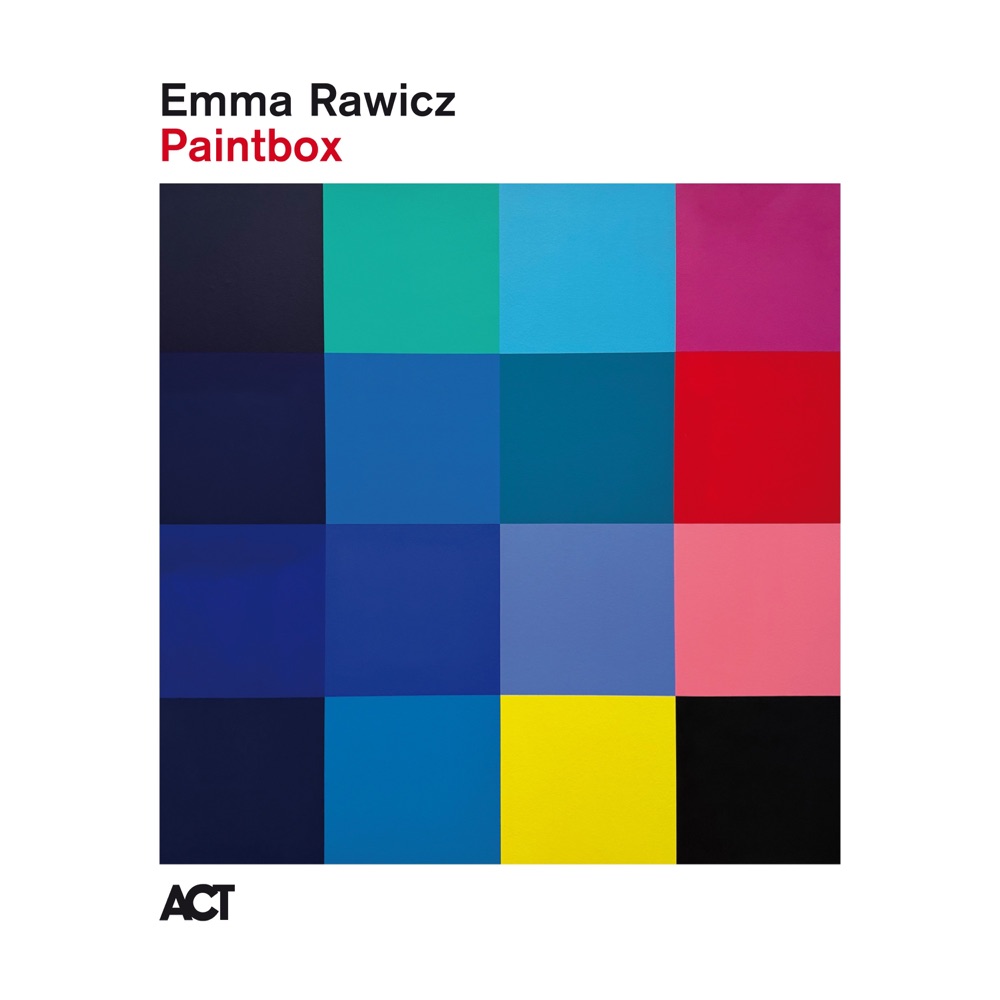
The British saxophonist’s fifth album runs 49:57 on vinyl and 29:30 on streaming: three tracks, the closer among them, exist only if you buy the record. The decision is the record.
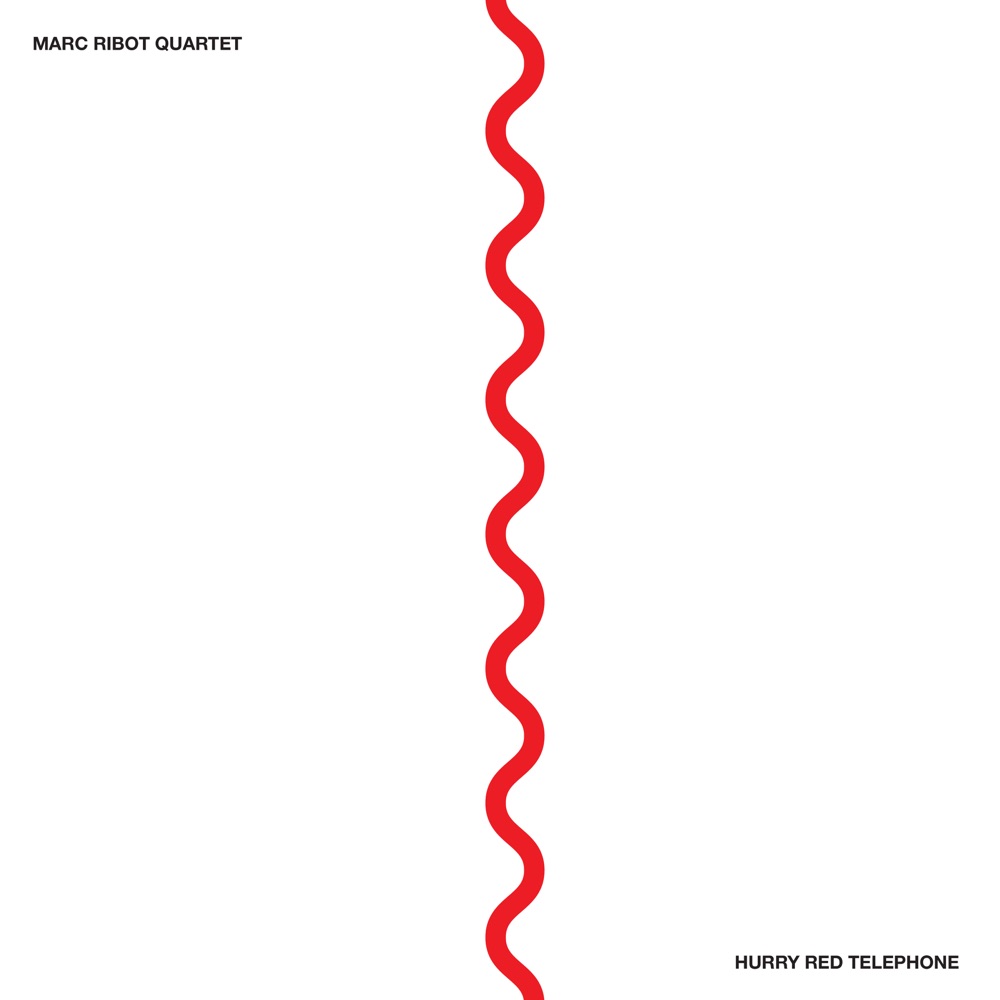
Pi Recordings puts out the Marc Ribot Quartet album, with Chad Taylor on drums at both sessions. Two of the six pieces are by Frantz Casséus, whom Ribot recorded solo back in 1993.
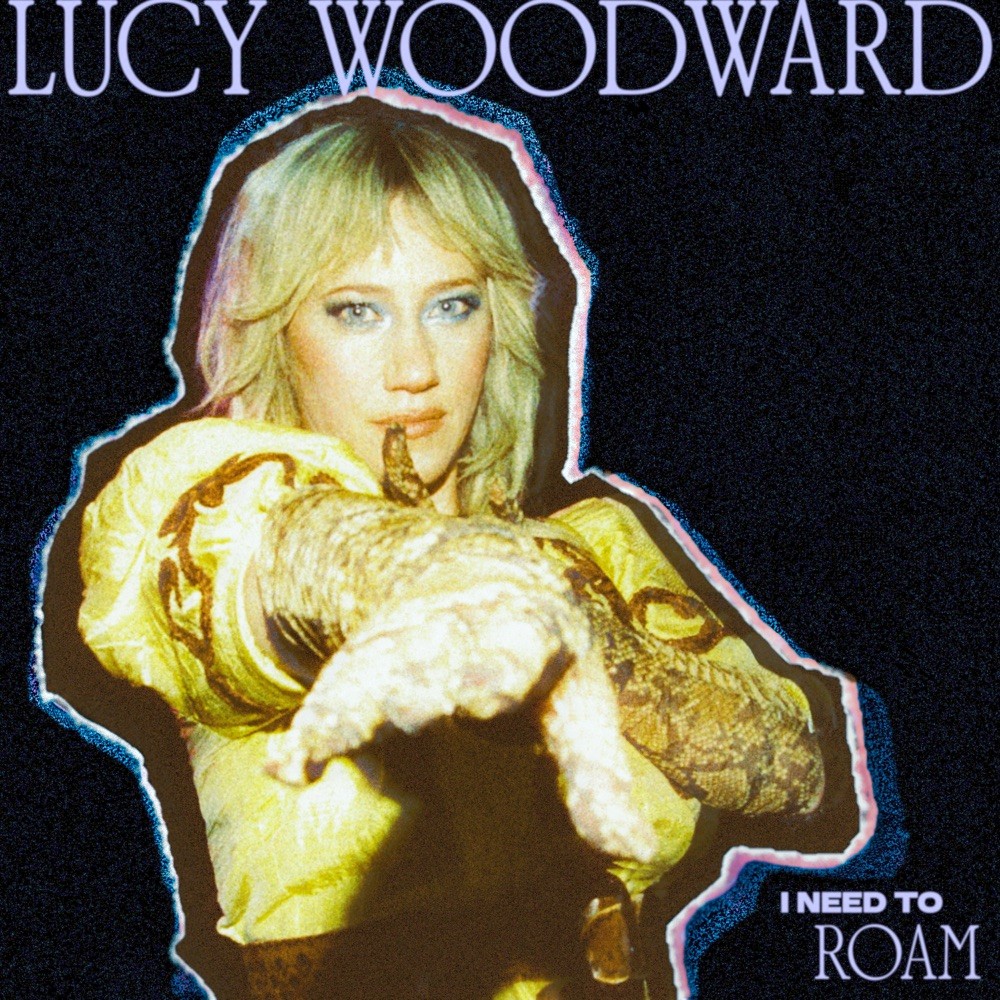
GroundUP put out the live version of a track from “I Need To Roam”. Ninety-five per cent of it was captured in a single take, and the words came afterwards.
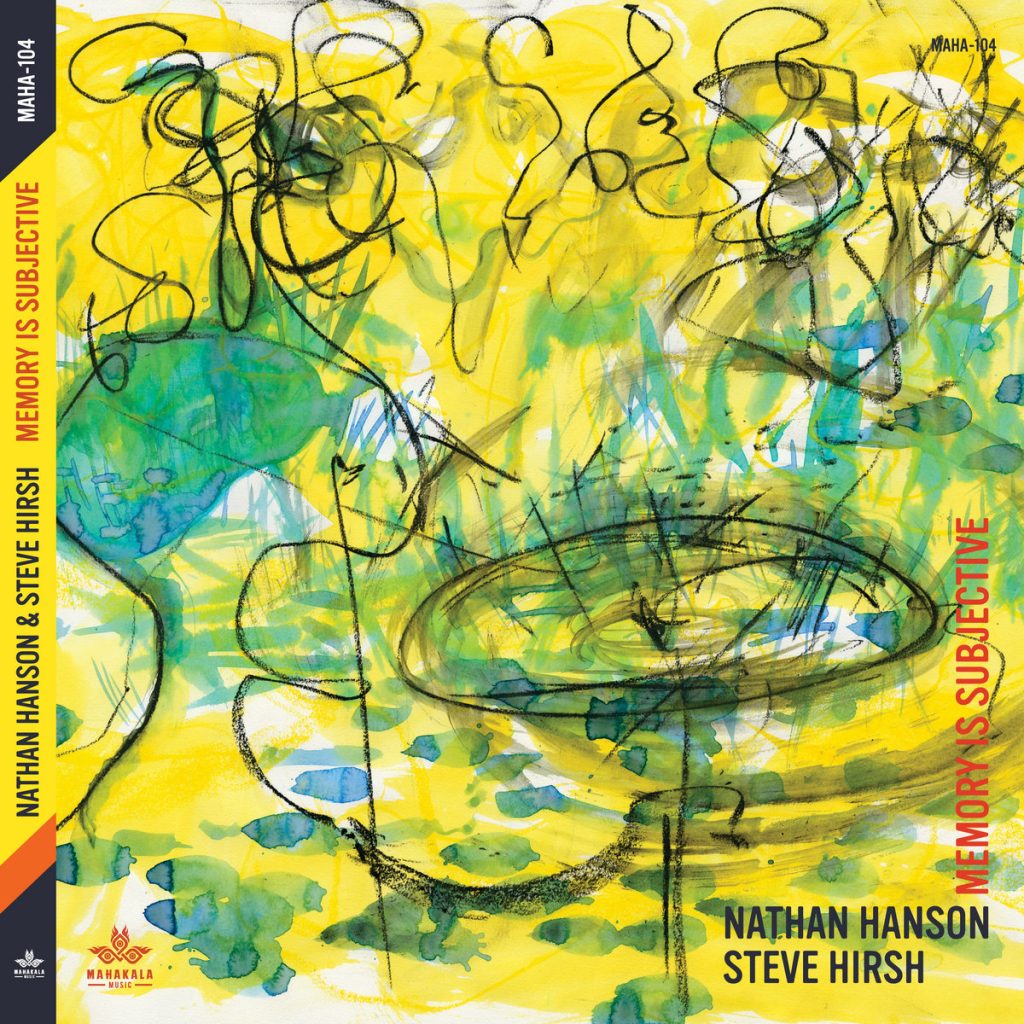
Three improvisations recorded in a single night in Sandstone, Minnesota: a sax-and-drums duo that refuses the combat the format is built on, gaining attention and losing contrast.
The British saxophonist’s fourth album was written in a windowless Amsterdam basement, and its best moment is the alto crossing paths with Bernard van Rossum’s tenor.
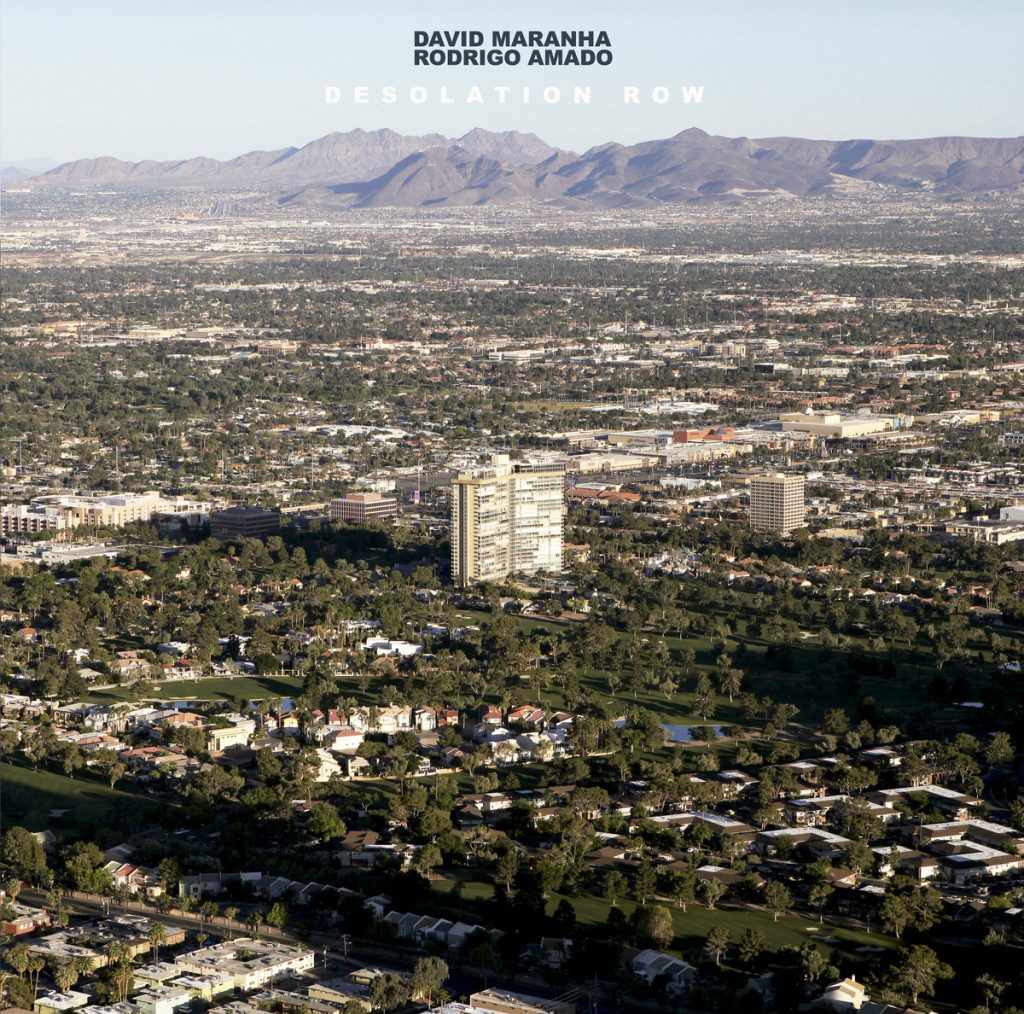
Forty-one unbroken minutes recorded at OUT.FEST in Barreiro: David Maranha’s electric organ and Rodrigo Amado’s tenor, two years after “Wrecks”.
Six tracks and thirty-five minutes recorded between Amsterdam and Puerto Rico: bomba, plena and batá run through synthesizers and field recordings, two and a half years after “MESTIZX”.
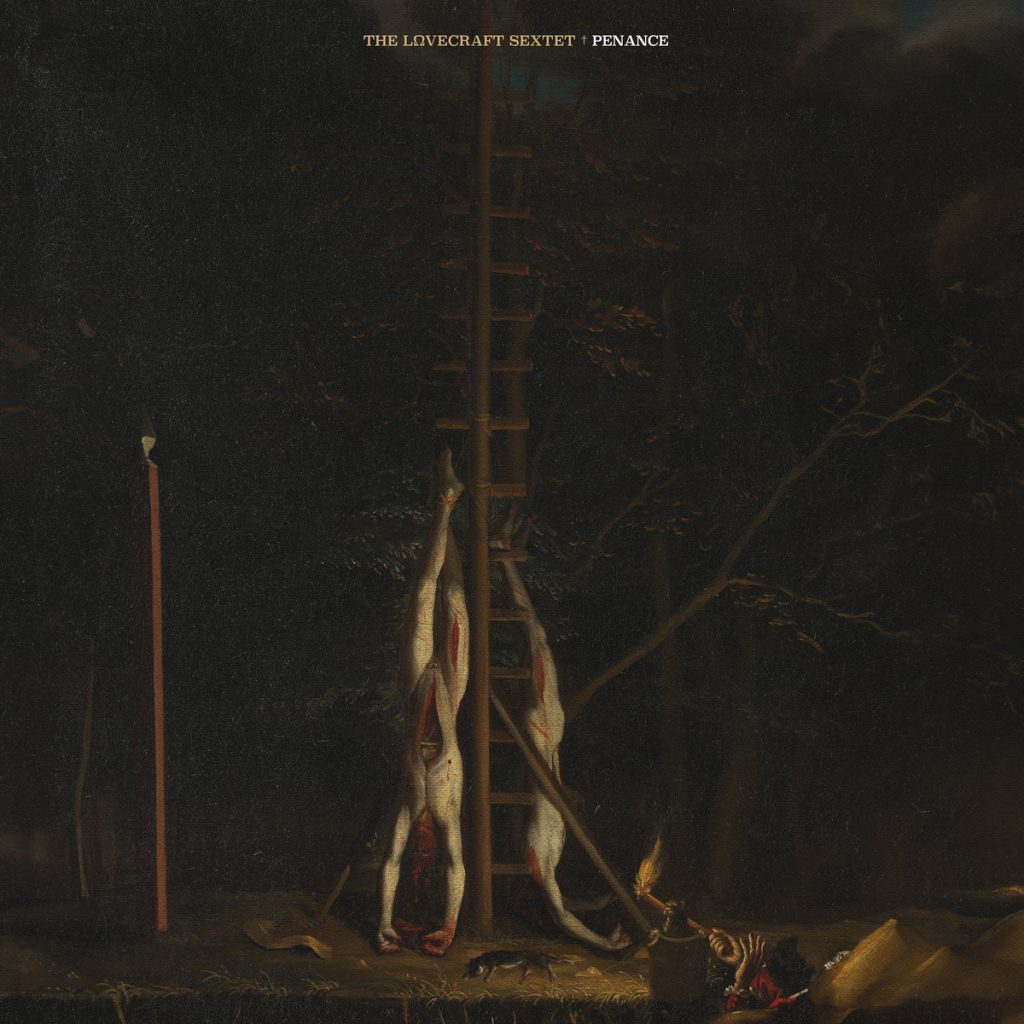
Thirty-eight minutes of darkjazz and black metal from Jason Köhnen, with Colin Webster’s saxophone and Lilian Tong’s soprano, built around the De Witt brothers painting in the Rijksmuseum.
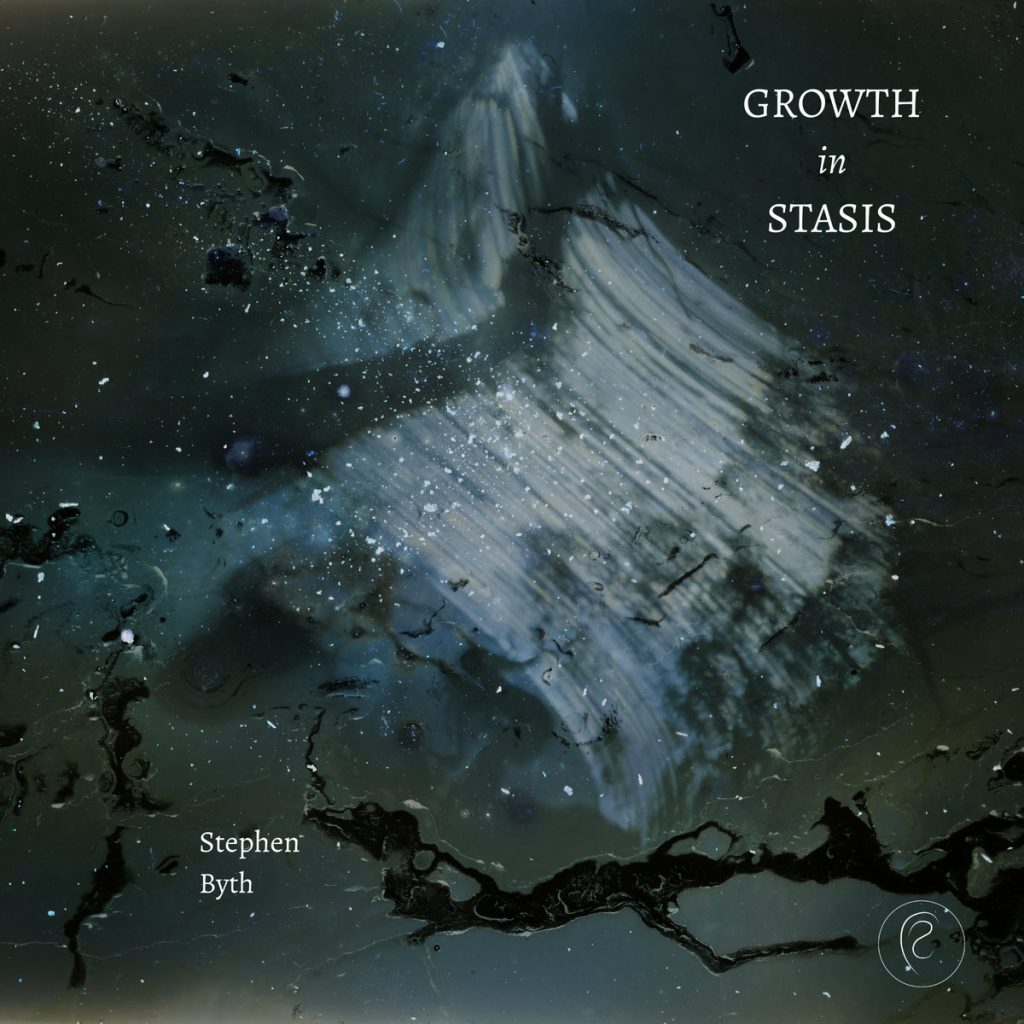
Ten originals from the Australian saxophonist based in New York, a quartet that widens to eight on four tracks, and a line from Wayne Shorter behind all of it.
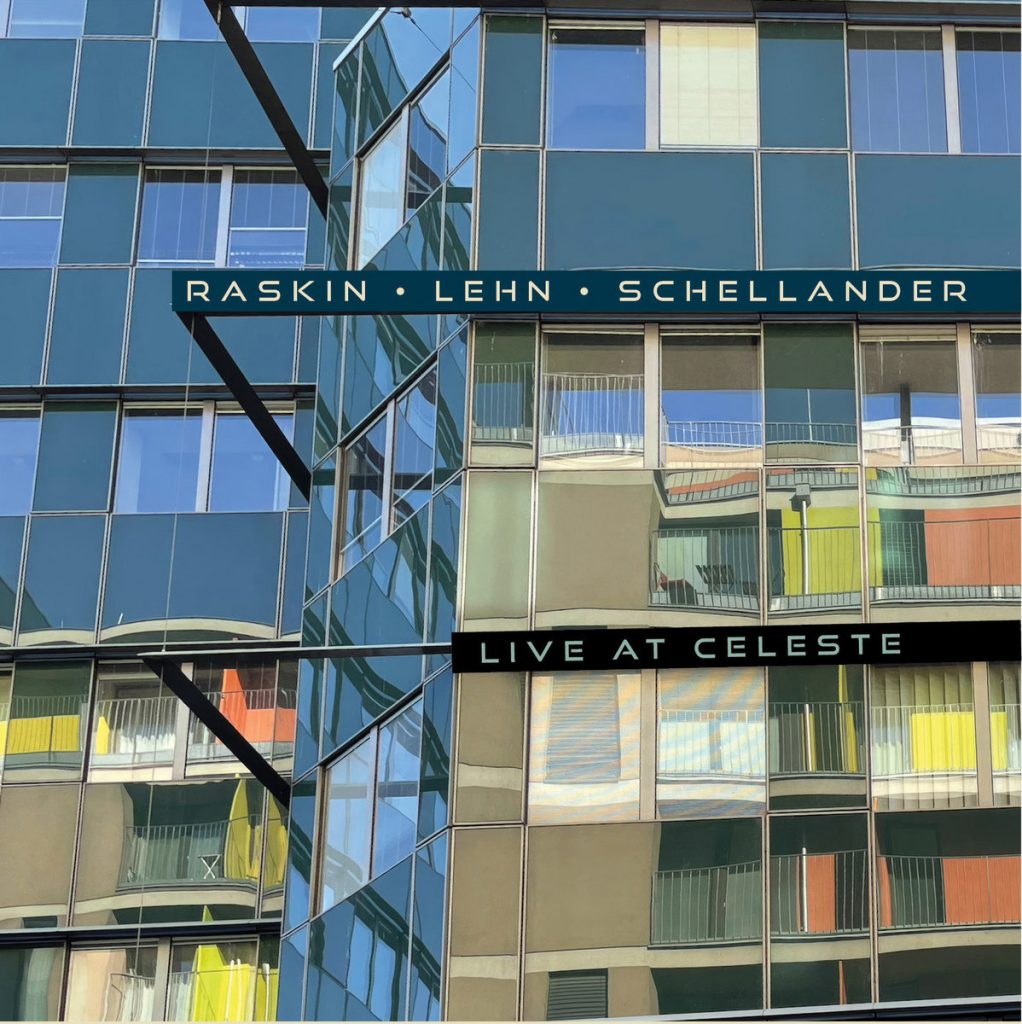
A single thirty-one-minute track recorded on a Monday night at Celeste in Vienna: Raskin on alto, Thomas Lehn’s analogue synthesizer and Matija Schellander’s double bass.
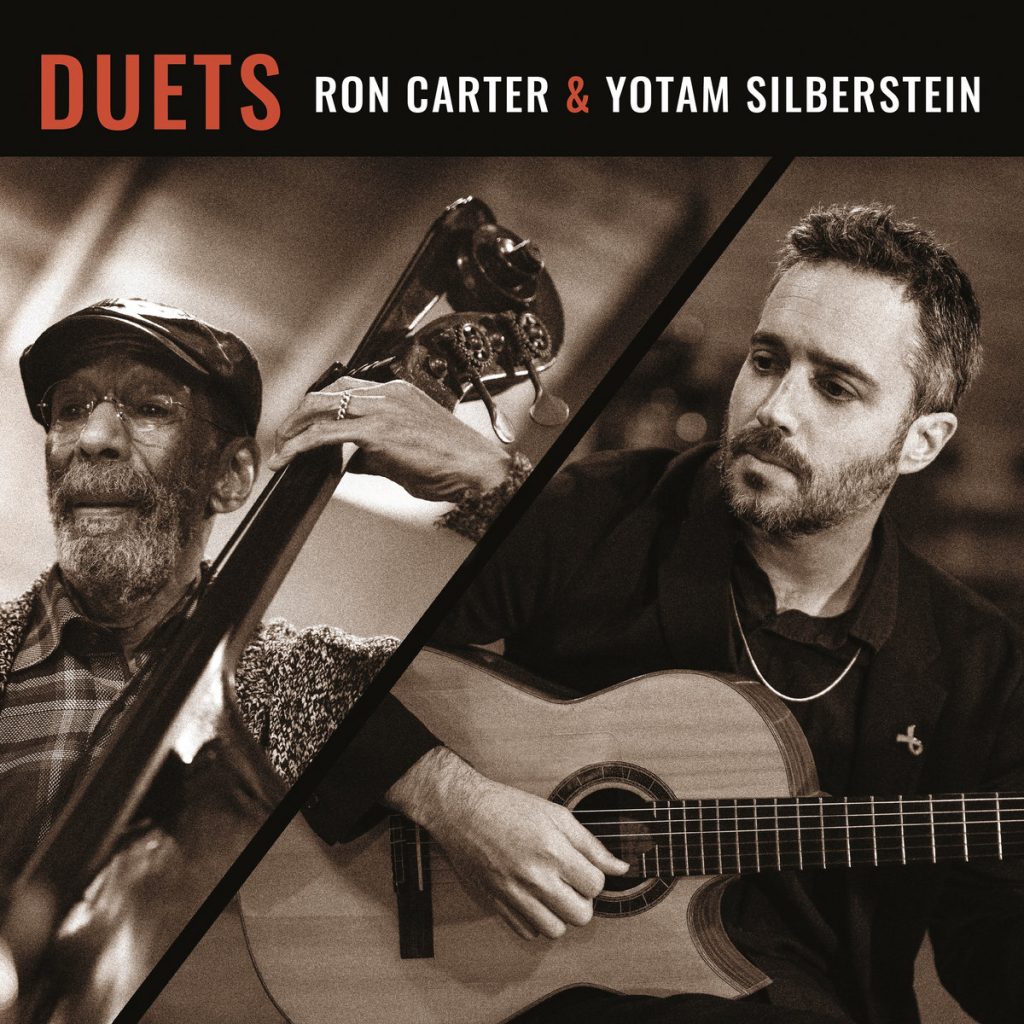
Eight pieces and a little over thirty-four minutes, cut in a single day at the Van Gelder Studio: Carter returns to the bass-and-guitar duo fifty-two years after the first one with Jim Hall.
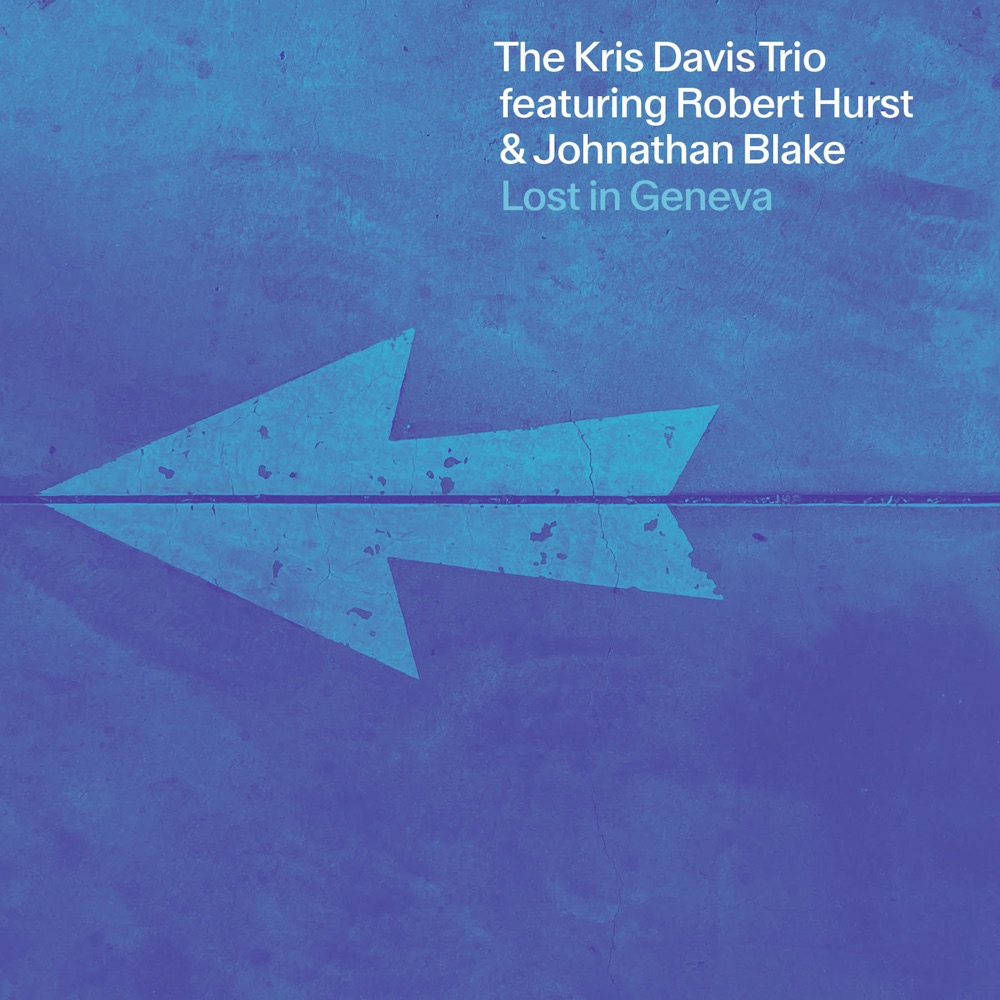
The second album by Kris Davis’s trio with Hurst and Blake: both of them write for it, a Feldman piece gets in, and the free improvisation is the shortest track of all.
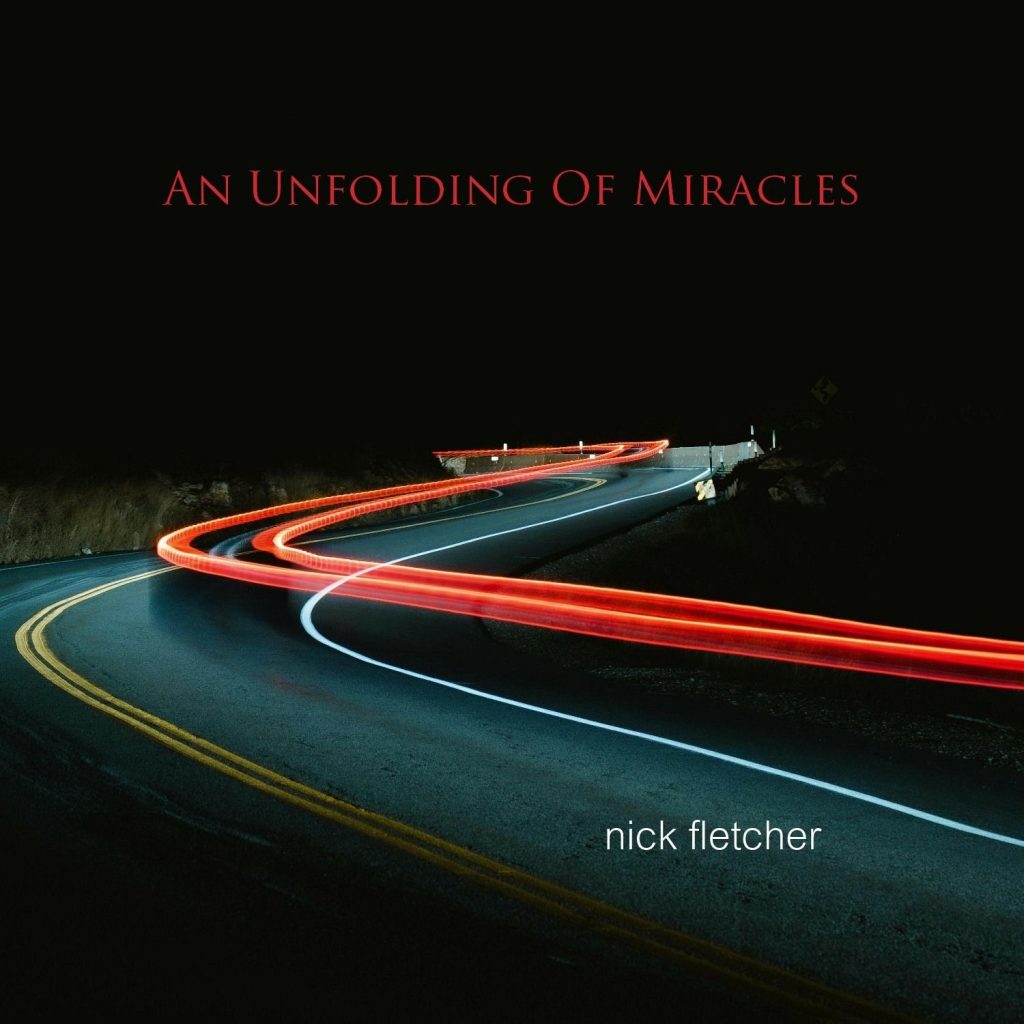
Sixth solo album in six years and the second running to come out of reading Jung. Nine fusion instrumentals, two keyboard players who never meet, and a voice that waits until the end.
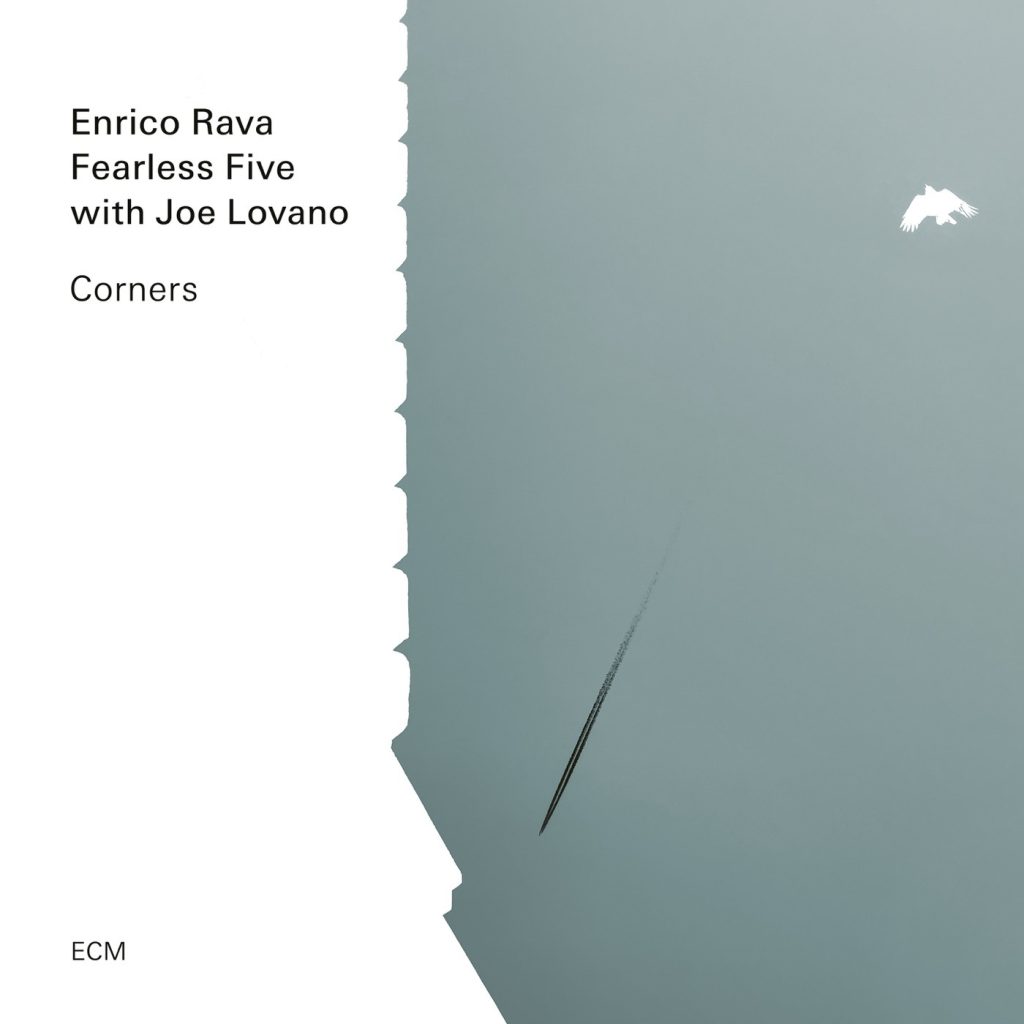
Out on 16 October with Joe Lovano as a guest. It was recorded in Rome in July 2025 with Manfred Eicher, and the nine tunes are written by all six players, not only the trumpeter.
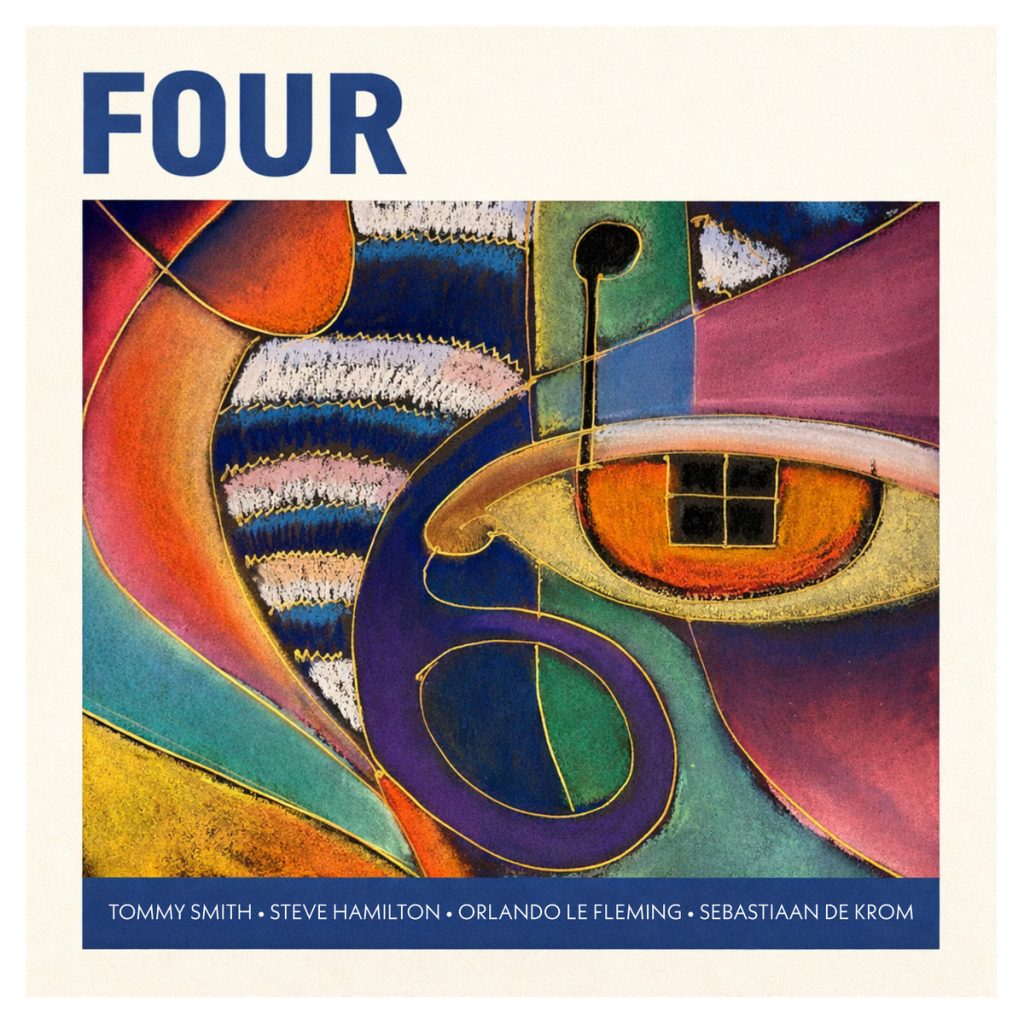
One stereo microphone in front of the quartet and a MiniDisc recorder: Smith releases the second set from Gateshead in 1999 exactly as it sounded, with no desk and no repairs.
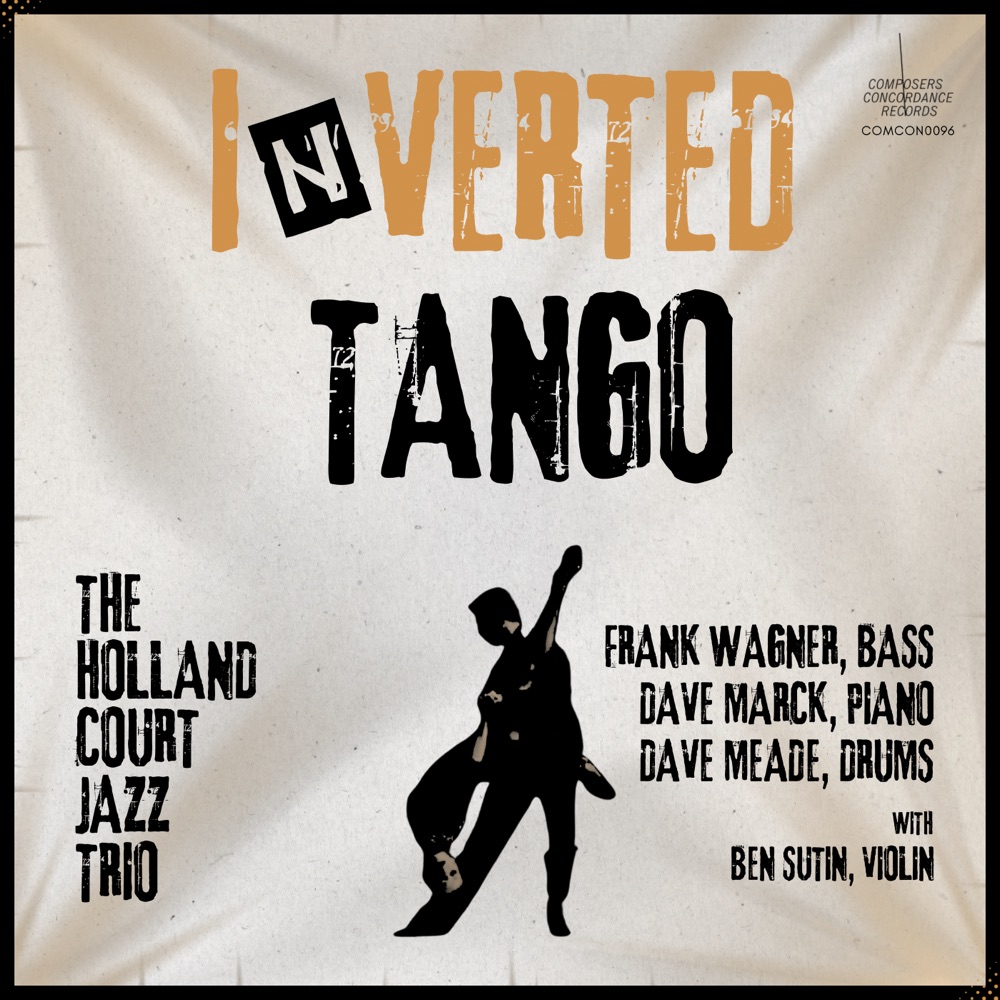
Frank Wagner’s trio bills its first record as a trio record, and on five of the eight tracks there’s Ben Sutin’s guest violin: the Piazzolla homage and the closing Hendrix included.
Readers' survey
Rate up to 150 progressive rock, metal and jazz-fusion bands and get your personal ranking -- plus the Tótum readers' overall one.
I want to vote →