
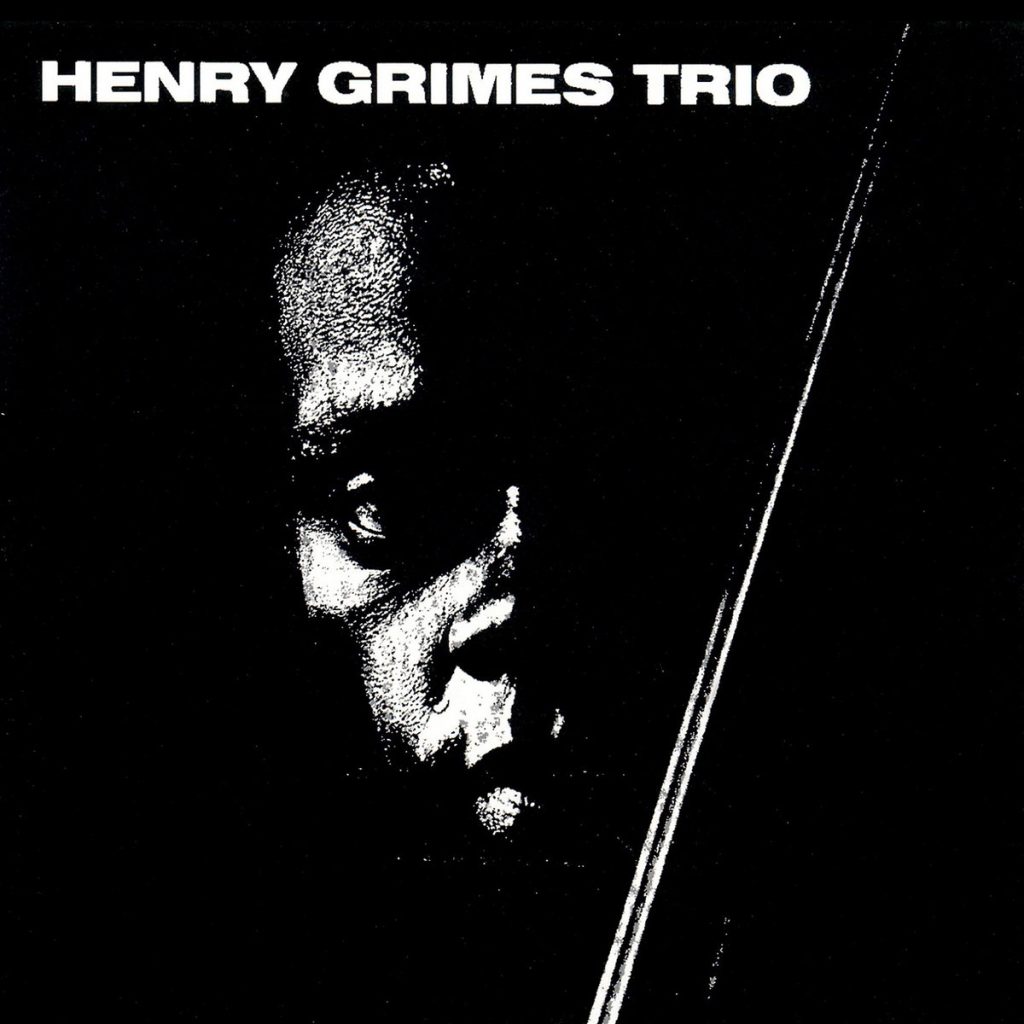
Henry Grimes & Marzette Watts – The Call
“The Call”, Henry Grimes’s 1966 debut as a leader, returns with three tracks by Marzette Watts’s octet tacked on: two opposite ideas of free jazz.
“The Call”, Henry Grimes’s 1966 debut as a leader, returns with three tracks by Marzette Watts’s octet tacked on: two opposite ideas of free jazz.
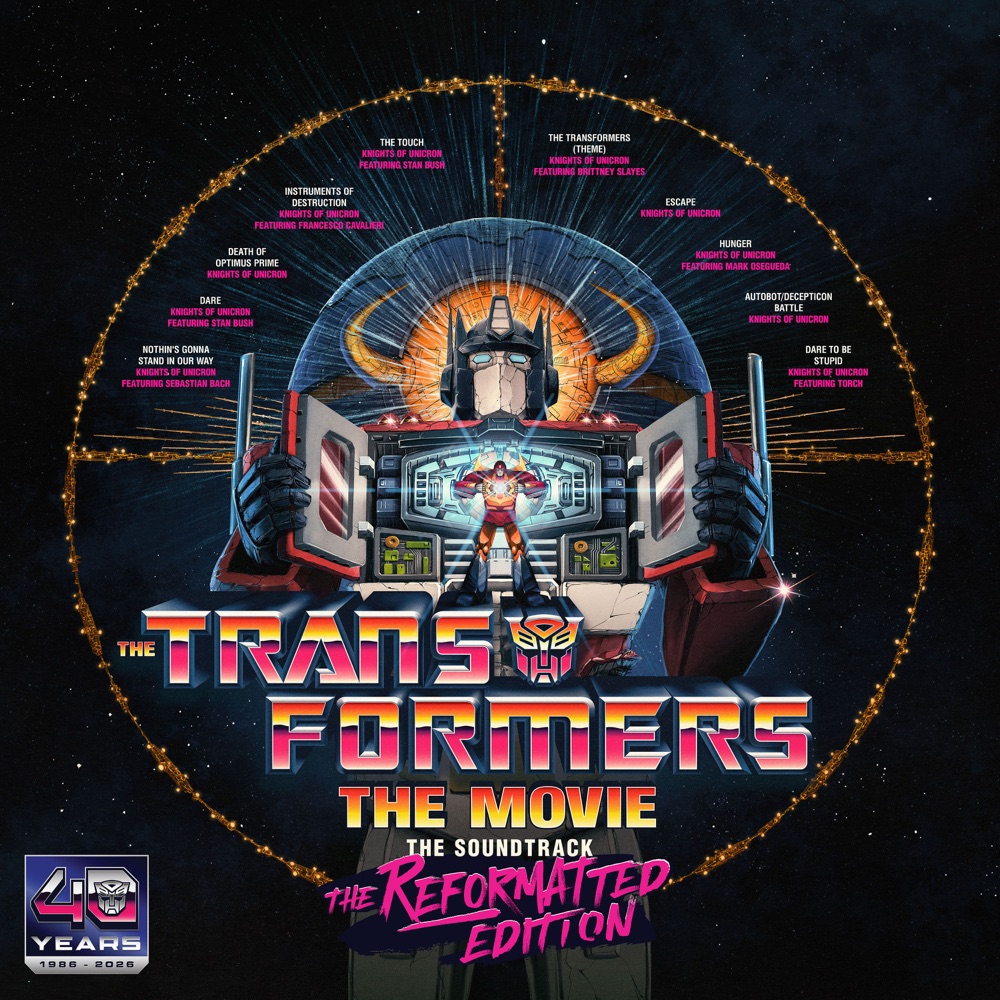
Forty years on, the “Transformers: The Movie” soundtrack is re-recorded as metal, with Stan Bush back to sing “The Touch” and “Dare”.
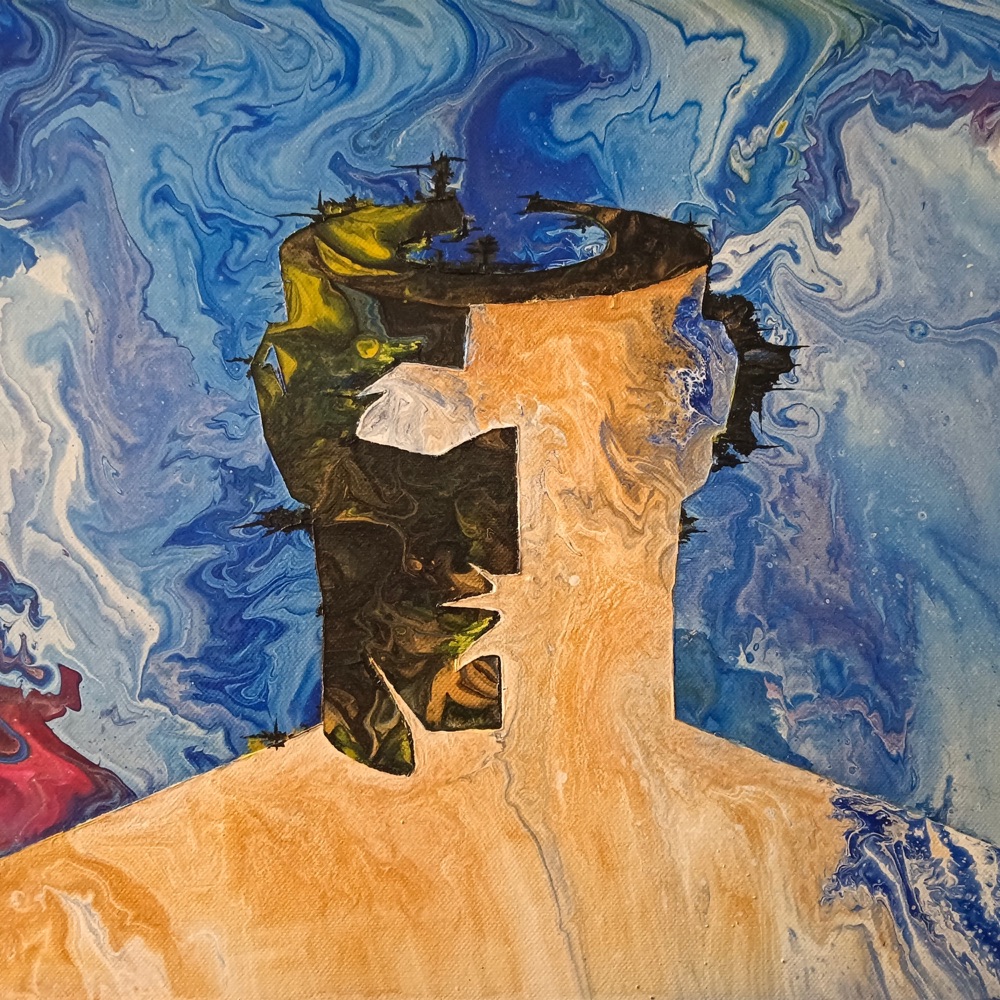
Third album from Italian quartet AetheR: six tracks running from a piano miniature to a ten-minute finale, with Andrea Serino’s Fender Rhodes as the house colour.
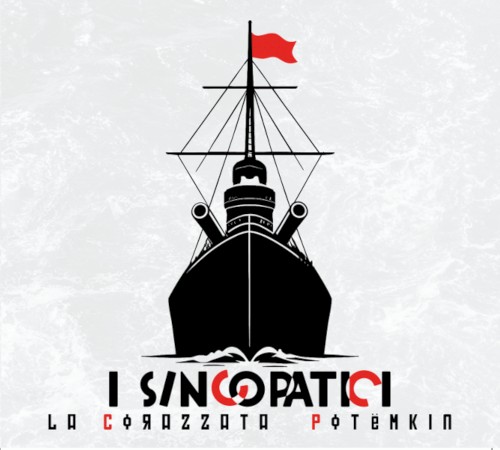
Francesca Badalini’s Milan quartet scores the centenary of “Battleship Potemkin”: five movements, forty-one minutes and no period pastiche.
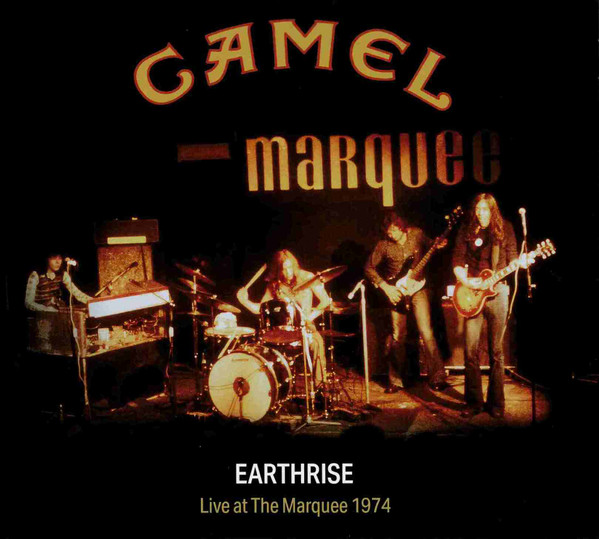
The Marquee show of 30 October 1974, complete and on its own for the first time: two CDs, fourteen tracks and a band that hadn’t finished “The Snow Goose” and was already playing three pieces of it.
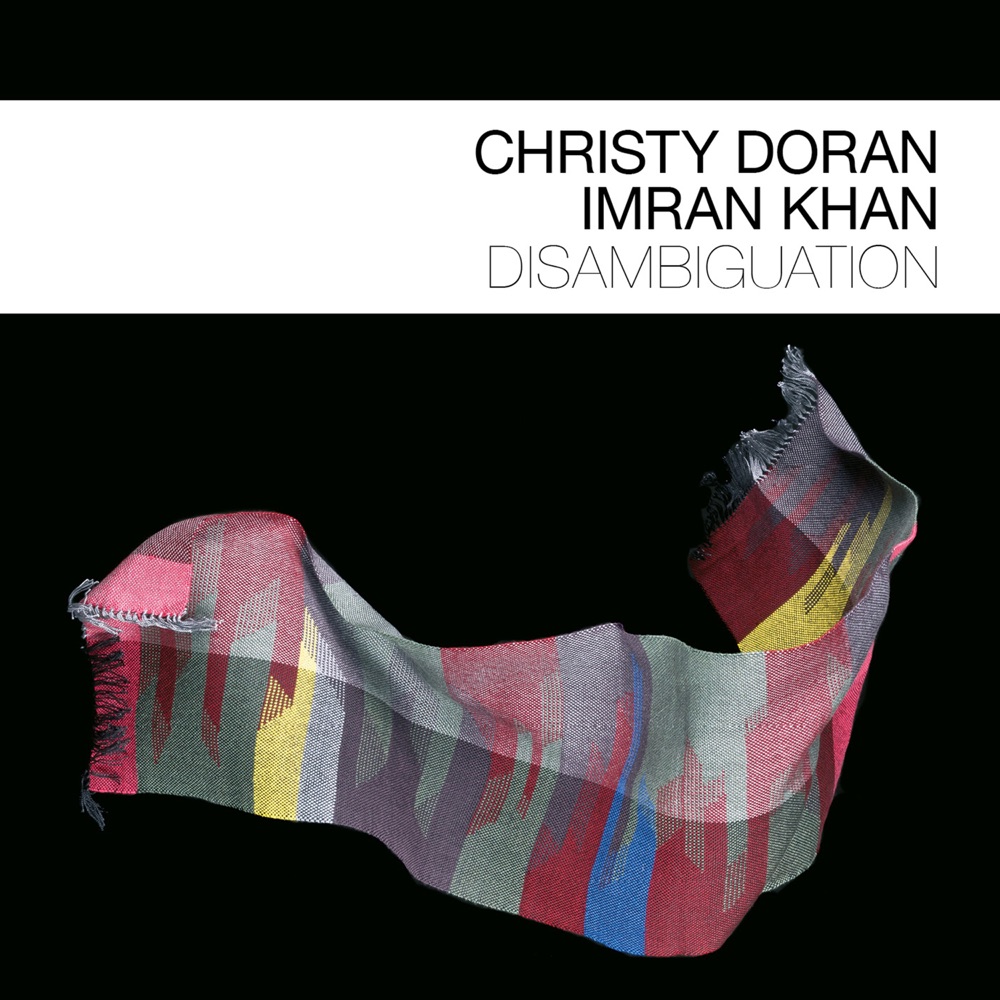
Guitar and tabla, eight pieces and fifty-one minutes. The seventy-seven-year-old Irish guitarist lets Imran Khan’s rhythm take his phrases apart rather than decorate them.
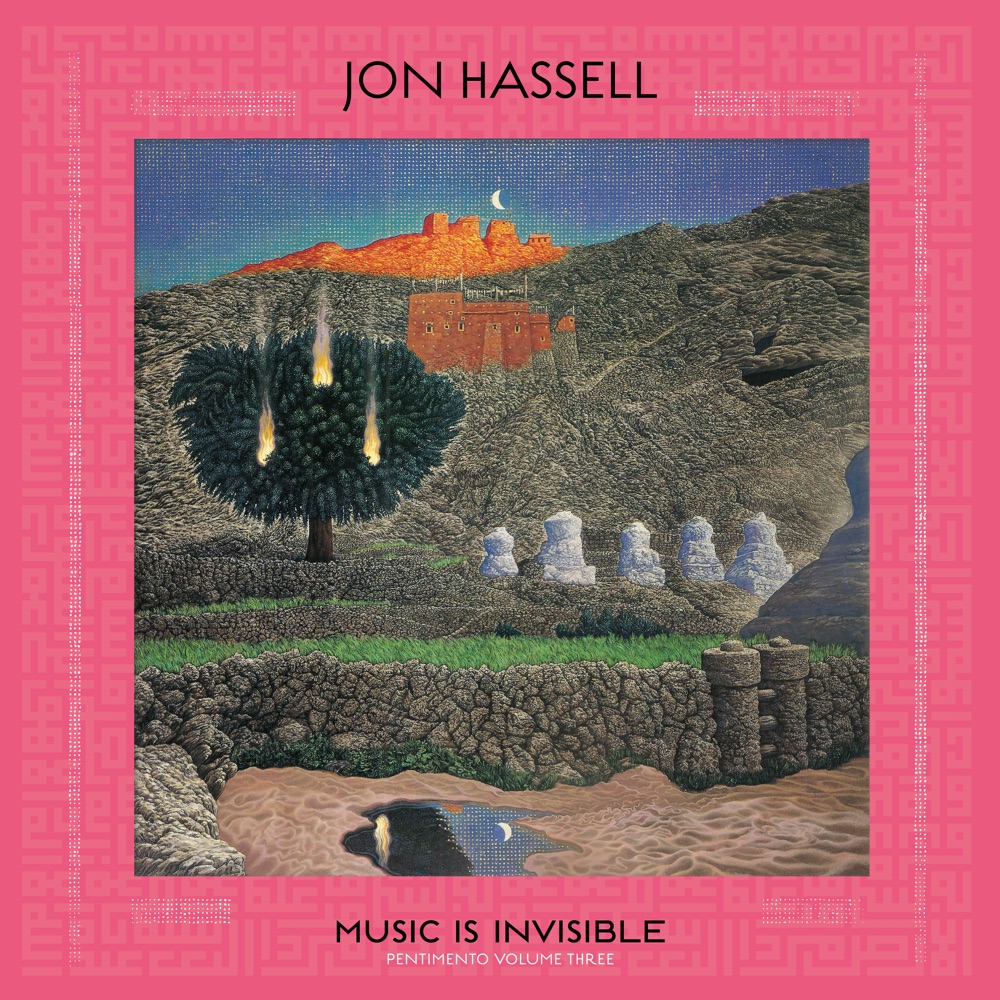
Forty-two minutes of the last concert Hassell’s band ever played, in London in May 2015. Four tracks, one of them sixteen minutes long, and a trio that sounds like an orchestra.
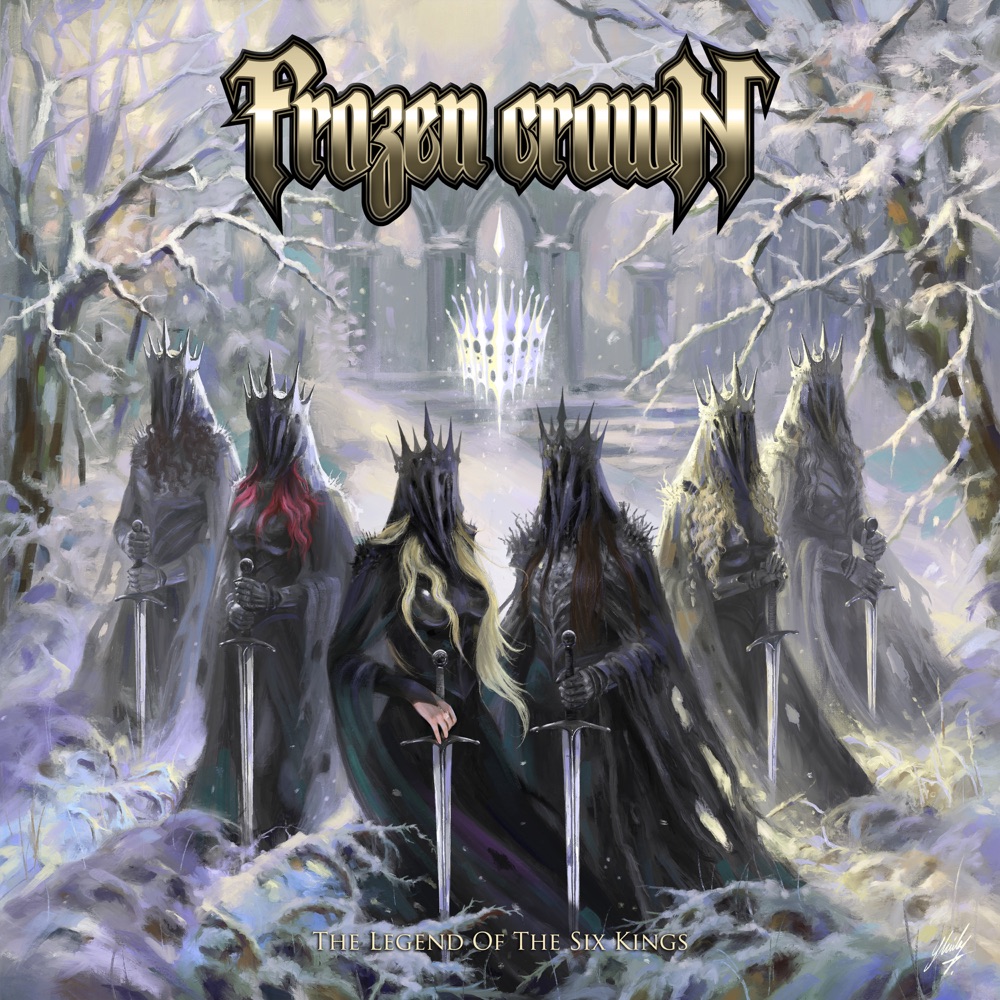
Ten tracks, thirty-six minutes and not a single song that reaches five. The Milanese band’s sixth album is the most compact they’ve made and the one that least stops to tell the story in its title.
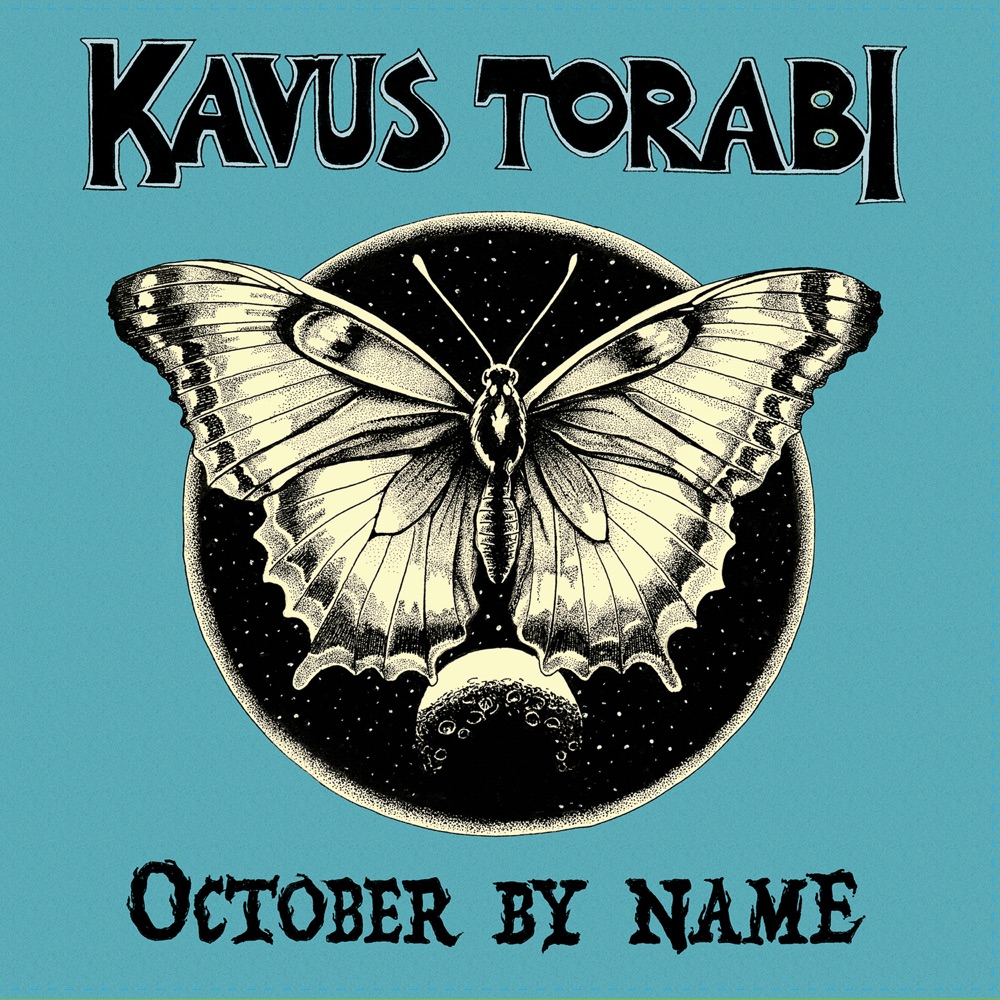
Six songs and thirty-three minutes that the Gong frontman played and recorded entirely on his own, bass always last. It closes the trilogy “Hip To The Jag” opened in 2020.
Six songs and sixteen minutes of cello and voice, the second half of a diptych that started in March. Real minimalism: every instrument with its own space around it.
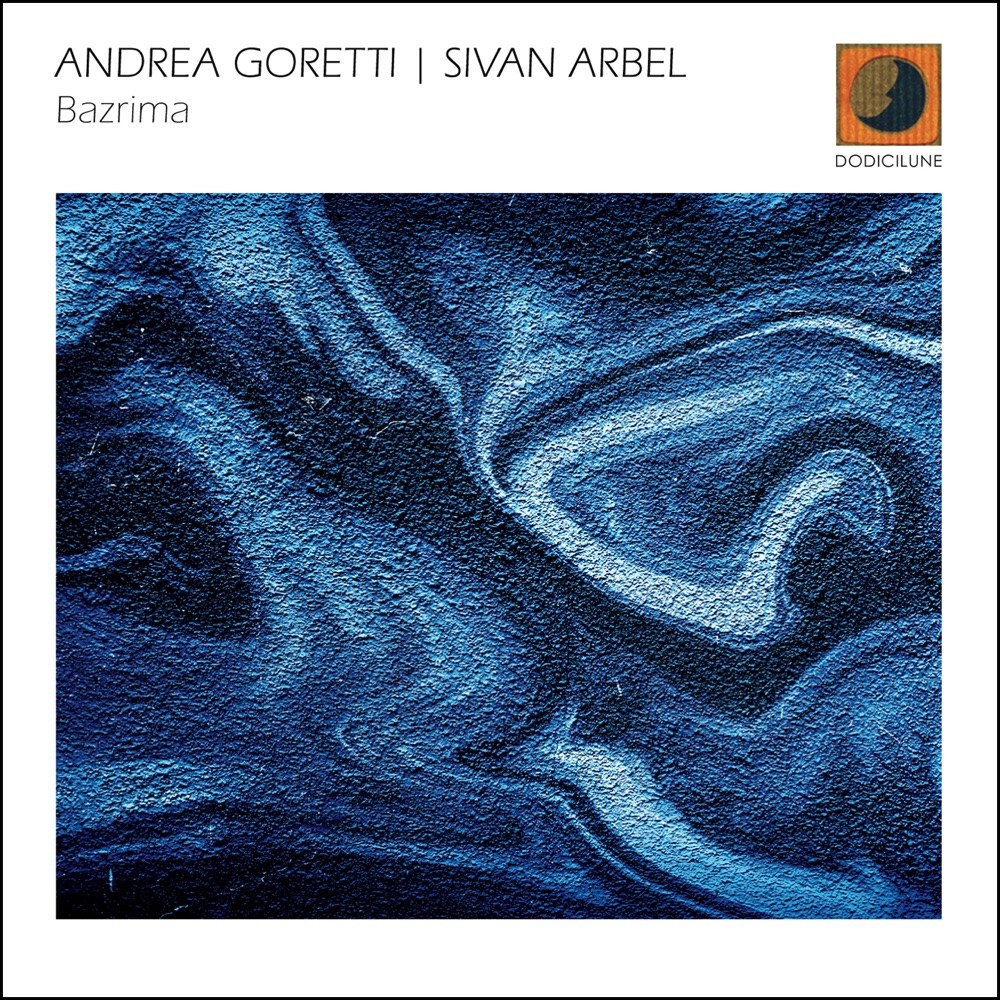
Piano and voice and nothing else: ten pieces and thirty-four minutes taped near Udine by an Italian pianist and an Israeli singer who until recently had never met.
Sixteen Danish and Norwegian musicians, six pieces of eight to twelve minutes and an hour and five of music written entirely by Maria Dybbroe. Taped at Oslo’s national jazz stage.

The Polish trio put the mazurka inside contemporary jazz: five “Mazurek” out of eight tracks and fifty-five minutes. Their fifth studio album, and their first for Dot Time.
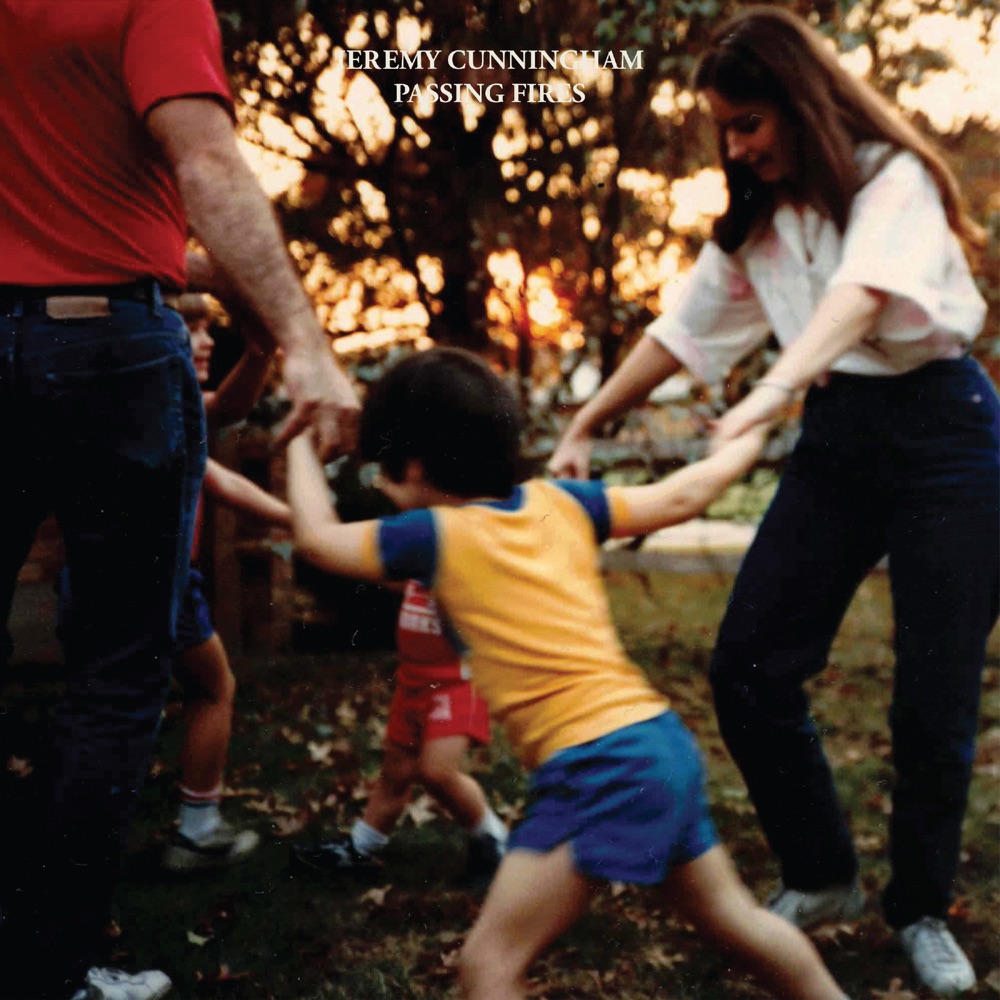
Twelve tracks dedicated to his father, opening with his son’s voice saying he does not want to go to school. The Chicago drummer gathers Jeff Parker and Makaya McCraven and barely solos.
The New York guitarist returns with a trio, a banjo and two tracks whose titles are the same words in a different order. Eight pieces of jazz that is not asking you to come along.
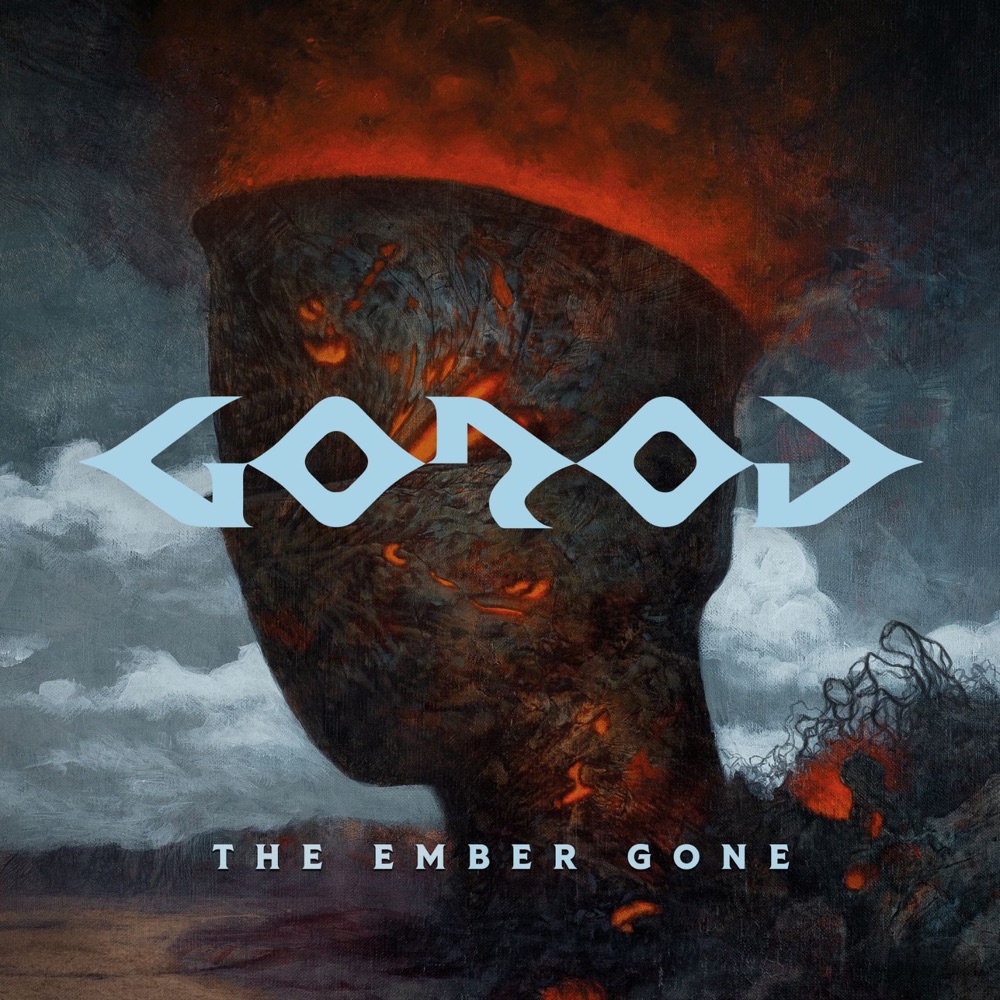
The Bordeaux band leave technical death metal half behind and cross over into progressive rock across eight tracks and forty-three minutes. Their eighth album.
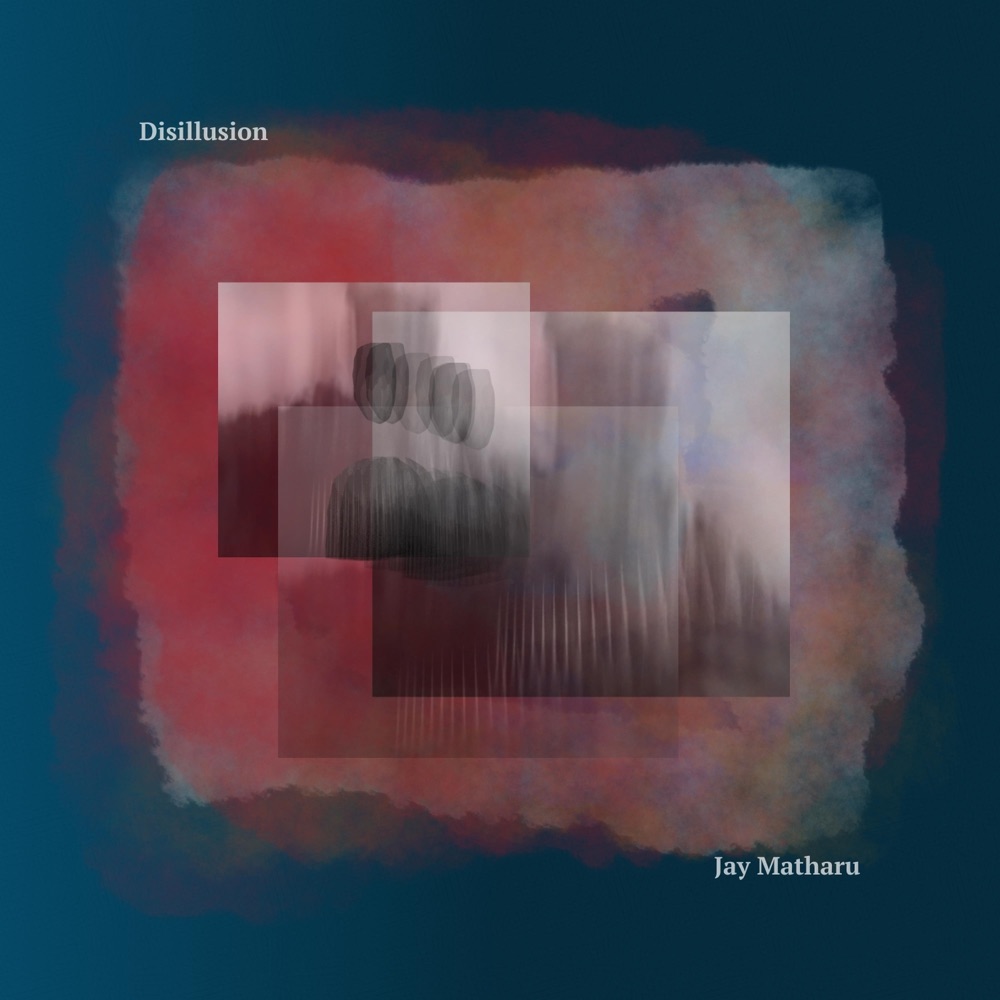
Nine years after his first album, guitarist Jay Matharu returns with a guitar-and-tenor quartet recorded between Sweden and France, Indian music surfacing here and there.
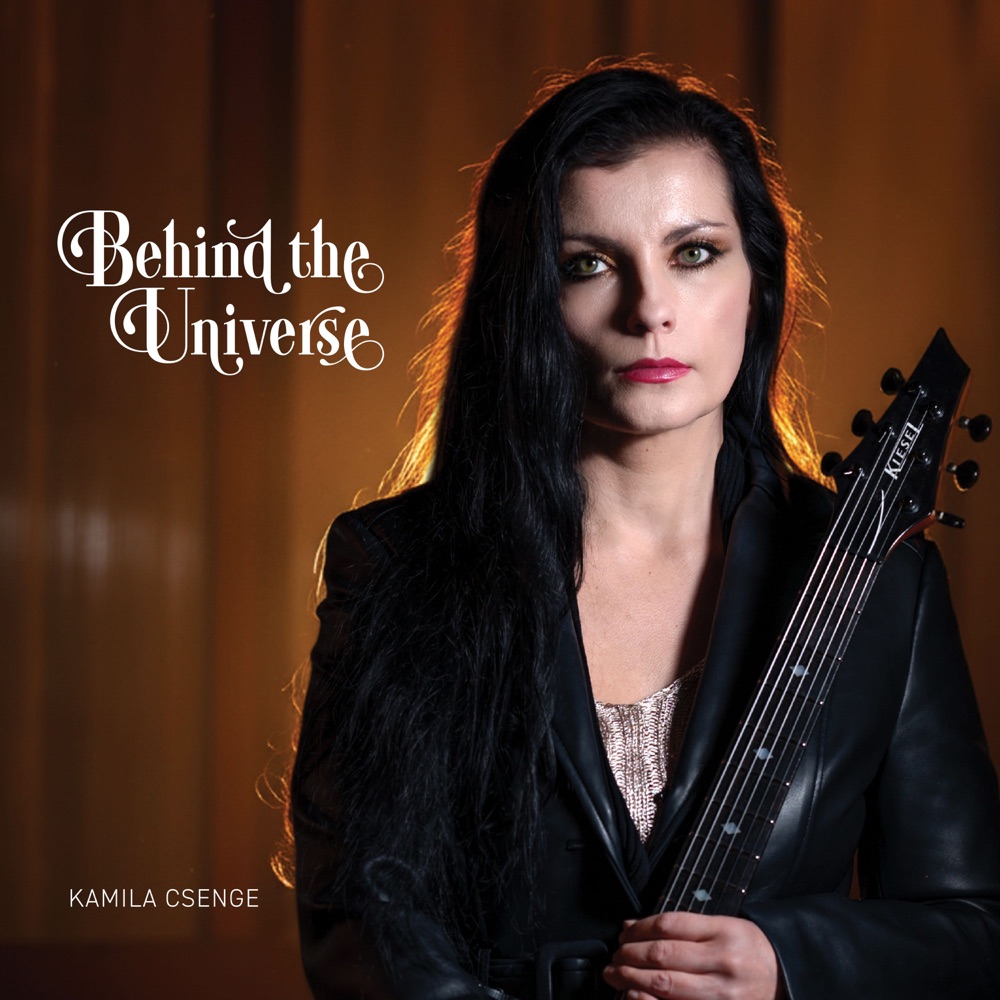
Czech guitarist Kamila Csenge’s debut: seven tunes, a quartet with two electric guitars, and a mix that doesn’t always make clear which of the two is soloing.
The Icelandic bassist’s second meeting with Bill Frisell, eight years after “Strata”: ten pieces, thirty-seven minutes and a single dynamic register held from end to end.
Eighteen and a half minutes of “Plowman of the Sky” carry the album on which Rafael Pacha trades Celtic folk for fusion. He plays zither, viola da gamba, electric violin and whistles on it.
Twenty-eight and a half minutes of Atlanta shoegaze with the vocal pushed to the front of the mix and hip-hop drum machines underneath. Siichaq’s third album in three years.
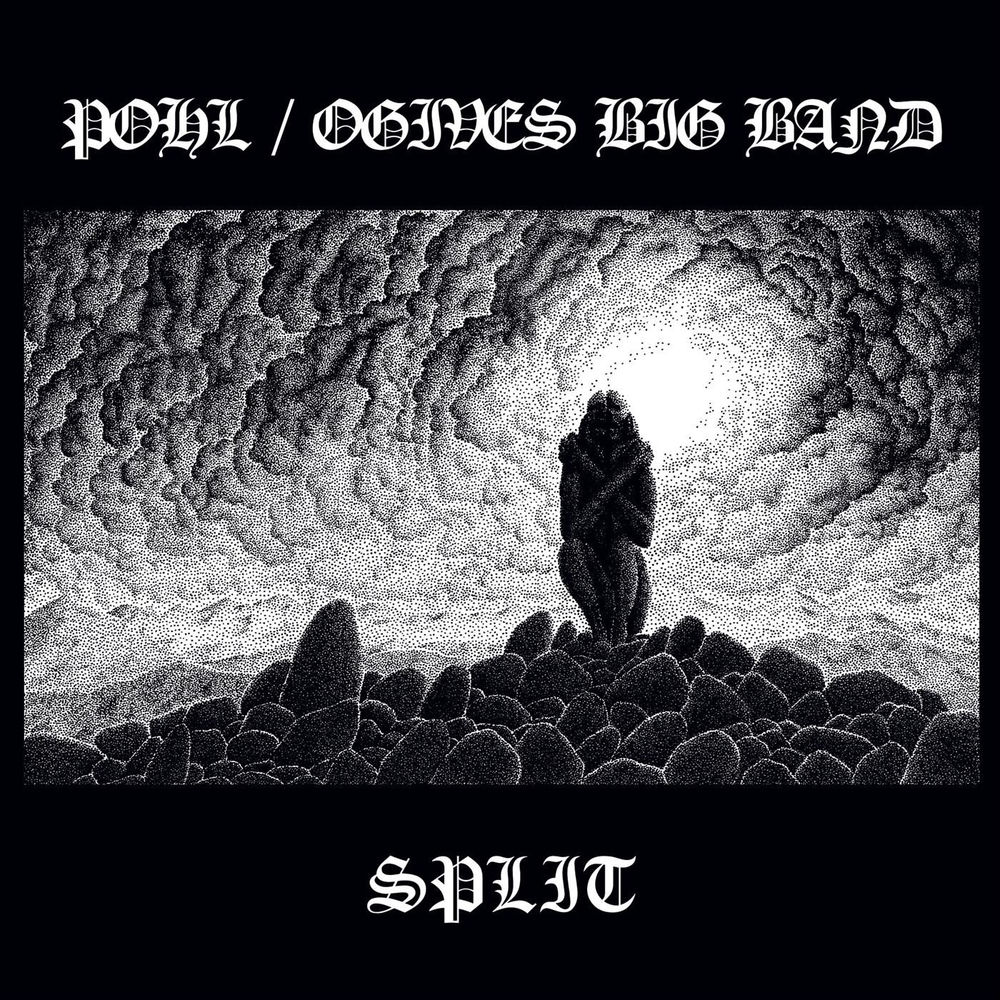
Thirty-seven minutes shared two ways: four tracks from Ogives Big Band and a single seventeen-minute stoner epic from POHL, with a sax solo in the middle of it.

Eleven tracks of Birmingham glam with organ, flute and enough seventies references to fill three albums. Bobbie Dazzle’s second for Rise Above, two years almost to the day after the first.
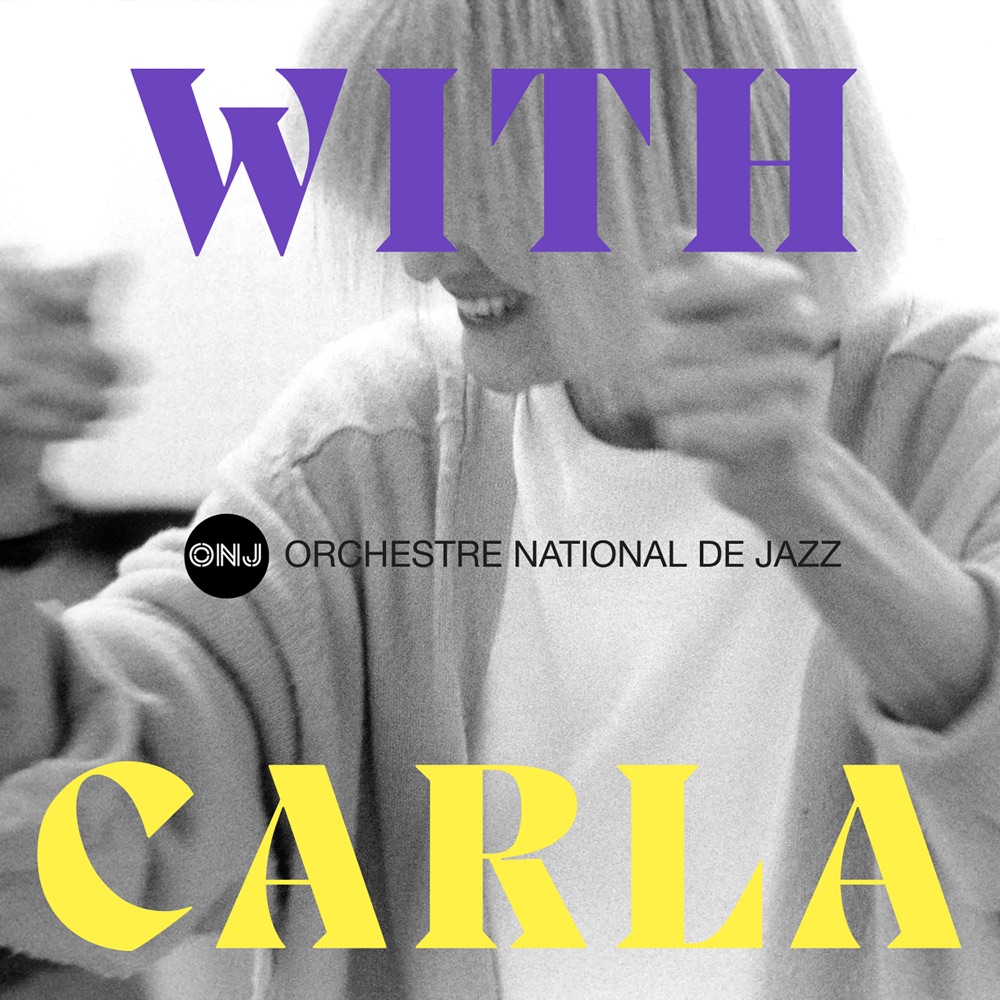
A double album from the Orchestre National de Jazz on Carla Bley, the first programme of Sylvaine Hélary’s tenure. Eighty-five minutes, a third of which isn’t hers.
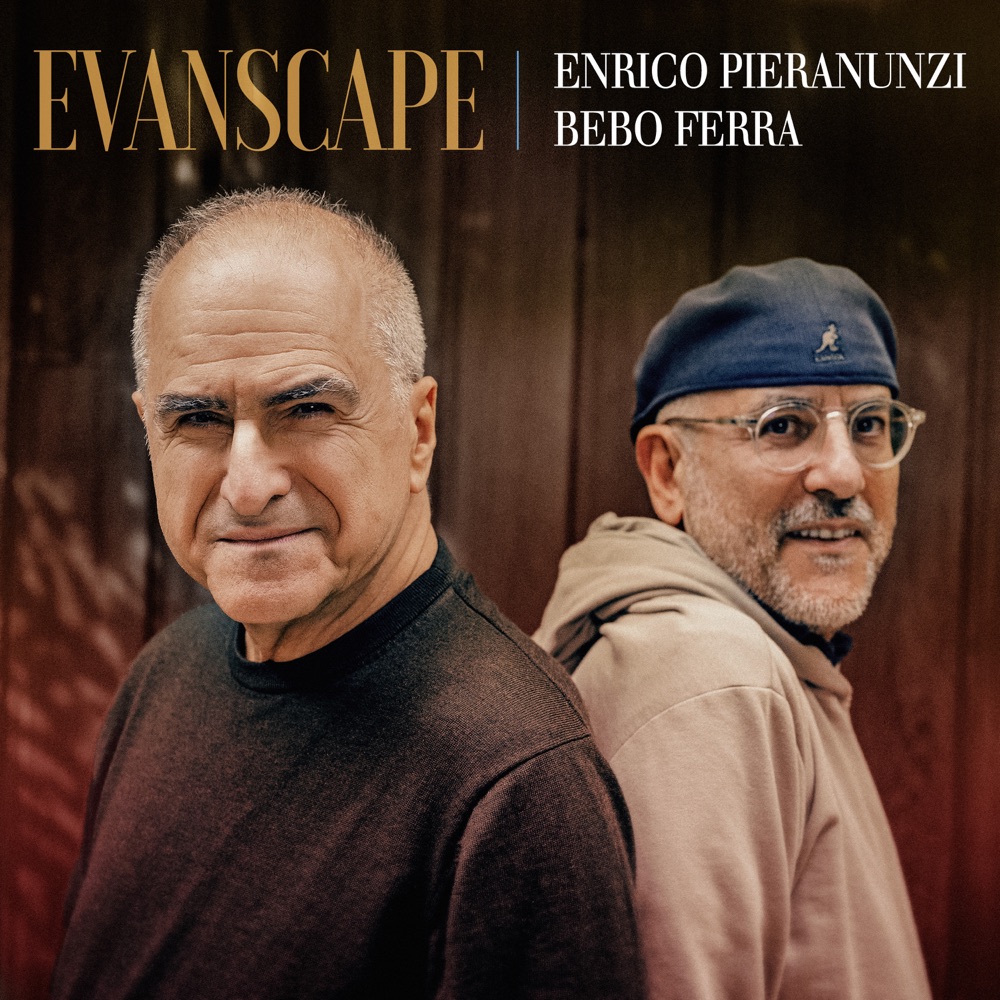
A piano and guitar duo with Bill Evans in the background: only three of the eleven tunes come from that repertoire and the rest are their own. Fifty-one minutes in a single register.
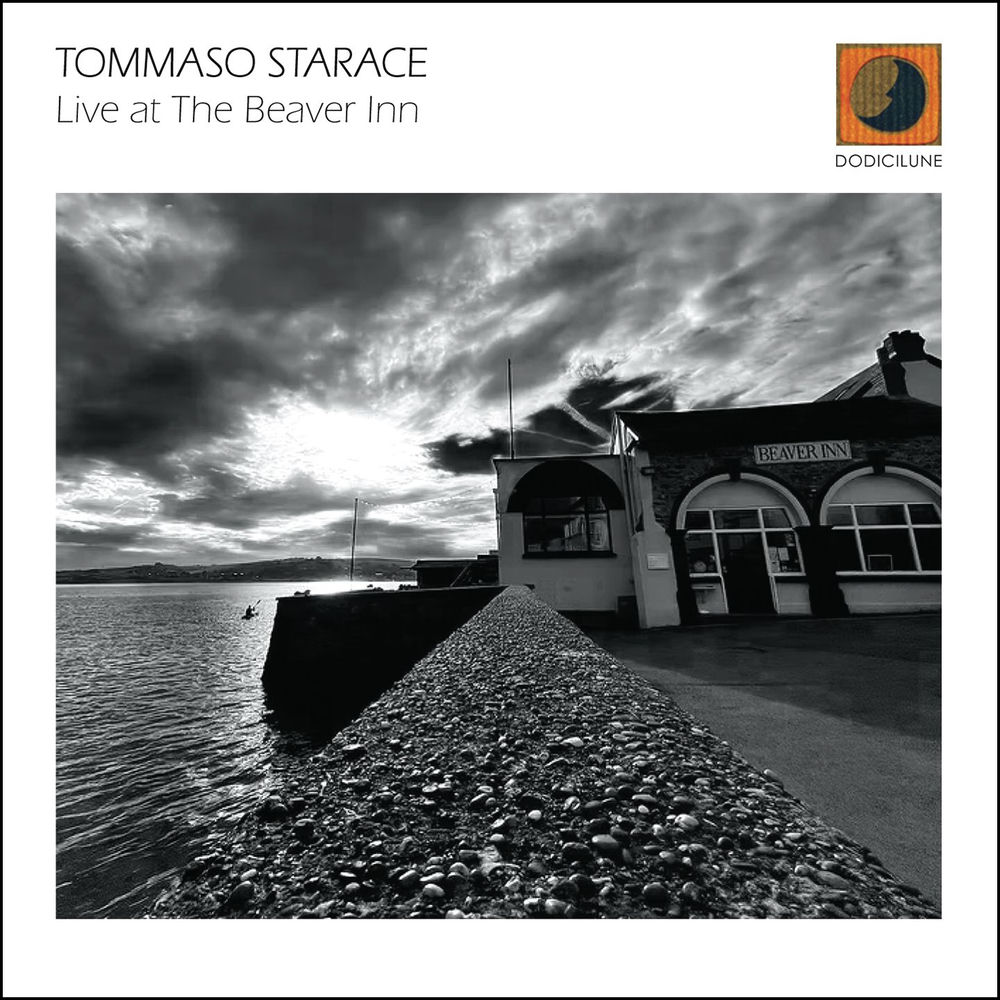
An organ trio recorded in a pub on the Devon coast: Starace on tenor, Jenkins on organ and Harbon on drums, stretching seven standards out to fifty-seven minutes.
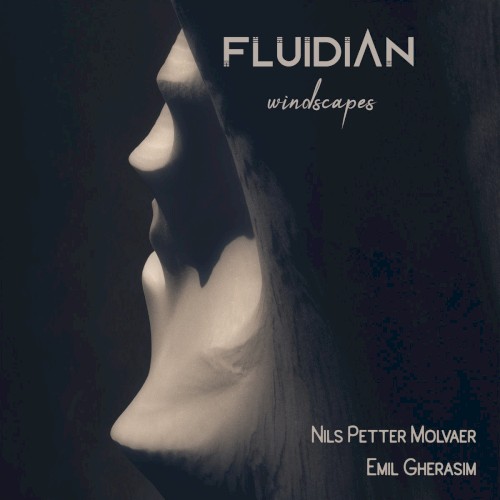
Fourteen miniatures from Romanian Emil Gherasim’s electronics with Nils Petter Molvær’s trumpet on six of them. Forty minutes you’ll only find on Bandcamp.
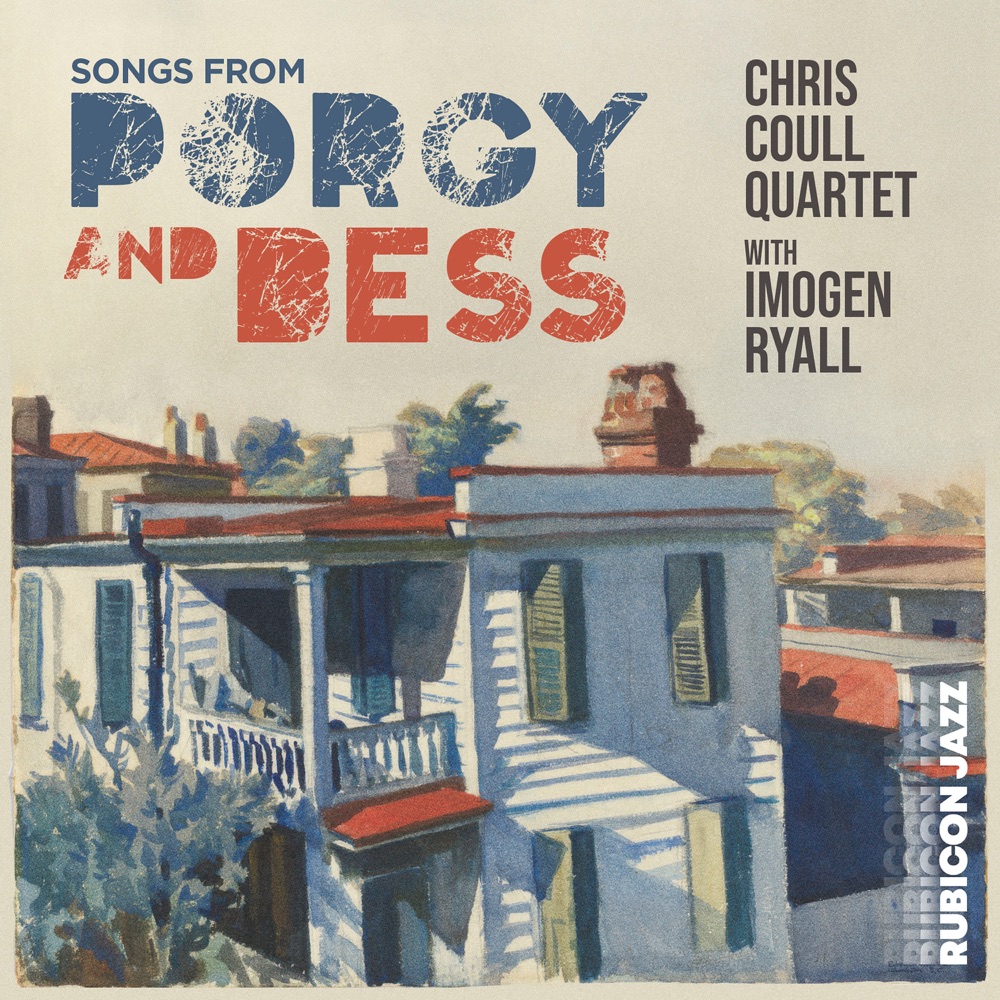
The Brighton trumpeter’s quartet and Imogen Ryall’s voice work through twelve songs from “Porgy And Bess” with bop phrasing. The closing “Summertime” lasts one minute forty-four.
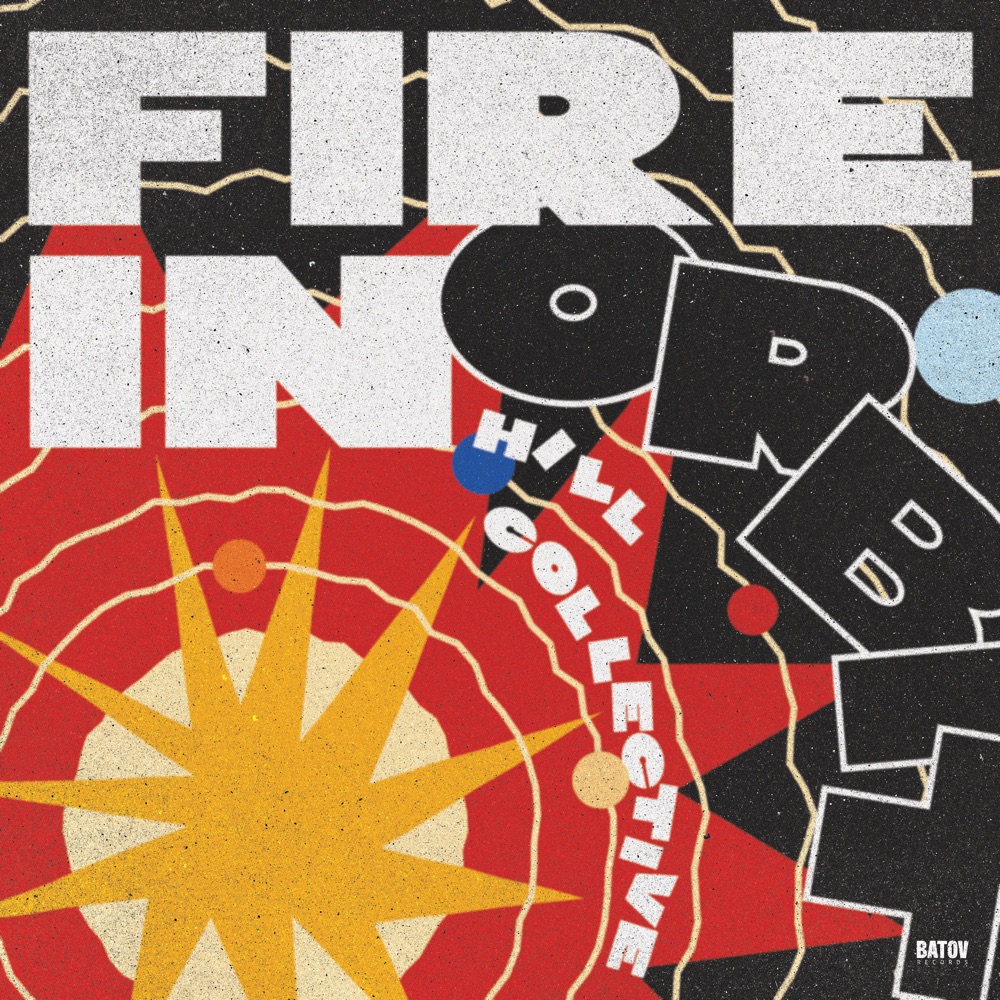
Eleven players from Brighton, four tracks and thirty-seven minutes of spiritual jazz with Sun Ra in the background. Their first album for a label, and the one that runs short of pieces.
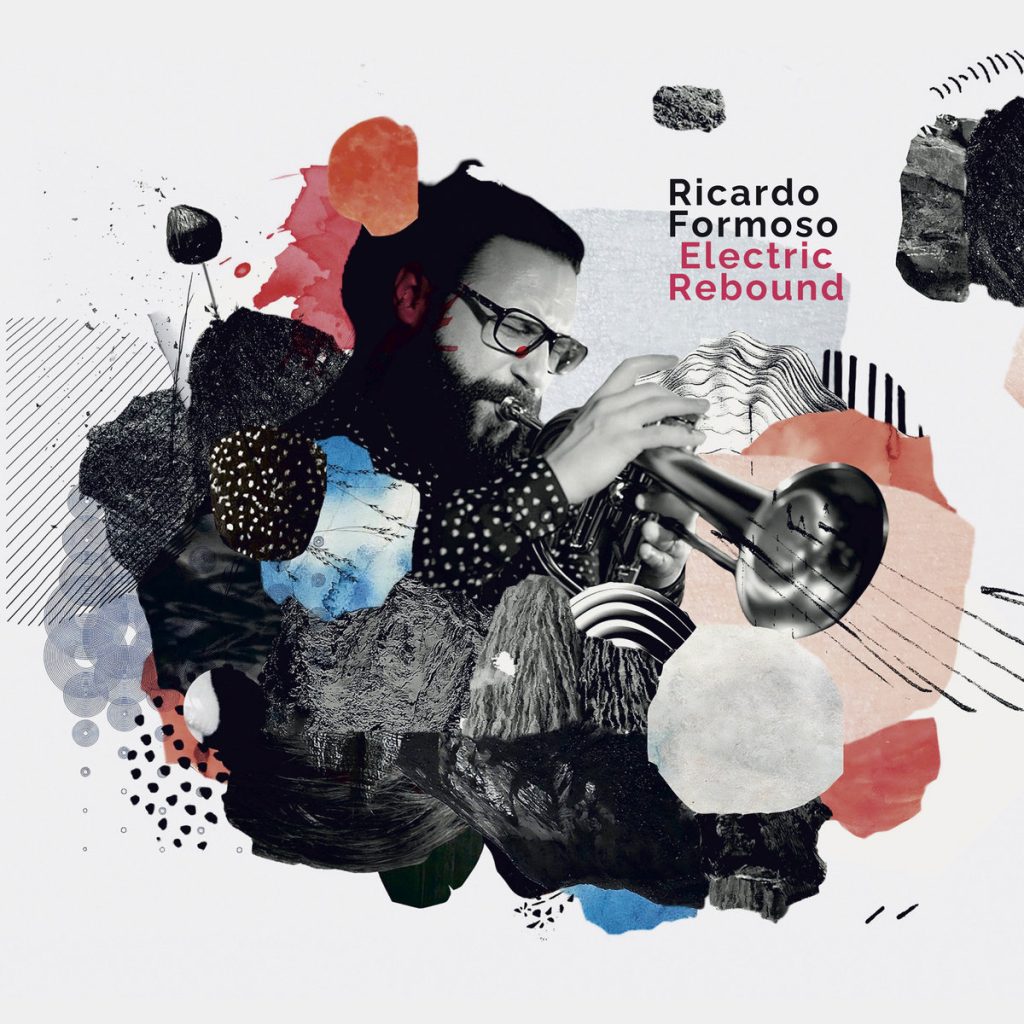
A Galician fusion quartet with no bass player: the electric piano takes the low lines and Formoso’s flugelhorn carries the tune. Forty-four minutes you won’t find on any platform.
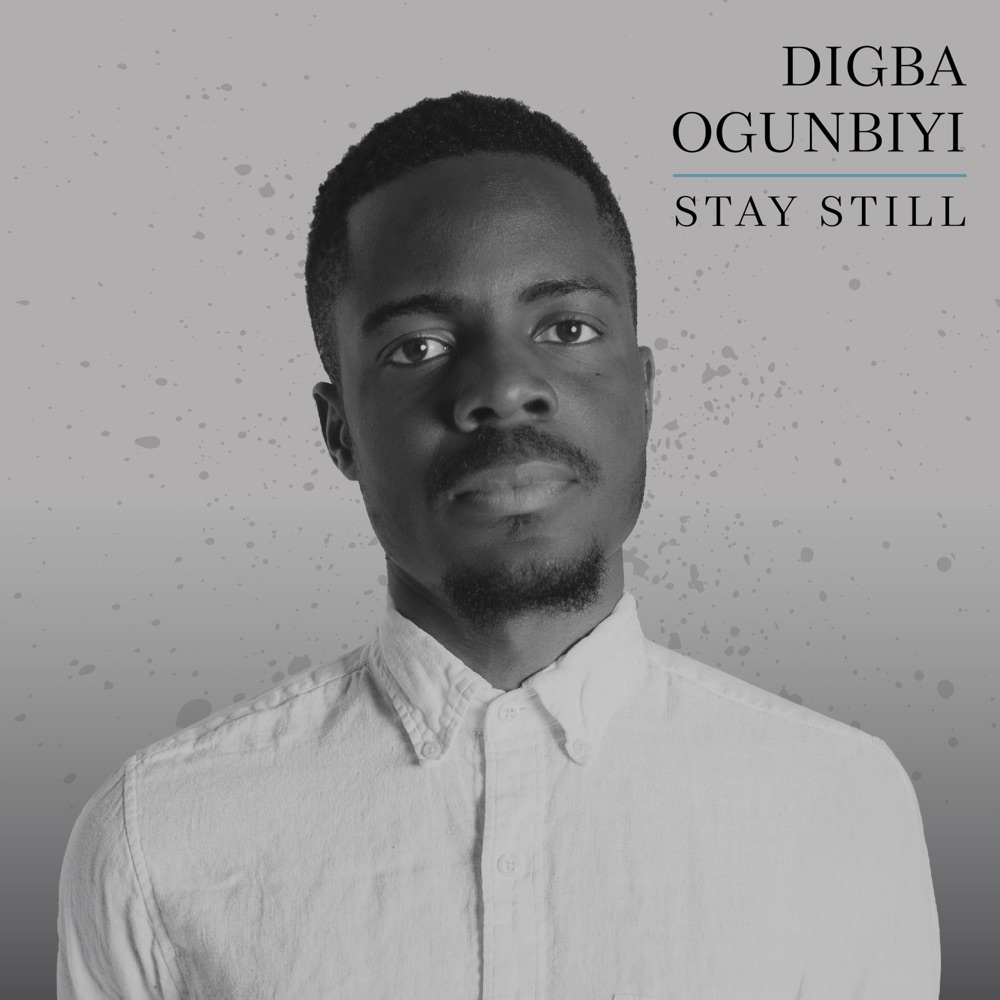
The Nigerian pianist sets Yoruba names and dirges next to bebop, with talking drum and voice. The meeting happens more at the album’s surface than in its harmony.
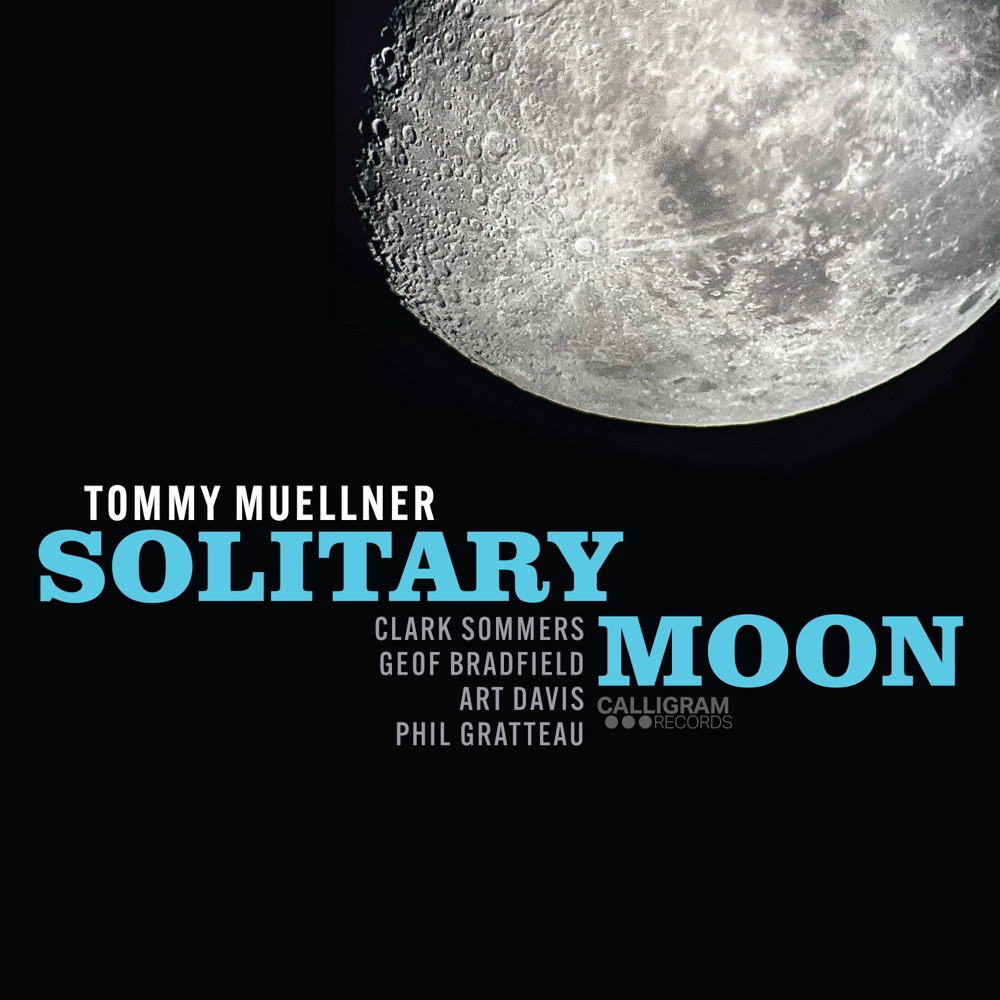
Twenty-eight years after his first album, the Chicago pianist returns with fifteen tracks and ten dedications. The playing is impeccable; the thread holding them together is biographical, not musical.
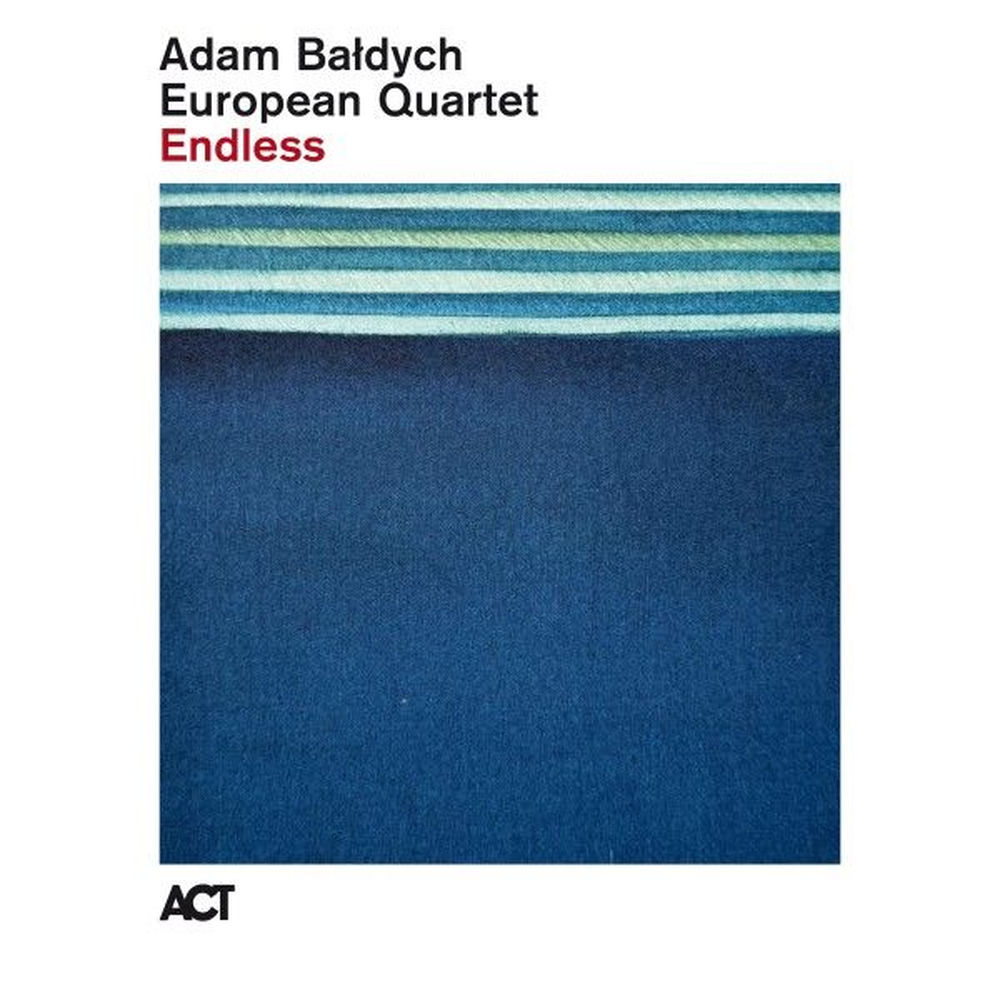
Violin, bandoneon, piano and bass recorded without an audience in a Polish concert hall. Bałdych alternates a low-tuned Renaissance violin, and almost the whole album is duets.
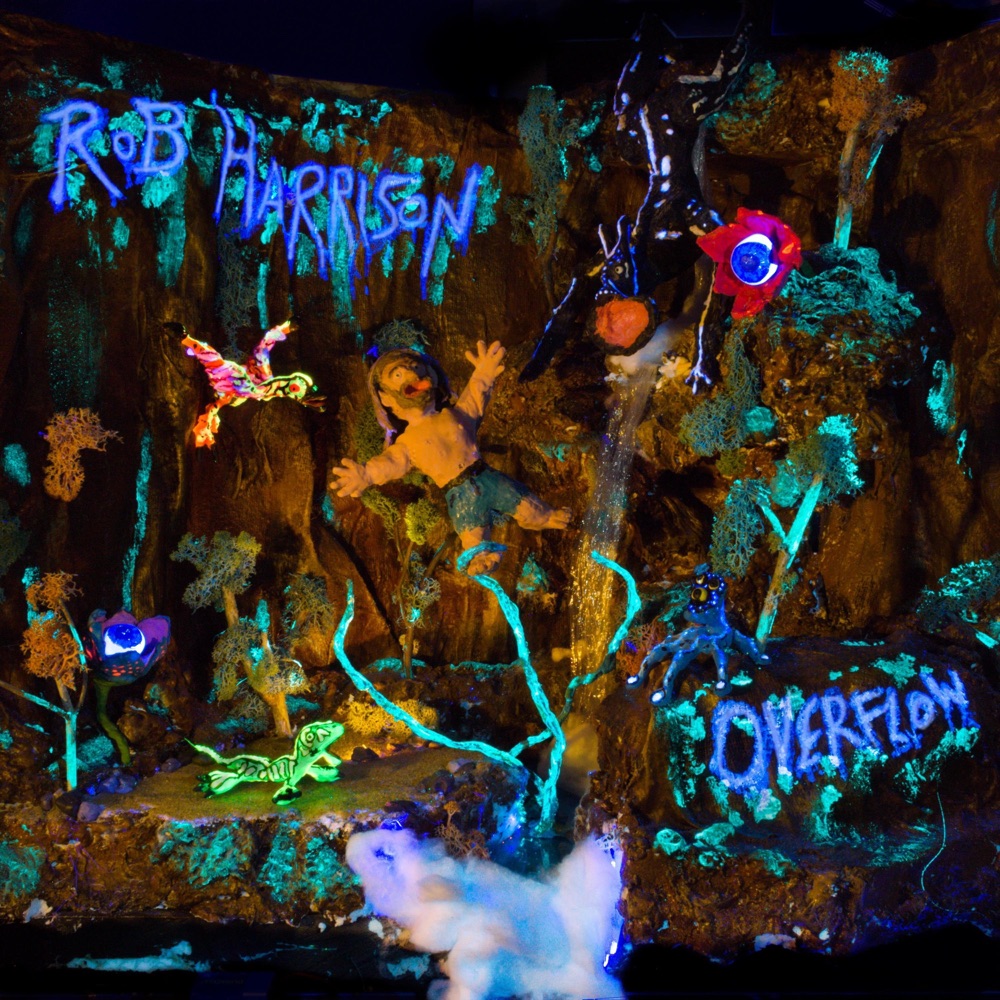
Z Machine’s saxophonist records an album about water almost single-handed, with glass bottles and water percussion. Two of the eight tracks are the same piece reversed, and that doesn’t hold.
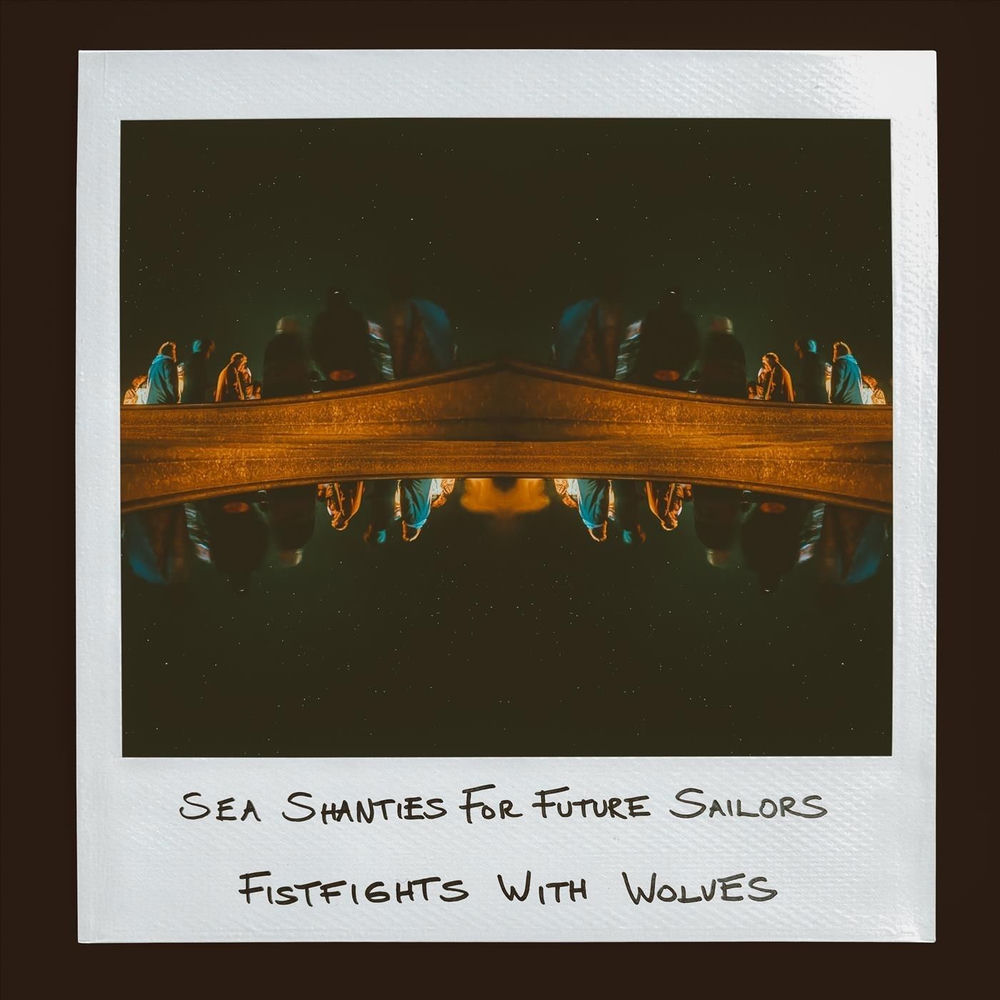
The San Diego sextet fits chamber music, math rock and jazz into nine tracks and thirty-four minutes, with two voices that never stop. That’s also the one thing they can’t vary.
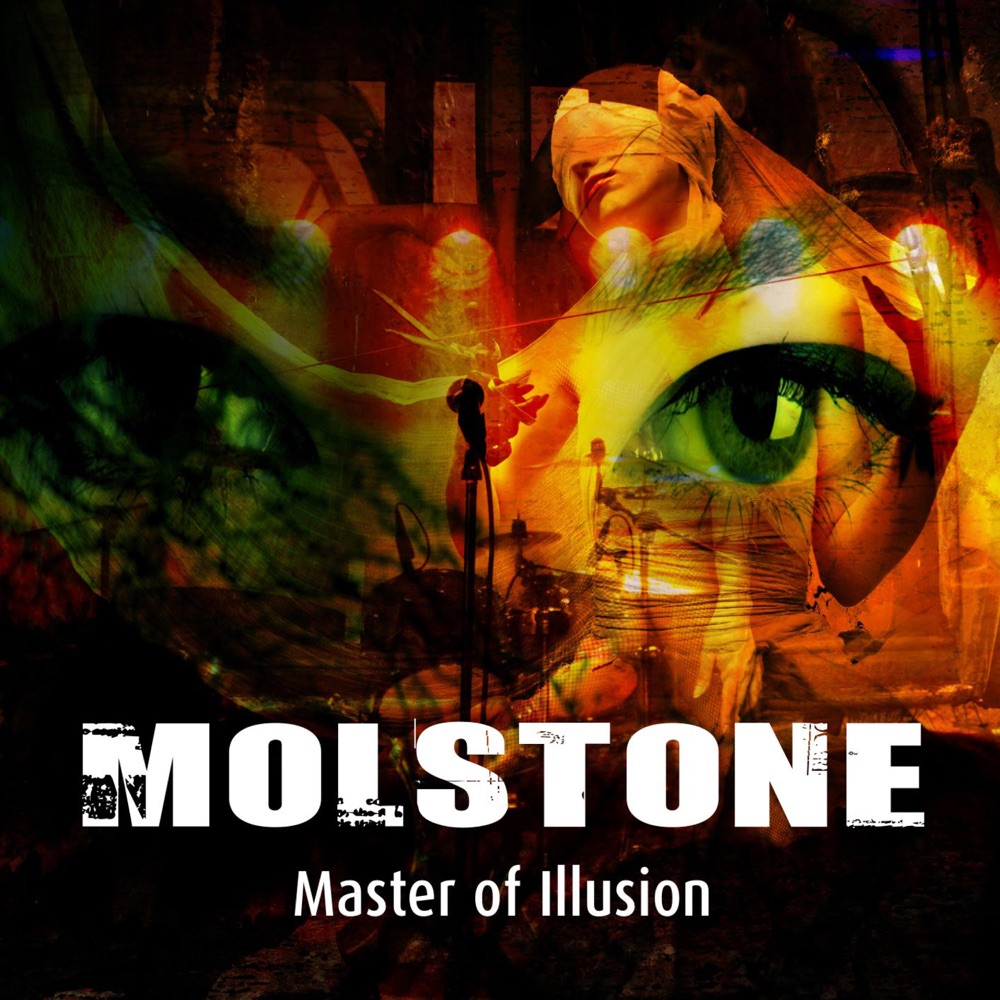
Molstone’s first album arrives twelve years after the band formed, written by the man who sang on the first two Flamborough Head records. Dutch neo-prog with craft, and with a catalogue feel.
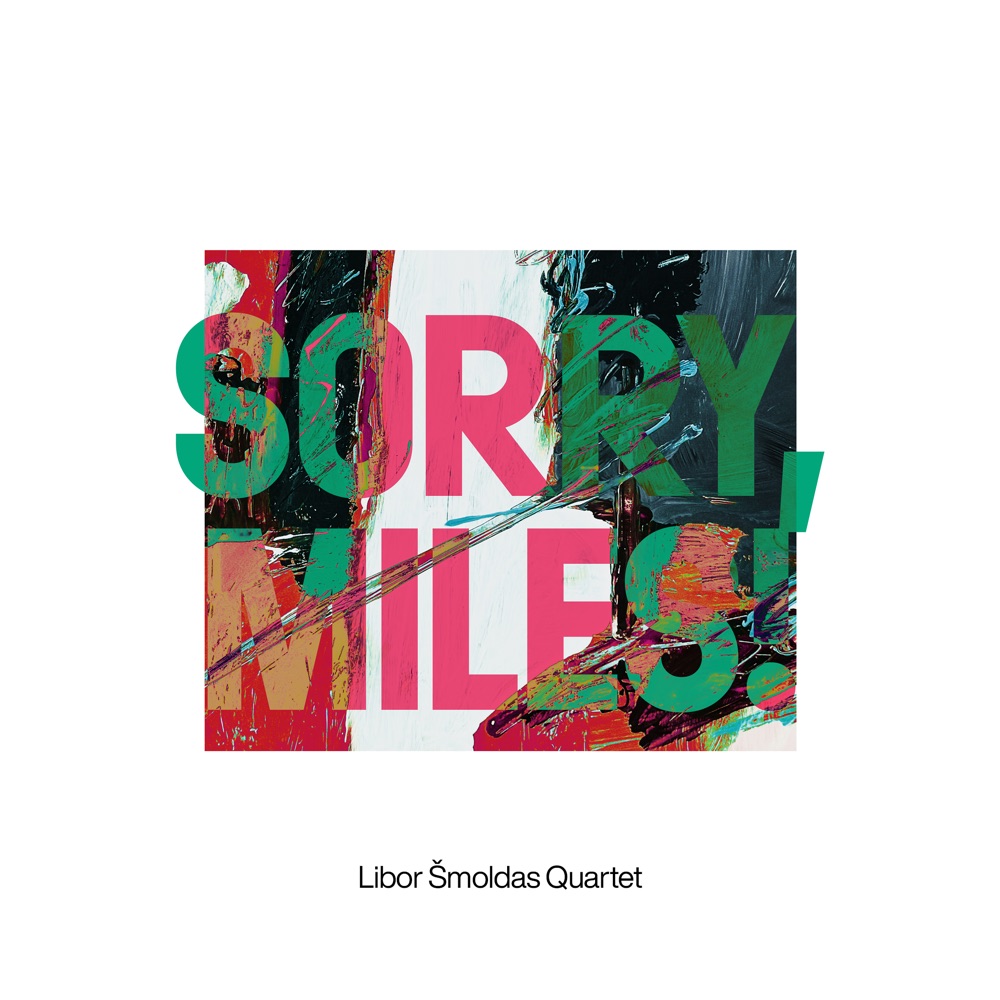
The Czech guitarist plays the tunes Miles Davis put his name to without writing them, plus four originals. The premise reads better than it sounds, but “Richard’s Regret” earns it.

Four standards cut in a single take in March 1996 by a marimba, bass and drums trio, forgotten for thirty years and found while remastering the band’s first album.
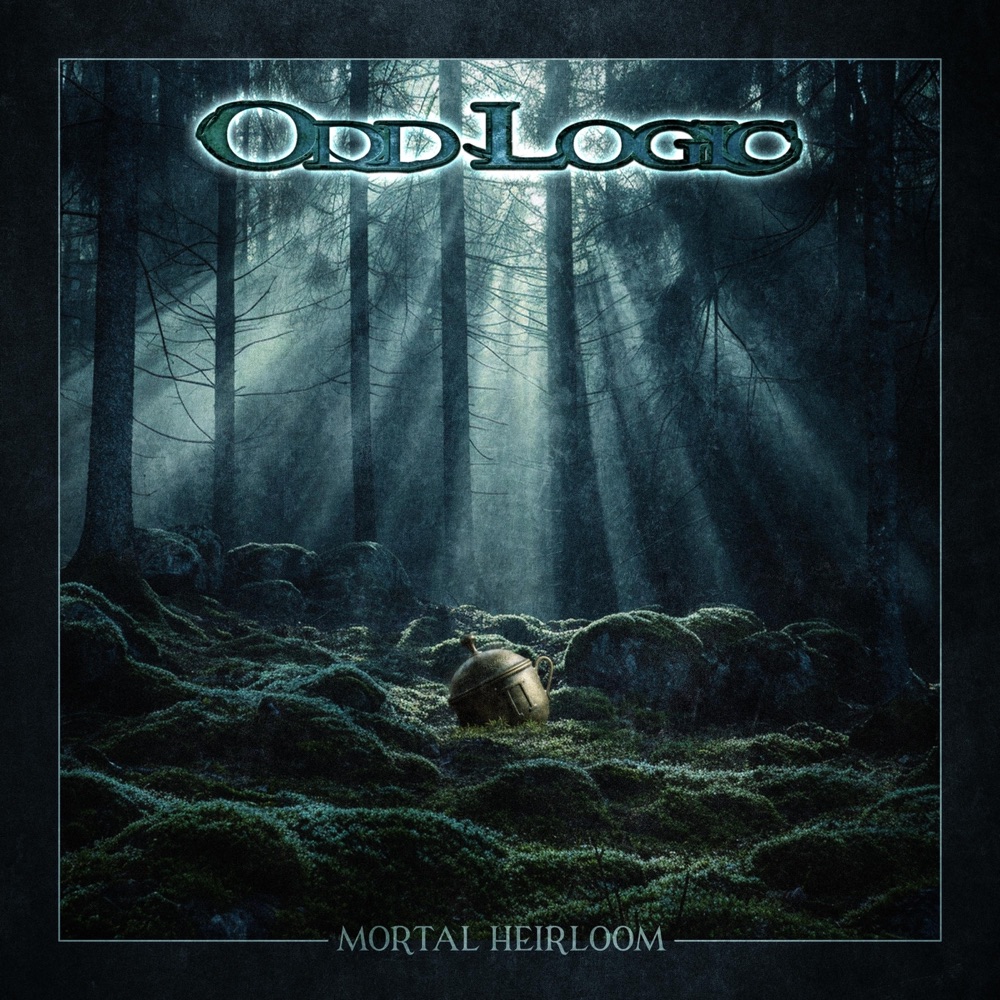
Ninth album from the Tacoma one-man band: six tracks, forty-three minutes of melodic progressive metal, seven years after “Last Watch Of The Nightingale”.

Fourth studio album from the Loughborough band who were called Minas Tirith in the seventies: twelve tracks, sixty-nine minutes of hard rock with keyboards, nearly all of it mid-tempo.
Readers' survey
Rate up to 150 progressive rock, metal and jazz-fusion bands and get your personal ranking -- plus the Tótum readers' overall one.
I want to vote →