
Metal
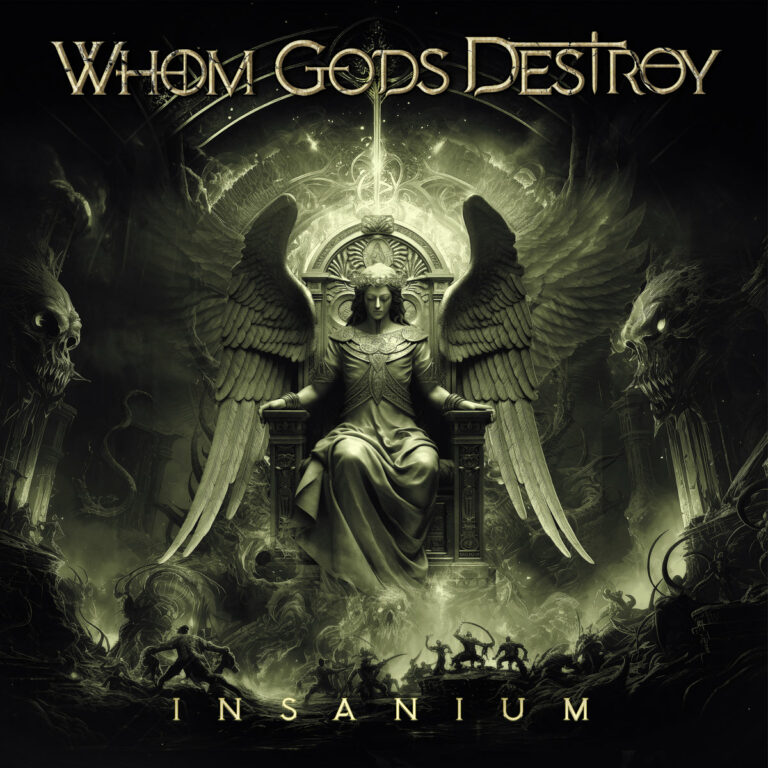
You get the feeling this band was thrown together in a hurry by Derek Sherinian (Dream Theater, Planet X, Black Country Communion) and Ron “Bumblefoot” Thal (Guns N’ Roses, Bumblefoot), after Mike Portnoy did a runner back into the arms of his Dream Theater buddies, and Billy Sheehan rushed off to prepare Mr. Big’s farewell tour, for his part. A tour that, incidentally, is passing through our neck of the woods these very last days of March.
So the other two were left hanging on the Sons of Apollo project, which all four of them had been part of, and that’s probably why they chose this name for the new band. Because they’re the ones destroyed by the “gods”, the ones who had to go fend for themselves.
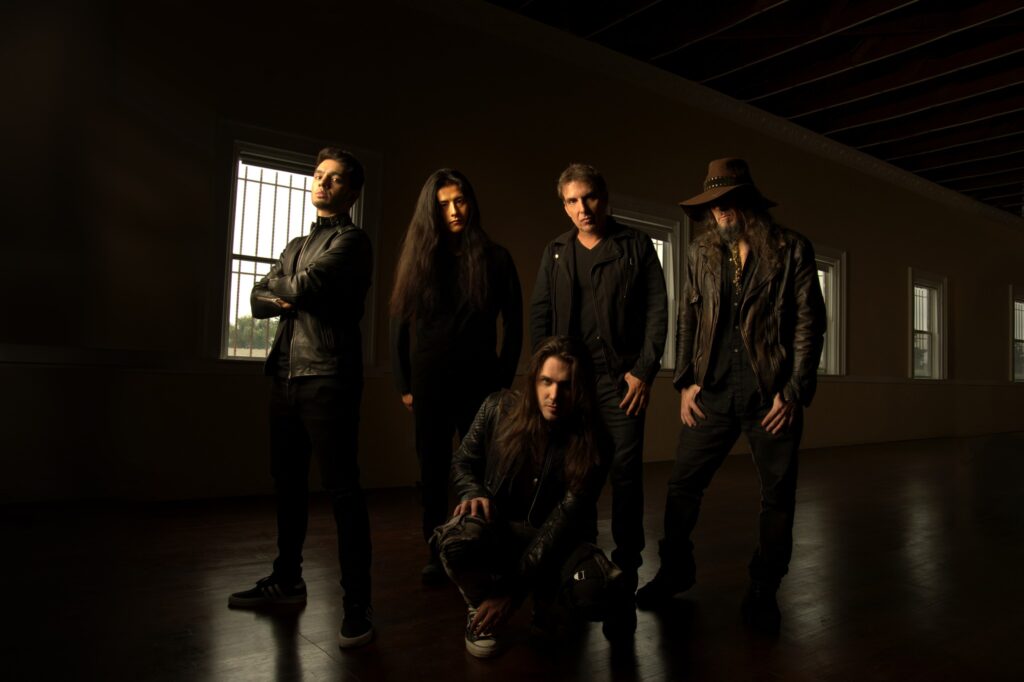
Either way, both of them picked out great talent, bringing in Dino Jelusick (Junior Eurovision winner, Whitesnake) on vocals, Yas Nomura (The Resonance Project) on bass, and Bruno Valverde (Angra) on drums.
That said, the debut album’s craftsmanship is impeccable, as you’d expect from a line-up like this, and without taking anything away from the achievement, it’s also the bare minimum you’d expect. But being magnificent musicians doesn’t guarantee a masterpiece.
A keyboard line that draws directly on the classical-music foundations integrated into rock, thanks to the work Keith Emerson once pioneered, opens “In the Name of the War”. The entry of the main riffs and Jelusick’s biting vocals carry us through a track that ticks every box of progressive metal. It doesn’t stray far from ideas found in bands like Haken or Temic, to name a couple of current acts rather than falling back on the ever-convenient Dream Theater or Fates Warning. It’s worth noting that its real stylistic identity lies in the technical grandeur of its two main players, Sherinian and Thal, well represented in the excellent solos on this track, and throughout the rest of the record.
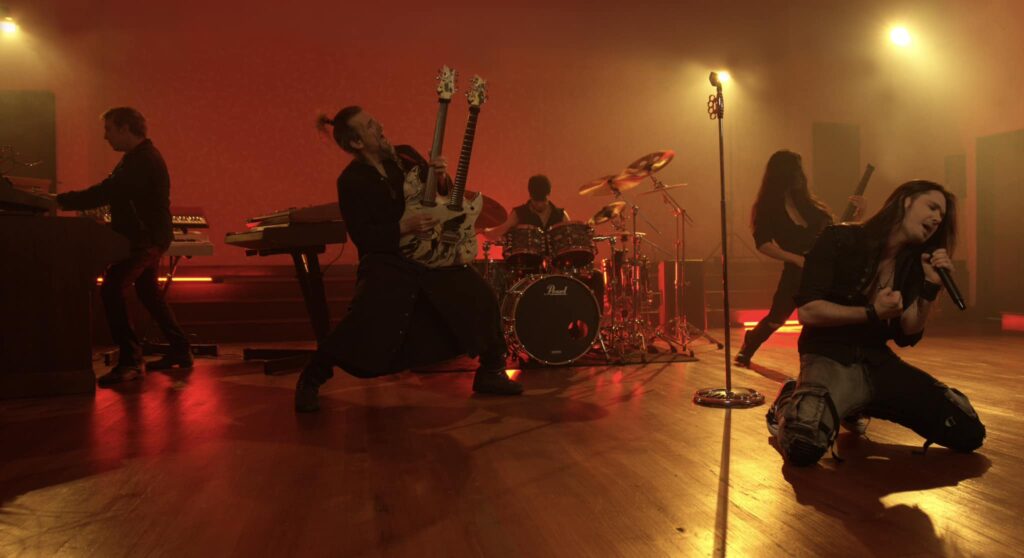
Valverde’s solid work also deserves a mention, anchoring tracks like “Over Again”. After a fairly standard introduction, we get a surprising verse built on ideas close to nu-metal, followed by another verse with an interesting, demanding vocal twist. From there, we’re treated to a lovely guitar-and-keyboard duel that, predictable as it may be, is still well worth appreciating for the execution alone. The rest is just a return to verse and chorus.
The tremendously polyrhythmic introduction to “The Decision” spills into a richly detailed bassline, courtesy of Nomura, that holds up the first verse. The chorus’s harmonies lift the track’s power until, abruptly, the intensity nearly drops back to zero as the second round of verse and chorus begins. This time the solo order flips, keyboard first, then guitar, before returning to the sung sections. By this point in the record, the songwriting really is following a fairly set modus operandi.
Opening “Crawl” with keyboards and drums in forceful fashion, they don’t hide these compositional tics, since the vocal entry, with a brief middle motif, doesn’t bring anything surprising to the table. A fabulous performance, but one that’s starting to feel a little flat from repetition.
So opening with a lone organ and moving into acoustic-guitar-and-keyboard textures wrapping around the vocals is genuinely welcome, giving the album a bit more dynamism. Even so, “Find My Way Back” is a mid-tempo rock ballad that’s a touch too by-the-book. That said, you fully understand why David Coverdale once hired Jelusick to accompany him (read: “to sing the notes he can no longer reach”) in Whitesnake. As for the track itself, it passes through our ears without much fanfare.
It’s almost better when they go back to the well-trodden paths of “Crucifier”, with another dose of nu-metal influence and plenty of prog. All the musicians come across as far more decisive when they stick to the kind of compositions we already know, leaving room for the two band leaders to flex their muscles, with the rest, as the Muchachada Nui crew used to say, accepting their role as domestiques.
“Keeper of the Gate” moves into hard-rock territory fairly successfully, with a fairly classic flavour and a certain whiff of ’70s Rainbow. But “Hypernova 158” heads back into progressive-rock territory with an impressive instrumental track that hands out plenty of fireworks, even carving out a spotlight moment for the bass, suggesting that, given some more time to develop, there’s enormous potential here for the future.
And to close things out, we get the title track: “Insanium”. After the interlude of the previous two tracks, we’re back to something that already sounds overly familiar. Beneath an apparently standard structure lies impeccable craft and a fine run of solos threaded between agreeable verses and choruses. Worth noting is the heavier interlude, with some fun amalgams, giving way to a lone guitar in a passage that seemed to promise something dense and dark, but Jelusick’s voice pulls it back into safer territory for the band — that is, into another run of solos. Like good brothers, after Sherinian’s solo comes Thal’s turn, picking back up the earlier rhythms. The conclusion, in the shape of an aggressive riff ending on a fade-out, delivers an unexpectedly fitting finish.
It’s a shame, but there’s evidence the “thrown-together band” theory holds true. The playing is impeccably polished and correct, but they could just as easily be playing a Céline Dion song and give it the exact same soul. We hope the band develops more body and personality as they put together new records, because the performing talent is clearly there — let’s see if they can nail the songwriting too. That said, if they end up on a festival bill near us, we’ll try to be front row.
Writer: David Sàez