
Metal
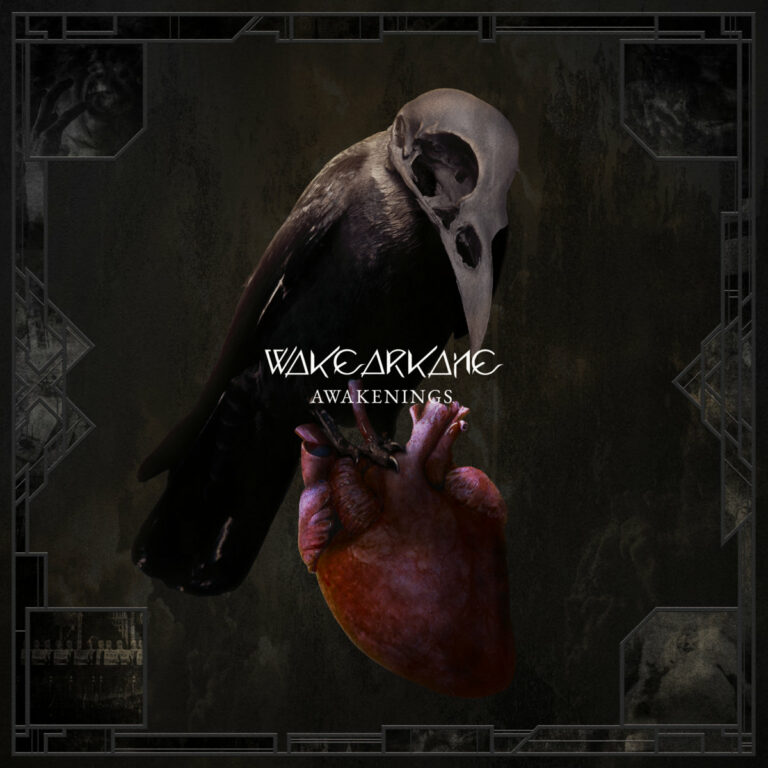
For lovers of dark, guttural metal who also have a special soft spot for classical harmonies, the Italians Wake Arkane bring us one of the last new releases of 2023. “Awakenings” is an example of what they call Death Metal with Pathos, which is essentially a way of expressing passion through theatricality, trying to pull the audience away from their Ethos, or conventional state. It seems they studied some classical Greek theatre and want to bring that into the mix.
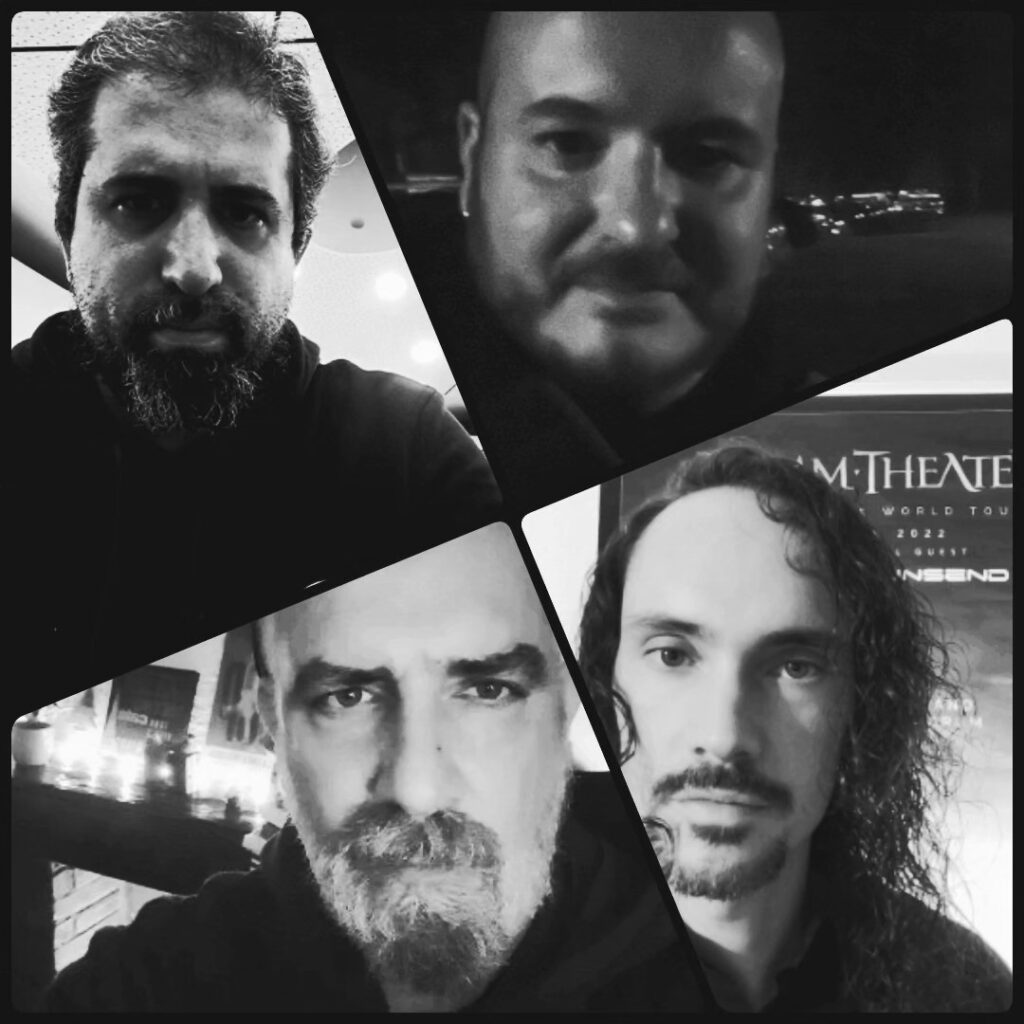
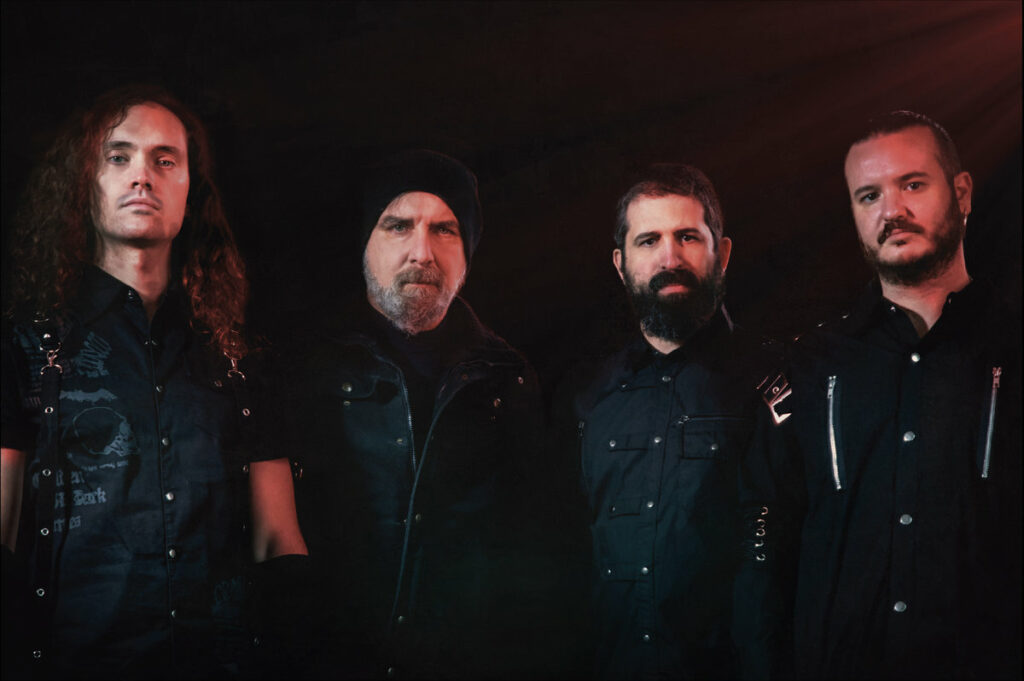
In short, they’re going for a bit of theatrics. So their live shows are probably even more rewarding. We’ll light a candle to Saint Cecilia and hope she brings Chicco De Zanni (drums), Andrea Grumelli (bass), Mike Lunacy (vocals) and Riccardo Rebughini (guitars, backing vocals and piano) our way.
We’re placed in a hospital room on “Pathway”. A ventilator and a piano mark out this introductory track, which closes with a medical report. It’s impossible not to take the opening of the legendary Queensrÿche’s “Operation Mindcrime” (1988) as a reference point. Properly speaking, the first song is “The Eternal Return”, where, forcefully, we get the first riffs and a piercing voice dominating over the metal-style arrangements. A melodic chorus breaks up this raw, hard dynamic, lending greater theatricality to the track — not for nothing are we dealing with a concept album.
Guitar arpeggios and monastic-sounding female backing vocals serve as a prelude to “Puppets Know the Tears”. The contrast between the more nu-metal-style lead vocal and the classic-toned progressive-metal arrangements is perhaps the standout element. The track is complex and rests on this opposition, which works admirably, as is very clear in the closing section, where the main motif acts as the antithesis of the vocal line.
Those who aren’t fans of throats that clearly need a good dose of cough drops will still find plenty to enjoy in the rest of the band’s exquisite playing and the choral sections. “Venere” is probably the perfect example of the ideas laid out above. At the same time, die-hard fans of guttural styles might find the composition a bit weak for their taste. But the elegance lies precisely in bringing these two concepts together and making them work in this kind of biting ballad.
Much more radical, on the other hand, is “My Coldest Land”, which takes no prisoners. Blast beats dominate its first section. A brief chorus gives way to guitar solos, accompanied by the lead vocal, and a return to the devilish rhythms of the opening. After another chorus, the track closes with a short coda.
Naturally, when a track is called “Waltz of Cypress” you expect a triple-metre rhythm, and sure enough. This kind of cadence gives a musician the chance to explore plenty of delicacy and subtlety, while also allowing for tremendously aggressive lines. The combination of these two elements once again succeeds. The lovely classical- and electric-guitar solos from Riccardo Rebughini heighten these impressions even further.
In march form, with a spoken-word part in the background, we get “Dusk Embraces Me”. A highly dramatic track carrying the contrasts already discussed, along with fairly significant rhythmic variety that together build even greater drama in service of the story. It was fairly predictable that we’d find a piano section with Mike Lunacy’s tragic voice, who has a firm command of guttural technique, but it would have been good to have a track showing off a different kind of register.
And the opportunity was right there on “Alone Again”, but it’s not taken. An intimate, very melodic track ends up somewhat dulled by the use of guttural vocals in the introduction. No complaints about keeping them for the forceful sections, but demanding the audience sit through 51 minutes in a single vocal mode, while the rest of the band does offer a wider range of registers, remains a debt this album owes. One note: it’s a nice touch, then, to fade the ending out while fading in the main motif on acoustic guitars.
“W.S.A.” is a track with a lot of structural complexity and plenty of dynamism, exploring several moods, always within the elegance of its roughness and severity. Worth highlighting is the use of different scales — the Arabic-flavoured riff used across various textures is especially lovely, as are the beautiful slow arrangements sitting in the background during the band’s intense closing developments, showing off fairly deep musical foundations.
We close out the listen with the track that gives the whole record its title: “Awakenings”. We stay within the same parameters of theatricality, force, complexity and contrasts… It’s almost like a summary of everything we’ve found across the album. Here, more than elsewhere, the spoken audio clips take on a much bigger role. As does the very melodic chorus, which tries to lend an epic character to the closing section, though the fade-out ending shortchanges that intent slightly.
Truthfully, we’re looking at a very good album, excellently produced. It’s like an onion with several layers that you have to work through. Would it have been better with more vocal-technique variety on the lead voice? What’s certain is that it would then have less character and personality, though the listen would probably be more accessible to a wider audience.
Writer: David Sàez