
Progressive Rock
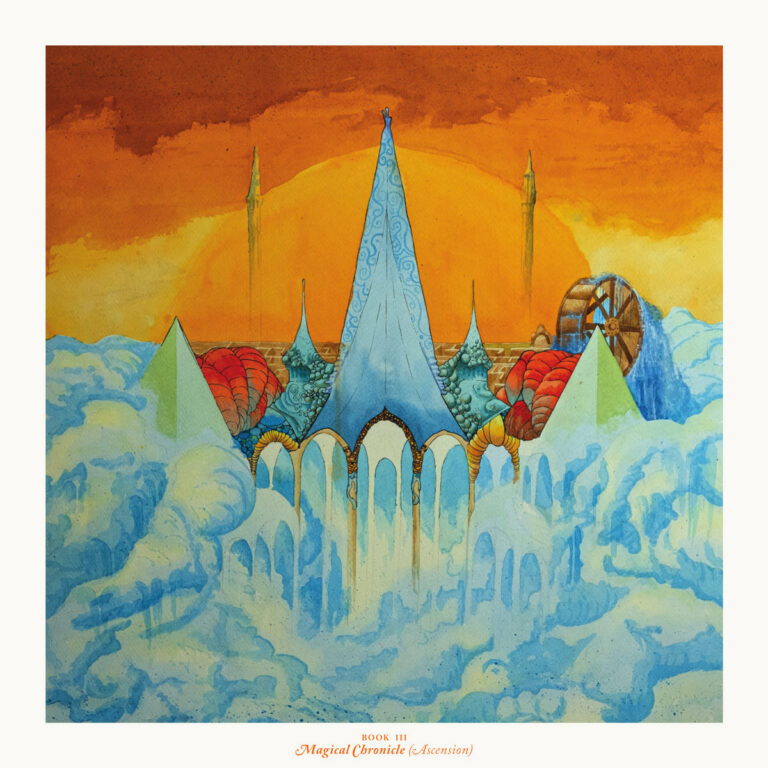
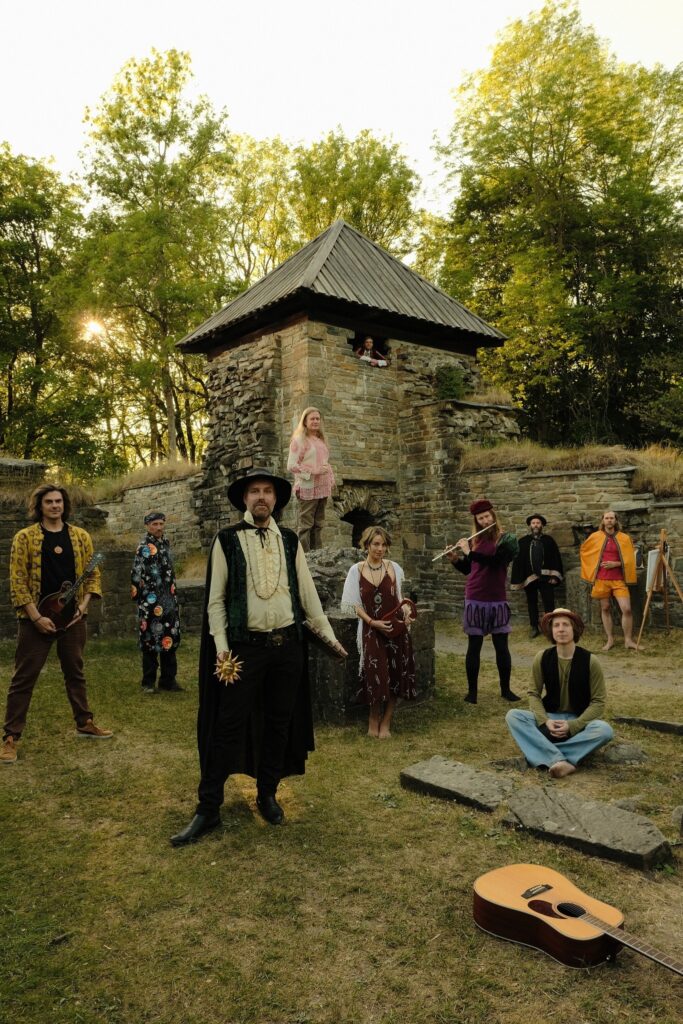
This is a project by Norwegian musicians from the bands Wobbler, Tusmørke, Jordsjø and The Samuel Jackson Five. A group of friends who, back in 1993, began composing and shaping this Airoea trilogy. Thirty years later we got to see the first two parts, and this year they bring this lovely story to a close.
It’s well worth stopping by their website, where you’ll find extensive information about the project charting its whole growth.
With a very folk-flavoured, classicist opening, we get “Magical Chronicle”, notable for its soft vocals and subtle guitar and flute. The main theme is abruptly interrupted, in a style somewhere between Gentle Giant and early Yes. It’s like taking a trip back in time to the hippie moments of progressive rock. A lovely vocal canon accompanied by a lovely flute, with the band keeping a discreet backing, serves as a prelude to a section that will later bring back the chorus, built on two distinct rhythmic ideas. To close out this complex piece, sustained vocal passages backed by an organ bring the track to its end, while we put flowers in our hair and hug our brothers and sisters passing by on the street: peace and love.
A relaxed atmosphere serves as the introduction to “Skylumber”. The production is very simple, but done with good taste and making the most of whatever resources the band has available. They’ve also gone for a very retro sound that suits it beautifully, as shown in the first verse and in the guitar’s melodic lines. Almost closing your eyes, you could believe it’s a lost Yes album. The introduction of female vocals, and the interplay between the voices and the guitar-led interludes, offer excellent dynamism that, little by little, brings us back to the relaxed atmospheres of the introduction, this time as a conclusion.
Deciding to do without any percussion at all usually carries some risk of a track feeling a bit empty. But on “Cloudship”, the fact that no percussion appears at all in its first 5 minutes is beautifully compensated for by the precision and elegance of the guitars and by a spectacular group vocal performance. It’s one of those compositions that gives you goosebumps. Even the very brief entrance of bongos and a tambourine is almost unnecessary, given how well everything else is arranged.
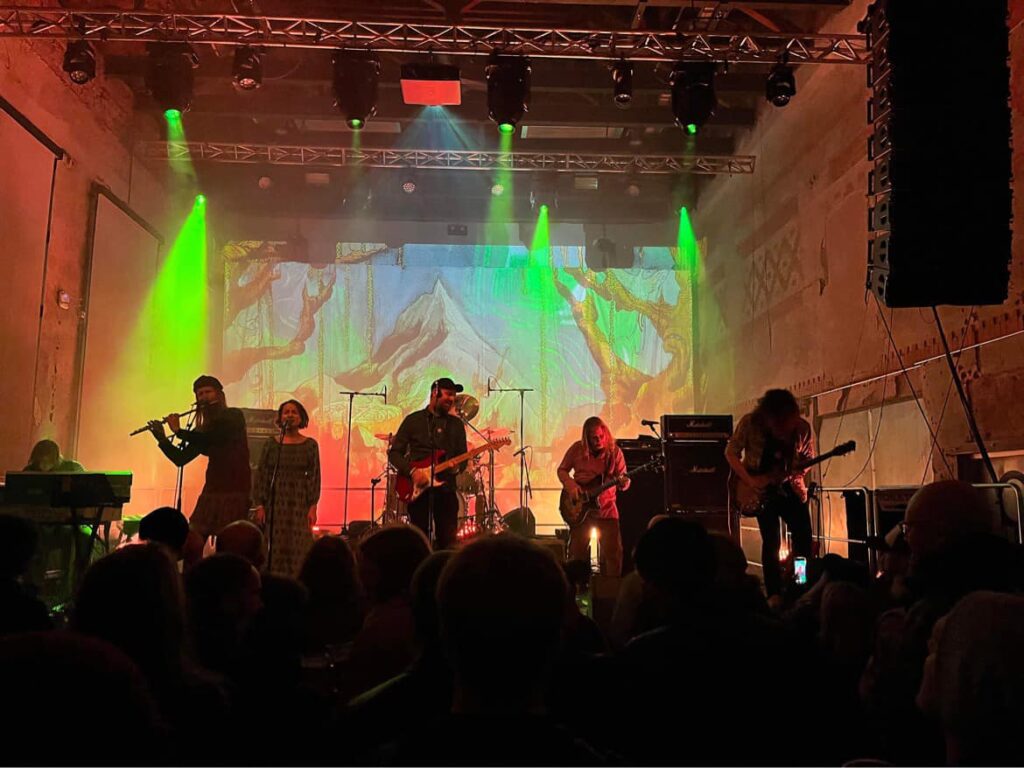
So, to balance things out, the powerful drum entrance and the subsequent riffs on “Empress of the Sun” pull us a little out of that mood. The shame is that by the time the chorus arrives, the whole arrangement gets a bit too compressed and dense, making it slightly hard to pick out everything with precision. But the charming blend of the verses and the tonal modulations ahead of the more instrumental section make up for it. In fact, the most vintage moment of the track is that kind of interlude, which cuts off abruptly after a vocal extravagance.
Bringing back more acoustic textures, we have “Lost in the Palace Gardens”. A composition that will delight anyone who loves indie folk, which is basically folk made by people too “modern” to just say they play folk. That said, they’ll also thoroughly enjoy the track’s more ensemble-driven development, which unfolds within the band’s usual warmth, at fairly great length and consistency.
And as the closing of the album, and of the Airoea trilogy, we get “Epilogue”. An audio track built from the sound of a sea breeze, elegantly closing the story that began with a similar track called “Prologue” on the first instalment: “The Songs and Tales of Airoea – Book III” (2023). A wise decision to spread all these compositions across three albums, since it makes for a much more enjoyable listen, with each instalment more eagerly awaited.
Certainly, this isn’t a modern proposal, nor does it need to be. It’s a magnificent retro, vintage album, composed and recorded with great sensitivity, style and class. Far from any stridency, and made for a calm, positive listen. It’s well worth checking out their social channels and giving them your moral and financial support.
The Chronicles of Father Robin website
The Chronicles of Father Robin bandcamp
Writer: David Sàez