
Progressive Rock
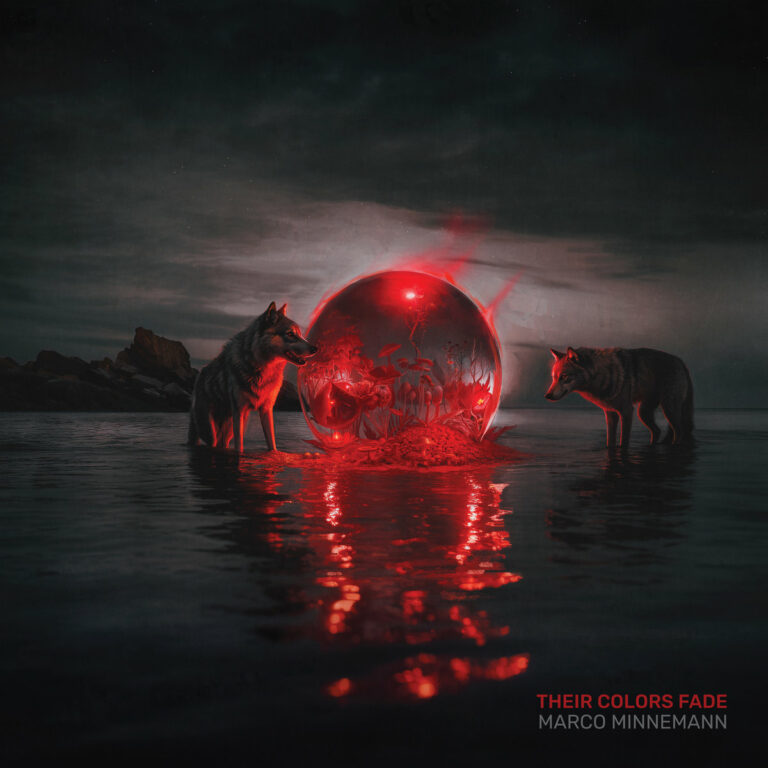
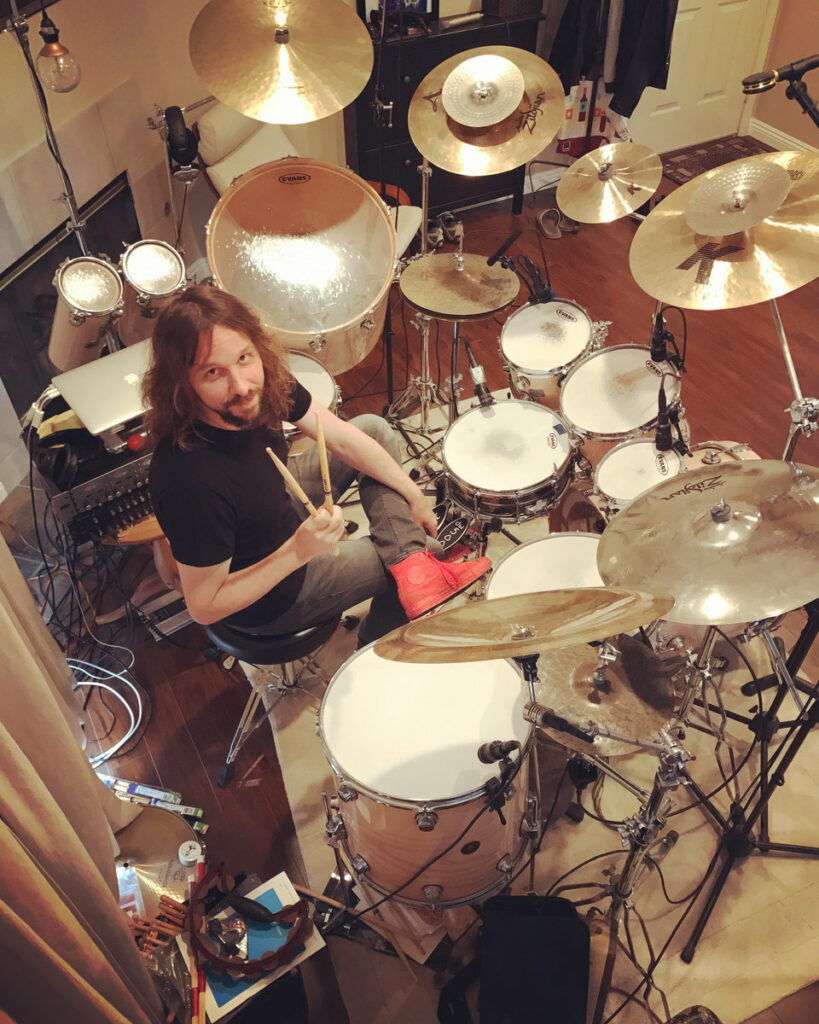
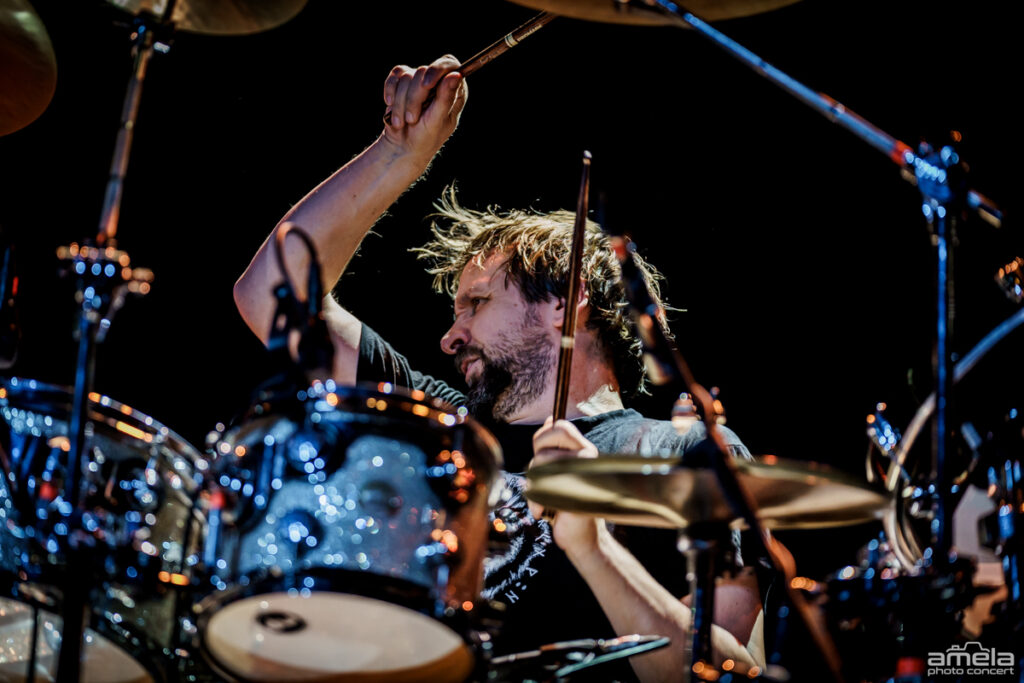
Marco Minnemann has had such an impressive career as a drummer that he’s earned himself a Wikipedia entry worth visiting, just to see the calibre of people fighting over him to play on their albums: Paul Gilbert, Mike Keneally, Joe Satriani, Steven Wilson…
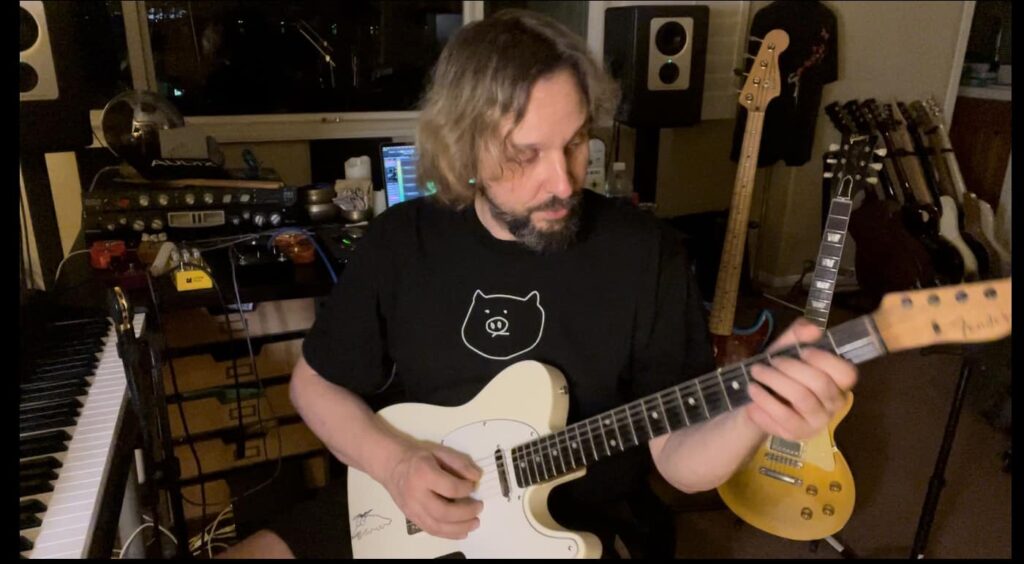
But he’s also a multi-instrumentalist, and here he’s recorded piano, guitar, bass and, obviously, drums. Surrounding himself with collaborators of stratospheric standing: the voices of Mikaela Attard, Pauline Cattiaux, Kotono Omori, Yui Takahama and Kendall Yates, the saxophones of Mark Hartsuch, and the guitars of Kurt James, Alex Lifeson, Loida Liuzzi, Randy McStine (also on vocals) and Martha Pagan.
Over a main riff, a mini polyrhythmic drum festival unfolds on “Egg Nog”, already laying down the foundation that this is a drummer’s album. With a certain flavour of Gong’s work, where the progressive-rock language is fairly closely tied to jazzy harmonies, the vocal sections develop in a more ethereal way, as a series of rhythmic arrangements pass by. Especially interesting are the female backing vocals that give power to the final sung section. We close out the track with a final acoustic-guitar coda featuring electric-guitar soundscapes.
“Mirrors” is a short track with an opening motif and mood built on a simple guitar melody. We then get guitar arpeggios that support a kind of brief drum solo. It’s a shame the first idea, which had real potential, isn’t developed further. “What Do You Know?” starts right after, where a track with a curious chord progression and a lovely chorus ends up feeling a bit loose because of Minnemann’s eagerness for the spotlight — yes, he’s one of the best drummers in the world, but shouldn’t the musician serve the music? Thankfully, as the track develops, he reins himself in, and we get to hear what it could have amounted to, which admittedly wasn’t much either.
Though sticking to the same parameters, “The Ugliest of Beasts” is considerably more interesting, offering a wealth of well-crafted harmonies and chord progressions. As a curious detail, the drums were recorded at the soundcheck of The Aristocrats’ last tour. Both through the brief vocal work and the use of xylophones and timpani, the obvious reference point here is the work of Frank Zappa. So it’s no surprise that “Listen to the Weather (And Make It Work Somehow)” follows suit — a fairly ordinary track, with a soft rock’n’roll pattern and the occasional curious chord. Its interlude, which brings in a flute, feels a bit short, since it soon returns to the opening ideas to conclude. A pleasant, welcome track.
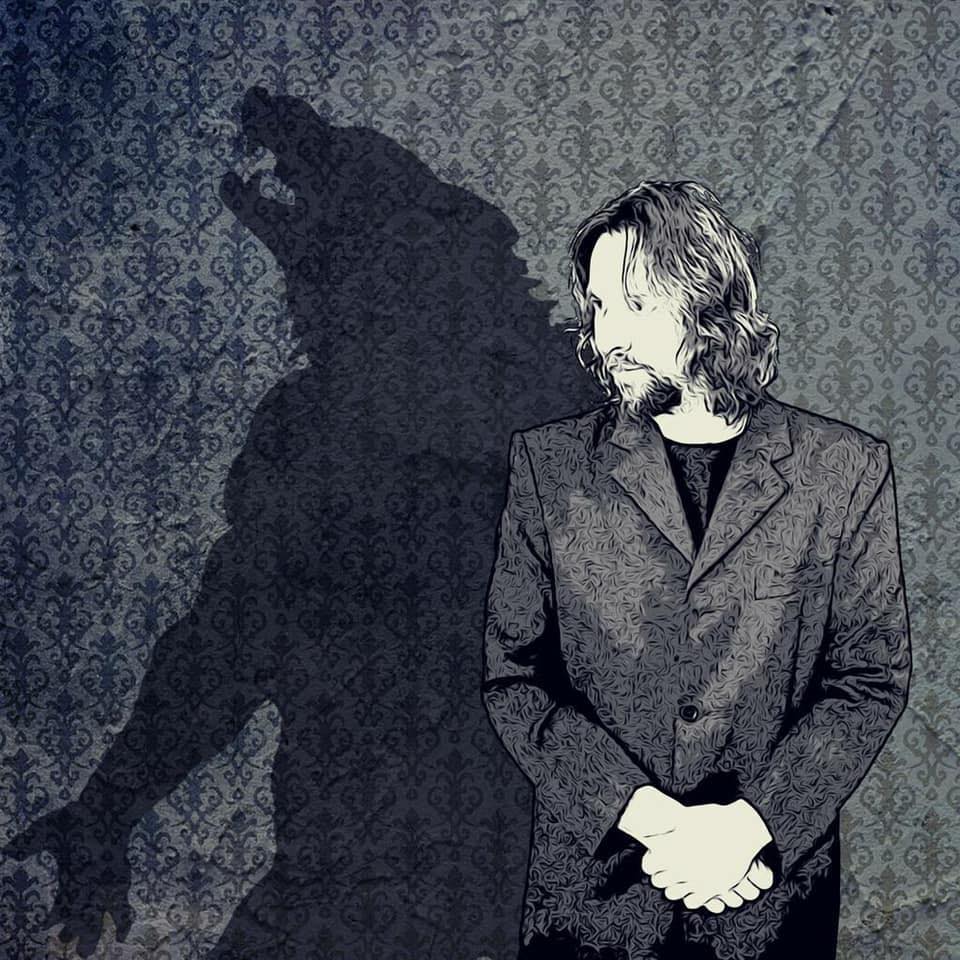
Slow-paced and with a strange atmosphere, we get “Everyone’s So Shy”. Over the rhythmic foundation, a voice sings some lines magnificently, with a certain rock-blues flavour, while the guitar plays out its arrangements. Dull, and it could easily lose half its runtime. Much more upbeat is “Fireflies”, where we again find echoes of Gong’s later work mixed with a chorus very much in the style of Porcupine Tree. The acoustic guitar solo over the band’s ostinatos comes off quite well, and, overall, it makes up for the tedium of the previous track.
“Whatever She’s Having” has its own charm in how it’s put together, since it shows off two simple melodic ideas, but the magnificent production and arrangement work, along with a delicate guitar solo, make this brief track stand out — despite Minnemann’s usual excesses, though of course, it’s his album, and he’s not going to let the bagpipes take the spotlight.
A fresh example of polyrhythmic work can be found in the introduction to “To All New Ghosts in Town”, where you’re not quite sure whether it adds originality to a fairly standard composition or actually gets in its way. Perhaps the answer lies in the chorus, which takes a more conventional approach — you can be the judge. This approach makes a lot more sense in the instrumental interlude, where it carries real weight, and where we also find the usual space for good old Marco to cause some mischief, before we move into some jazz-rock passages.
With a swung groove, “The Dark Side” comes our way, exploring various tonal modulations that make it a quirky track where, surprisingly, there’s a lot of drum muscle-flexing on display. The vocal parts are genuinely amusing and will bring a smile to your face.
The electronic opening of “Sailboats”, on the other hand, moves immediately away from that mood. In fact, it’s hard to tell where it’s heading, since it lays out several different intentions and it’s difficult to find a common thread among them. On one hand, it’s admirable to keep the listener off balance; on the other, you can also question whether doing so serves any real purpose. So best to just let ourselves go without prejudice, and see how we feel about it afterward.
Much the same goes for “I<3 My Shark”, and with a title like that, we can’t say we weren’t warned. Let’s see: it opens with a bass-and-drum line with piano arpeggios and a mandolin-like guitar, which then cuts dead into a simplistic poppy section, then we cut to a staccato passage of virtual violins with drum acrobatics, followed by a percussion section, then a cut to a guitar riff, moving into some guitar lines and linking back to the pop section; then we cut to bells and some fairly cheap-sounding digital orchestration where a guitar gets thrown in, and a grand finale to top it off. Consider yourselves warned — from here on, listening to this track is on you.
Considerably more digestible is “Would’ve”, a track that, setting aside the drum theatrics, has a very pleasant tune with a certain taste for more classic progressive rock. And “Calculator” is much appreciated, since it’s built solely on guitars and voices, giving us a break from all that percussion and, more importantly, proving he can do without his own instrument on a compositional level. Whether you like the track more or less is a separate matter.
The inclusion of horns on “Glass Attack” sets up a rock ballad with jazz shades, which in the chorus follows more prog-oriented paths, recalling King Crimson’s work, livened up by a spoken-word female part and venturing into “experimental” territory that’s already been experimented with for decades. Worth noting is its final section, which settles into a jazz orthodoxy that gradually blurs away toward the closing verses.
“Hope” is a two-part song built on the same idea: a slow track with guitar arpeggios and a couple of decent vocal melodies, along with some unusual arrangements. We could almost say it acts as a transition into “Love Just Follows Through”, where, after an audio clip that takes us to a metro station, we find a brief, fairly rhythmic composition with a certain unfinished feel to it.
In short, it’s an album that’s hard to digest, with certain technical extravagances that, if they didn’t exist, wouldn’t really be missed — though it’s also true the album would be less compelling without them. Give it a listen, if only for the artist’s sheer calibre.
Writer: David Sàez