
Progressive Rock
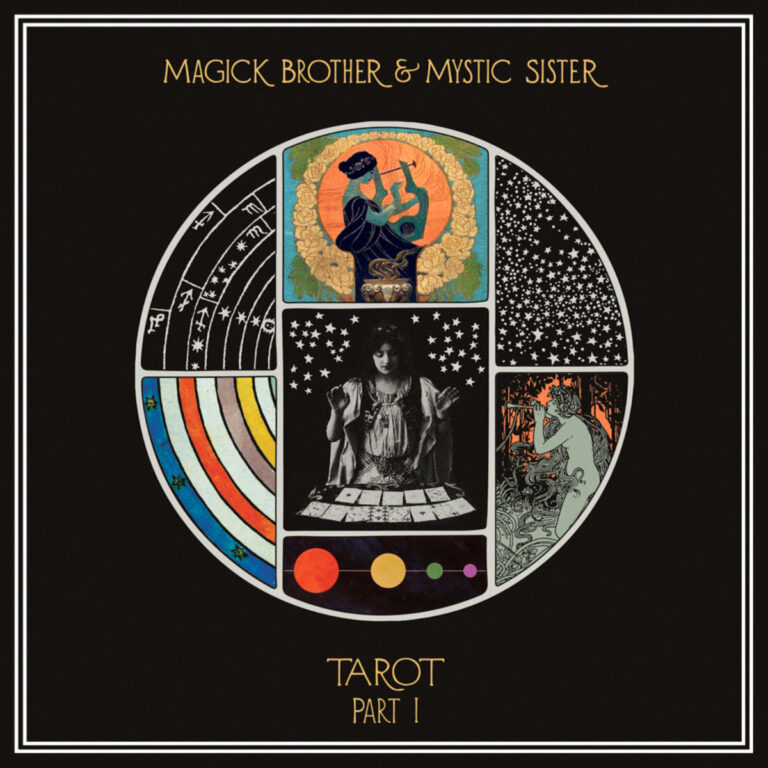
This Barcelona outfit have written eleven tracks in the best tradition of prog-jazz, with psychedelic and folk influences, a certain degree of experimentation and plenty of creative freedom, on top of chasing a very classic sound in the production. We hope to see them live very soon. You can support them through their social channels — and we don’t just mean moral support.
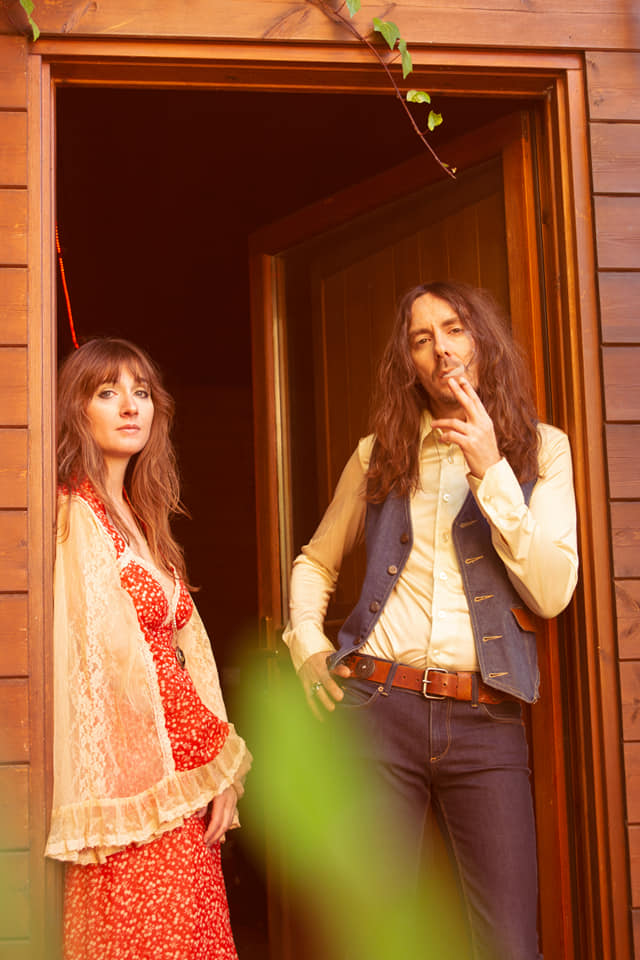
Eva Muntada and Xavi Sandoval’s project has reached new heights, with more elaborate, mature and complex material than their previous record, “Magic Brother & Mystic Sister” (2020), and with an improvement in production and recording quality to match.
After an intro in the vein of space-rock tracks, “The Fool” kicks off with a deliberately vintage sound. The basslines get wrapped in filtered vocal melodies, while a guitar wanders freely through the track’s interludes. The drums follow the classic conception of the whole piece, which ultimately sits somewhere between Magma and Pink Floyd. The ideas aren’t abundant, but they’re carefully chosen.
Continuing in that style, reclaiming the musical ideas of the seventies, “The Magician” brings in lovely crotales-style percussion alongside some interesting guitar harmonisations. A piano line then follows, perfectly complemented by the bass while the drums drift more freely; all of this set against a dark, unsettling voice. The shift towards more lyrical moments, with the flute’s arrival, guitar arpeggios and the drum treatment, spills into a more atmospheric keyboard section. There are plenty of ideas here that could each be developed further, but the choice to string them together elegantly also pays off, especially if the goal is to give the track a magical feel.
“The High Priestess” is also a completely different track. Following a certain sensibility across an album’s conception doesn’t mean everything has to sound the same — quite the opposite. We get an intro on piano, electric guitar and cymbals, which soon gives way to acoustic guitars and sweet female vocals. The mood leans a touch more folk, drawing on Genesis, a well that so many musicians have drawn from, and you could find similarities to some of Porcupine Tree’s more acoustic tracks, for instance. The same could be said of “The Empress”, despite being a more restrained track, with a rhythm section that brings some variety to the composition.
By contrast, “The Emperor” carries the influence of bands like Caravan, that strand of progressive rock with jazz elements typical of the Canterbury sound — at least in its first section, since the middle part moves into passages built around spoken-word delivery, blending various moods in a complex way. Shortly after, the main melodies return on keyboards, before the track ends abruptly.
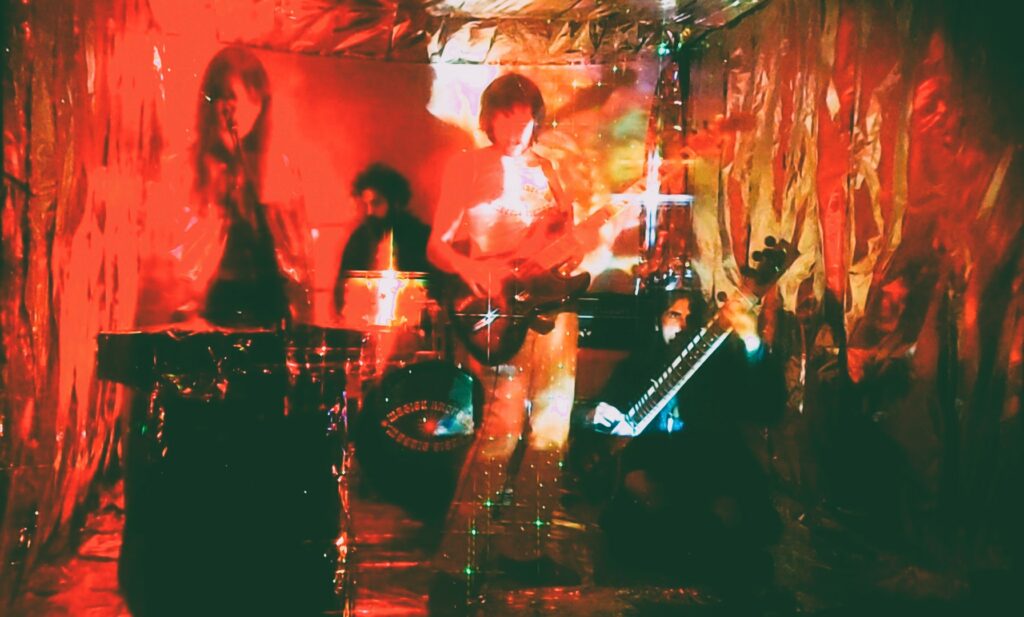
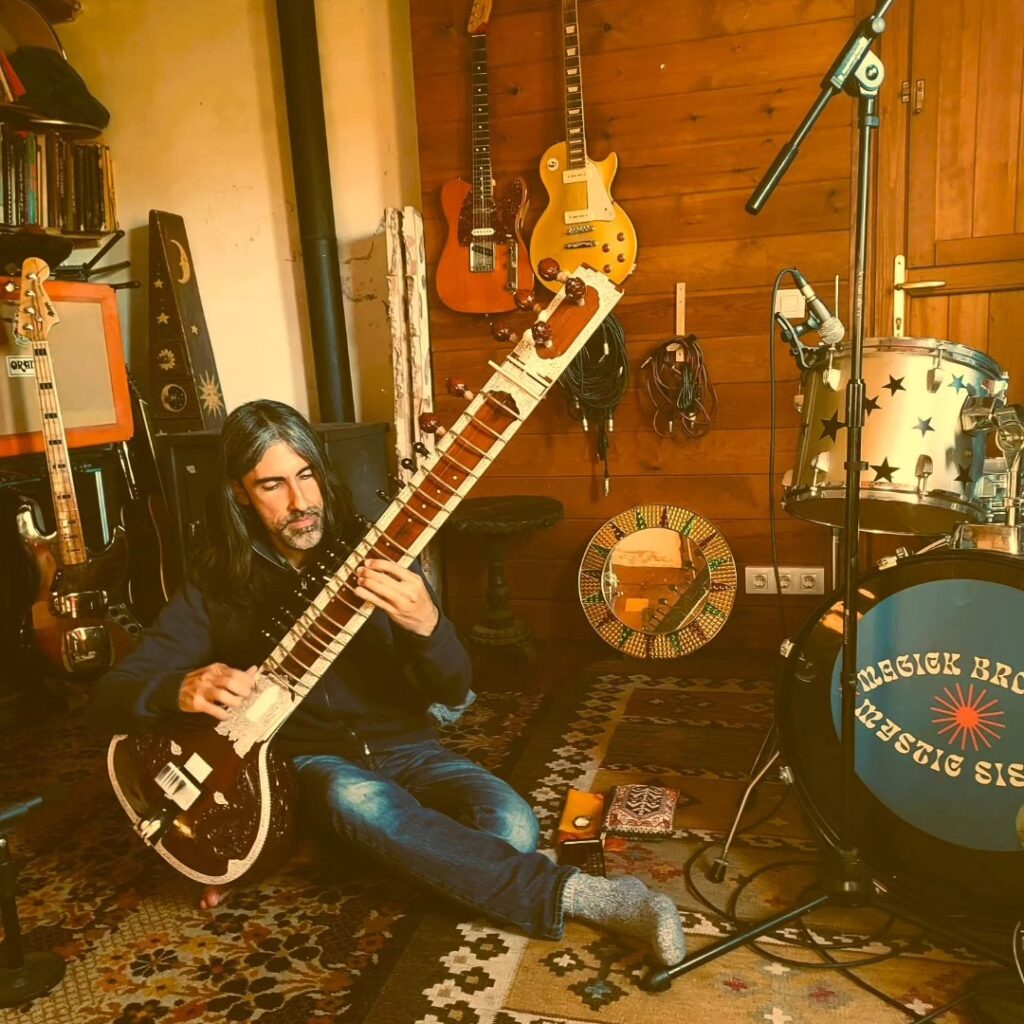
And the sitar, which we’d enjoyed in passing on an earlier track, takes centre stage at the start of “The Hierophant”. A rhythm section then steps in to support it, while filtered background vocals give the song a mystical, psychedelic air, delivered with excellent execution and a musical richness that speaks to real intelligence in both the production and the writing.
Beautifully harmonised arpeggios underpin the keyboard melodies on “The Lover”, which give way to vocals accompanied by subtle arrangements. The arrival of percussion and the sitar’s sound transport us to more Eastern territory, in yet another dynamic, varied composition.
“The Chariot”, with a standout appearance from the flute, conjures the feel of early Camel, which only solidifies as the track develops, with guitar, keyboards and flute alternating through a series of solos. And if that wasn’t enough, there’s a rhythmic phrasing that lets the drums shine, filtered to take off some of their rawness. Truth be told, it’s a short track if you’re used to this kind of music, and it leaves you wanting more.
A delicate bassline drives “The Justice”, where we once again find refinement and distinction in the arrangements. The verses are led by the female vocals, briefly interrupted by a powerful flute. The ambient passage is followed by a new verse, setting up a doubled guitar solo. And as a finishing touch, there’s a coda featuring flute and keyboard bringing things to a close.
A rich guitar and wind-like effects introduce “The Hermit”, joined by keyboards mimicking choir voices and complemented by cymbals, giving the track an ascetic touch. That contrasts with “The Wheel of Fortune”, where the mood leans more psychedelic, set against guitars and flutes venturing into more folk territory. A calm track, with the drums taking charge of the closing of this beautifully crafted record.
The best thing we can say after listening to the first part of “Tarot” is that we want the second.
Magic Brother & Mystic Sister bandcamp
Writer: David Sàez