
Metal
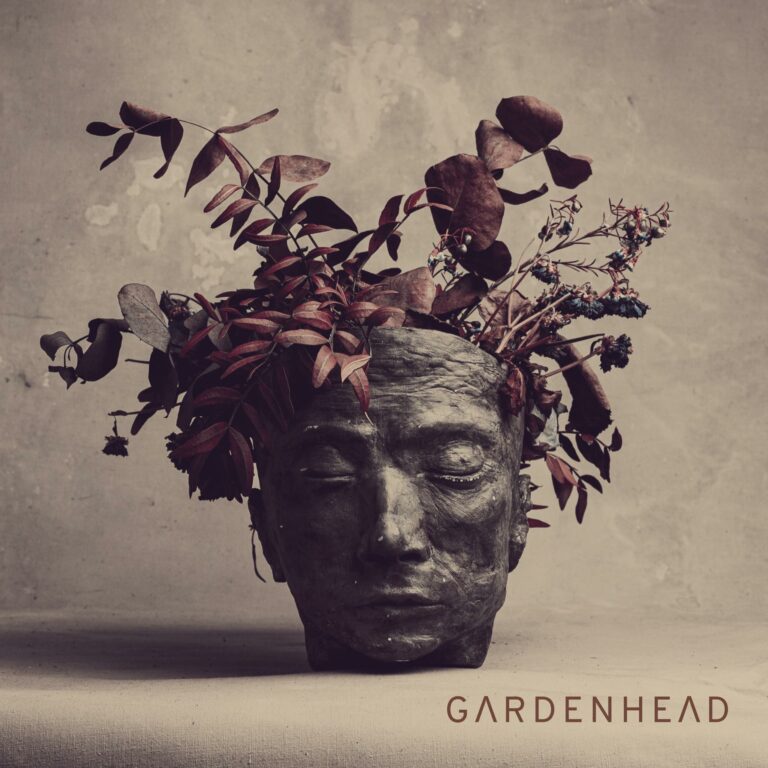
Gardenhead, “Gardenhead” (2024)
Lately, the most interesting prog albums have been shifting eastward, leaving Swedish soil behind to settle in Finland. We’re seeing new Finnish bands and artists giving birth to some really exciting music. And here’s a new example, in Gardenhead’s debut.
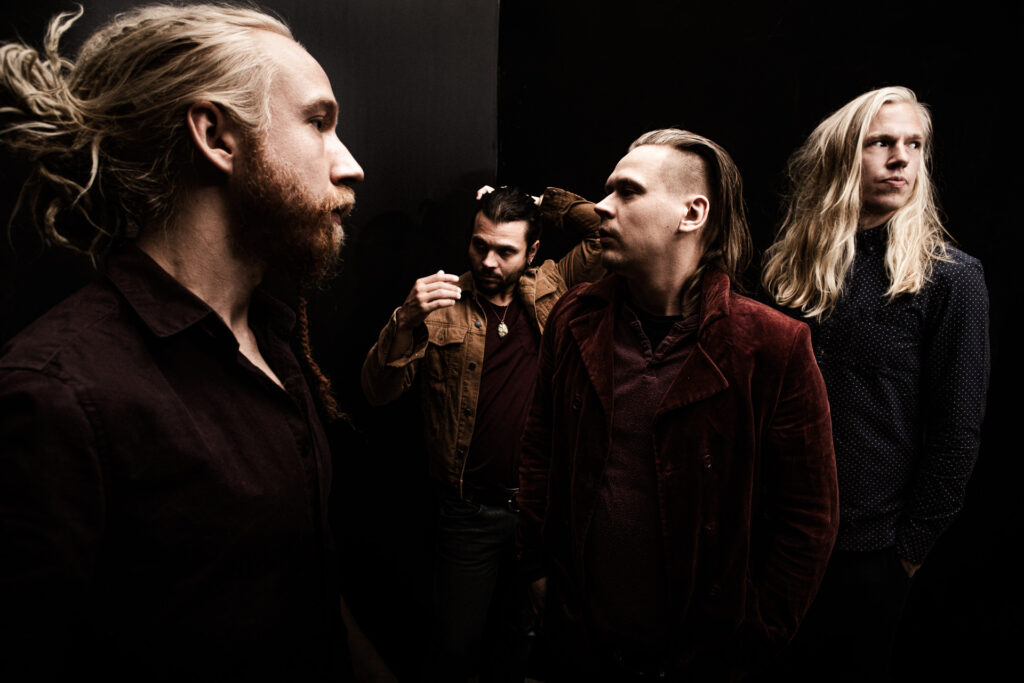
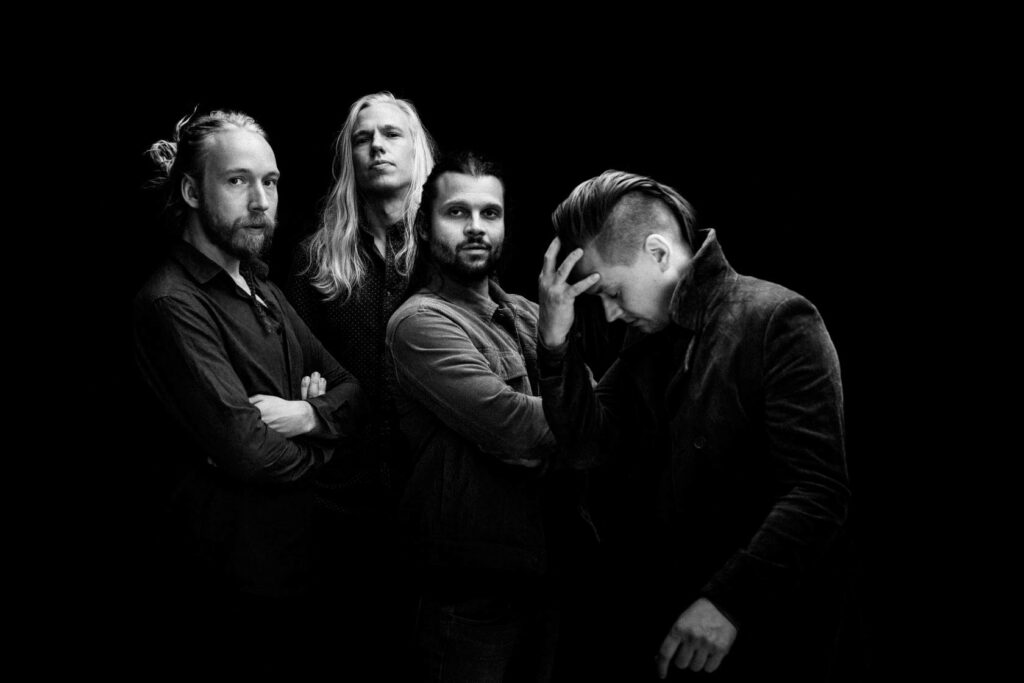
Its members are: Antti Lammi (bass), Jonne Nyberg (vocals and guitars), Antti “Andy” Silkelä (drums) and Eero Silkelä (guitars).
Flamenco-inspired textures serve as the introduction to “At the Footsteps”. This gives way to a brief vocal motif, interrupted by another rather lovely vocal section that allows for a guitar arpeggio to slot into a 7/8 amalgam, closing out this brief, intense and complex track.
Continuing on, we get the first riffs of “Sanctuary”, which soon flow into a bass-and-vocal passage. The entrance of drum toms and guitar makes the reference to Tool, early-2000s King Crimson, and a certain touch of Incubus almost unavoidable, an impression heightened when the opening idea returns. The verses are powerful and melodic, with a voice that steers away from what’s usually heard in these styles. The structure is intricate but approachable, and it also includes a guitar solo of the kind that’s become rare in modern progressive rock.
Digital drums and a filtered guitar introduce “Devoured”, which quickly delivers a gut-punch of a furious riff, followed by a lone bass shouldering the job of holding up the track and the vocals. The structure repeats, now played full-band, until the arrival of an amalgamated bridge that transitions into more atmospheric territory while the guitars return to the vocal melody. Picking back up a few earlier ideas, the track concludes.
More restrained is “Black Fills”, despite its contained intensity, and you sense that if it lets loose, it’ll hit plenty hard. Which is exactly what eventually happens, as they pick up the tempo, using that device to power up the composition. But it’s surprising, and genuinely gratifying, to hear a middle section grounded in more classic prog concepts, while also carrying its own particular personality and modernity. Also worth noting is the abrupt tonal transition from the guitar solo into a vocal passage with real depth. More than interesting, this one.
Beneath the appearance of a simple song, “Ghost to Ghost” hides an intricate structure full of rhythmic amalgams and vocal melodies that sail along very nicely over the stormy ocean of guitar arpeggios, played in both binary and ternary time signatures, some of them deliberately left unresolved. The turn toward slower, calmer tempos provides a good foundation for the guitar solo, which places the cherry right on top of the track.
The contrast between the polished, appealing opening backing vocals and the raw, furious riffs that follow defines “The Ordeal”. These are rounded out by a middle section where the intensity builds toward a lovely space for a bass — sounding smooth as cream — and the lead voice. Bringing back several previously introduced ideas closes the track out on a high note.
A looped keyboard leads into a nice polyrhythmic exercise, while delivering the vocal melodies of “Neon Judas”. The arrival of the electrifying guitar parts means the return of the bass-led opening, expected as it is, still feels thrilling. The main influence remains Tool, which, when it’s put to good use as it is here, is always welcome. That said, the guitar solos carry a bigger, more conventional melodic component.
And as the closer to this excellent album we get “The Wilderness”, which right away presents the hard-edged motif that’s then softened by the opening verses. Its chorus is smooth and elegant, allowing for an even bigger contrast with the sharper, more incisive passages. You’re also left spellbound by a passage where the sound of a sitar serves as the entry point for the guitar solo, which ends with a burst of voices and guitars exploding toward the conclusion. There’s still time for a small echoing callback to the album’s introduction.
So what we find is a magnificent record of top-notch progressive rock, with metal influences, but with interesting melodic ideas and details that adapt classic concepts into a much more current, contemporary outlook. It’s well worth lending this band an ear and seeing what they have in store for the future.
Writer: David Sàez