
Gentle Giant
Gentle Giant, perhaps the most musically demanding band of all seventies progressive rock: polyrhythms, medieval influences and musicians who swapped instruments live, not just in the studio.

Gentle Giant, perhaps the most musically demanding band of all seventies progressive rock: polyrhythms, medieval influences and musicians who swapped instruments live, not just in the studio.
Porcupine Tree, Steven Wilson’s fictitious project that ended up becoming a real band: from the home-recorded psychedelic rock of the nineties to the progressive metal of “Fear of a Blank Planet”.
Camel, the most melodic and least lyric-laden prog of the seventies: the instrumental album “The Snow Goose” even took them to court, over the author of the novel that had inspired it.
Emerson, Lake & Palmer, the supergroup that took adapted classical music and stadium spectacle to the limit of progressive rock, until their own stage production ended up ruining them.
Jethro Tull, Ian Anderson’s band and his flute played on one leg: from British blues to the mock concept album “Thick as a Brick” and a Grammy still remembered as one of the strangest in history.
Rush, the Toronto trio that never changed its lineup for more than forty years: from the epic of “2112” to the success of “Tom Sawyer”, to the retirement forced by Neil Peart’s health.
Yes, the band that took the instrumental virtuosity of progressive rock to its limit with “Close to the Edge” and that, ten years later, returned to the top of the charts with “Owner of a Lonely Heart”.
Genesis, from Peter Gabriel’s progressive theatricality to Phil Collins’s stadium pop: how one of the most ambitious bands of the seventies ended up becoming one of the best-selling of the eighties.
King Crimson, the band Robert Fripp has dissolved and re-formed half a dozen times since 1969: the group that all but invented progressive rock and has never stopped breaking with its own earlier sound.
Pink Floyd, from Syd Barrett’s psychedelic rock to Roger Waters’s concepts: lineup, complete discography, the break-up and why they no longer play together.
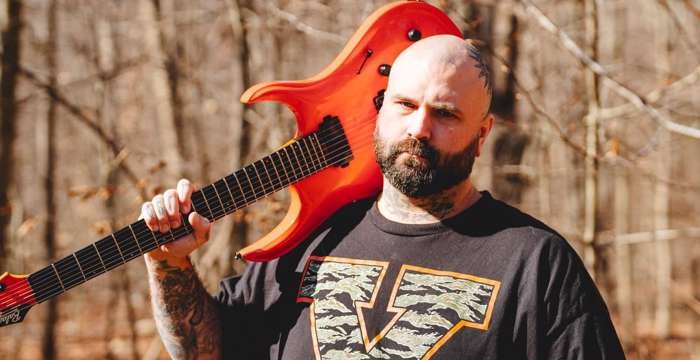
“The Light Refuses Me” is on Bandcamp already and reaches the other platforms next week. He wrote, recorded, produced and played it alone, in one afternoon this summer.
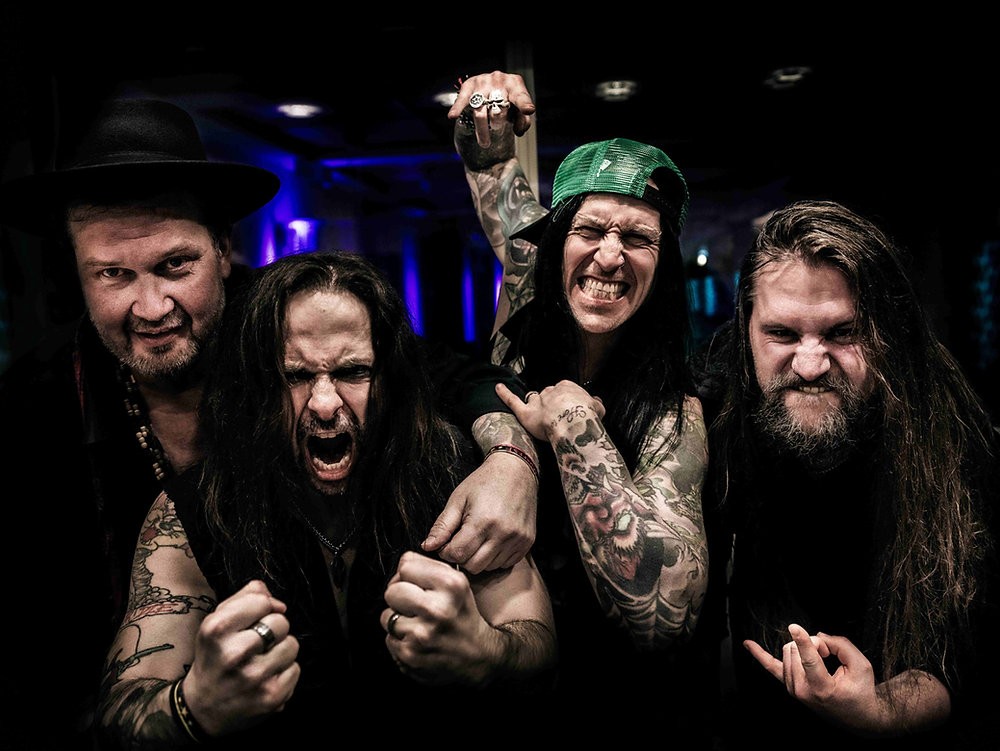
Their first single for the Italian label lands just before the Dirty Halo Tour, which starts on 2 October. The follow-up to “Abrakadabra” is already in the studio.
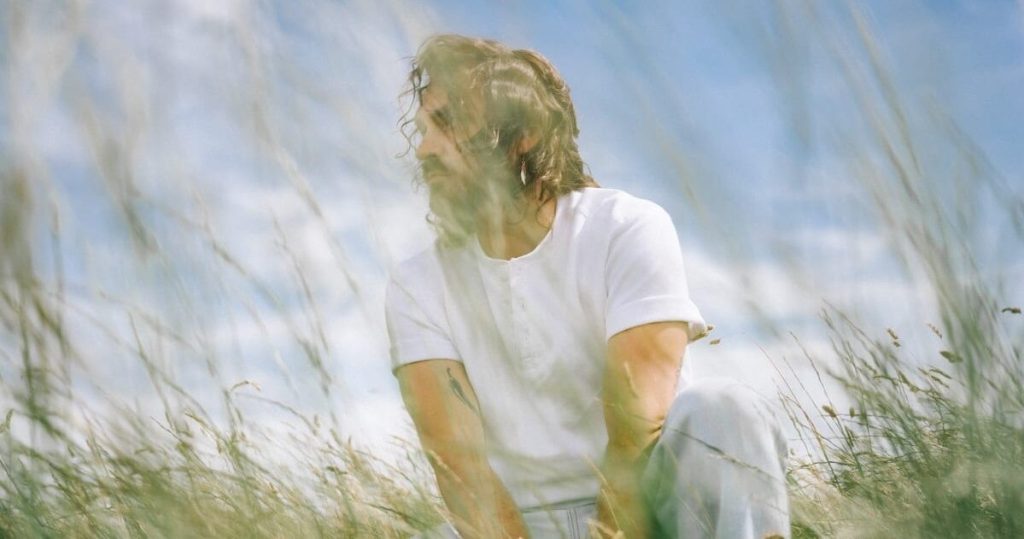
A sixth album from the British songwriter, produced by Ian Grimble and with CJ Hillman’s pedal steel on several tracks. The first taste is “Are You Loved?”, from 18 September.
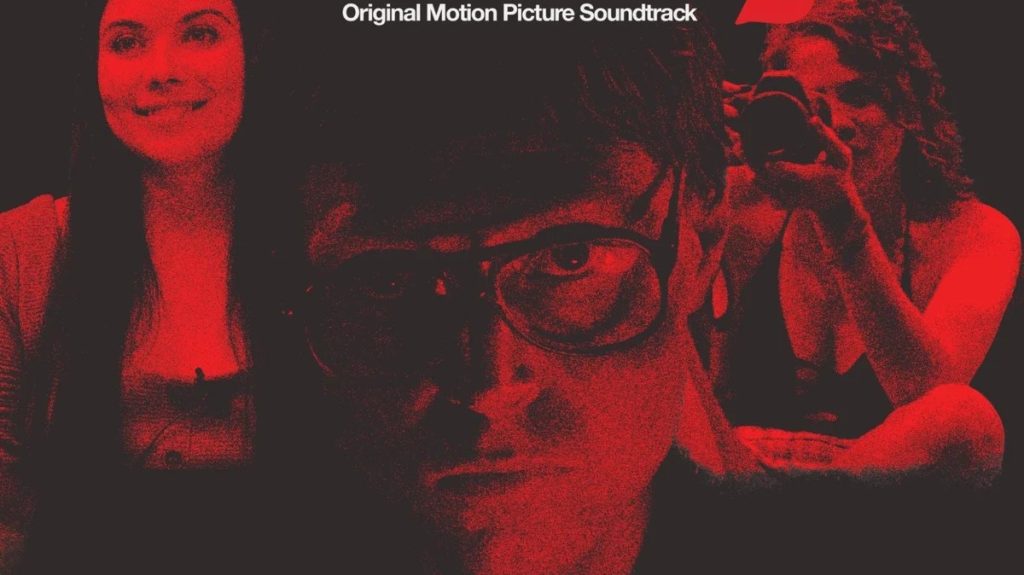
The soundtrack to “Who’s Watching” is out on 30 October through 15 Passenger with thirteen tracks: one side by the film’s fictional band and one of score.
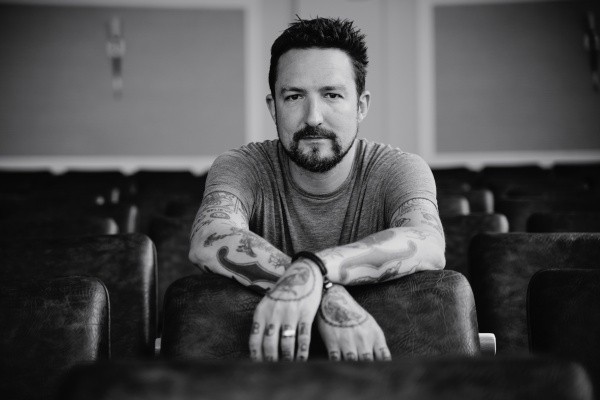
Four nights at the OVO Arena Wembley, 4 to 7 November 2027, and that’s it for now. Twenty-eight years on the road, ten albums and well over 3,000 shows.
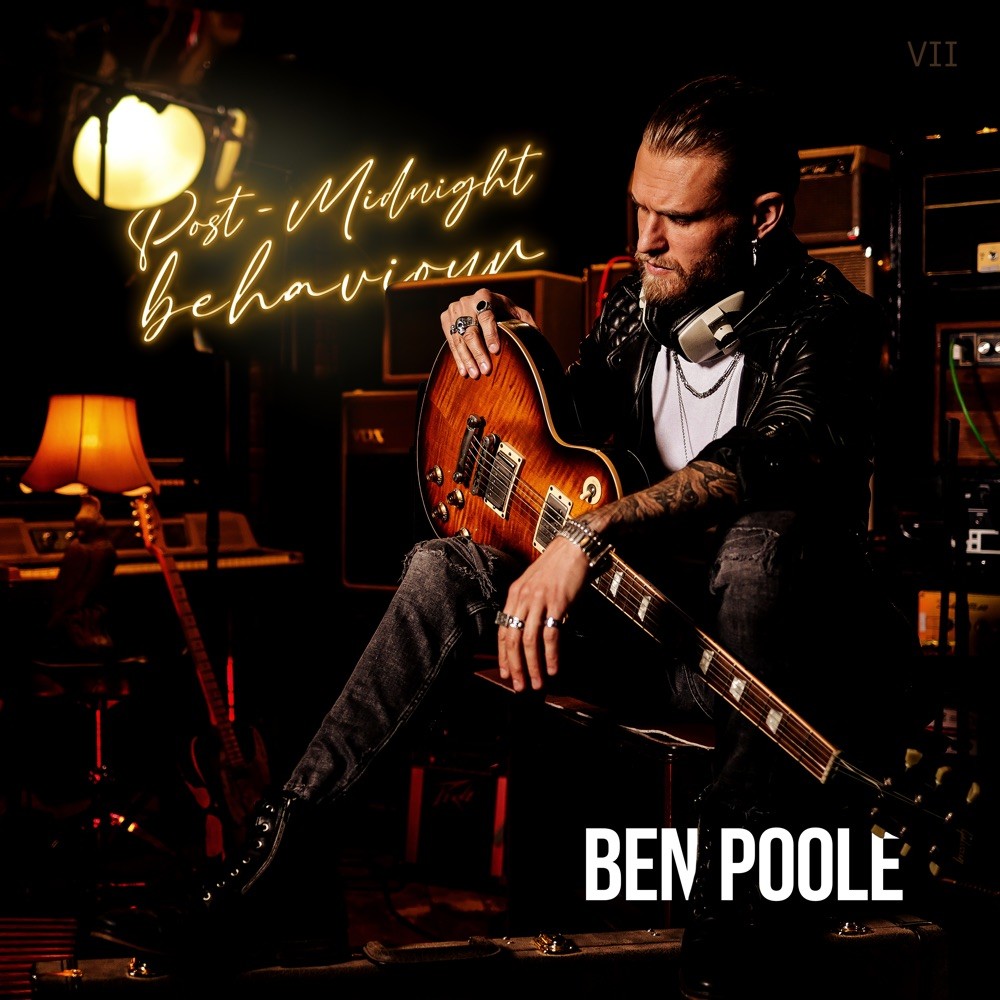
His first new material in eight years: out on 25 September through Gypsy Soul Records, on CD, vinyl and digital. He sings the single, “Runaway Souls”, with Elles Bailey.
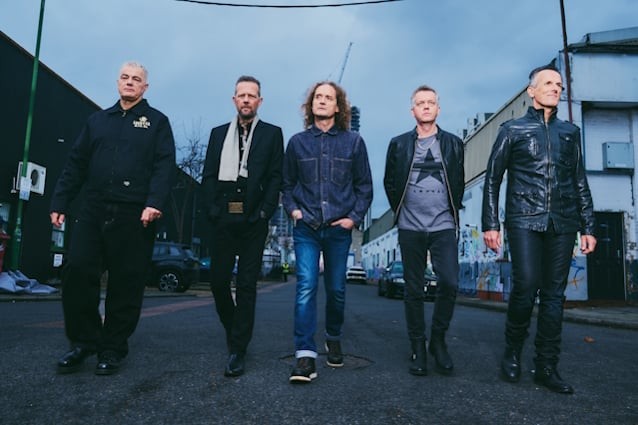
Five tracks cut live in a room at Chapel Studios with the classic line-up, mixed by Mike Fraser, the man behind Aerosmith’s “Pump” and “Permanent Vacation”.
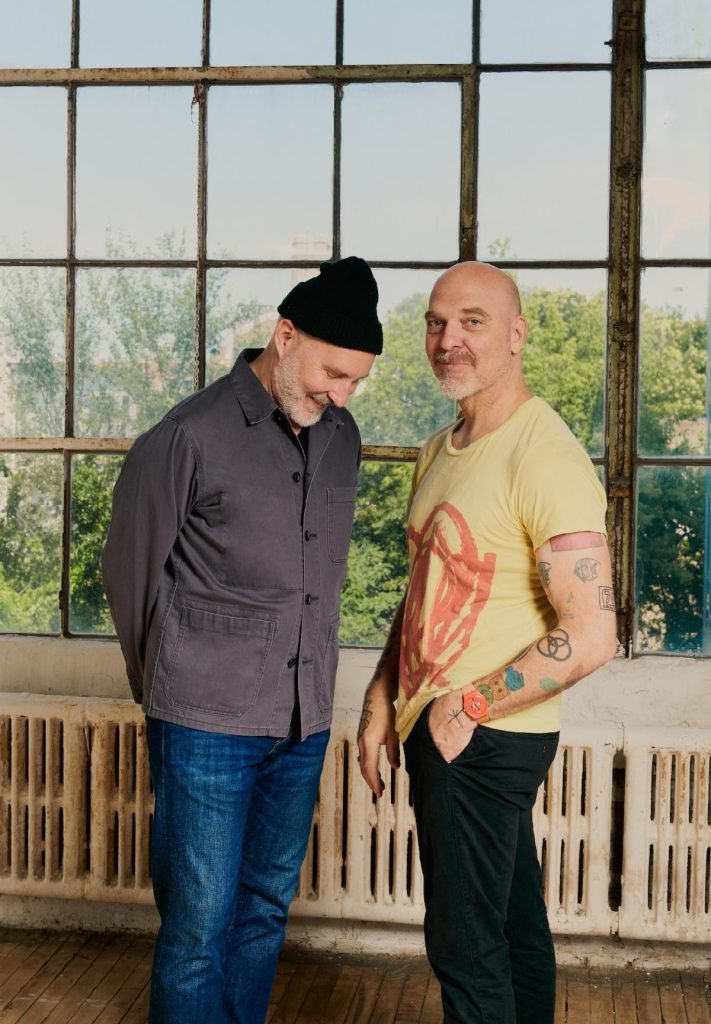
Reid Anderson and Dave King announced it in January and sign off with a residency at the Dakota in Minneapolis. Anderson wants to make electronic music; King has finished records waiting.
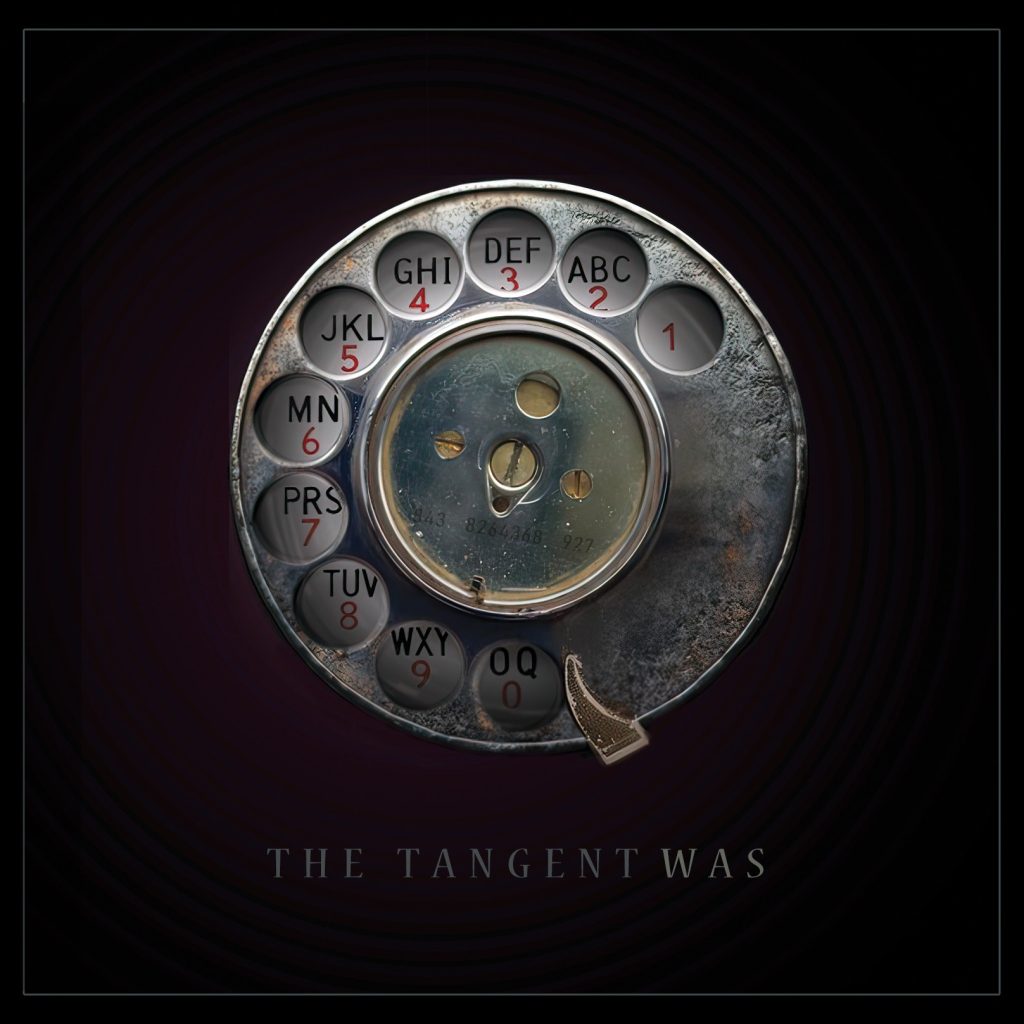
A fourteenth studio album, across two CDs and a hundred minutes and forty-six seconds on White Knight Records. The first has lyrics; the second is an instrumental suite.
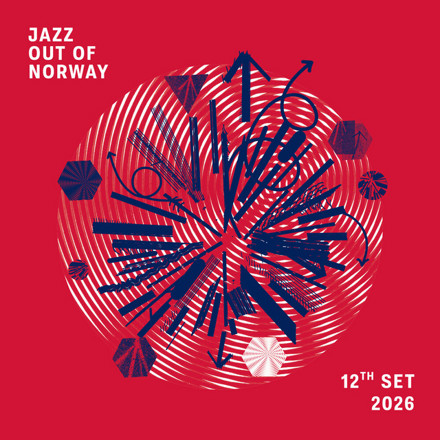
The twelfth instalment of the compilation Norway uses to export its jazz: thirty-six tracks, three hours and a seventy-nine-page booklet. An excellent map with a format problem.
Twenty-seven years of Markus Reuter’s archived improvisations, rewritten in Brescia by Stefano Castagna, and the first vocals either has recorded, run through a vocoder: eleven tracks of sonic magical realism.
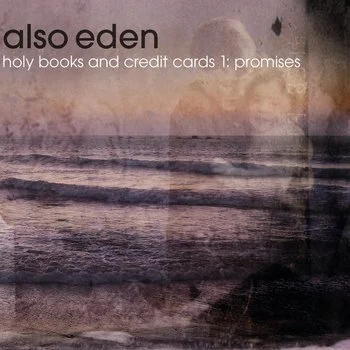
Thirteen years after “Redacted”, Also Eden return with four tracks and two of them are the same song: “Scented Candle Corridors” justifies the wait, but the acoustic “Promises” takes up too much room.

700 Milles, a new venue on La Rambla 12, opens in October with four blues and soul shows on Thursdays, tickets €15.
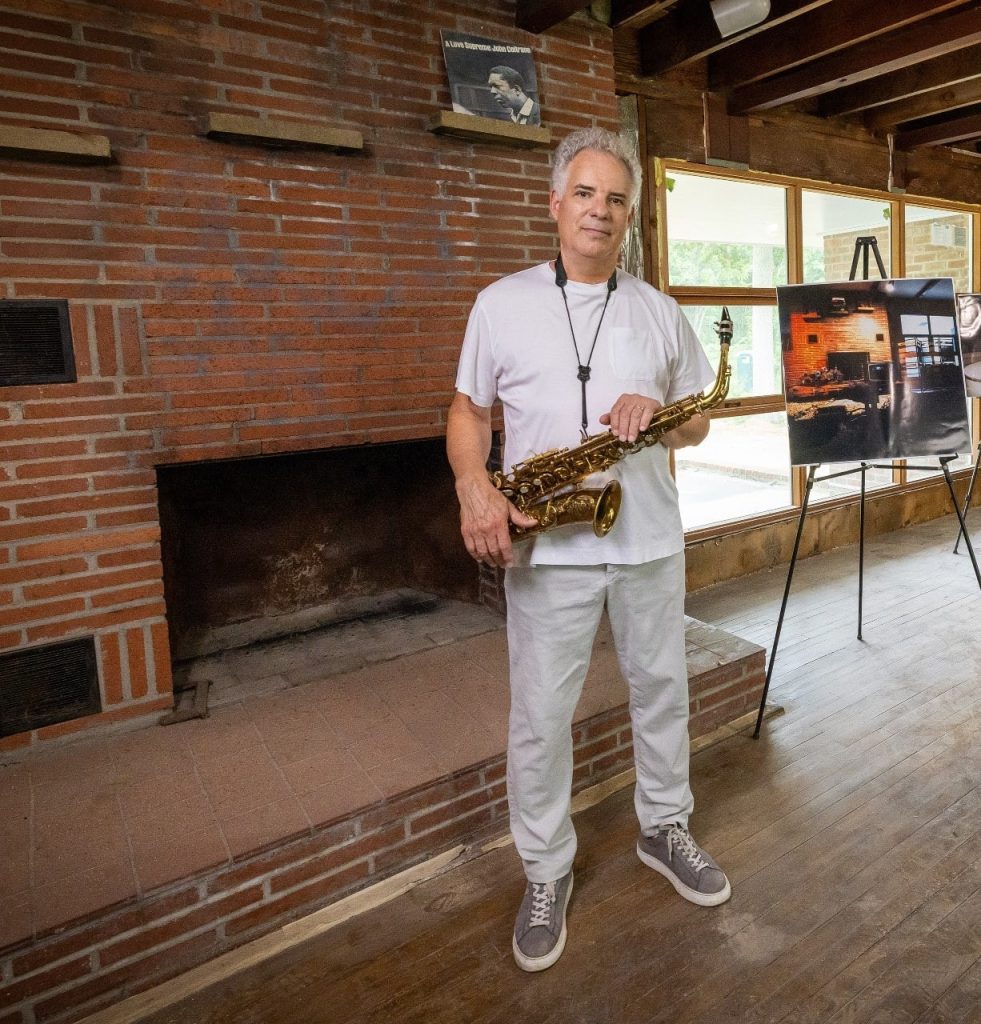
Savant releases it on 30 October, in Coltrane’s centenary year. The titles name specific corners of the house: the stairs, the basement studio and a stained-glass window.
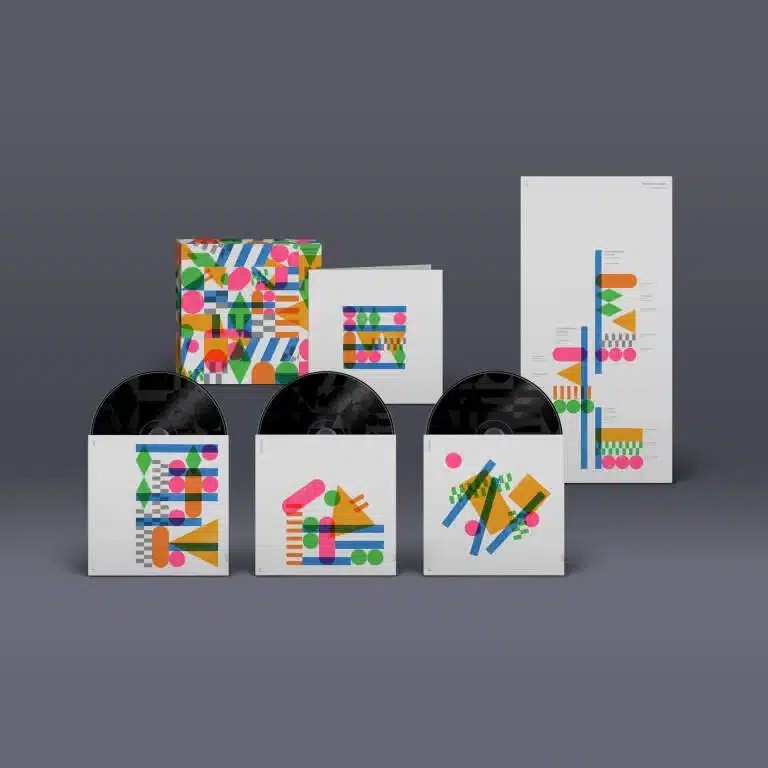
Six LPs or three CDs of unreleased live recordings by three of his groups: the Sextet, the Quintet and Prism. Out on 2 October through Edition Records.
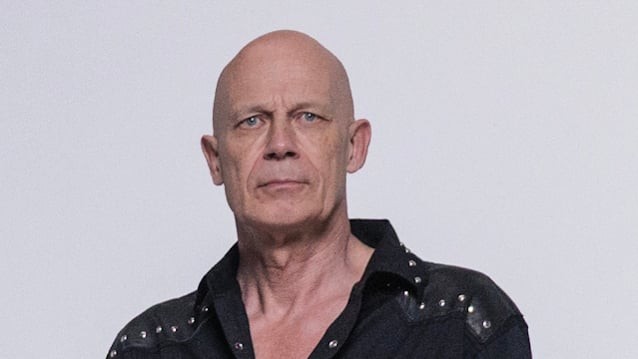
The guitarist confirms every original member, Udo Dirkschneider included, was invited onto “Teutonic Titans 1976–2026”. None accepted.
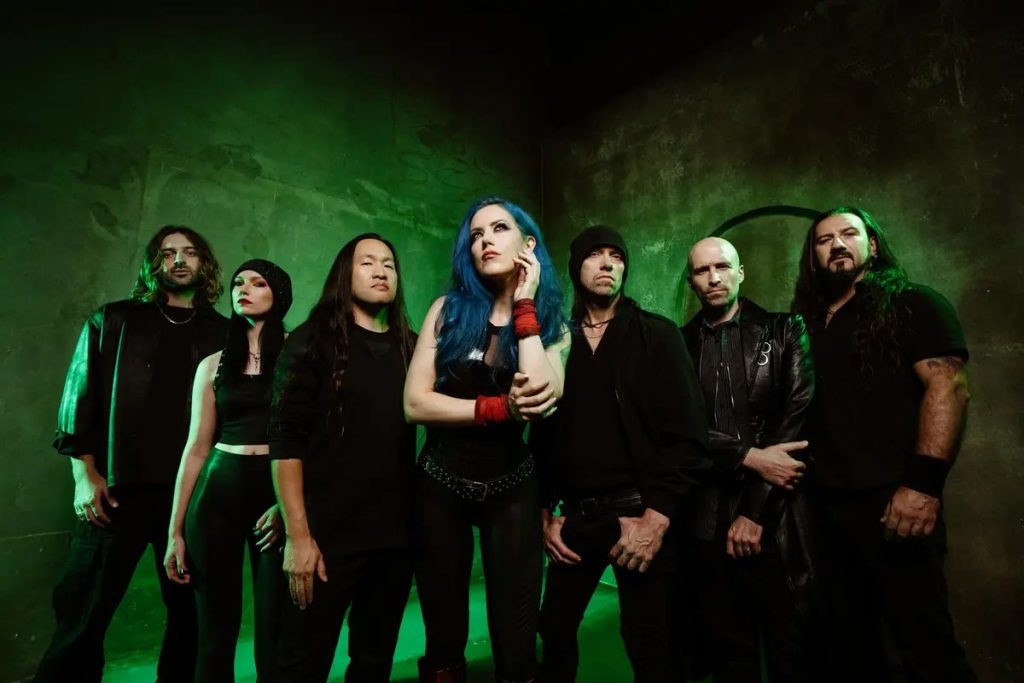
Napalm releases it on 19 March 2027, produced by Jens Bogren. The European tour runs from Paris to Manchester and skips the Iberian peninsula.
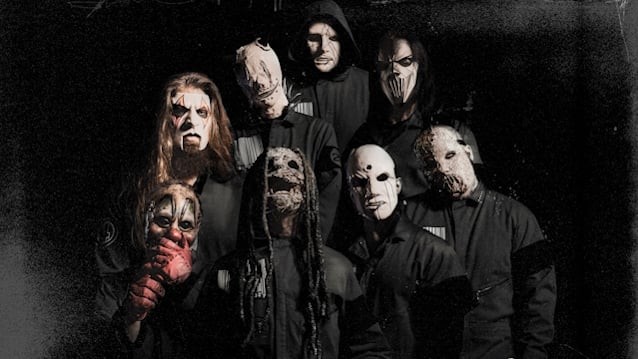
They open on 3 July at Wembley, the only European date, with Marilyn Manson, Lorna Shore and Hatebreed. General on-sale is 2 October.
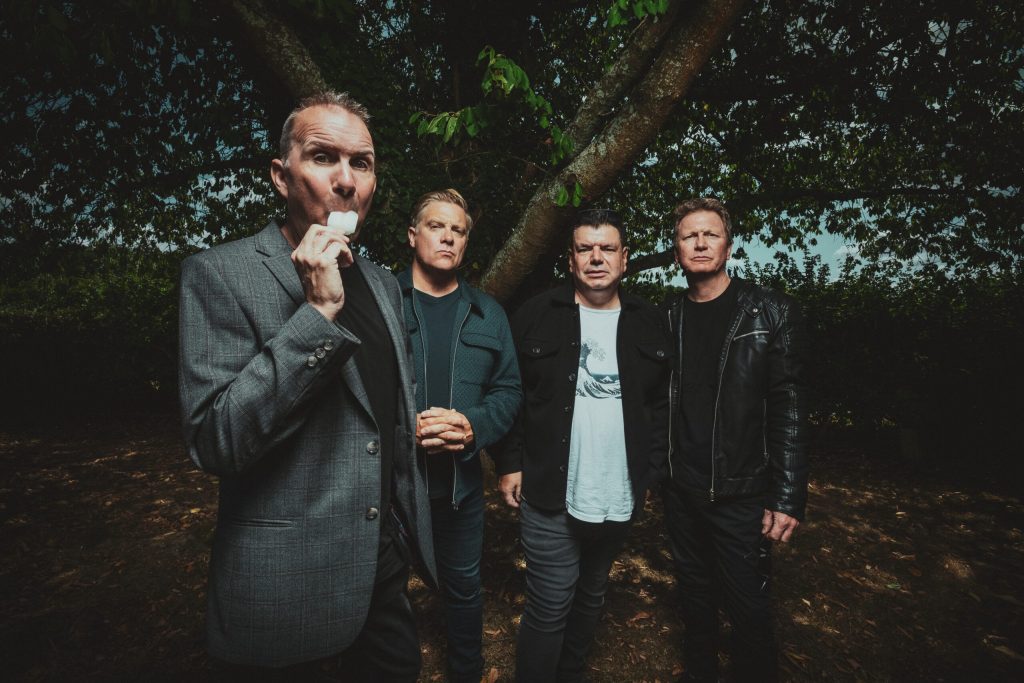
Six shows in spring 2027, a two-hour set and the live debut of “Life In The Wires”. Tickets go on sale on 2 October.
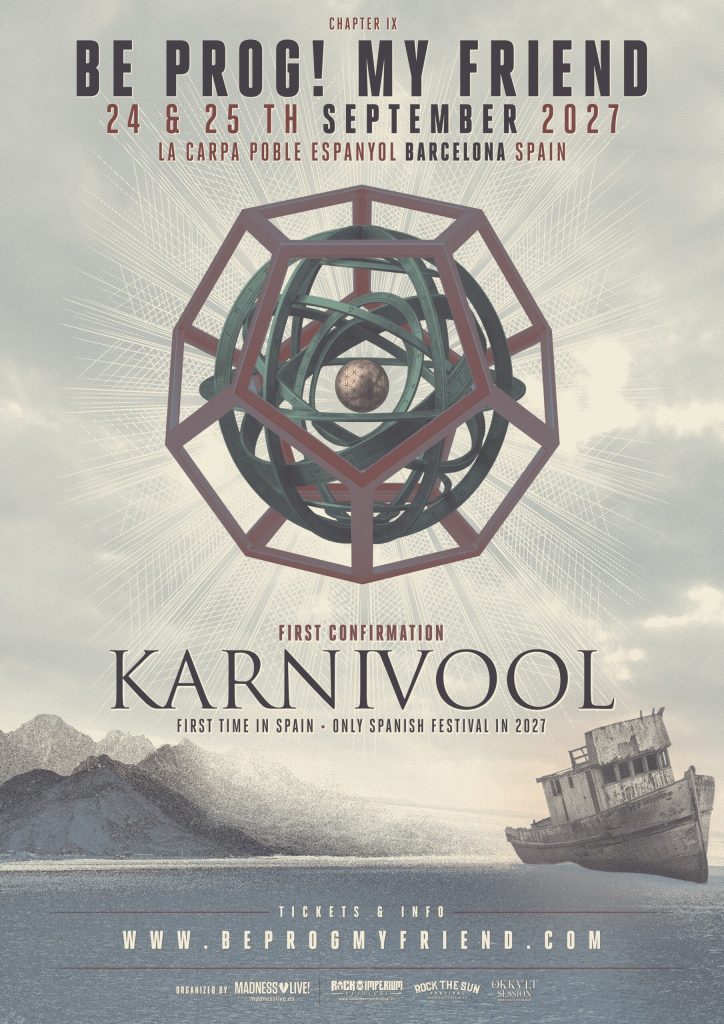
The festival holds its ninth chapter on 24 and 25 September 2027 at La Carpa del Poble Espanyol. For the Australians it is their only Spanish festival of the year.

Twelve songs in forty minutes: Son Volt’s first album of new material since “Electro Melodier” (2021) puts its variety in the arrangements rather than in the songs.
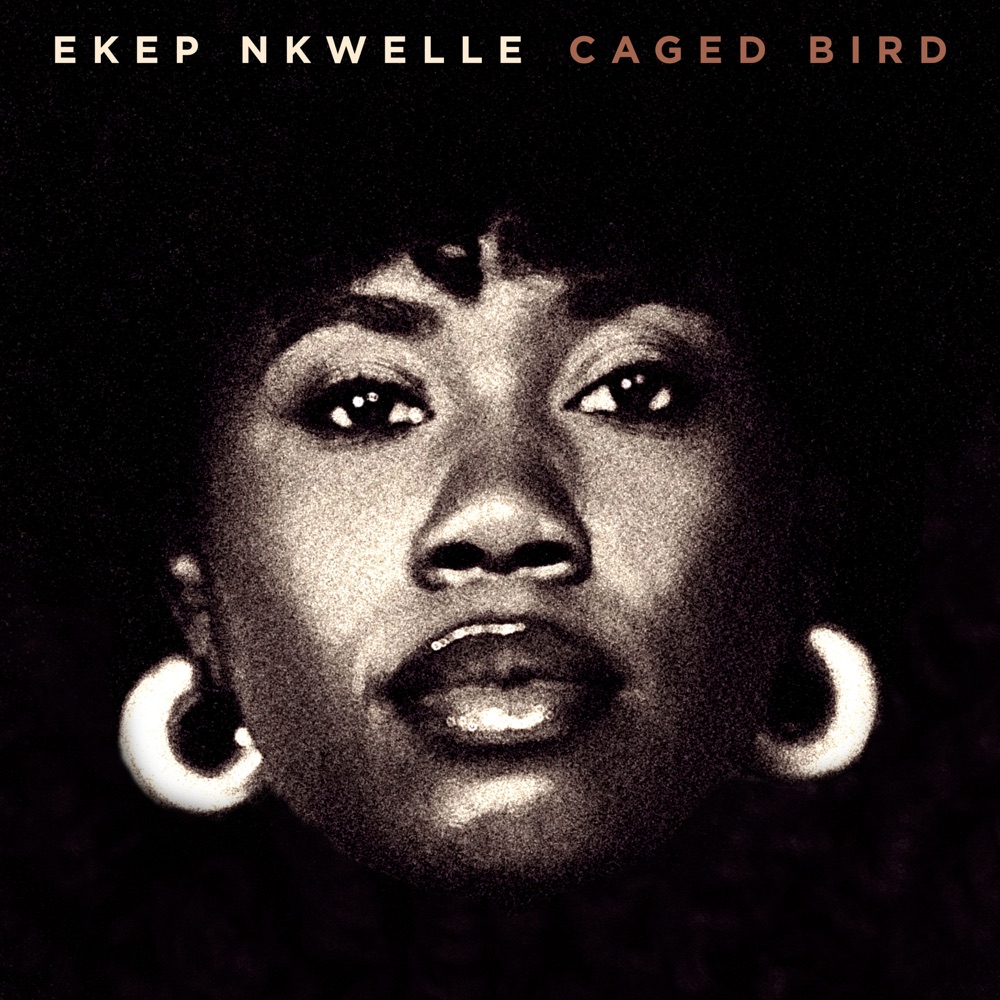
The Washington singer’s first album opens on a gospel hymn and is built on other people’s repertoire, from Abbey Lincoln to Pharoah Sanders, with two different pianists.
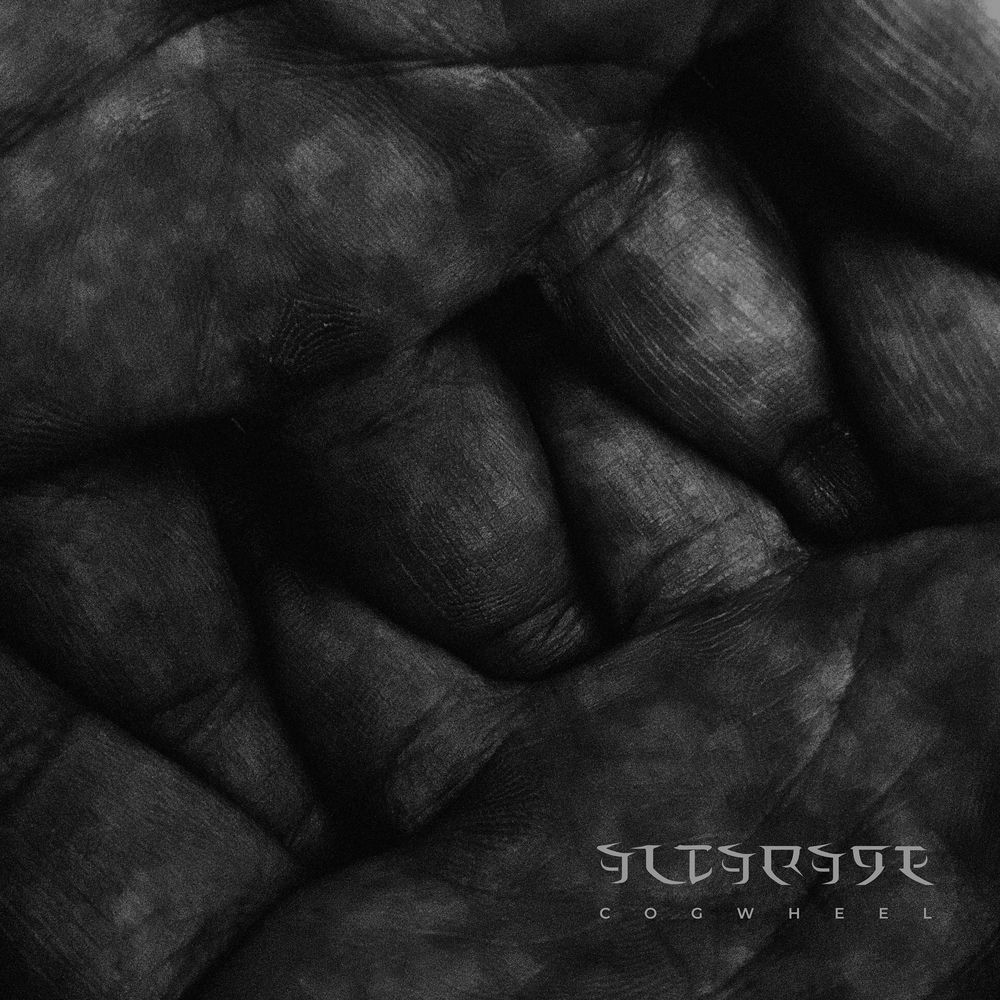
Seventy-four minutes across seven tracks: the seventh album by Basque band Altarage is the longest of their career and the first to use drone as building material rather than effect.
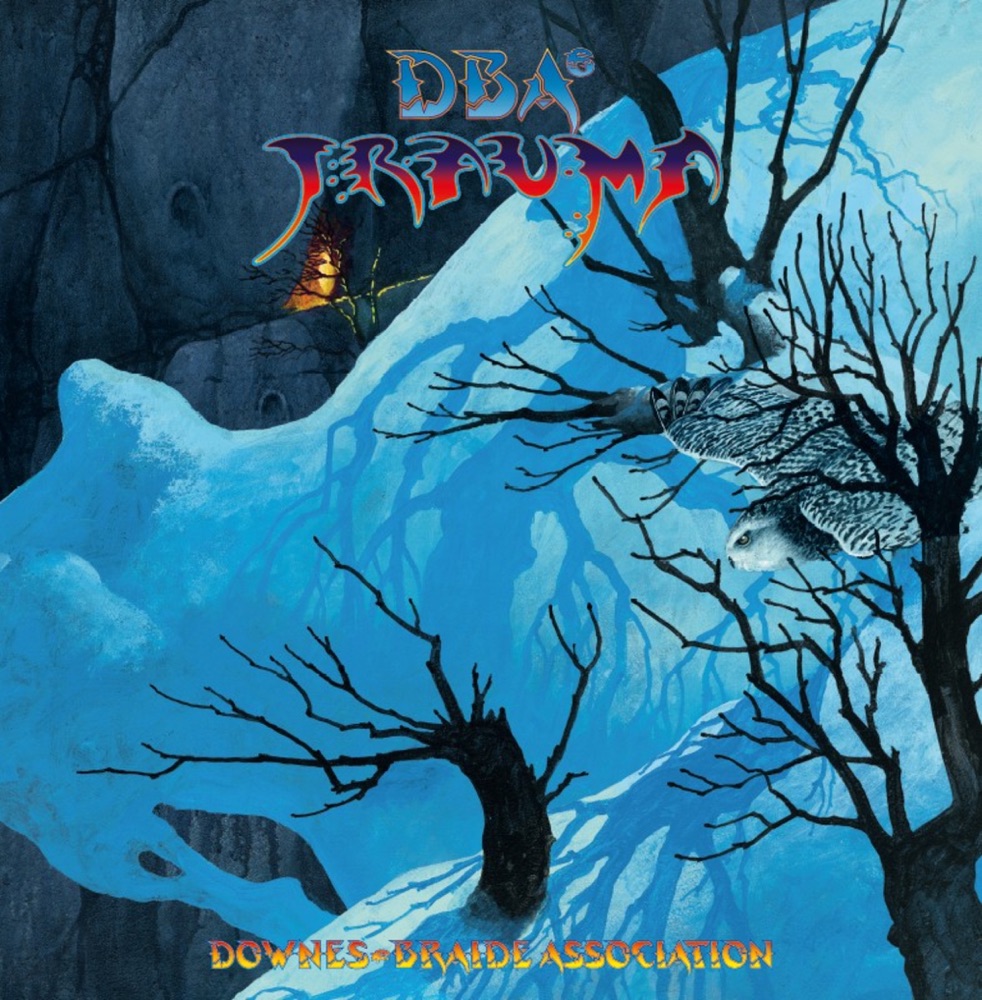
Downes Braide Association’s sixth album lands three years after “Celestial Songs”, with Marc Almond on “Juliet” and David Longdon’s flute from the 2018 sessions: ten tracks and one long piece.
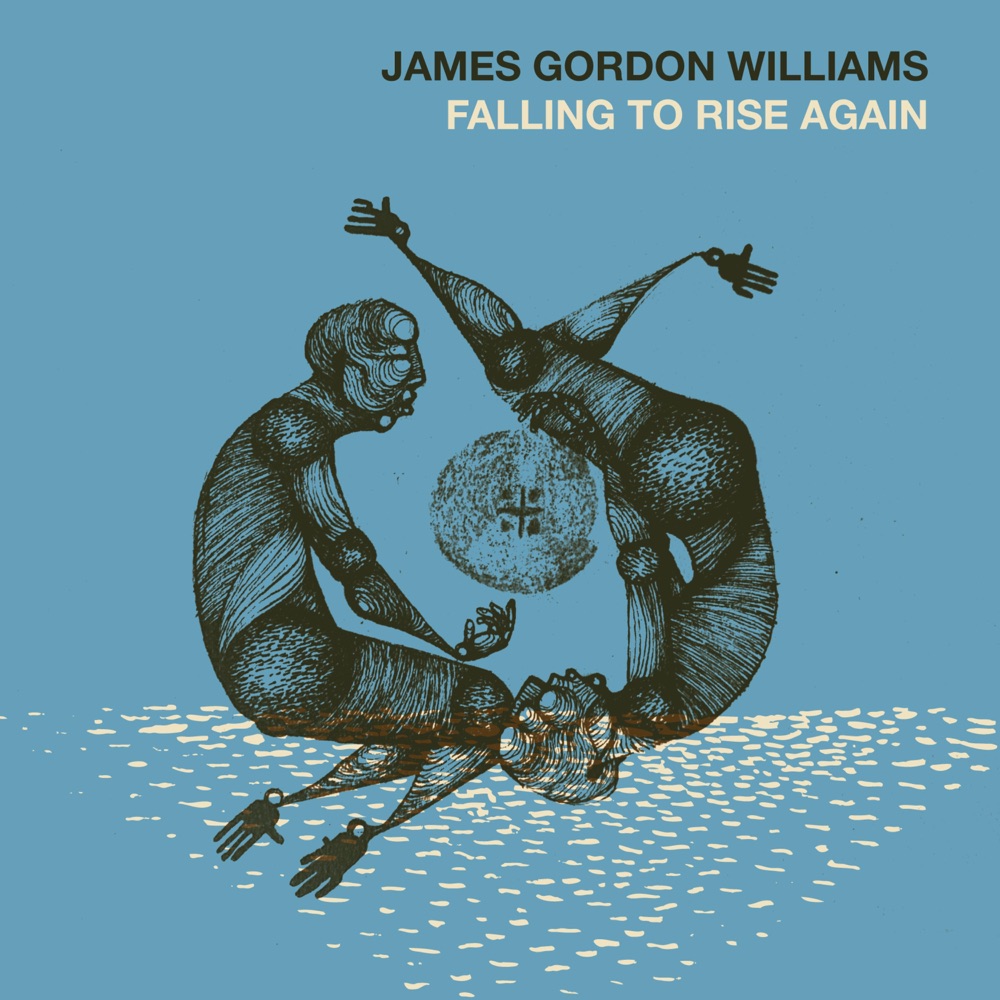
The pianist and theorist returns twenty-two years after his first album, with Terri Lyne Carrington co-producing and drumming: eight pieces cut over two days in January 2024.

Europe’s twelfth album lands nine years after Walk the Earth, produced by Tom Dalgety and mixed by Mike Fraser: eleven tracks, forty-one minutes, nothing over five.
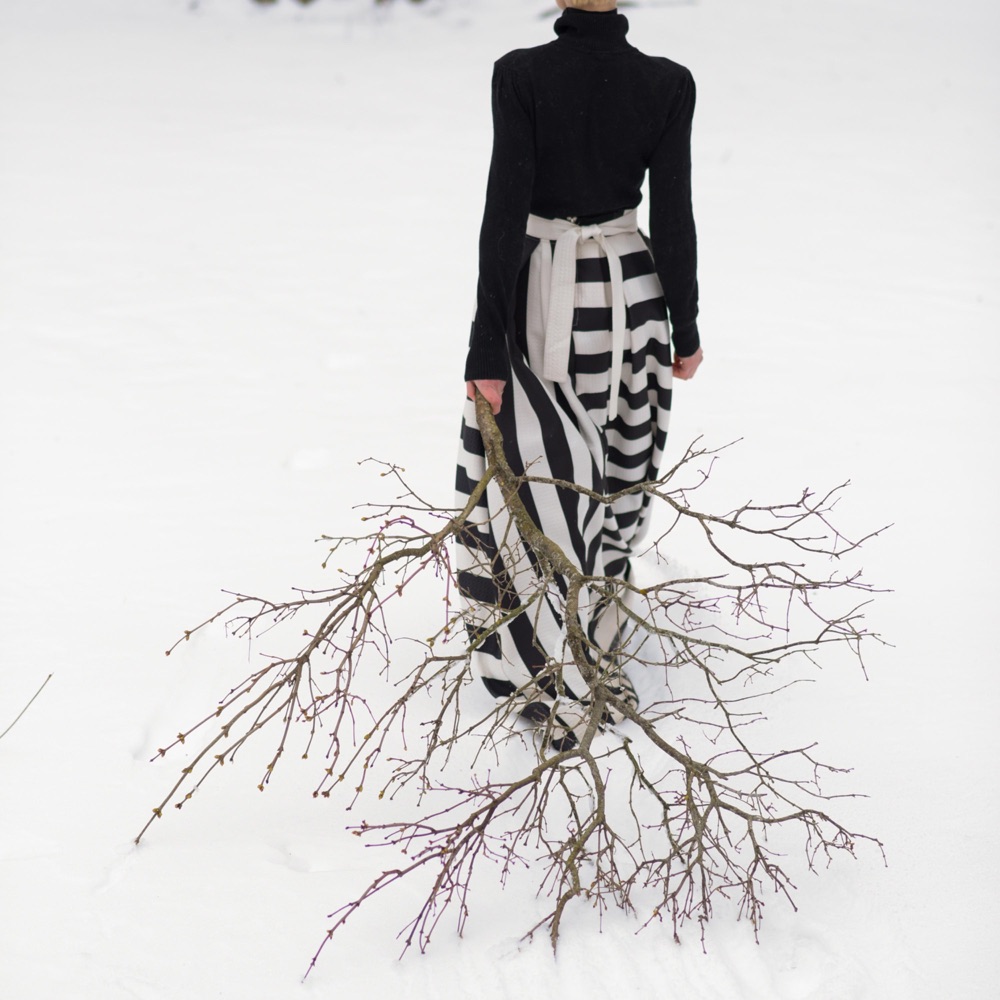
Voice and piano and eight songs by other people, from Stevie Wonder to Monk: D’Angelo and Rick Roe turn in thirty-six minutes at a single temperature, and the title invites an awkward comparison.
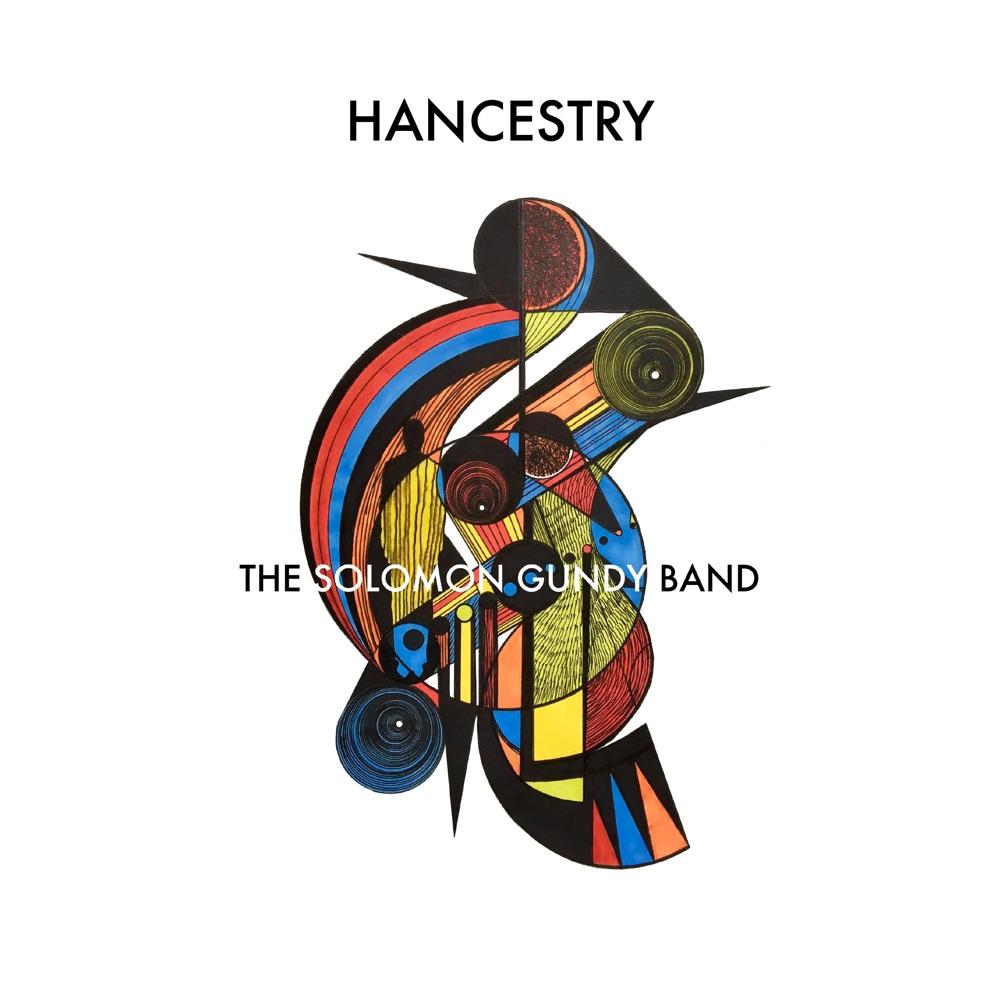
Trumpeter Sean Corby’s debut pulls diaspora jazz, sound system and improvisation into nine tracks, with Courtney Pine and Julie Dexter guesting and Ashley Slater on the mix.
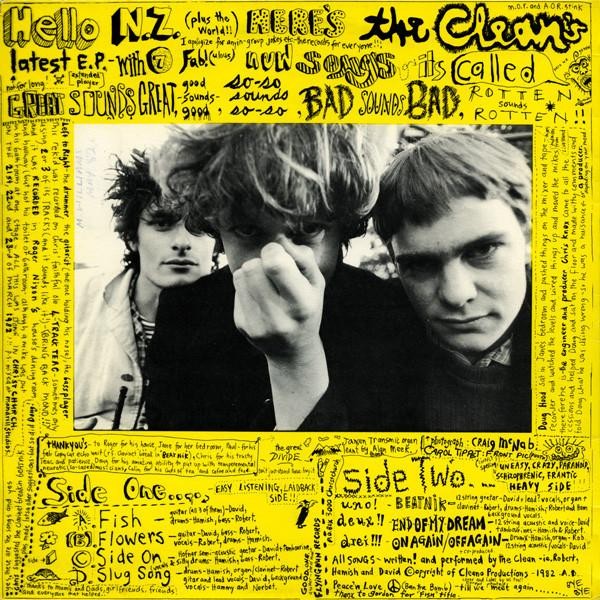
Out on 13 November alongside the “Getting Older” seven-inch. Neither has been pressed since 1982, and neither has ever been on vinyl in North America.
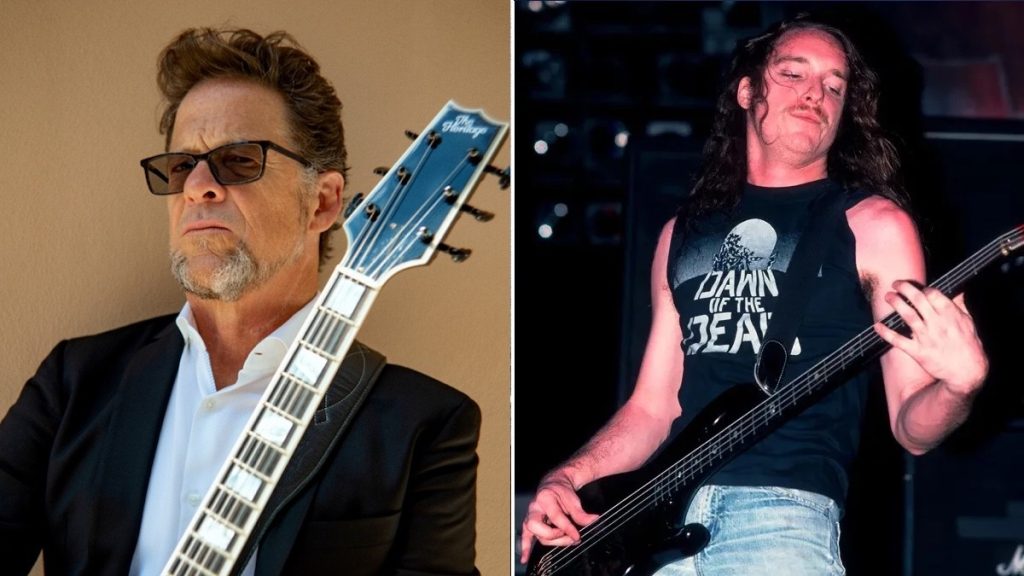
The bassist who replaced him in Metallica remembers seeing him play in 1985 and what it made him think. Burton died on 27 September 1986.
Readers' survey
Rate up to 150 progressive rock, metal and jazz-fusion bands and get your personal ranking -- plus the Tótum readers' overall one.
I want to vote →