
Metal
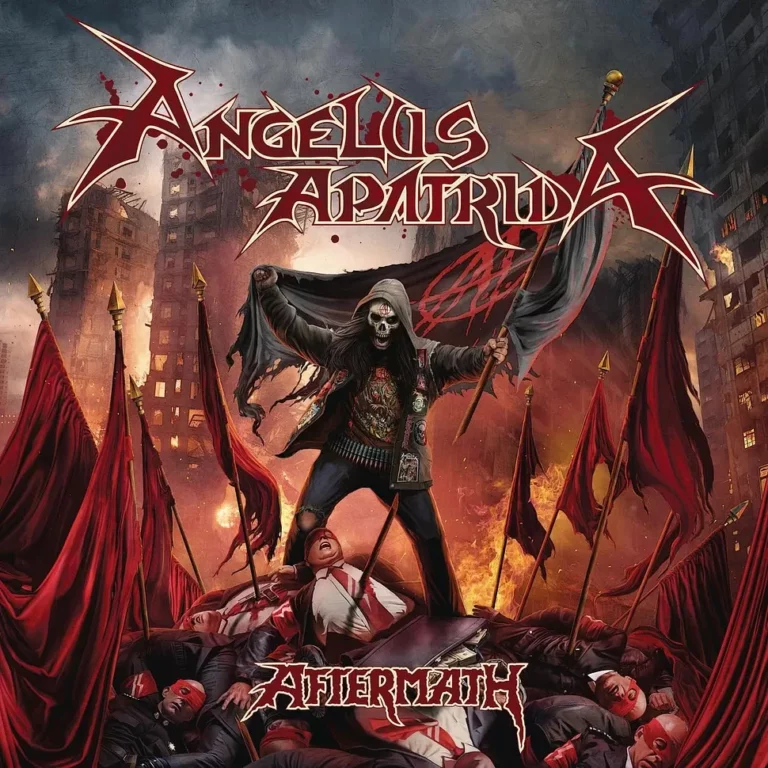
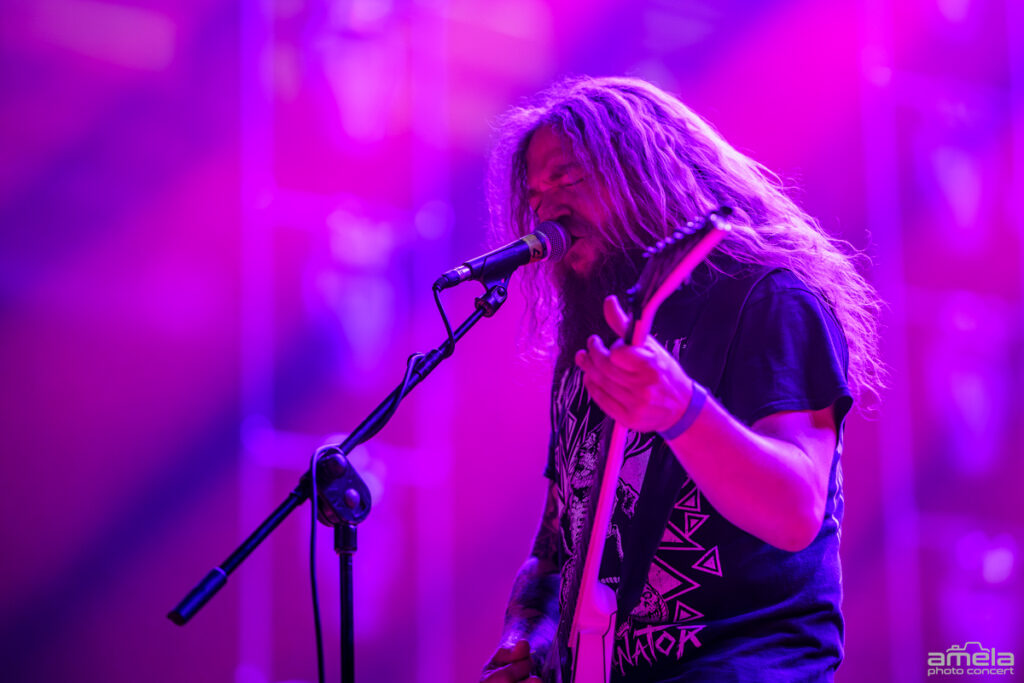
One of the best thrash-metal bands on the planet isn’t made up of Johanssens, Andersens or Thorgenssens. Guillermo Izquierdo (vocals and guitar), José J. Izquierdo (bass), Davish G. Álvarez (guitar) and Víctor Valera (drums). They’re from Albacete, and that’s exactly how they introduce themselves at their live shows.
We should understand that these guys were the number-one sellers in Spain, ahead of Foo Fighters or Bad Bunny, and without any support from the mainstream press — which still gives us a glimmer of hope… And on “Aftermath” they show us exactly why.
But this local pride shouldn’t blind us when analysing this record with a cool head. It’s a conventional thrash-metal record, running through every genre standard developed since the early eighties. There’s nothing innovative or surprising here. Is that a bad thing? Not at all, as long as it isn’t boring or bland — and especially not if you don’t mind it, since you’re a fan of the style. But for ears that aren’t already won over, it will start to feel tiring and repetitive across many of the tracks.
True to the aforementioned principles, “Scavenger” gives us a track with plenty of speed and force, straight out of the purest Slayer, or Metallica back when they were the real deal, but with a very clean, careful production that lets you make out everything happening amid so many devilish riffs. Short, hard, and straight to the gut.
A more modern feel is offered by “Cold”, which might recall Slipknot’s recent work, especially in its frenzy and its melodic chorus, where they also play with tempo changes in the rhythm section. Otherwise, it’s a festival of double bass drum and unimpeachable riffs, with a middle section where you can enjoy two different ways of headbanging. A merciless song.
They keep taking no prisoners on “Snob”, featuring a guest appearance from vocalist Jamey Jasta (Kingdom of Sorrow, Hatebreed). Here we find nu-metal elements and guitar solos leaning more toward sludge metal. That said, anyone not used to listening to such forceful styles won’t spot much difference here, probably because this much heaviness and frenzy simply isn’t made for every set of ears.
“Fire Eyes” features Pablo García (Warcry) on guitar. The track seems to offer a momentary breather, with a dark, soft guitar introduction — though it doesn’t promise a little ballad. And sure enough, hostilities quickly resume with relentless riffs interspersed with the relatively calm motif presented in the intro. A demanding track with a complex structure, carrying the record’s usual force, and, hard as it is to believe for something this savage, plenty of nuance and varied influences.
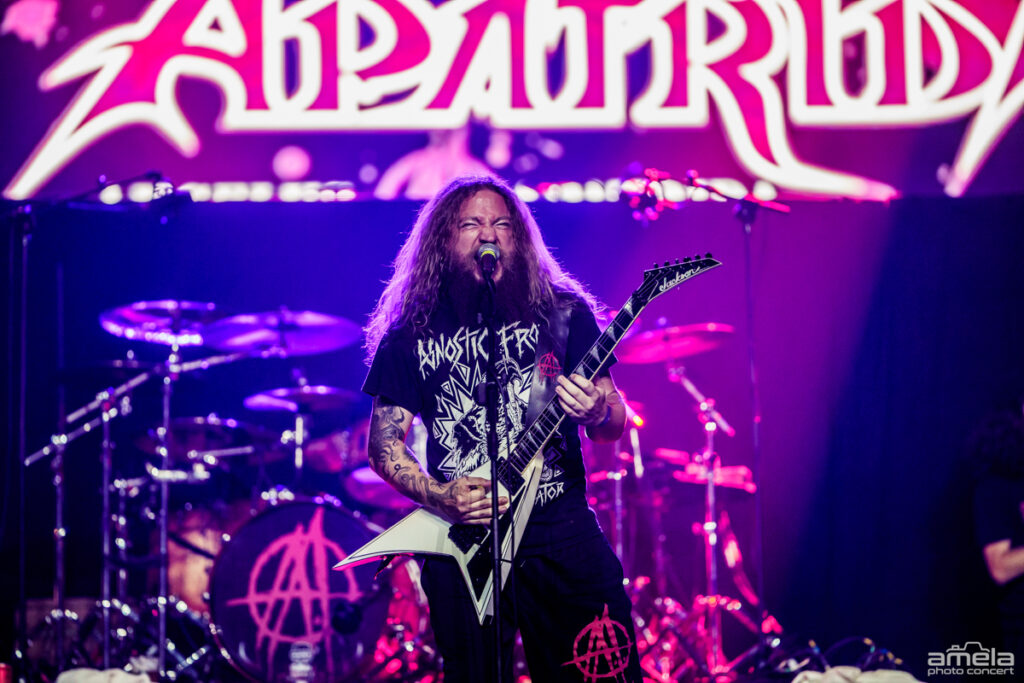
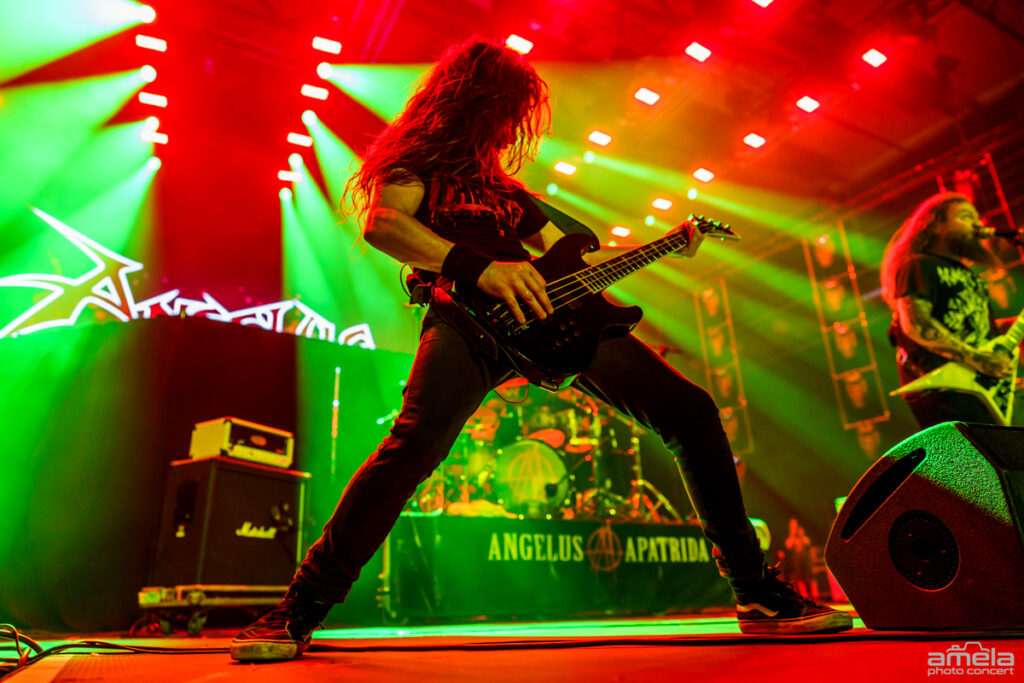
And bordering on speed metal we get “Rats”. A surprising track, offering a chorus that strongly reminds me of the way Dave Mustaine writes for Megadeth, with a touch of Testament too. Though once again we find considerable severity in the guitar solos, played at considerable speeds.
“To Whom It My Concern” opens like a ballad, with one guitar playing harmonics and another arpeggios, presenting a motif immediately repeated by the whole band as an introduction. Then we’re back to a dizzyingly fast passage, with a chorus showing the influence of Gojira or Korn. The middle section brings back the ballad-like mood, leading into a guitar solo and, once again, the track’s most aggressive passages.
One of history’s most inhumane episodes is told on “Gernika”, about Operation Rügen, the devastating air raid on civilians that changed how this kind of military strategy was conceived. With that background, the guitar riffs sound unsettling, and you can almost picture the roar of the Condor Legion’s engines. But sticking to strictly musical terms, it’s an intense, fast, rage-filled track. And listening closely to the drums, it almost sounds like Mario Duplantier (Gojira) and his distinctive style within the genre are the ones behind the kit. Víctor Valera’s work here is really outstanding.
I have to say “I Am Hatred” shares too similar a speed and intensity with the previous track, making it hard to listen closely enough to catch any nuance. Perhaps because, by this point, we’ve been battered by all the intensity this album has thrown at us, and this track is full of uncompromising aggression.
And in the purest style of the Americans Anthrax, who almost by accident invented a revolutionary style — the fusion of rap and metal — back in 1987 with “I Am the Man”, we get “What Kill Us All”, where rapper Sho-Hai (Violadores del Verso) adds a Spanish-language note to a record with such an Anglo-Saxon flavour. Both fusions work really well, even though, musically speaking, it’s already a very well-worn trick — though that doesn’t stop it from being effective and well executed.
To finish, we get “Vultures and Butterflies”, featuring a vocal collaboration from Todd La Torre (Queensrÿche), who brings some personal touches to a melodically rich composition with a complex structure full of shifts in speed and intensity.
I do think the band could have considered that a 59-minute-long record might be too intense, dense and heavy for a middle-aged human ear that lived through the rise of thrash metal firsthand and intensely during their teenage years. But they’ve delivered an intergenerational work carrying every fundamental principle of the style, and as a result, it won’t appeal to fans of softer sounds — which was to be expected. That said, if you’re into the genre, you’ll have a blast.
Writer: David Sàez