
Metal
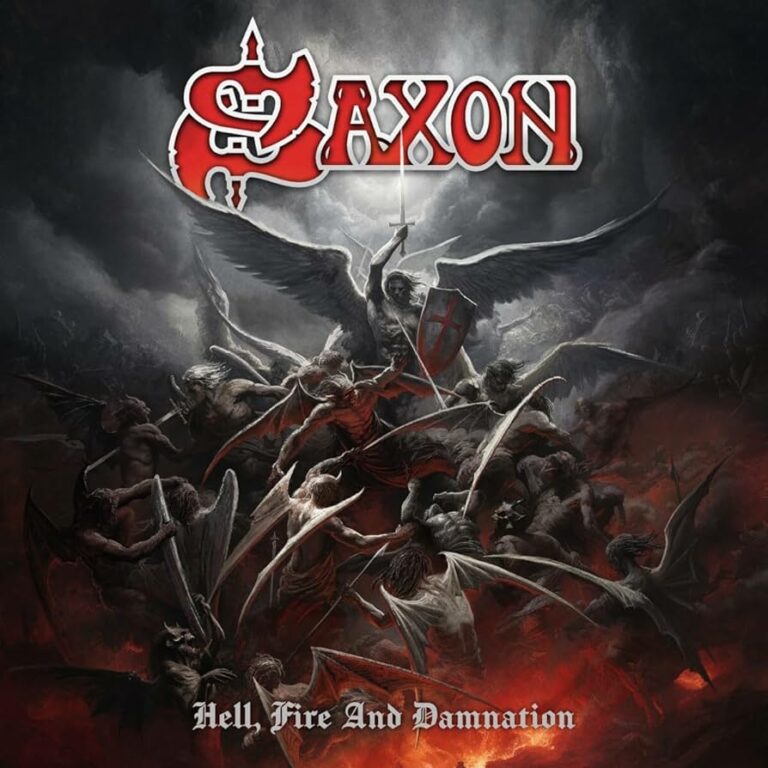
Sometimes a band needs no introduction. That’s the case with Saxon, a fundamental band in metal — never quite among the very top of the most influential acts, perhaps, but nobody can deny they’ve been genuine reference points, as their Wikipedia entry shows.
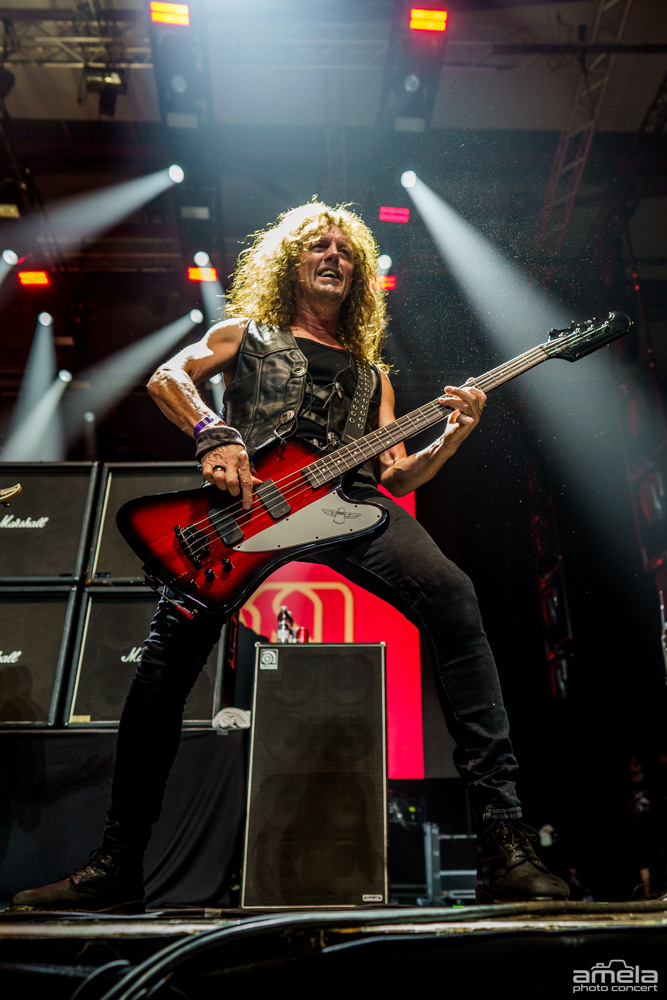
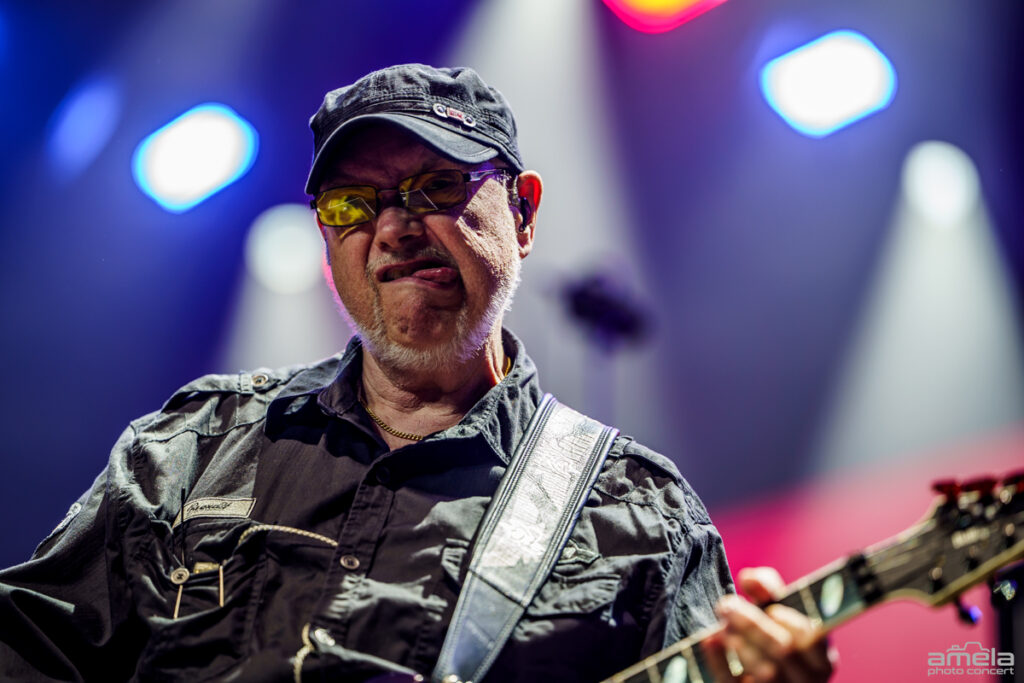
Biff Byford (vocals), Nibbs Carter (bass), Nigel Glockler (drums), Paul Quinn (guitar) and Doug Scarratt (guitar) prove that the famous line about old rockers, made popular by Miguel Ríos, is entirely true.
“The Prophecy” is an introductory track with an atmosphere that seems lifted from a Z-movie horror flick, with an actor reciting, in a kind of Vincent Price parody, the prophecy of some plague, like the coming of a new Bad Bunny record or similar. As a comic track it works; if the intention was for it to be taken seriously, then it’s gone a bit over the top.
But let’s get down to business with “Hell, Fire and Damnation”, where the main feature is the interplay of speeds between the fast, vibrant verses and the slower, less biting choruses. The equally relaxed interlude makes room for a couple of guitar solos, taking on the air of the most classic heavy metal, Dio-style, or Saxon-style, since Saxon themselves are indestructible veterans.

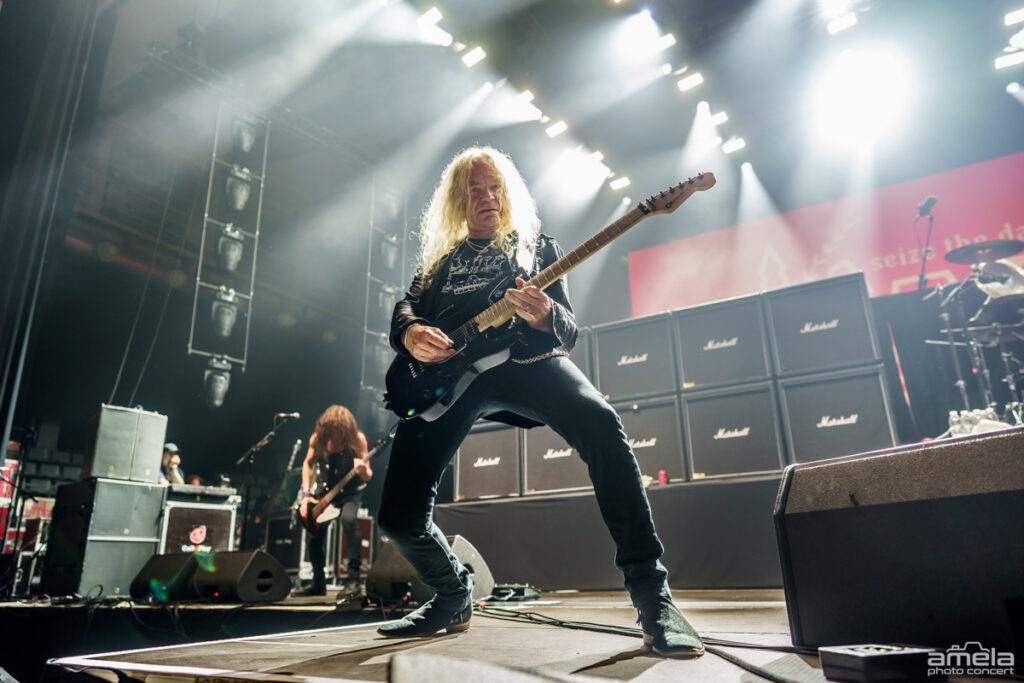
So they stay true to the genre’s principles, as we couldn’t expect anything else, since that’s what everyone wants from them at this point: decent, solid songs like “Madame Guillotine”, with good rhythm and excellent melodies. Once again we get a middle section giving way to a guitar solo. Structurally, it doesn’t stray far from the previous track.
And on to another textbook composition. This time we head into power-metal territory with “Fire and Steel”. Fast and forceful, with a notably gravelly voice, plenty of double bass drum, and backing vocals in a nasal falsetto reminiscent of the Judas Priest of the “Painkiller” (1990) era.
A well-judged guitar, emulating what we’d imagine a UFO might sound like, introduces the rowdy “There’s Something in Roswell”, the site of a famous UFO incident. Given that the trick of pausing or slowing the song down has already been used on every track by this point, it does dampen the mood a bit here. Luckily the final guitar riff is lively and fun enough to help leave a good impression.
We can’t deny the album’s lyrics operate on a fairly serious thematic level, since you’ll find few rock songs dealing with Marco Polo and his relationship with the Mongol emperor. That’s the subject of “Kubla Khan and the Merchant of Venice”. Musically, we get all the hallmarks of the heavy metal we’ve spent decades listening to and enjoying. Here, the spotlight falls on the vocal melodies of the chorus, held up by a relentless rhythmic base and clever guitar work that provides harmonic support and lets the important parts develop properly.
And with a vibe closer to Accept, we get “Pirates of Airwaves”, inspired by the story of Radio Hauraki, a pirate radio station in New Zealand that broadcast from a ship in the 60s and 70s. Hence its introduction with a radio dial and a guitar run through a radio-style filter. Musically it’s not that interesting, but it’s a perfectly solid rock track.
And if we still haven’t had enough thematic variety, “1066” tells the story of the Battle of Hastings between Anglo-Saxons and Normans. With a forceful, relentless riff, the composition unfolds just like a battle, right up to the middle section, where there’s a momentary change of tempo and mood before returning to the main ideas, which provide the backdrop for a guitar solo. It concludes by bringing back the verse and chorus.
With rhythmic motifs and female screams, “Witches of Salem” gets underway. The track is built on a 6/8 time signature, which gives it plenty of dynamism and allows it to explore ideas fairly close to hard rock. Despite being fairly clichéd, it’s a more than decent filler track for a record.
The closer is “Super Charger”, an aggressive track dominated by double bass drum and repetitive backing vocals, clearly meant to be sung live by the audience so everyone can enjoy belting them out at full volume, since they’re very simple. As a grand finale, a couple of guitar solos are also invited along, flowing into a riff before returning once more to verse and chorus. No surprises.
It’s fairly gratifying that Saxon keep proving they’re in good shape and can still hold their own on many a festival bill. This isn’t an album made just to tick a box and go out on tour. Nor is it their best work, but it does show that their average level is higher than the best levels of many of their contemporaries.
Writer: David Sàez
Photography: Jordi Amela (@amela_photo_concert)