
Pat Metheny Group
Pat Metheny Group, one of the most awarded jazz-fusion projects in history, with Lyle Mays on keyboards.
Jazz, en català: discos, concerts i figures del gènere, des dels segells històrics fins als projectes actuals que continuen ampliant el llenguatge de la improvisació. Tótum Revolútum Press hi dedica ressenyes i cobertura de concerts a Catalunya amb la mateixa atenció que al rock progressiu i el metal.
Pat Metheny Group, one of the most awarded jazz-fusion projects in history, with Lyle Mays on keyboards.
Jean-Luc Ponty, the French violinist who brought his instrument to the centre of electric jazz-fusion.
Shakti, John McLaughlin’s Indo-jazz fusion band and one of the most influential fusion projects of the seventies.
Henry Cow, the founding band of the Rock in Opposition movement and a reference point of the most experimental progressive rock.
Matching Mole, the band Robert Wyatt founded right after leaving Soft Machine.
Hatfield and the North, one of the key bands of the second wave of the Canterbury scene.
The Aristocrats, the instrumental fusion trio of Guthrie Govan, Bryan Beller and Marco Minnemann.
Atheist, one of the founding bands of progressive death metal, pioneers in blending jazz fusion into it.
Cynic, the pioneers of progressive death metal, known for fusing robotic vocals and jazz-fusion technique on “Focus”.
Liquid Tension Experiment, the instrumental supergroup featuring three-quarters of Dream Theater and Tony Levin.
Snarky Puppy, the jazz-fusion collective led by Michael League, winner of several Grammys.
Allan Holdsworth, a leading guitarist of jazz fusion and progressive rock, admired by Eddie Van Halen and Yngwie Malmsteen.
Return to Forever, the band of Chick Corea and Stanley Clarke, a benchmark of 1970s jazz fusion.
Weather Report, the band of Josef Zawinul and Wayne Shorter, one of the pillars of 1970s jazz fusion.
Brand X, the jazz-fusion band in which Phil Collins played drums while he was a member of Genesis.
Bruford, the solo band of drummer Bill Bruford (Yes, King Crimson) with Allan Holdsworth on guitar.
UK, the supergroup of John Wetton, Bill Bruford, Allan Holdsworth and Eddie Jobson.
Soft Machine, the founding band of the Canterbury scene and a pioneer of rock–jazz fusion in the United Kingdom.
Caravan, one of the founding bands of the Canterbury scene.
Mahavishnu Orchestra, John McLaughlin’s band, which defined 1970s electric jazz fusion.
Gong, Daevid Allen’s band and its own mythology of “Planet Gong”, somewhere between Canterbury and krautrock.
Focus, the Dutch band that turned an instrumental piece with yodelling, “Hocus Pocus”, into an international hit, and whose guitarist, Jan Akkerman, was voted best in the world ahead of Clapton and Hendrix.
Magma, the band Christian Vander built around an invented language and a science-fiction mythology of its own, and which ended up giving its name to a whole genre: zeuhl.
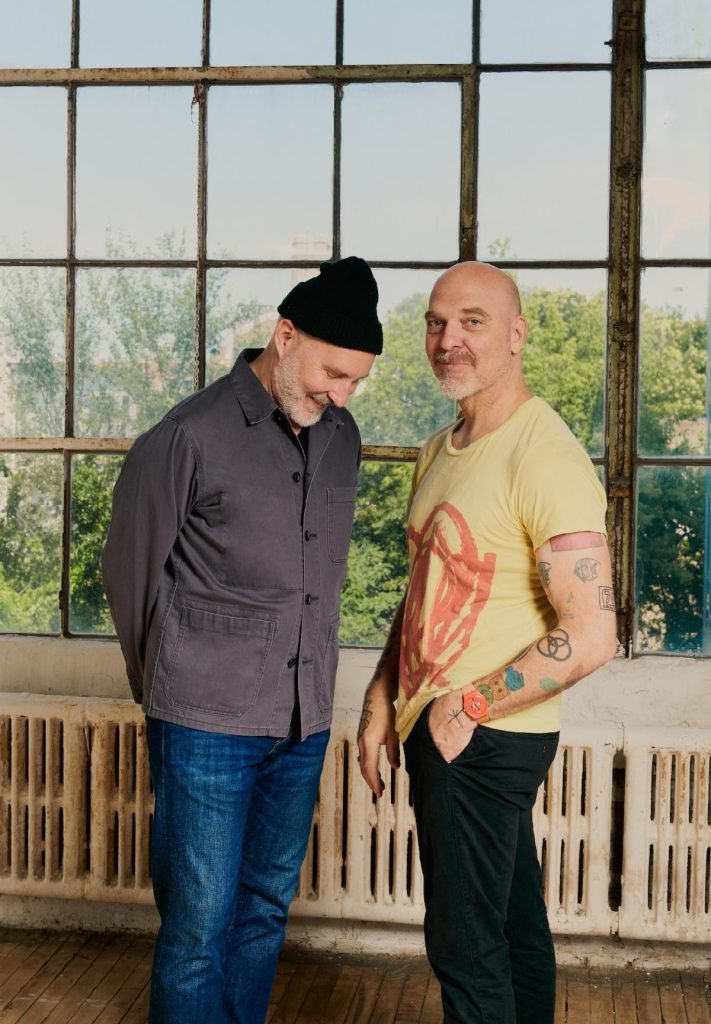
Reid Anderson and Dave King announced it in January and sign off with a residency at the Dakota in Minneapolis. Anderson wants to make electronic music; King has finished records waiting.
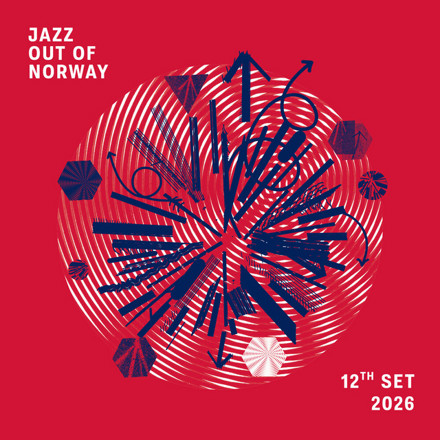
The twelfth instalment of the compilation Norway uses to export its jazz: thirty-six tracks, three hours and a seventy-nine-page booklet. An excellent map with a format problem.
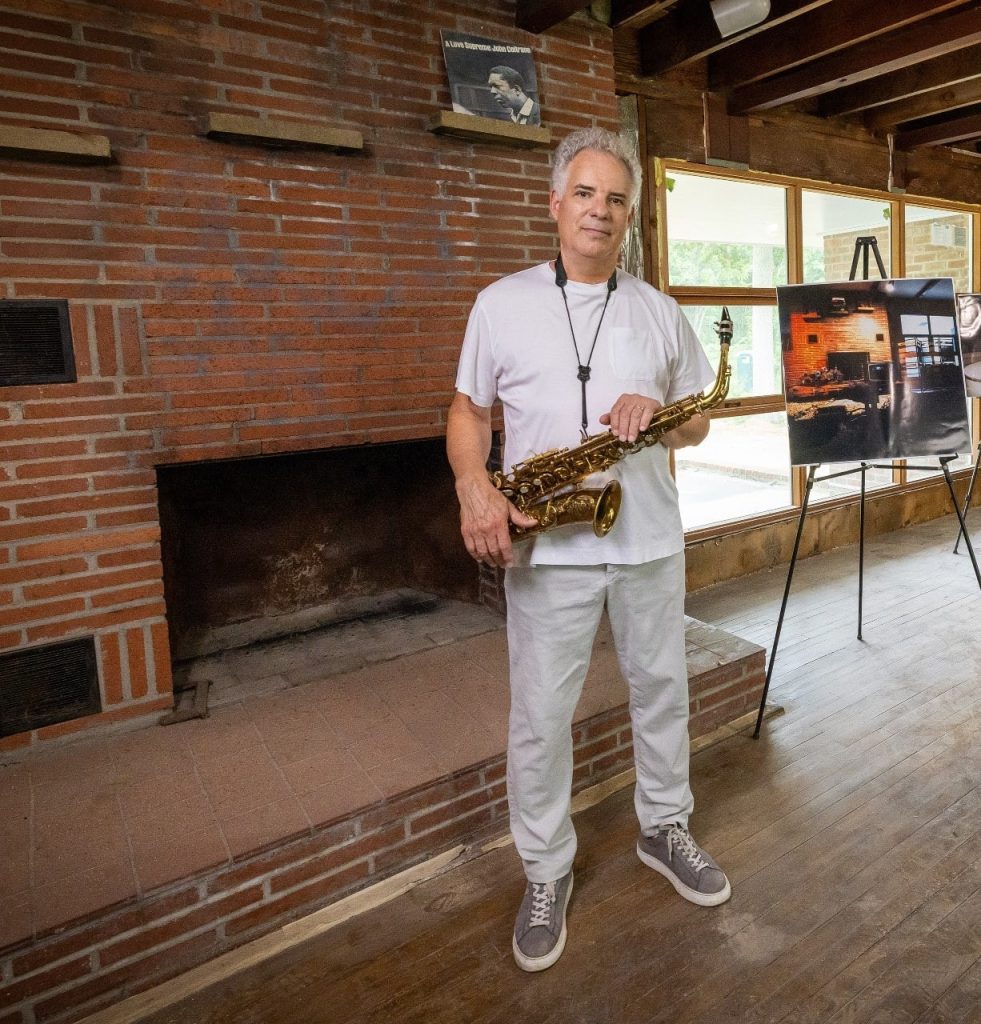
Savant releases it on 30 October, in Coltrane’s centenary year. The titles name specific corners of the house: the stairs, the basement studio and a stained-glass window.
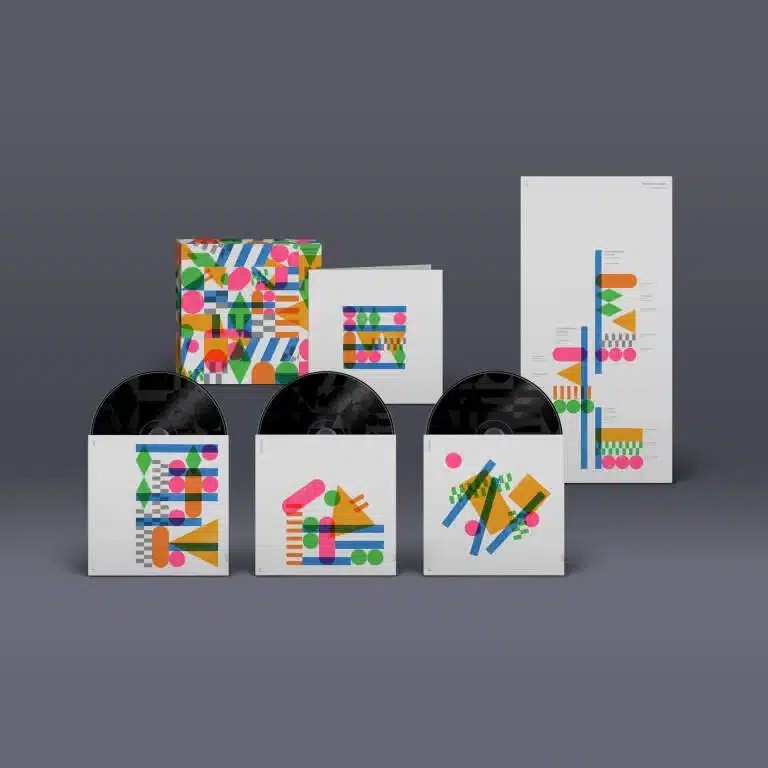
Six LPs or three CDs of unreleased live recordings by three of his groups: the Sextet, the Quintet and Prism. Out on 2 October through Edition Records.
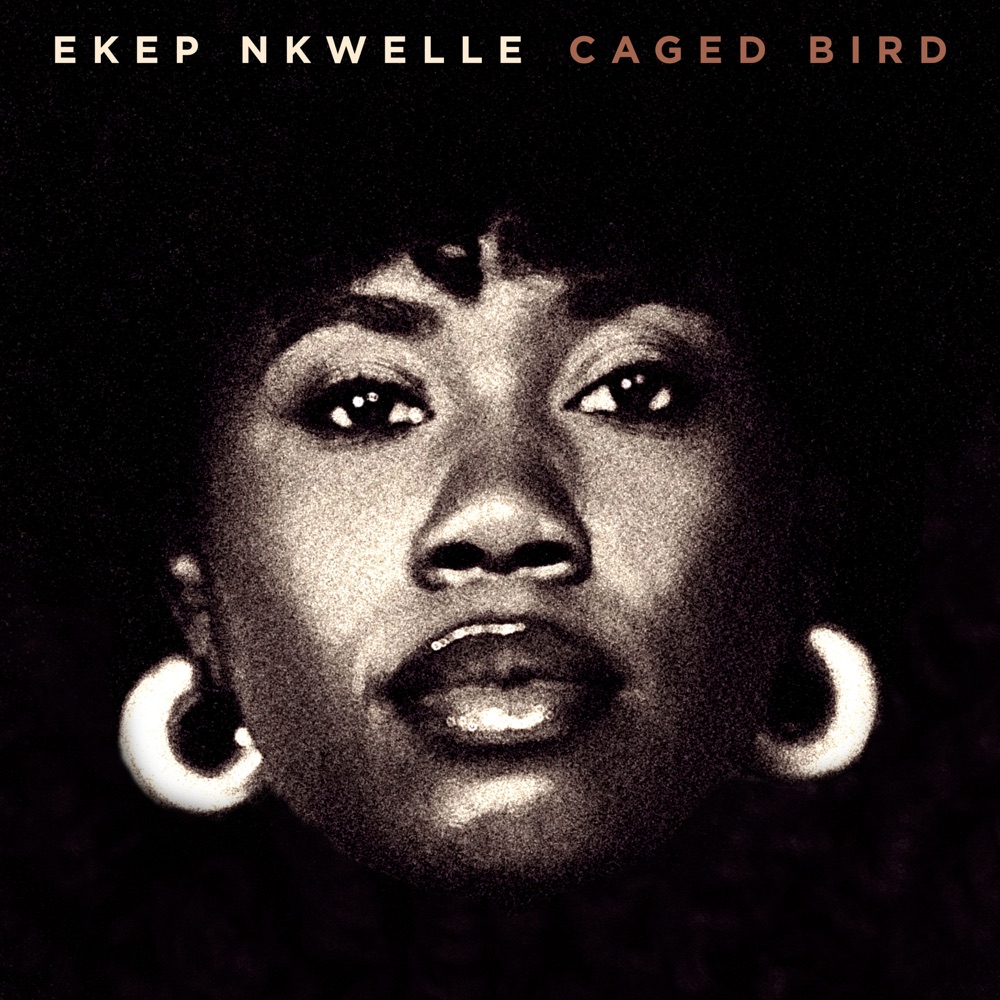
The Washington singer’s first album opens on a gospel hymn and is built on other people’s repertoire, from Abbey Lincoln to Pharoah Sanders, with two different pianists.
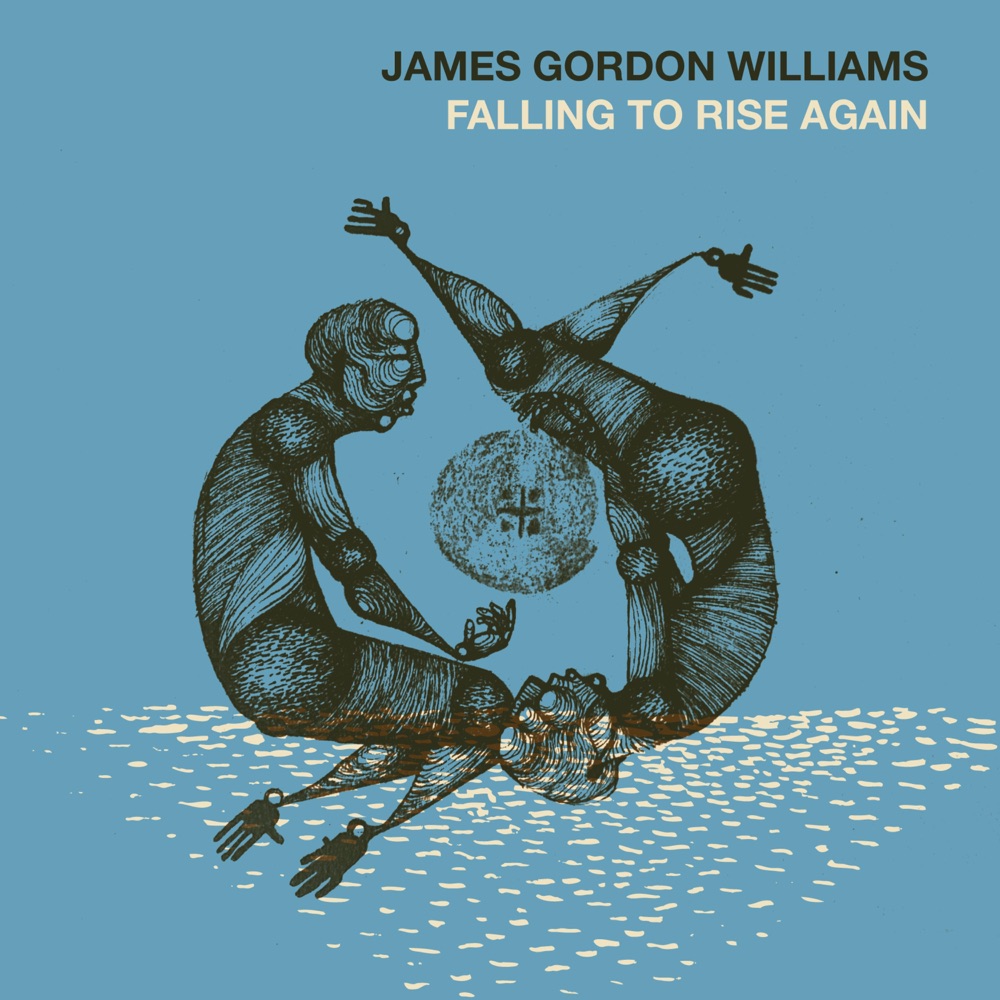
The pianist and theorist returns twenty-two years after his first album, with Terri Lyne Carrington co-producing and drumming: eight pieces cut over two days in January 2024.
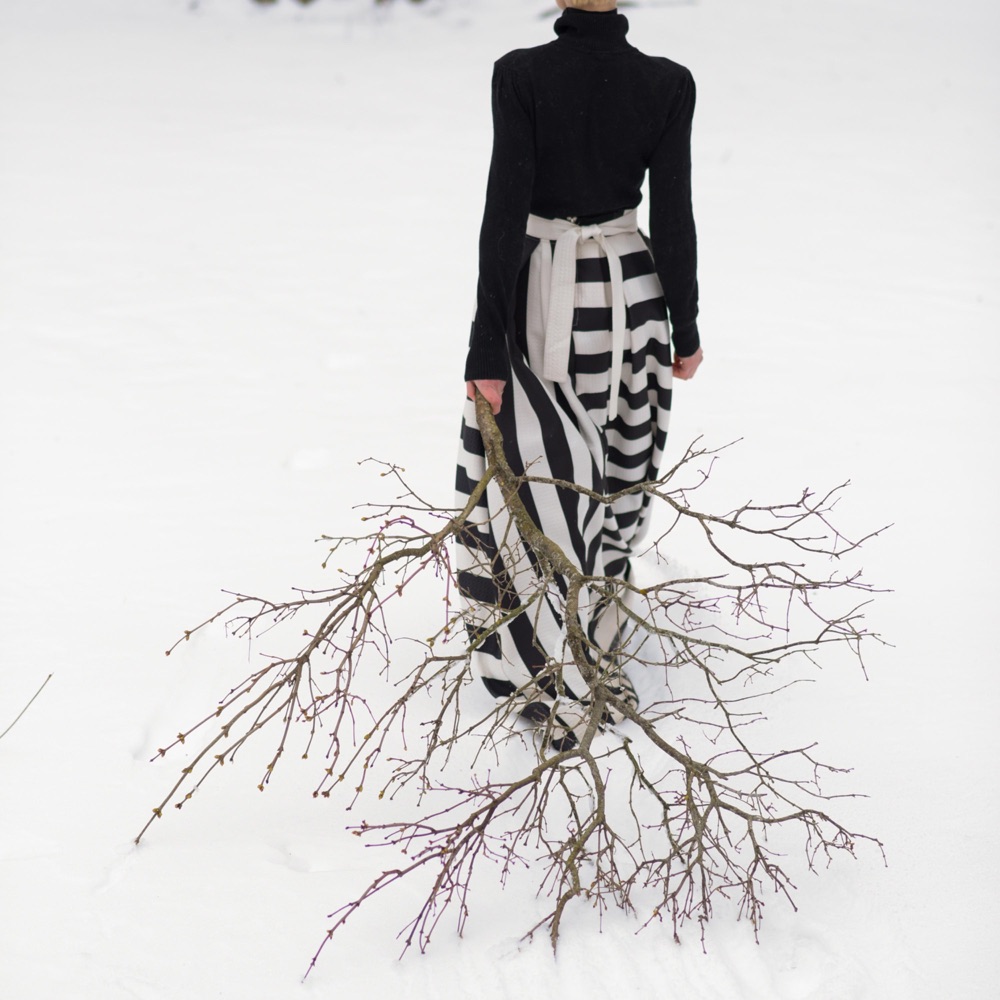
Voice and piano and eight songs by other people, from Stevie Wonder to Monk: D’Angelo and Rick Roe turn in thirty-six minutes at a single temperature, and the title invites an awkward comparison.
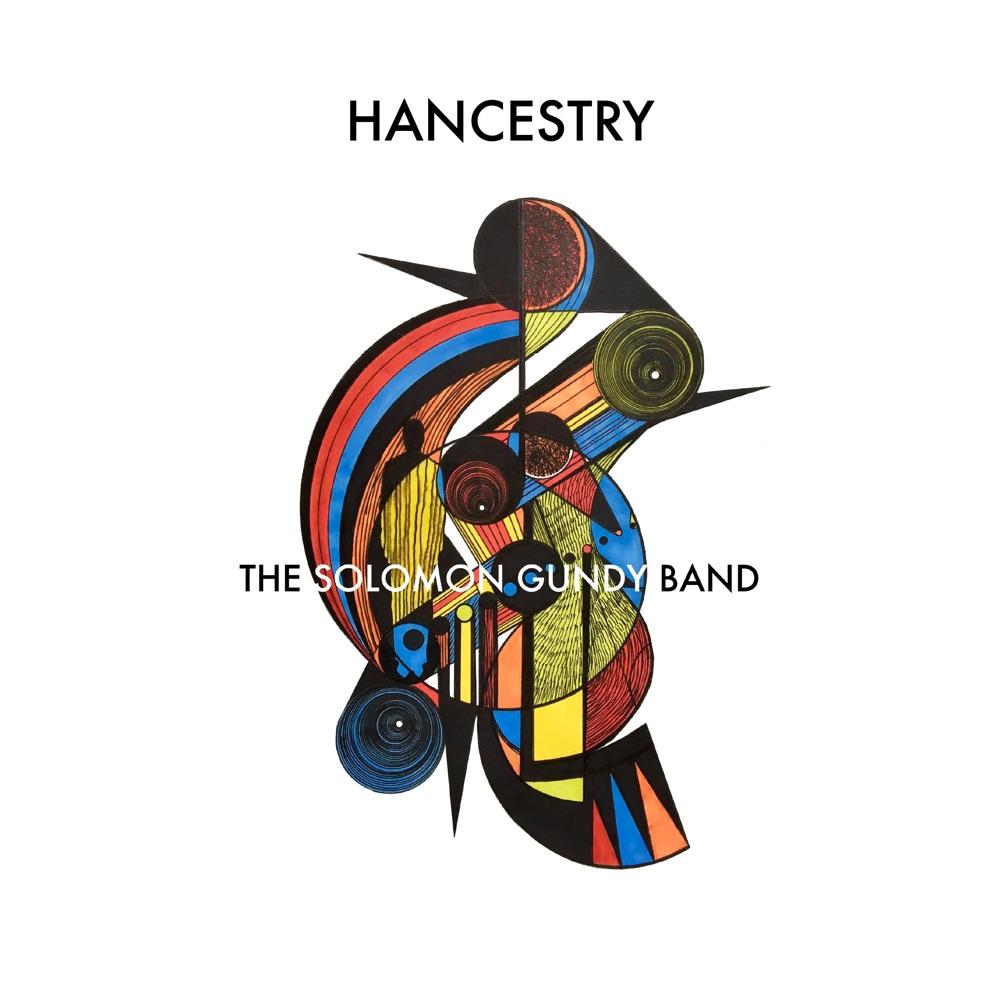
Trumpeter Sean Corby’s debut pulls diaspora jazz, sound system and improvisation into nine tracks, with Courtney Pine and Julie Dexter guesting and Ashley Slater on the mix.
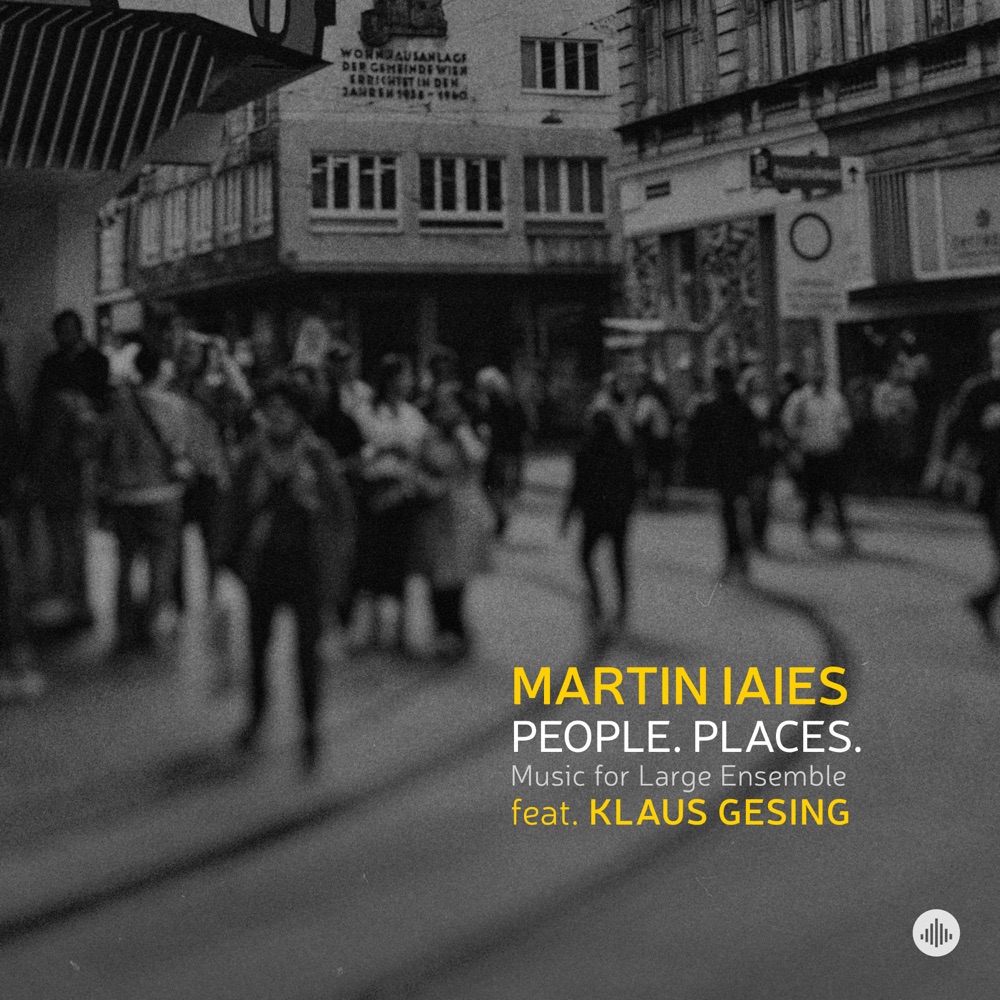
The Argentinian guitarist settled in Graz writes eight pieces for large ensemble and invites Klaus Gesing onto three. Challenge Records releases a record of rich harmony and constant temperature.
The Australian guitarist’s second album arrives five years after Parkside with the same quartet: eight pieces and forty-six minutes where the line often gives way to atmosphere.
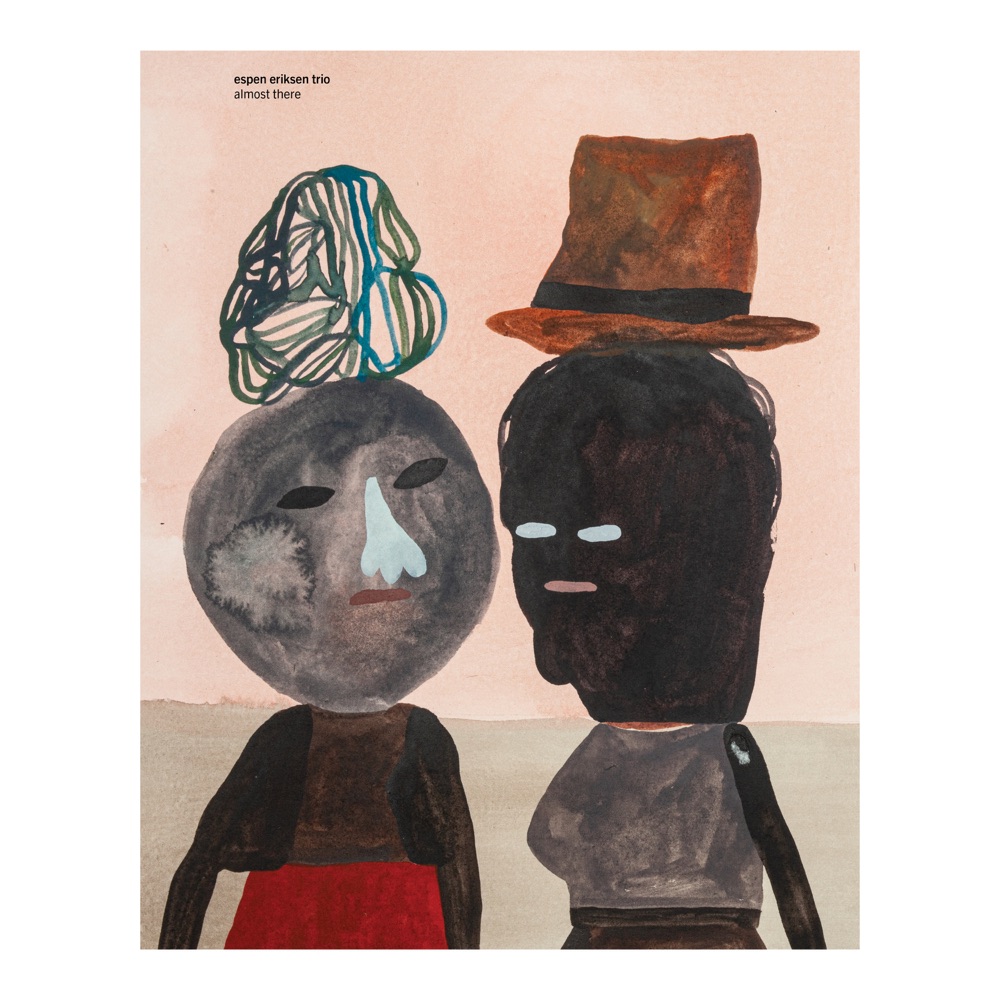
The Norwegian trio records on its own for the first time since 2020, without Andy Sheppard’s saxophone: eight songs, thirty-five minutes and no track longer than 5:03.
More than four hours across four volumes: the ROOTS to SHOOTS combo, a nineteen-minute chamber piece and a twenty-five-minute electroacoustic run.
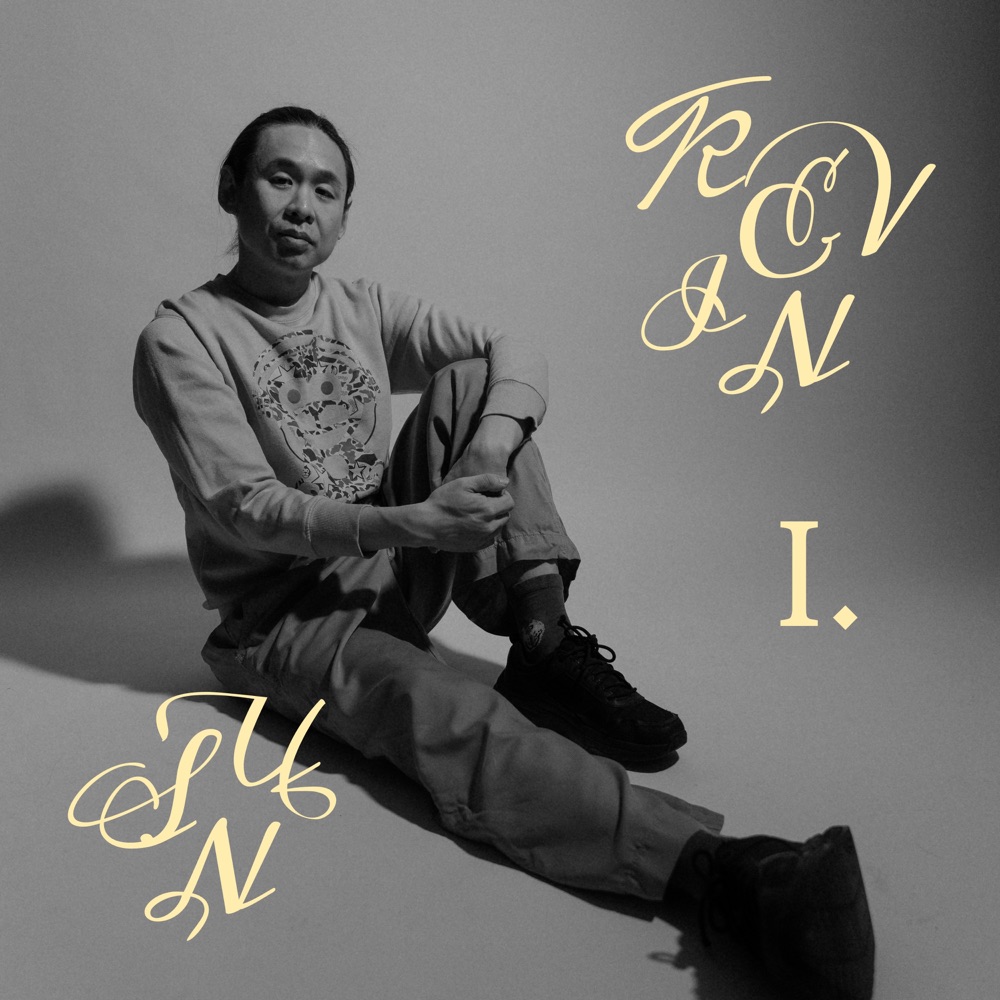
Eight quartet tracks with a Coltrane “Countdown” taken apart in post-production and covers of Sakamoto and a Dark Souls soundtrack. The saxophonist releases two volumes on the same day.
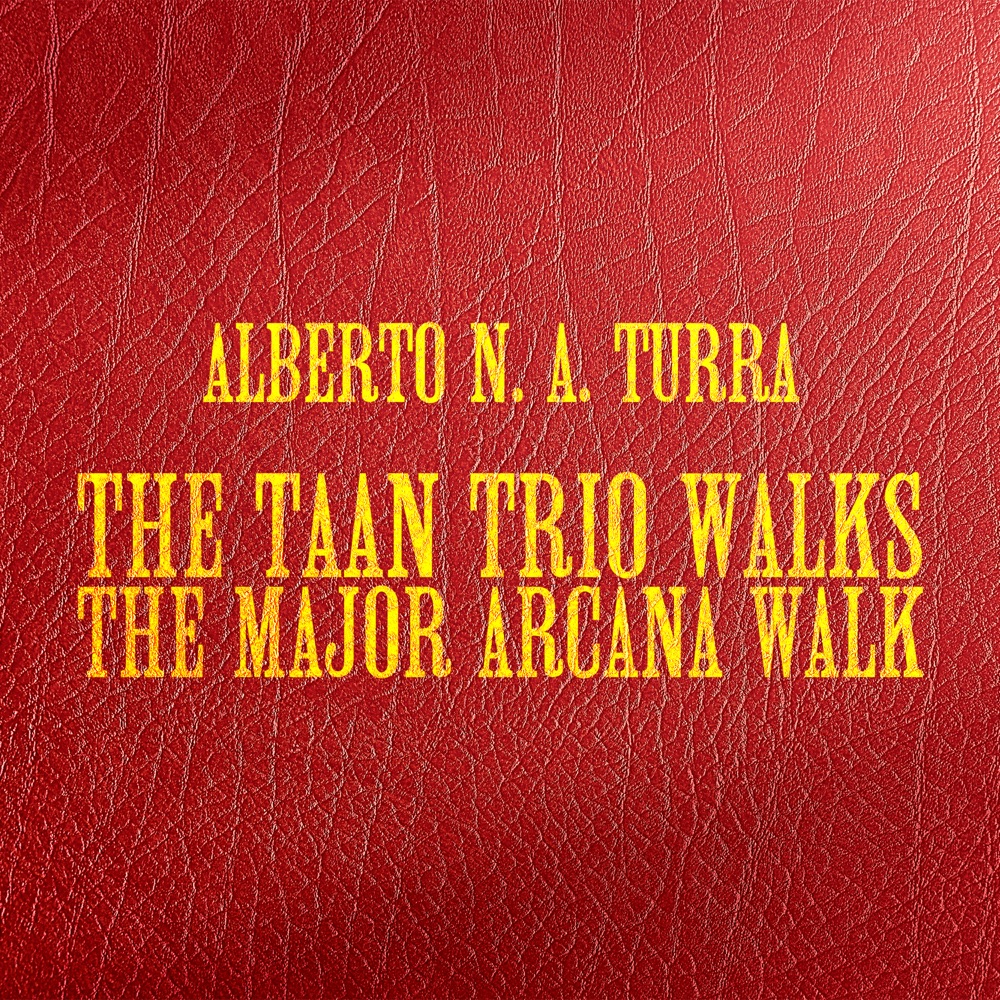
Twenty-two pieces for the twenty-two Major Arcana of the tarot, in their order: the Milanese guitarist releases an hour and a half of music for trio and strings on Ropeadope SUR.
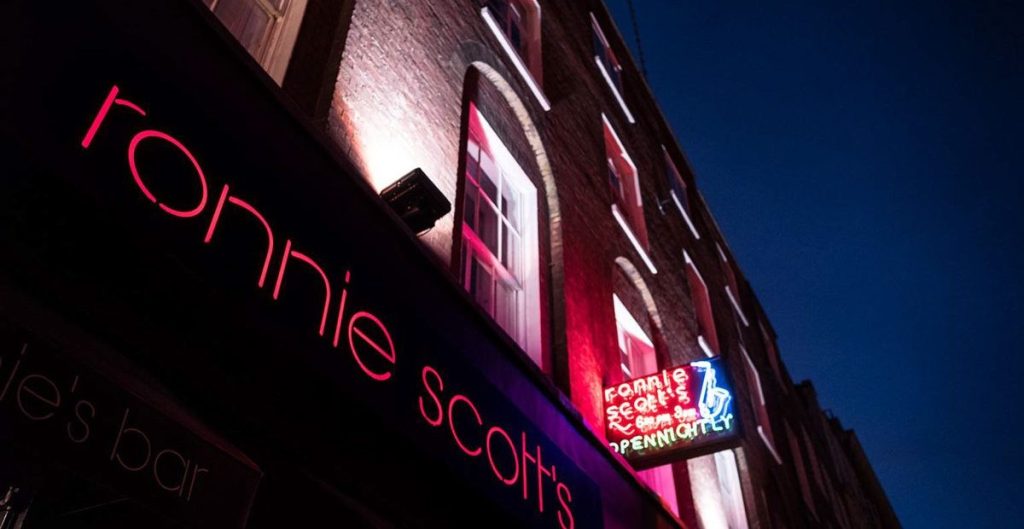
“Ronnie Scott’s 100th Birthday: A Celebration In Concert” brings the club’s All Stars together with Mica Paris, Curtis Stigers and Omar Puente.
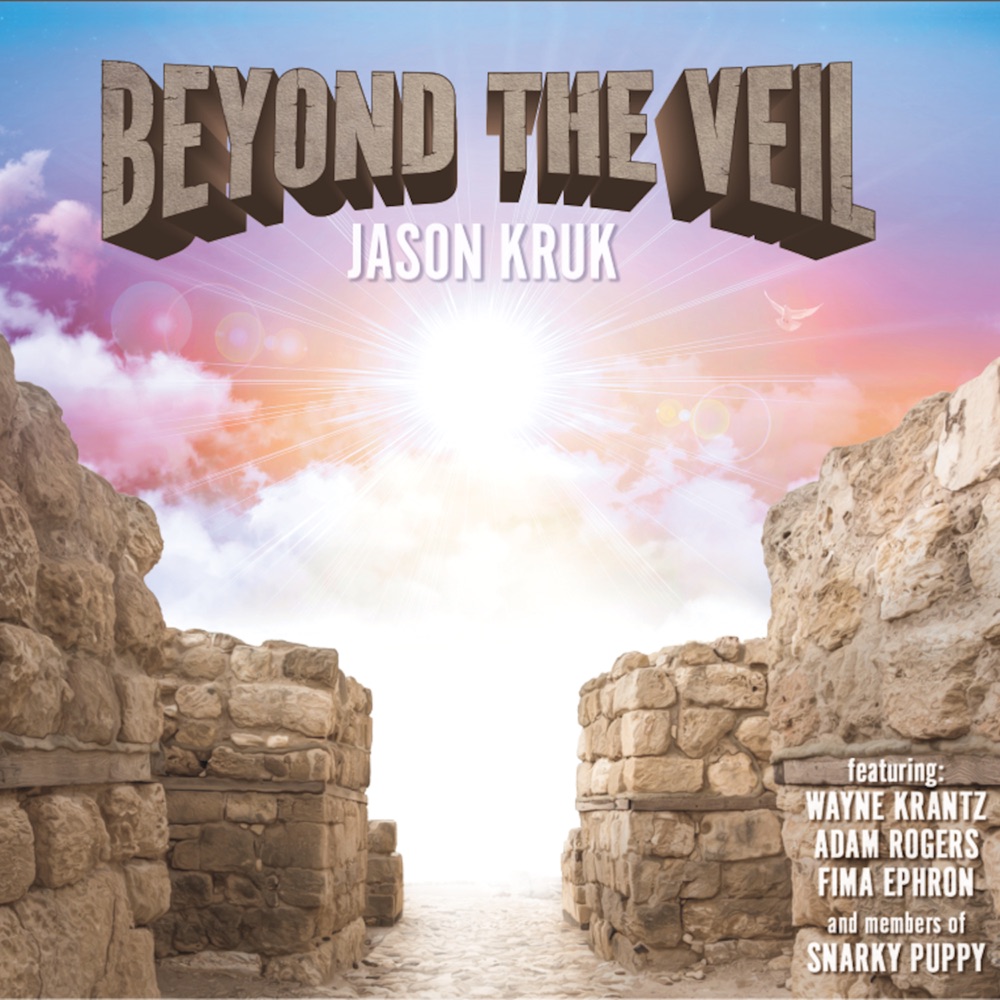
Twelve tracks with Wayne Krantz, Adam Rogers and Michael League parcelled out one guest per cut: drummer Jason Kruk’s second album in seventeen years, and twenty-three minutes too long.
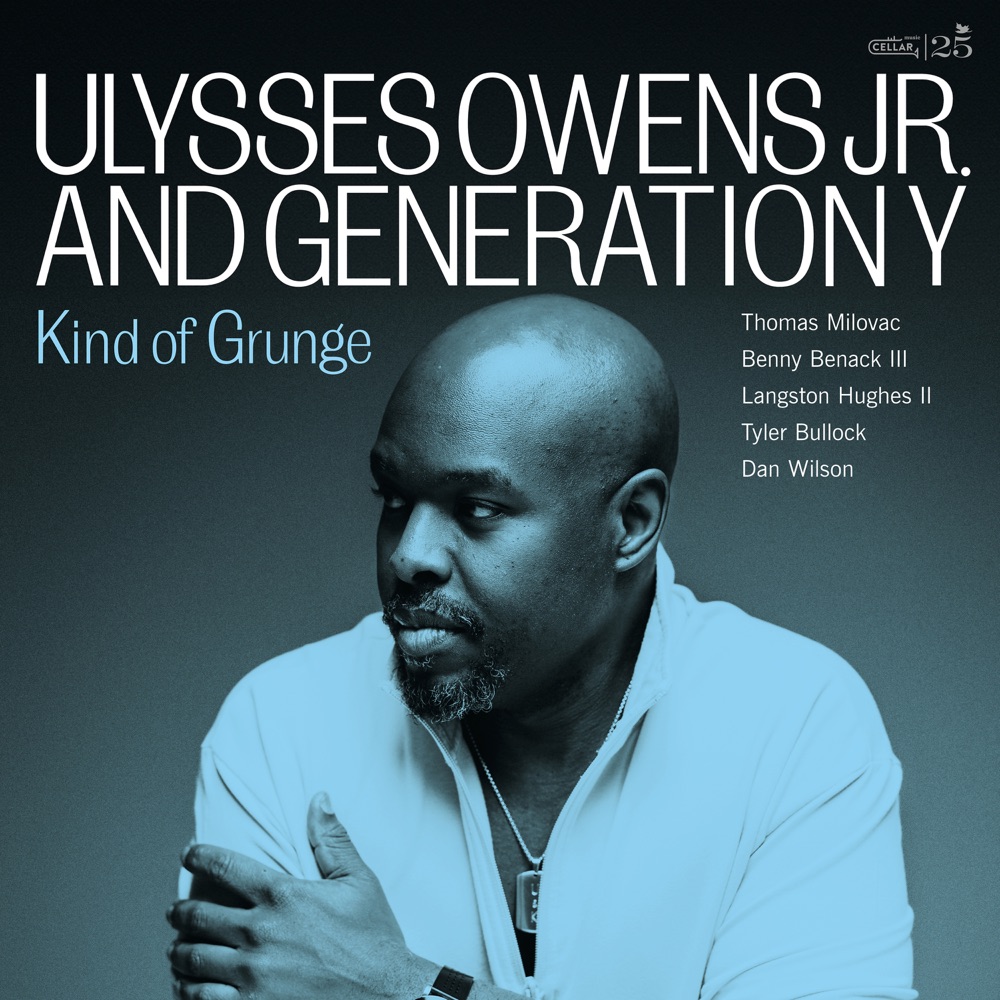
Twelve Seattle grunge songs arranged for a hard bop sextet, with a closer that isn’t grunge at all: the Lead Belly tune Nirvana made famous on Unplugged.
Readers' survey
Rate up to 150 progressive rock, metal and jazz-fusion bands and get your personal ranking -- plus the Tótum readers' overall one.
I want to vote →