
Embryo
Embryo, a Munich group formed in 1969 by Christian Burchard, one of the most eclectic in krautrock, which moved towards jazz-rock and fusion with the music of Africa and the Middle East.
Jazz, en català: discos, concerts i figures del gènere, des dels segells històrics fins als projectes actuals que continuen ampliant el llenguatge de la improvisació. Tótum Revolútum Press hi dedica ressenyes i cobertura de concerts a Catalunya amb la mateixa atenció que al rock progressiu i el metal.
Embryo, a Munich group formed in 1969 by Christian Burchard, one of the most eclectic in krautrock, which moved towards jazz-rock and fusion with the music of Africa and the Middle East.
Nova, an Italian group born in 1975 from Osanna and Cervello, based in London and influenced by Mahavishnu Orchestra, Weather Report and Return to Forever.
Arti e Mestieri, a Turin group formed in 1973, a reference of Italian jazz-rock with the debut Tilt (1974), are still active with founding drummer Furio Chirico.
Perigeo, a Rome quintet that opened up a path of its own in Italian jazz-rock between 1972 and 1976, with five albums on RCA Italiana.
Dzyan, a German group from Mannheim that fused jazz-rock, krautrock and Asian music between 1971 and 1974, in the orbit of the krautrock scene of the time.
Isotope, a British jazz-rock quartet formed in London in 1973 by guitarist Gary Boyle, with Hugh Hopper (ex-Soft Machine) on bass from 1974.
Burnin’ Red Ivanhoe, from Copenhagen, began in 1967 to fuse avant-garde jazz improvisation with the electric rock of the late 1960s, and are the foundational group of Danish progressive rock.
Tasavallan Presidentti, from Helsinki, were one of the first and most influential progressive rock groups in Finland, with a strong jazz-rock imprint thanks to guitarist Jukka Tolonen.
Samla Mammas Manna, from Uppsala, fused progressive rock, Swedish folk and jazz with circus-like humour; instigators of the Rock in Opposition movement, they disbanded in 2008 with the death of Lars Hollmer.
Philharmonie, a guitar trio (a quartet since 1993) formed in 1988 by guitarist Frédéric L’Épée, formerly of Shylock, with a sound indebted to King Crimson, disbanded in 1997.
Zao, a jazz-rock and zeuhl band founded in Paris in 1972 by former Magma members Yochk’o Seffer and François “Faton” Cahen, with violinist Didier Lockwood in the ranks in 1976, disbanded in 2012, after Cahen’s death.
Dün, a zeuhl band from Nantes formed in 1976, known for a single album, Eros (1981), conceived as a free adaptation of Frank Herbert’s novel Dune.
Potemkine, a jazz-rock band with zeuhl influence formed in Toulouse in 1971 by the Goubin brothers, released three albums between 1976 and 1978 before the death of its leader, Charles Goubin, in 1979.
Shub-Niggurath, a French avant-garde band formed in 1982 by bassist Alain Ballaud, with a name taken from Lovecraft’s mythology, disbanded upon his death in 1995.
Eskaton, a zeuhl band formed in Paris in 1970, one of the first groups of the genre outside Magma’s direct orbit, disbanded in 1985 and re-formed in 2011.
Weidorje, a zeuhl band founded in 1976 by bassist Bernard Paganotti and keyboardist Patrick Gauthier, both former Magma members, released a single album, in 1978, before splitting up.
Blue Effect (Modrý Efekt), a Czech progressive rock and jazz fusion band founded in Prague in 1968 by guitarist Radim Hladík, the only permanent member until his death in 2016, when the group definitively disbanded.
Collegium Musicum, a Slovak band founded in Bratislava in 1969 by keyboardist Marián Varga, often compared to Keith Emerson; a pillar of 1970s Czechoslovak progressive rock, definitively disbanded following Varga’s death in 2017.
Czesław Niemen (Czesław Juliusz Wydrzycki, 1939–2004), a Polish singer and composer, turned to progressive rock in 1969 with the album Enigmatic, combining Hammond organ, Mellotron and Moog synthesizer until the 1980s.
SBB, a trio formed in Siemianowice Śląskie in 1971 by Józef Skrzek, Apostolis Anthimos and Jerzy Piotrowski, a leading name in 1970s Polish progressive rock with jazz and blues fusions.
Cos, formed in Brussels in 1974 by guitarist Daniel Schell, fused jazz-rock with Canterbury scene influences, with the unconventional voice of Pascale Son as their distinctive trait.
Supersister, formed in The Hague in 1968 around keyboardist Robert Jan Stips, fused progressive rock and jazz in the 1970s and remain active, with a new studio album in 2025.
Solution, formed in Groningen in 1970 around saxophonist Tom Barlage and pianist Willem Ennes, fused jazz, rock and soul on six studio albums up to 1983.
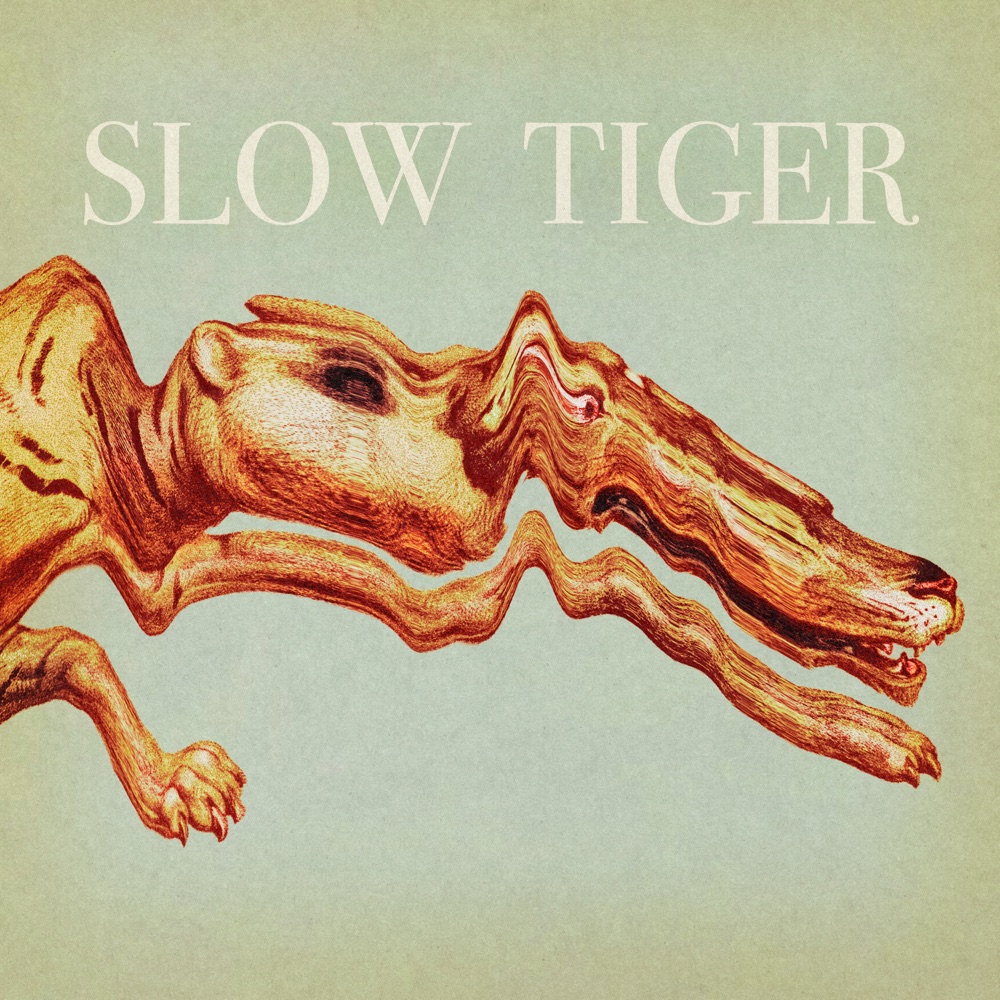
Nine tracks and four composers on a quintet debut built around an organ and two horns. The flow is faultless, and at times you can’t tell whose piece you’re hearing.
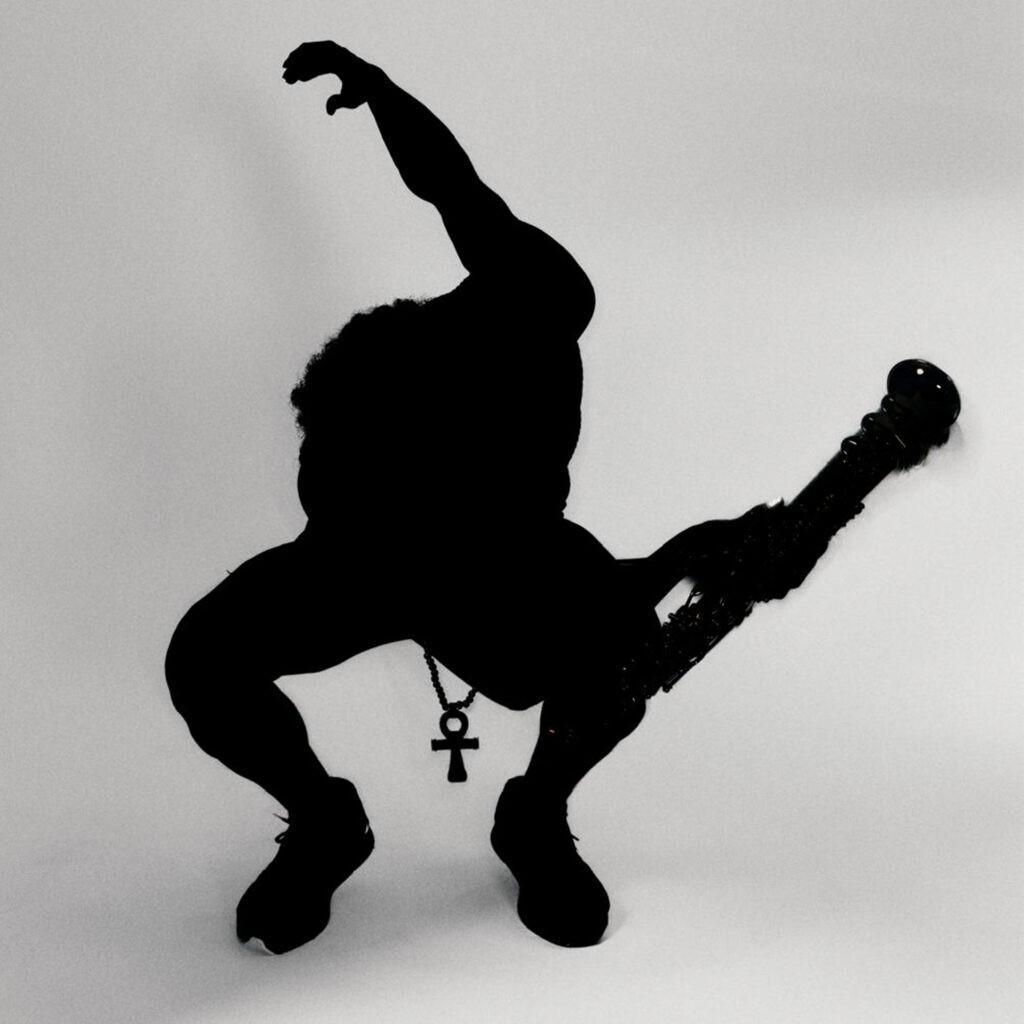
The second advance from the debut album Brownswood has lined up for this last quarter. Payton plays trumpet, keys and sings; Charles sings and plays flute.
Fifteen pieces in forty-nine minutes: Benoît Delbecq’s French-Italian quartet returns with a record that sounds like the soundtrack to a film that doesn’t exist.
A session from 20 May 1996 that drummer Lou Grassi forgot about and that resurfaced in 2023. Sixty-seven minutes with William Parker at the top of his game.
Gravity Fields, an instrumental Barcelona project blending jazz, progressive rock and electronics.
Ethic Labs, a Barcelona experimental jazz-fusion quintet with elements of Indian classical music.
Fusion Code, a Barcelona jazz fusion quintet with reference points such as Chick Corea, Pat Metheny and Marcus Miller.
Fireplace, a Catalan project fusing jazz, folk and progressive rock, formed in 2017.
Thundercat, a virtuoso bassist from Los Angeles who fuses funk, jazz and electronica.
Freddie Hubbard, an essential trumpeter of hard bop and 1970s jazz fusion.
The Eleventh House, the jazz fusion band led by guitarist Larry Coryell.
Larry Coryell, a pioneering jazz fusion guitarist, often called the “godfather” of the genre.
Herbie Hancock, one of the great pianists of modern jazz and a jazz-funk pioneer with Head Hunters.
Tony Williams Lifetime, the pioneering jazz fusion band founded by Miles Davis’s drummer.
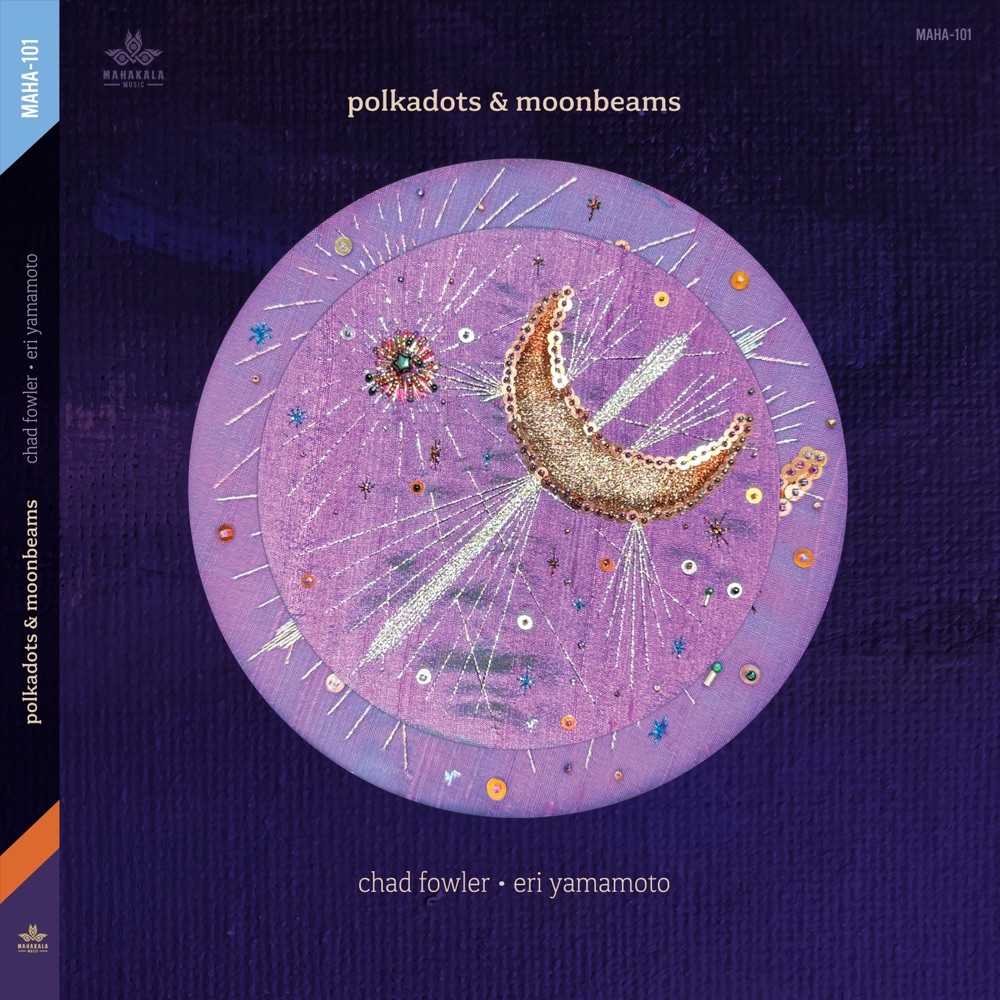
An elegy for Fowler’s father, the song played at his wedding, and six improvisations taped in one Brooklyn afternoon with nothing said beforehand. A duo that listens hard.
Bloque, the Cantabrian progressive rock and jazz-rock band with flamenco influences.
Alameda, the Seville band of Andalusian rock and jazz-rock in the 1970s.
Readers' survey
Rate up to 150 progressive rock, metal and jazz-fusion bands and get your personal ranking -- plus the Tótum readers' overall one.
I want to vote →