
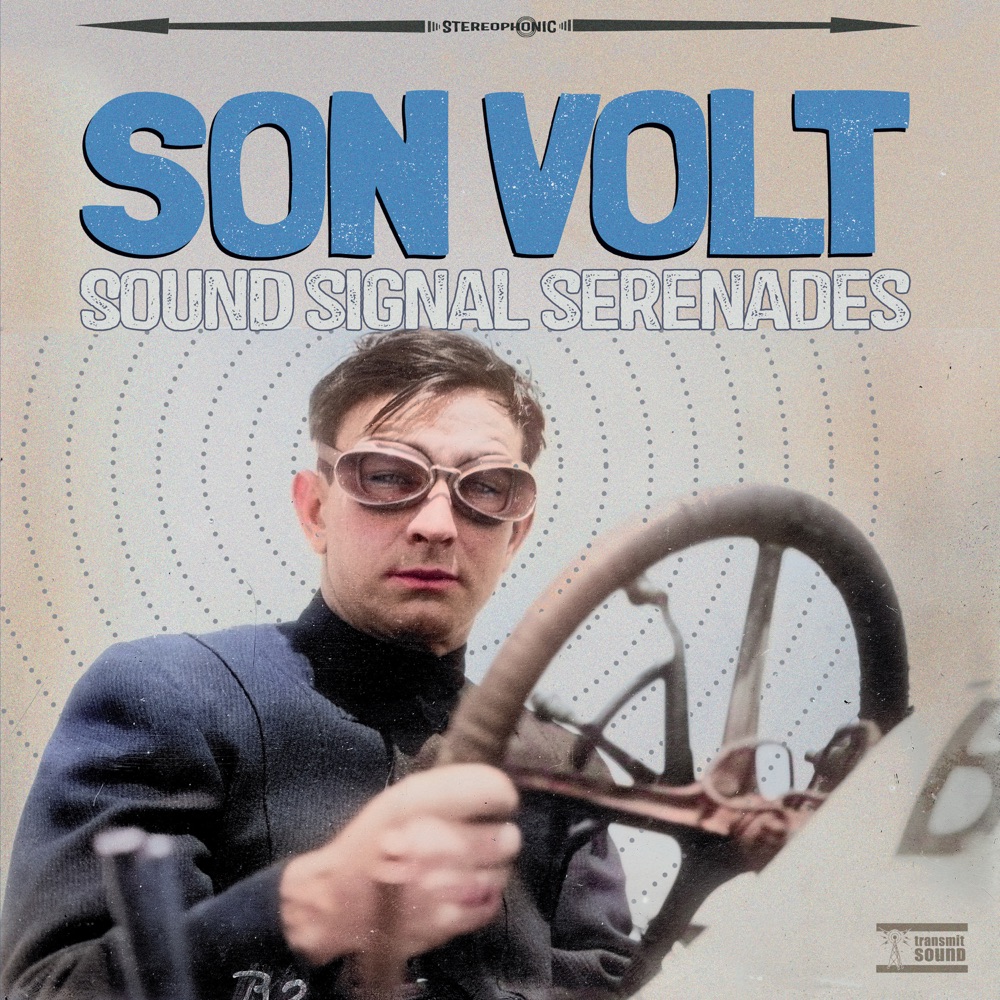
Son Volt – Sound Signal Serenades
Twelve songs in forty minutes: Son Volt’s first album of new material since “Electro Melodier” (2021) puts its variety in the arrangements rather than in the songs.
Twelve songs in forty minutes: Son Volt’s first album of new material since “Electro Melodier” (2021) puts its variety in the arrangements rather than in the songs.
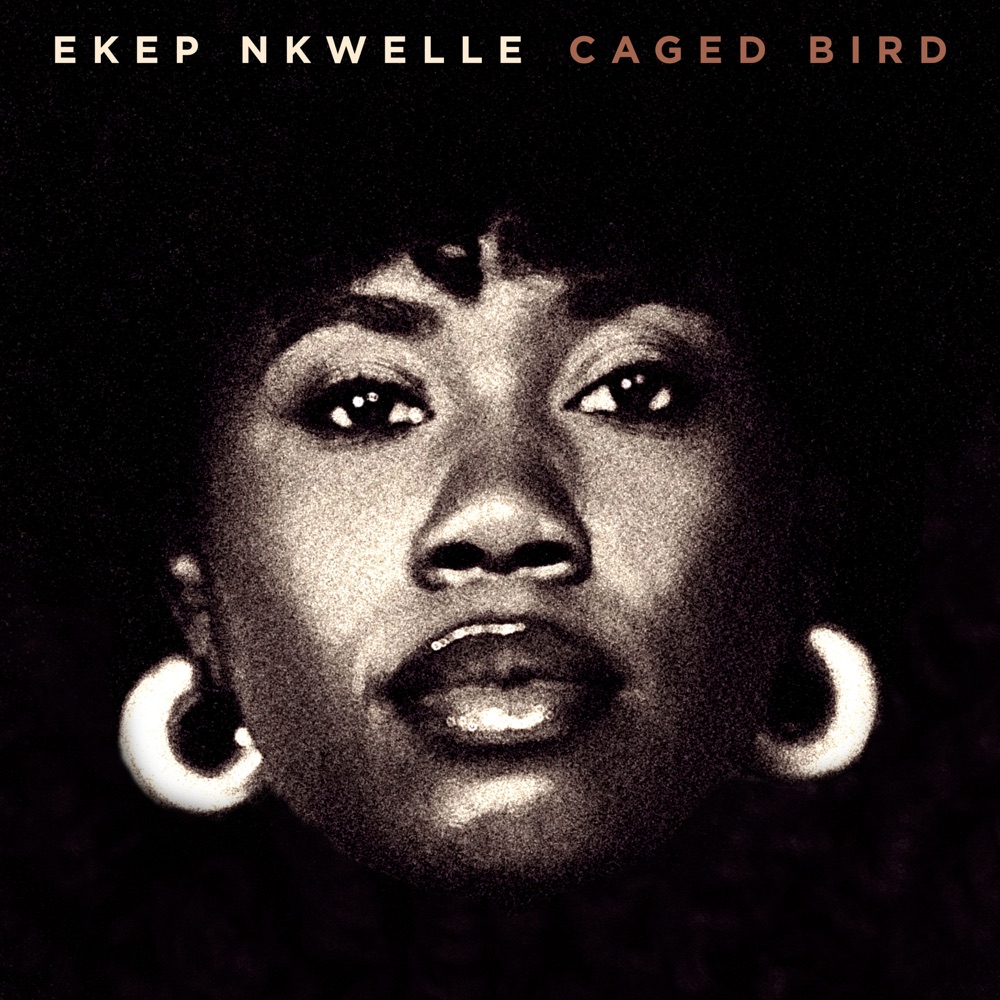
The Washington singer’s first album opens on a gospel hymn and is built on other people’s repertoire, from Abbey Lincoln to Pharoah Sanders, with two different pianists.
Seventy-four minutes across seven tracks: the seventh album by Basque band Altarage is the longest of their career and the first to use drone as building material rather than effect.
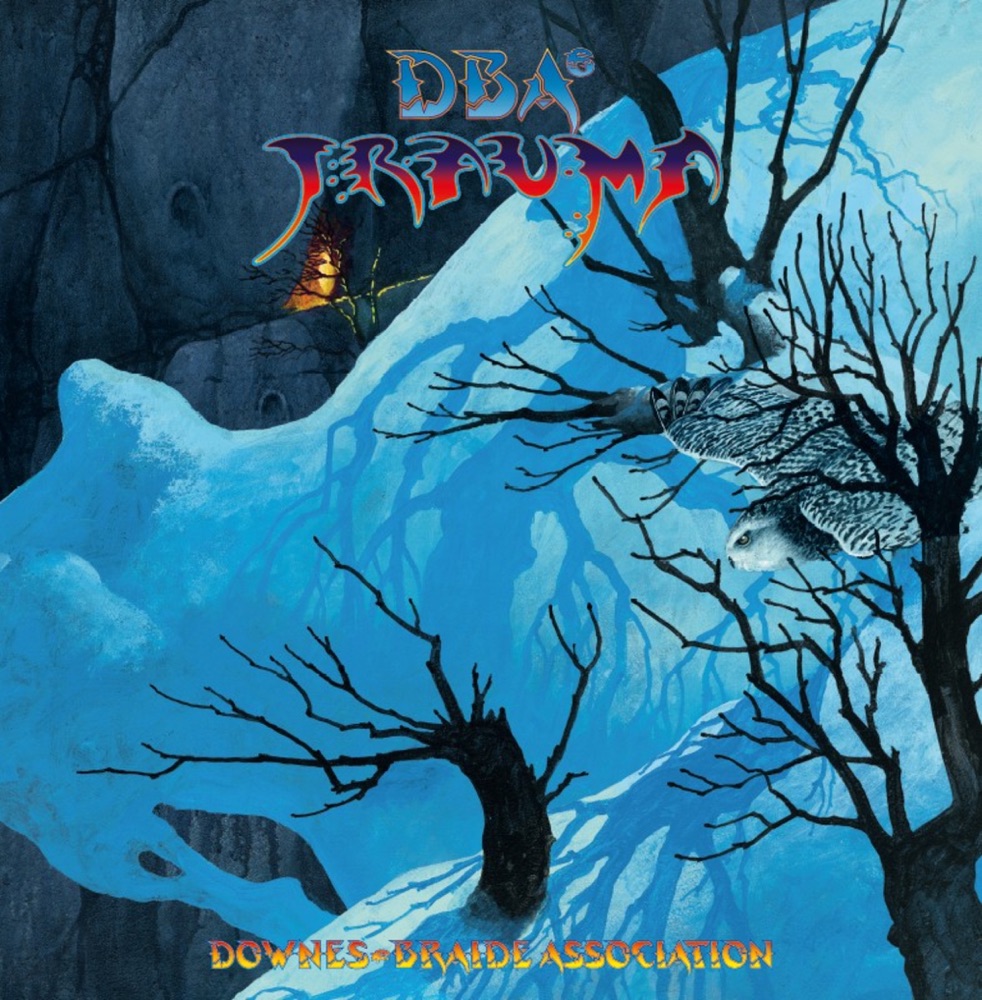
Downes Braide Association’s sixth album lands three years after “Celestial Songs”, with Marc Almond on “Juliet” and David Longdon’s flute from the 2018 sessions: ten tracks and one long piece.
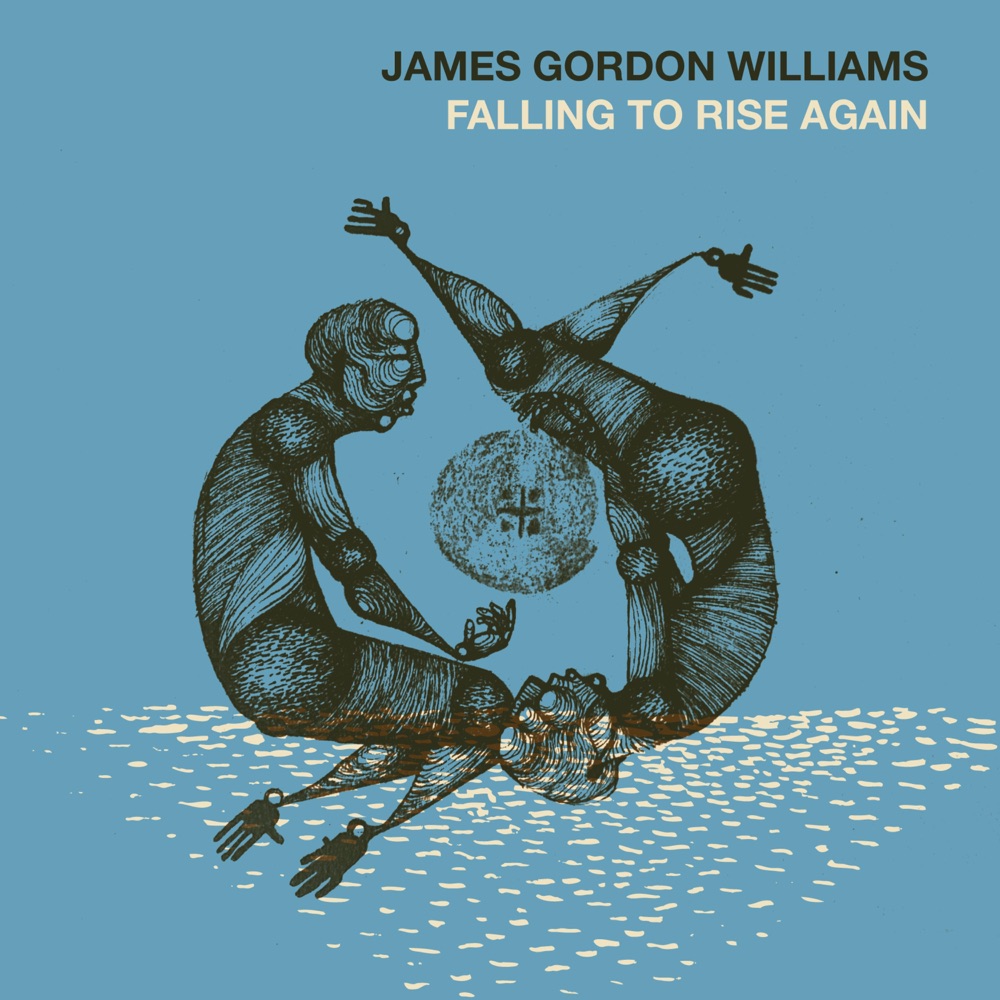
The pianist and theorist returns twenty-two years after his first album, with Terri Lyne Carrington co-producing and drumming: eight pieces cut over two days in January 2024.
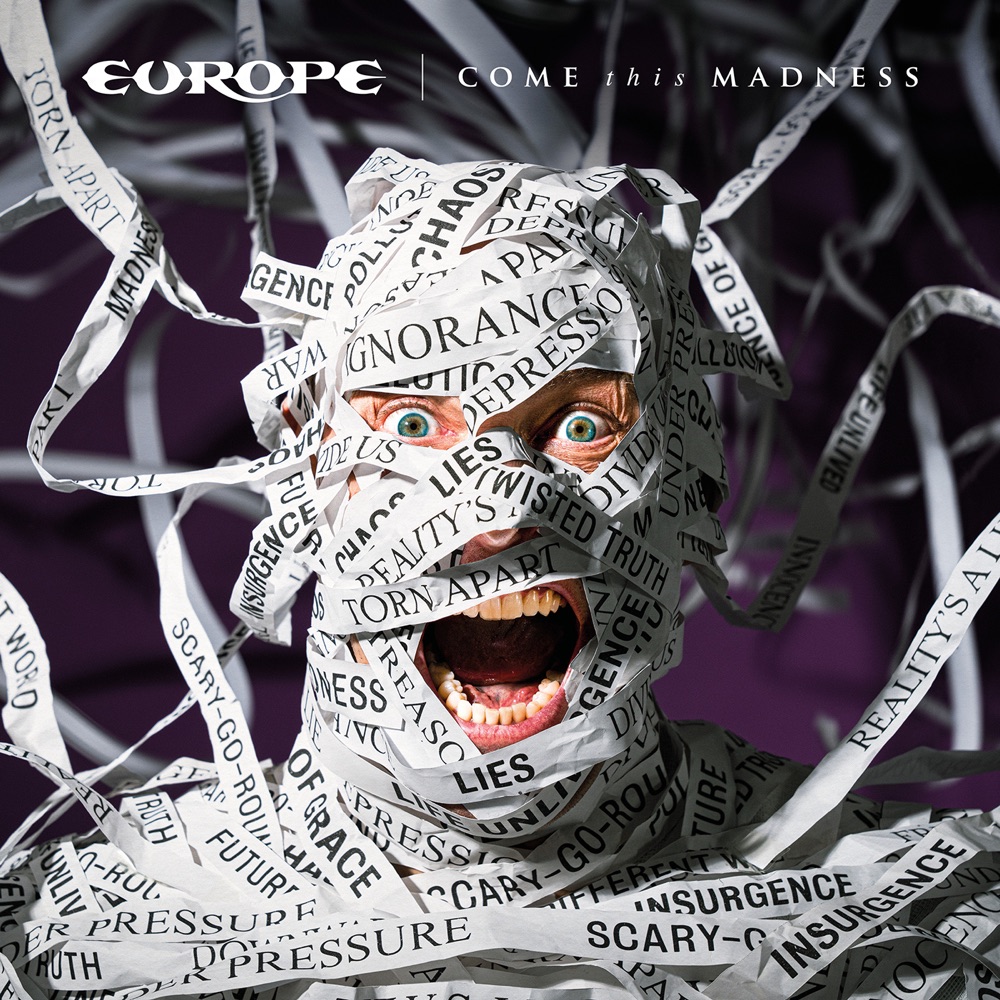
Europe’s twelfth album lands nine years after Walk the Earth, produced by Tom Dalgety and mixed by Mike Fraser: eleven tracks, forty-one minutes, nothing over five.
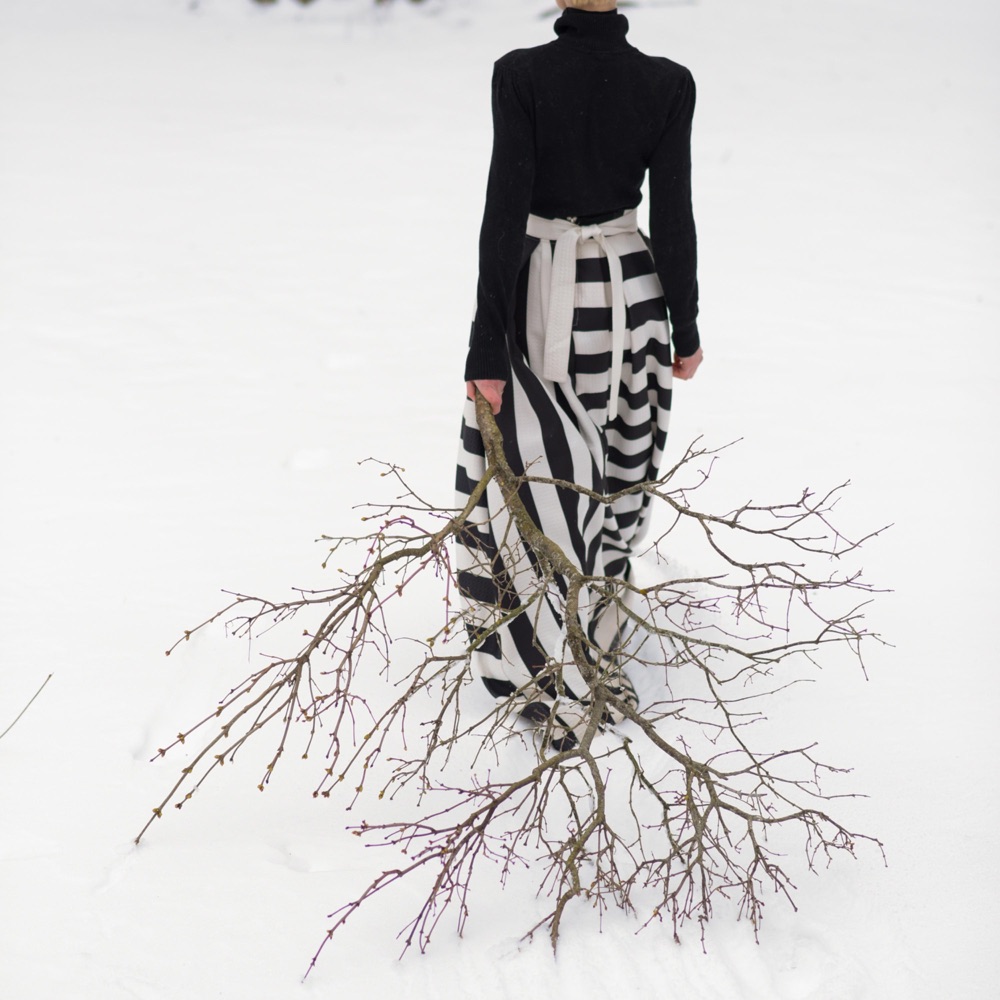
Voice and piano and eight songs by other people, from Stevie Wonder to Monk: D’Angelo and Rick Roe turn in thirty-six minutes at a single temperature, and the title invites an awkward comparison.
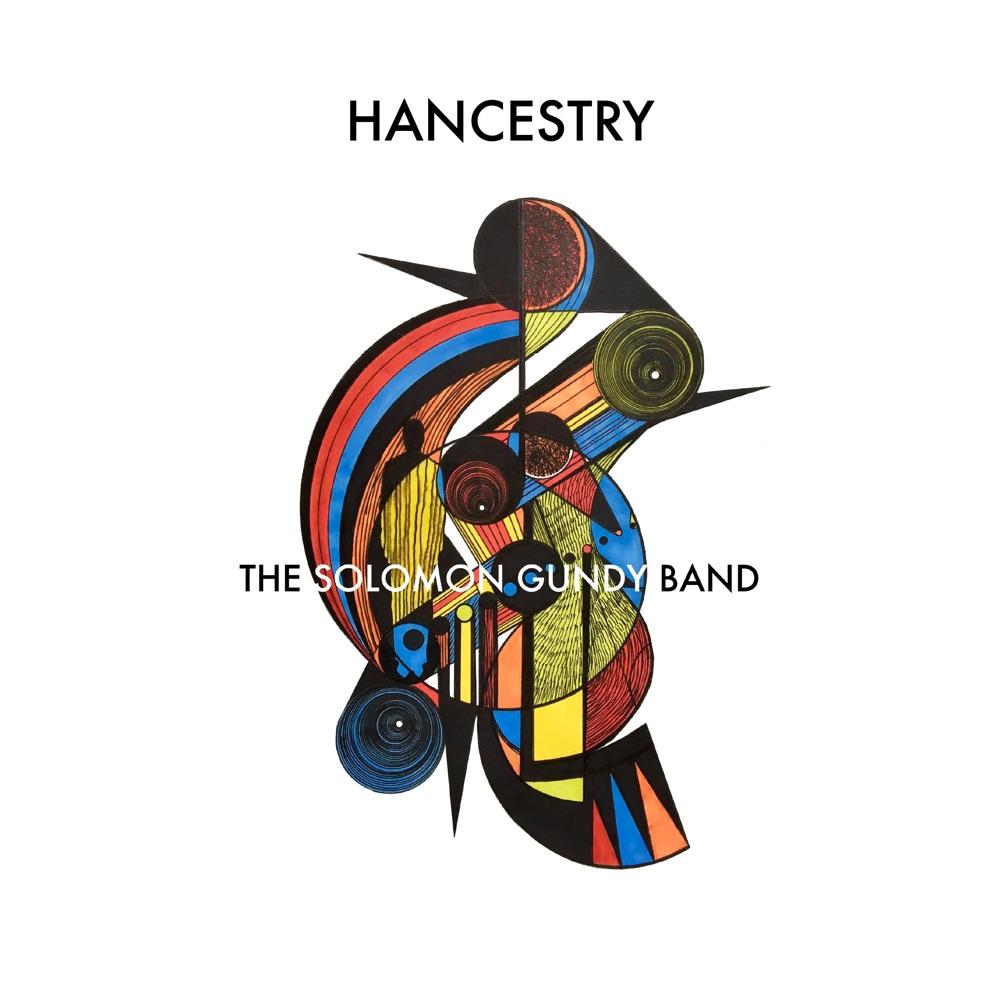
Trumpeter Sean Corby’s debut pulls diaspora jazz, sound system and improvisation into nine tracks, with Courtney Pine and Julie Dexter guesting and Ashley Slater on the mix.

The Argentinian guitarist settled in Graz writes eight pieces for large ensemble and invites Klaus Gesing onto three. Challenge Records releases a record of rich harmony and constant temperature.

The Australian guitarist’s second album arrives five years after Parkside with the same quartet: eight pieces and forty-six minutes where the line often gives way to atmosphere.
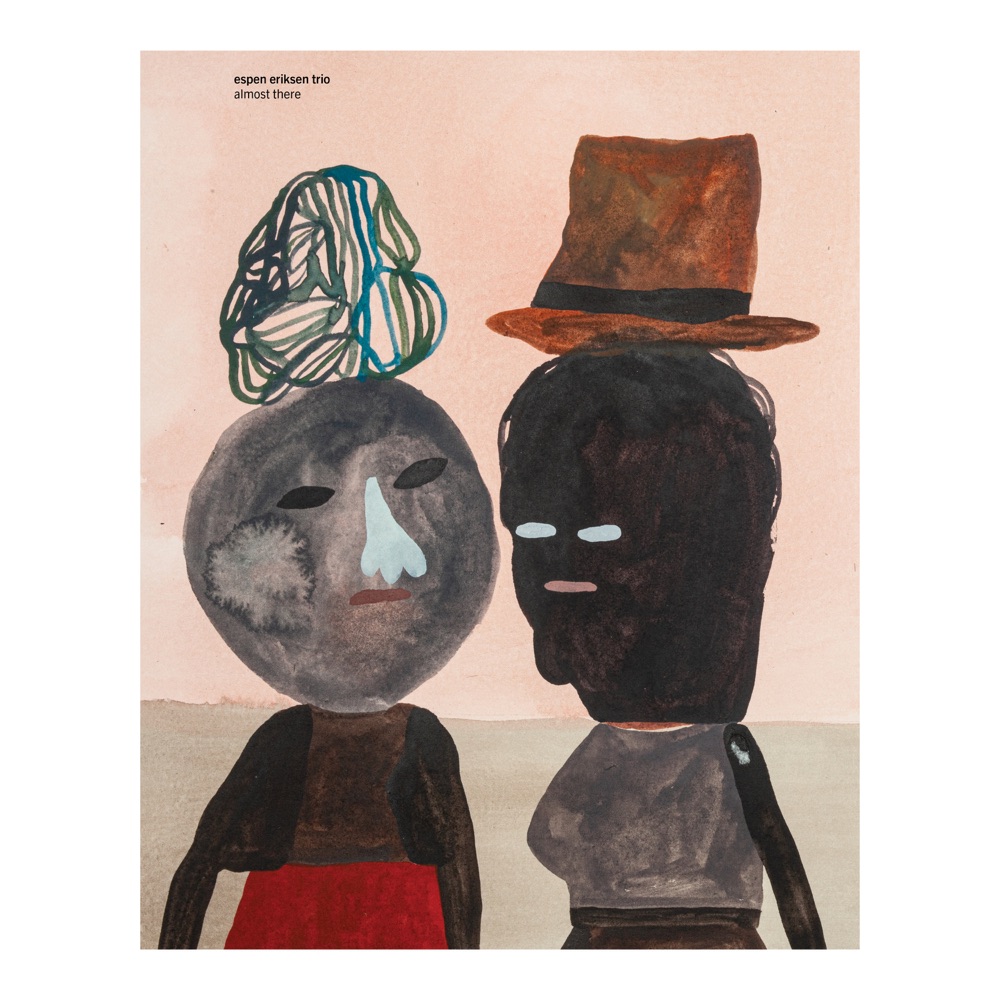
The Norwegian trio records on its own for the first time since 2020, without Andy Sheppard’s saxophone: eight songs, thirty-five minutes and no track longer than 5:03.
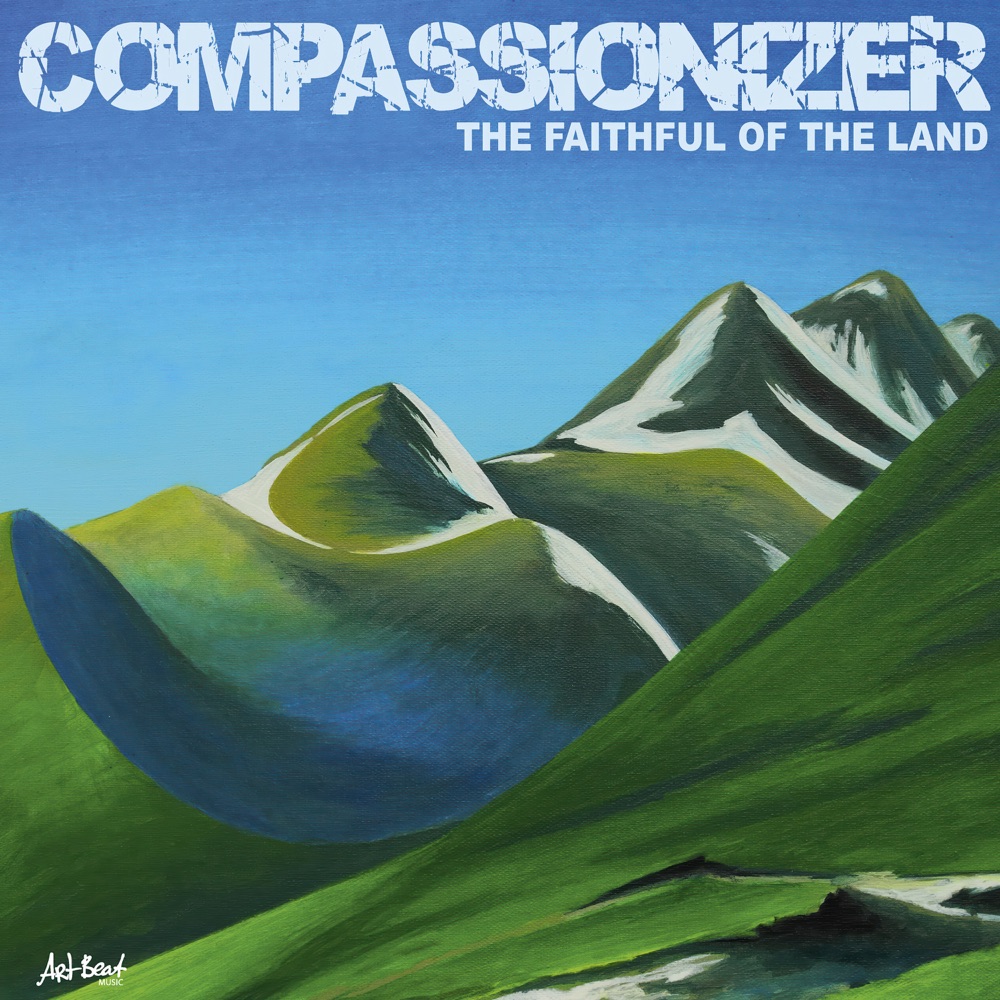
The fifth album by Ivan Rozmainsky’s project arrives with one large change: a lead voice, Slovenian singer Sabina Vostner, in a chamber avant-prog that has always lived on its instrumentation.
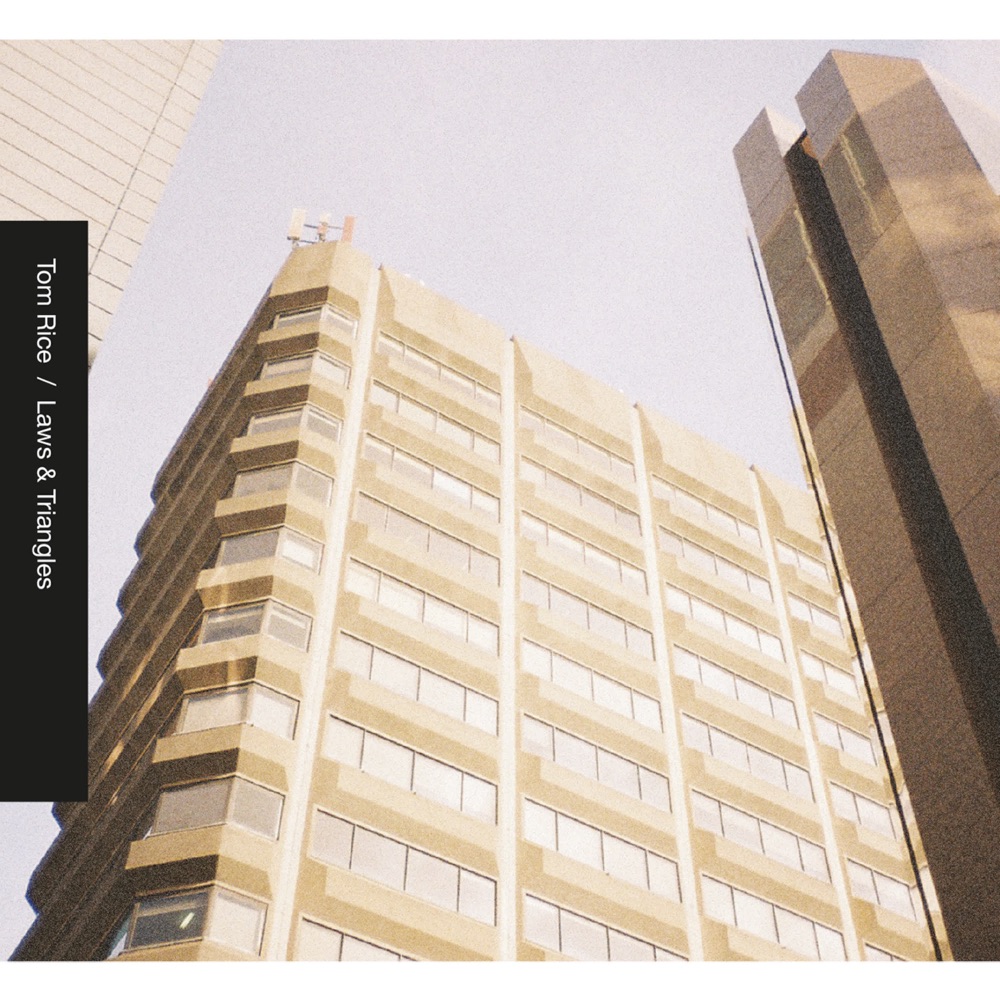
Four tracks and twenty-three minutes of instrumental prog metal written from behind the kit. The first solo EP by the drummer of Konom, who covered for Dave Lombardo in Empire State Bastard.
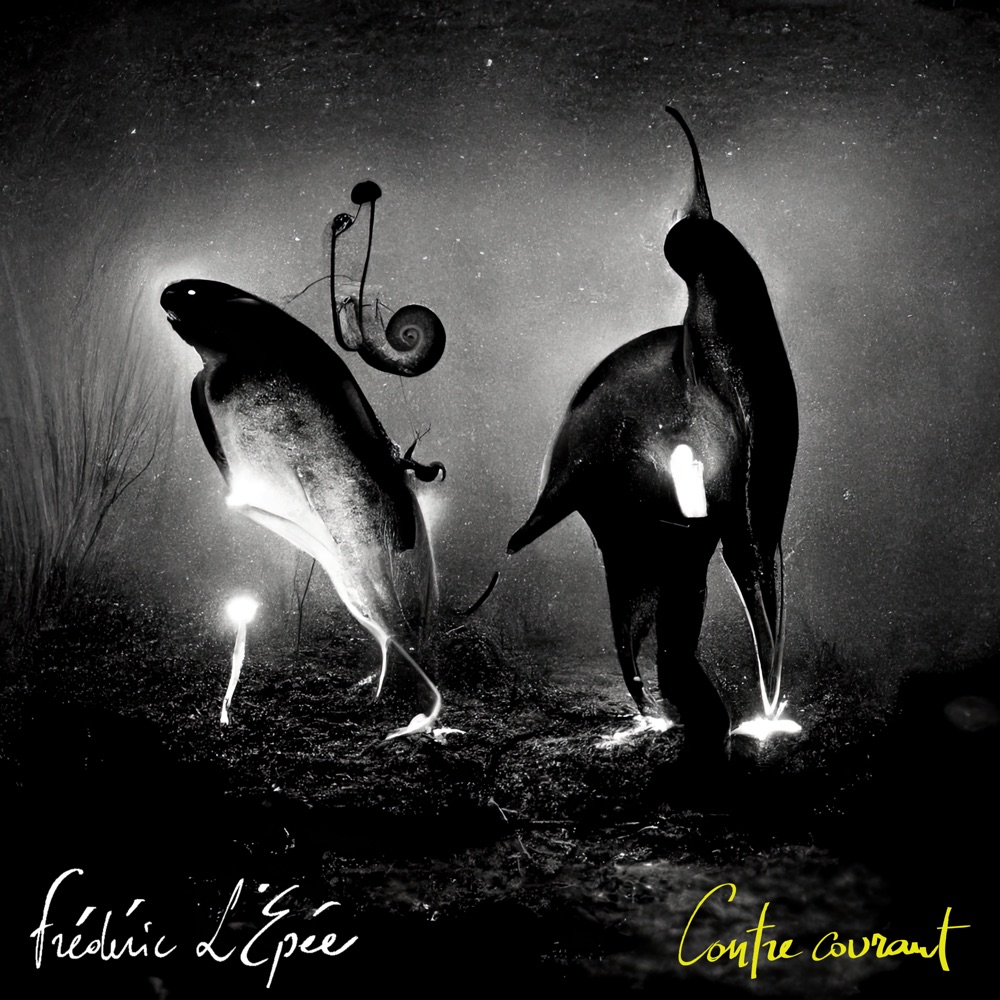
Fifteen pieces for solo electric guitar, no drums and no voice, which L’Epée presents as a therapeutic act. Cuneiform releases the recital that follows “12 pieces for solo electric guitar”, from 2023.
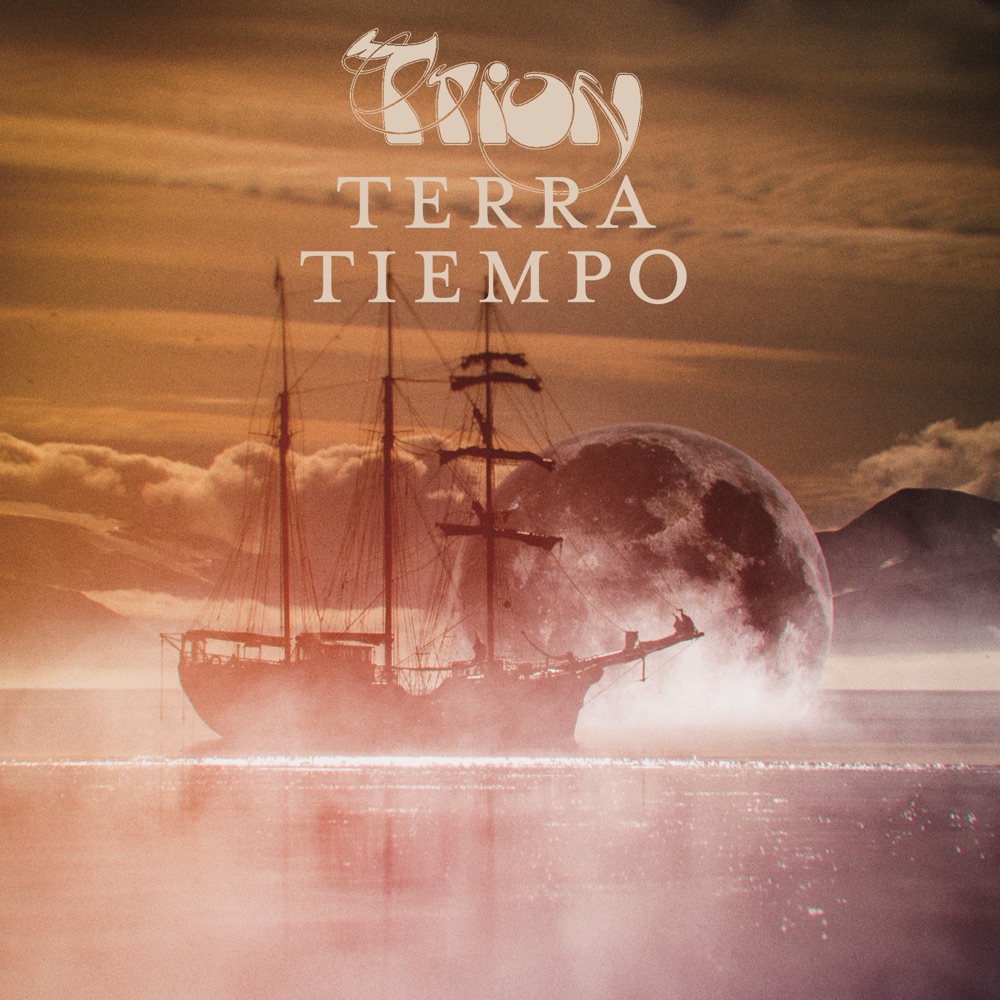
The Dutch trio with the Mellotron in its name returns thirteen years after Funfair Fantasy: twelve tracks, sixty minutes and only two songs with vocals, sung by the drummer.
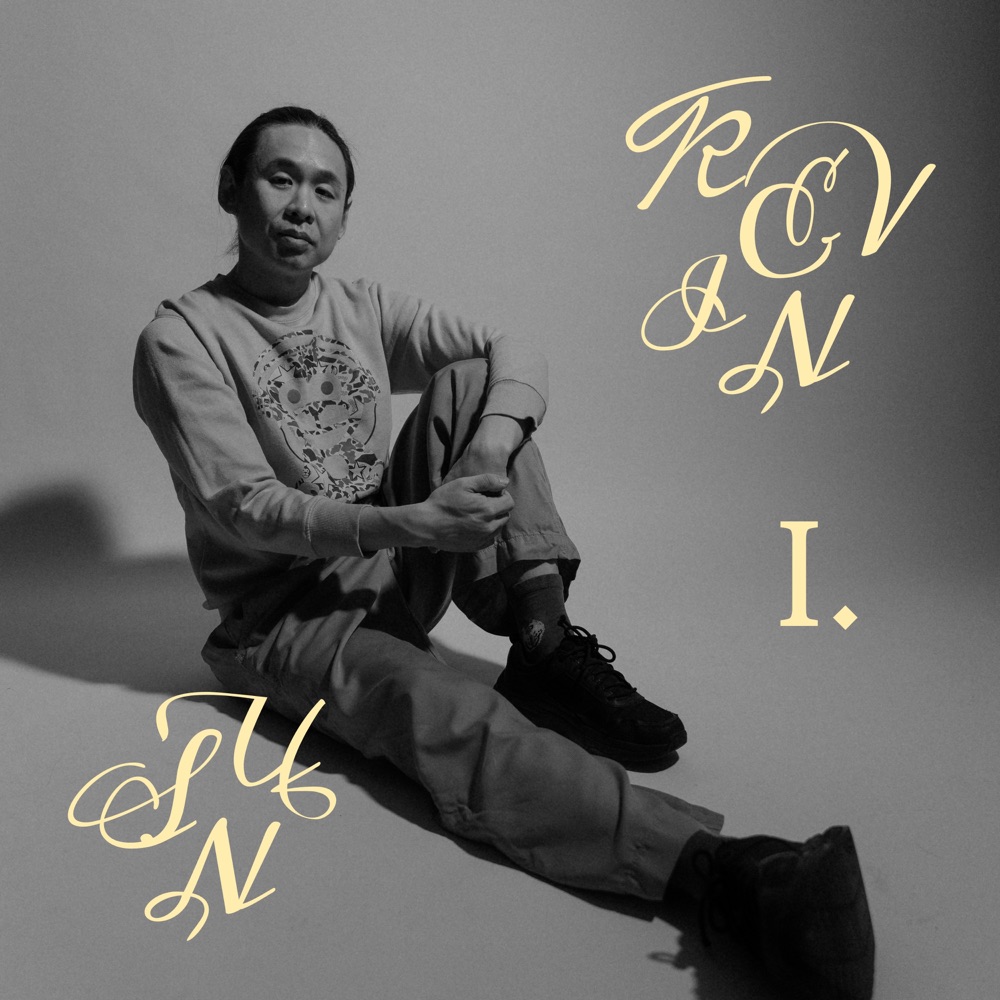
Eight quartet tracks with a Coltrane “Countdown” taken apart in post-production and covers of Sakamoto and a Dark Souls soundtrack. The saxophonist releases two volumes on the same day.
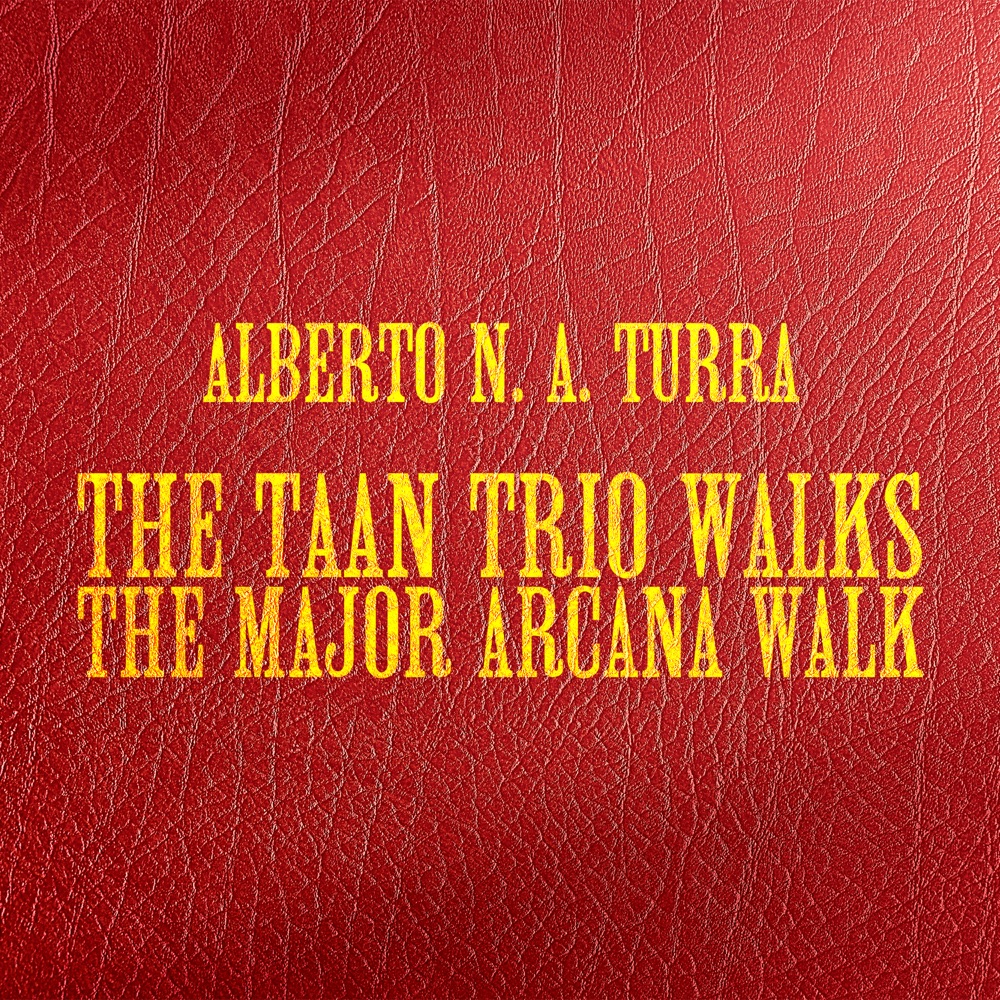
Twenty-two pieces for the twenty-two Major Arcana of the tarot, in their order: the Milanese guitarist releases an hour and a half of music for trio and strings on Ropeadope SUR.
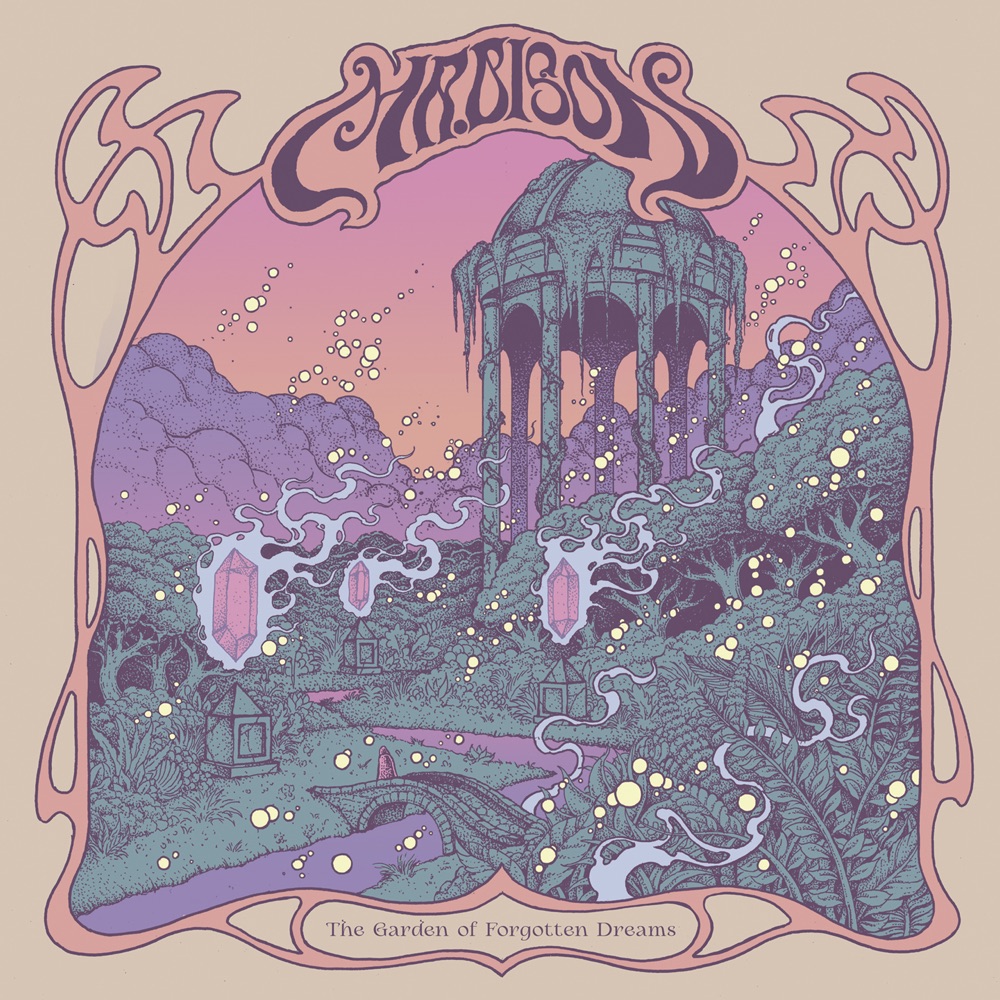
Eight tracks of Tuscan heavy psych and prog, mixed in Berlin by Richard Behrens: a concept album about the garden as refuge that opens up fully at track three.
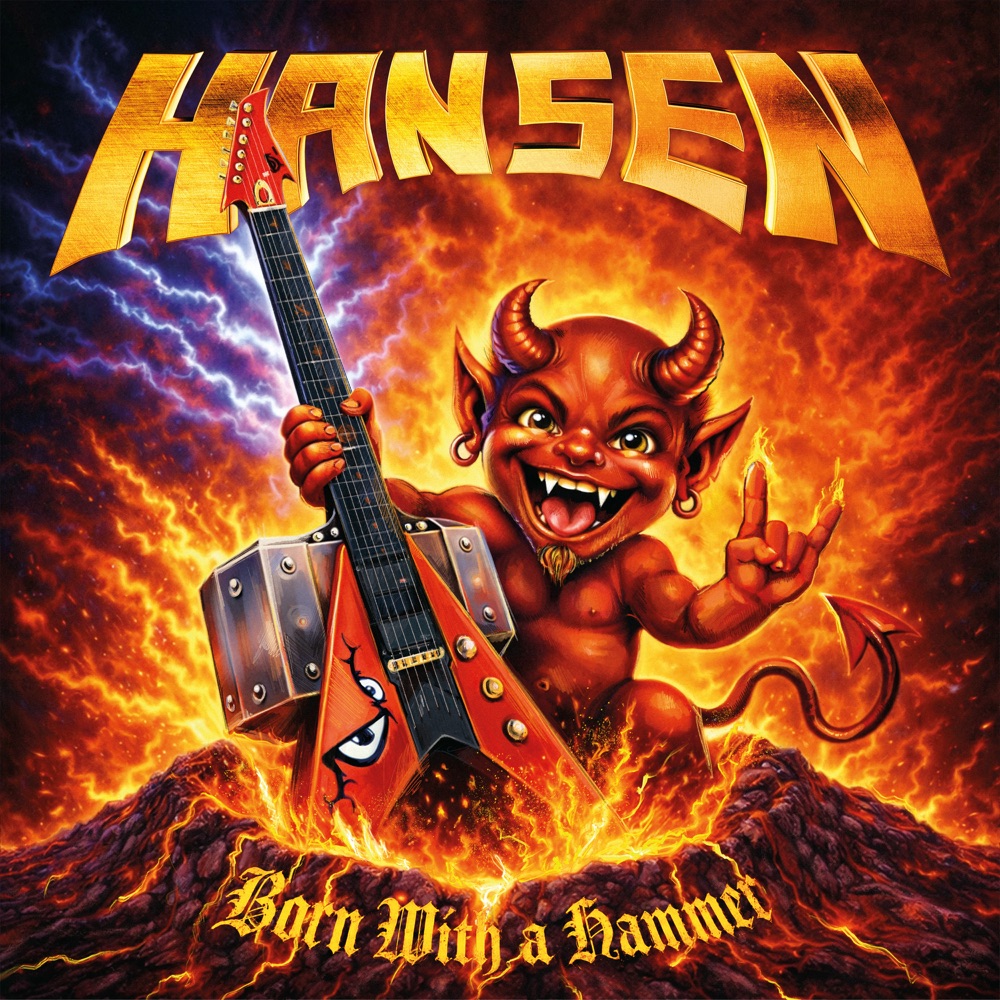
Kai Hansen’s second solo studio album, ten years after the first, with players from Carcass and Heaven Shall Burn and an eight-minute piece at the centre.

A fourth album from the Kansas City bassist and singer, with Luther Dickinson guesting and a Tony Braunagel production that suggests rather than underlines.
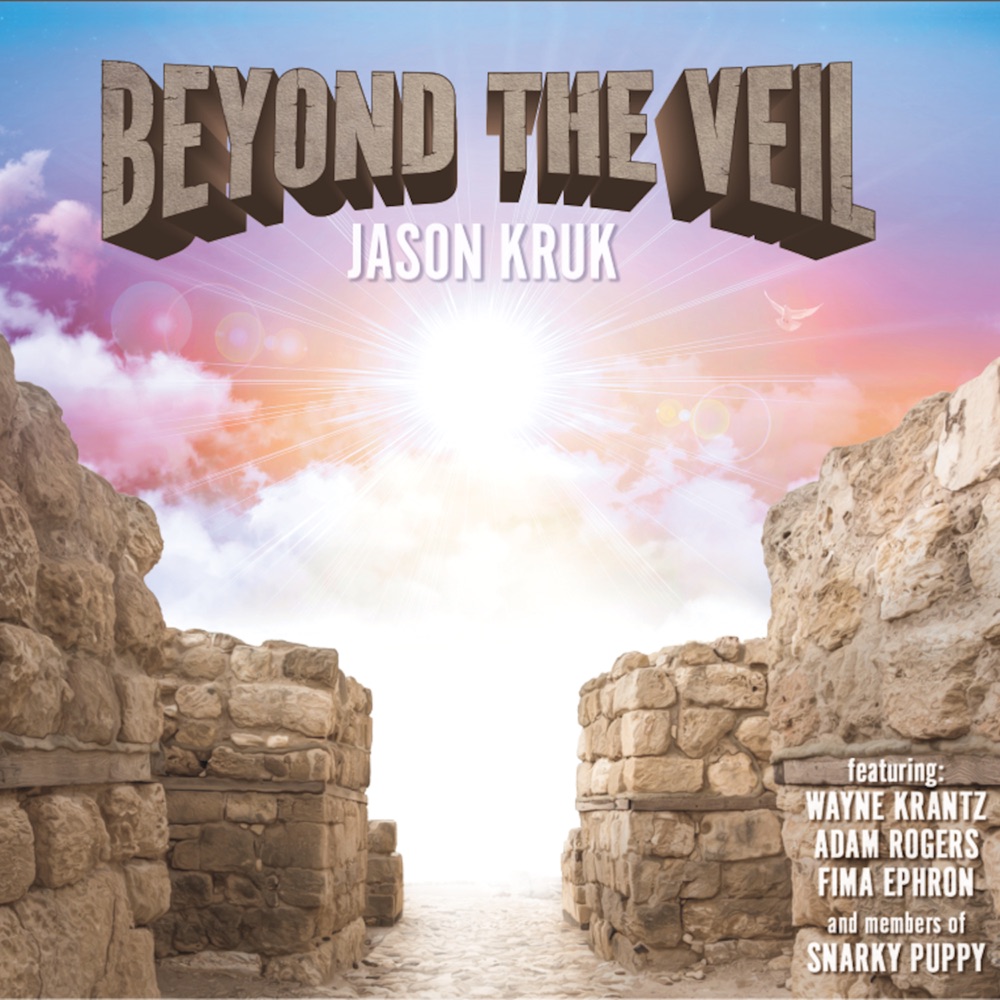
Twelve tracks with Wayne Krantz, Adam Rogers and Michael League parcelled out one guest per cut: drummer Jason Kruk’s second album in seventeen years, and twenty-three minutes too long.
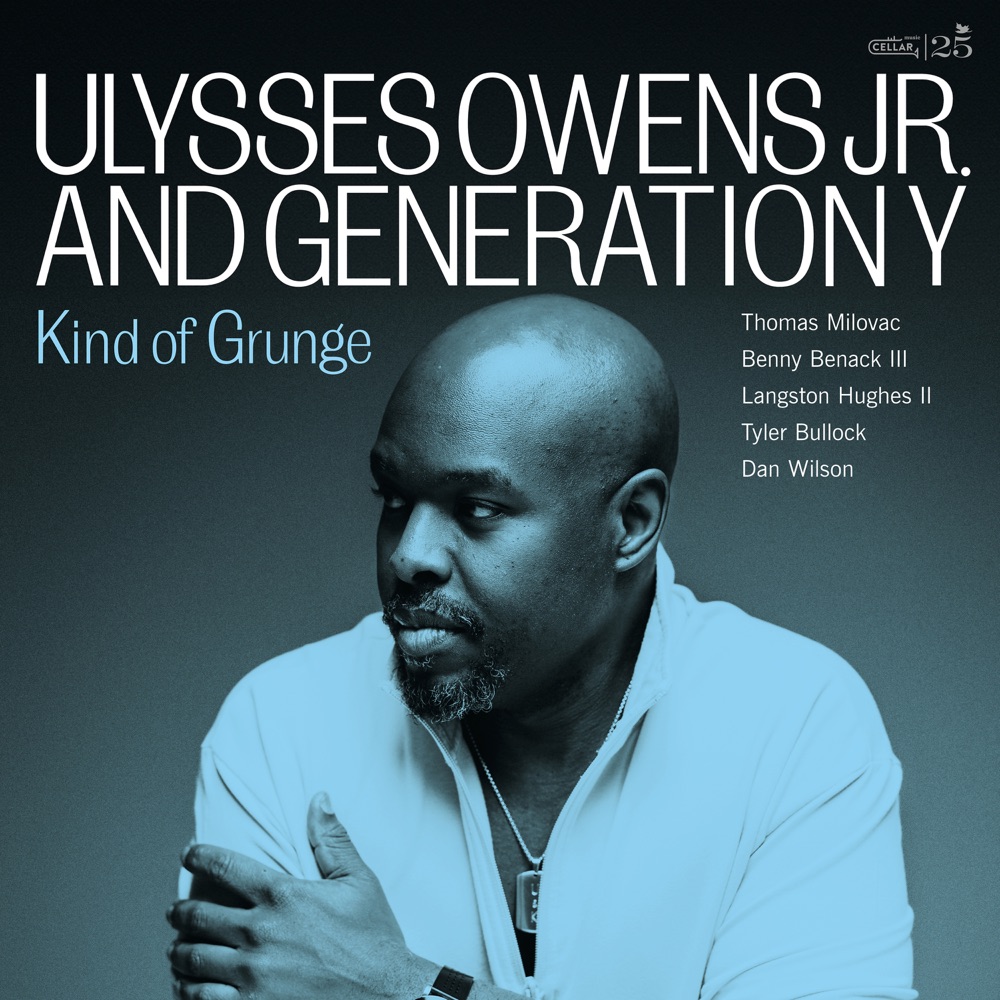
Twelve Seattle grunge songs arranged for a hard bop sextet, with a closer that isn’t grunge at all: the Lead Belly tune Nirvana made famous on Unplugged.
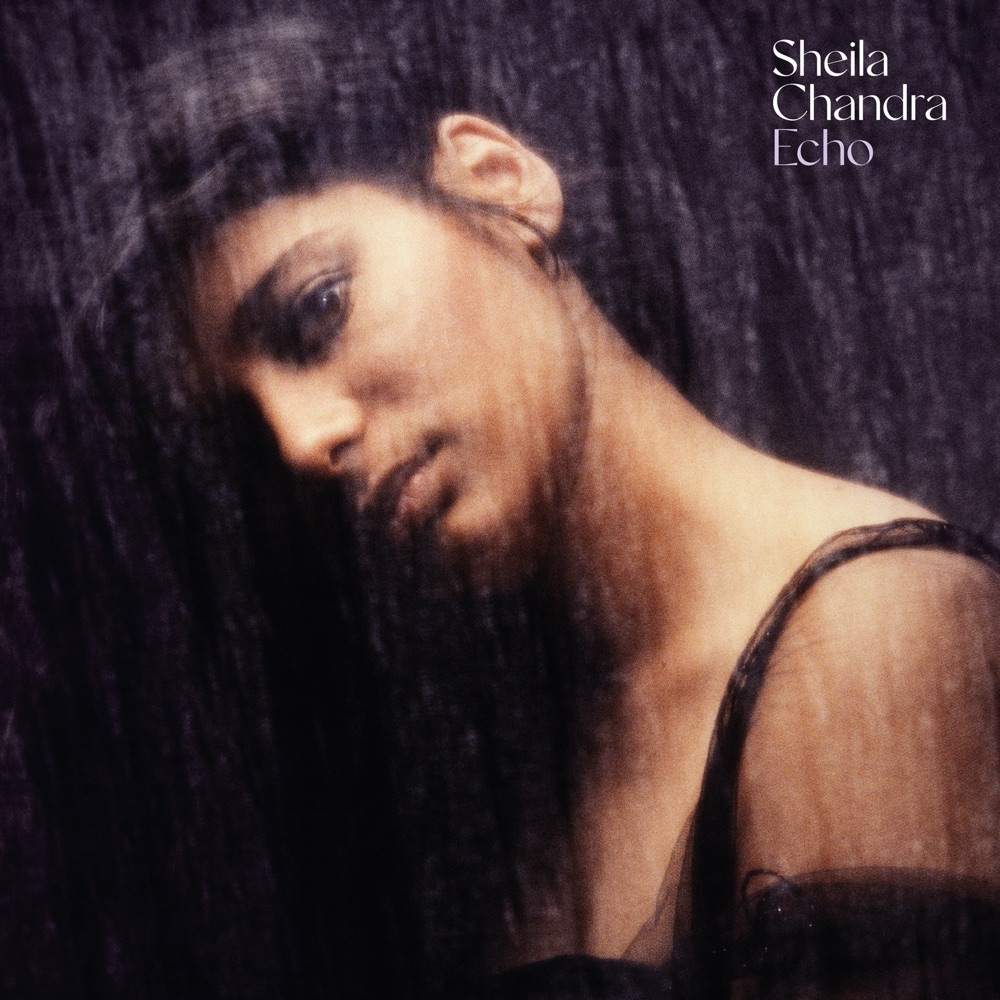
Sixteen live and session takes, every one of them a single take, which Chandra presents as her final album fifteen years after losing her voice.
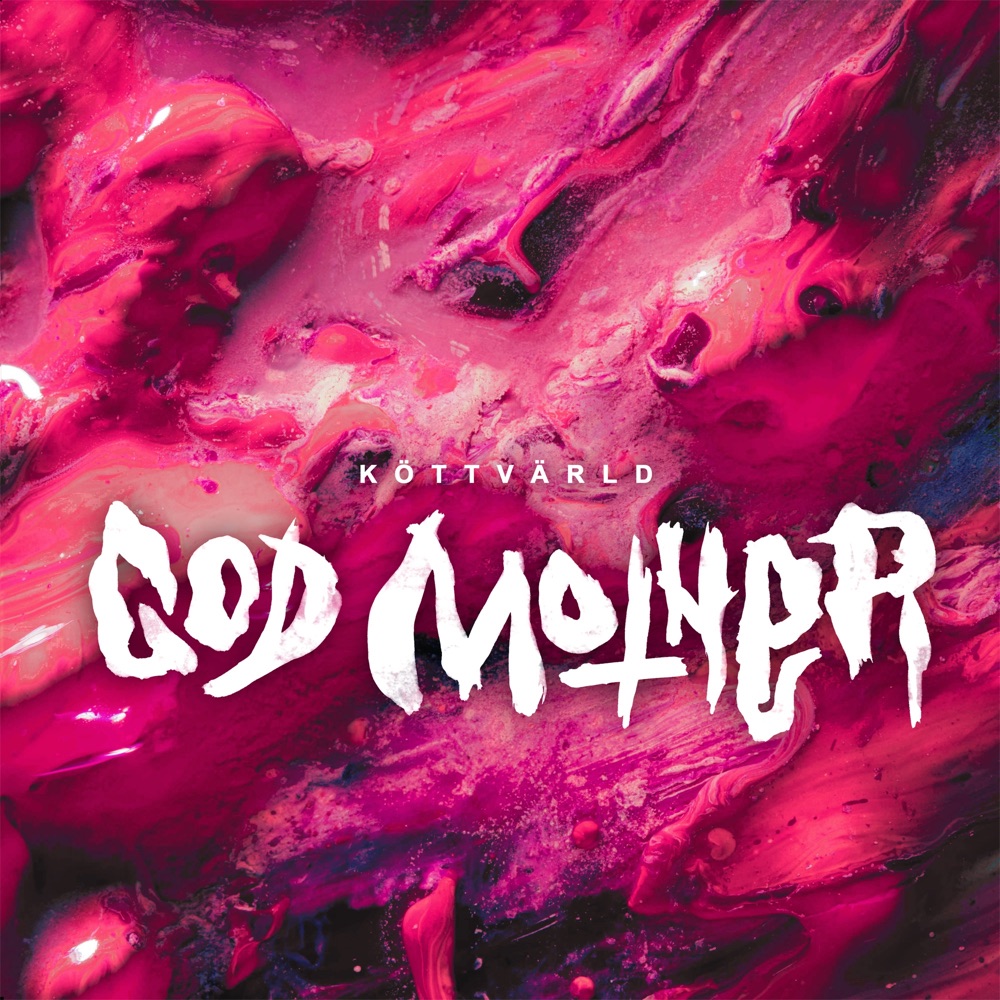
Twenty-five minutes and twelve tracks: the Swedes go back to the grindcore of their first records and fold in mathcore, sludge and a saxophone at the end.
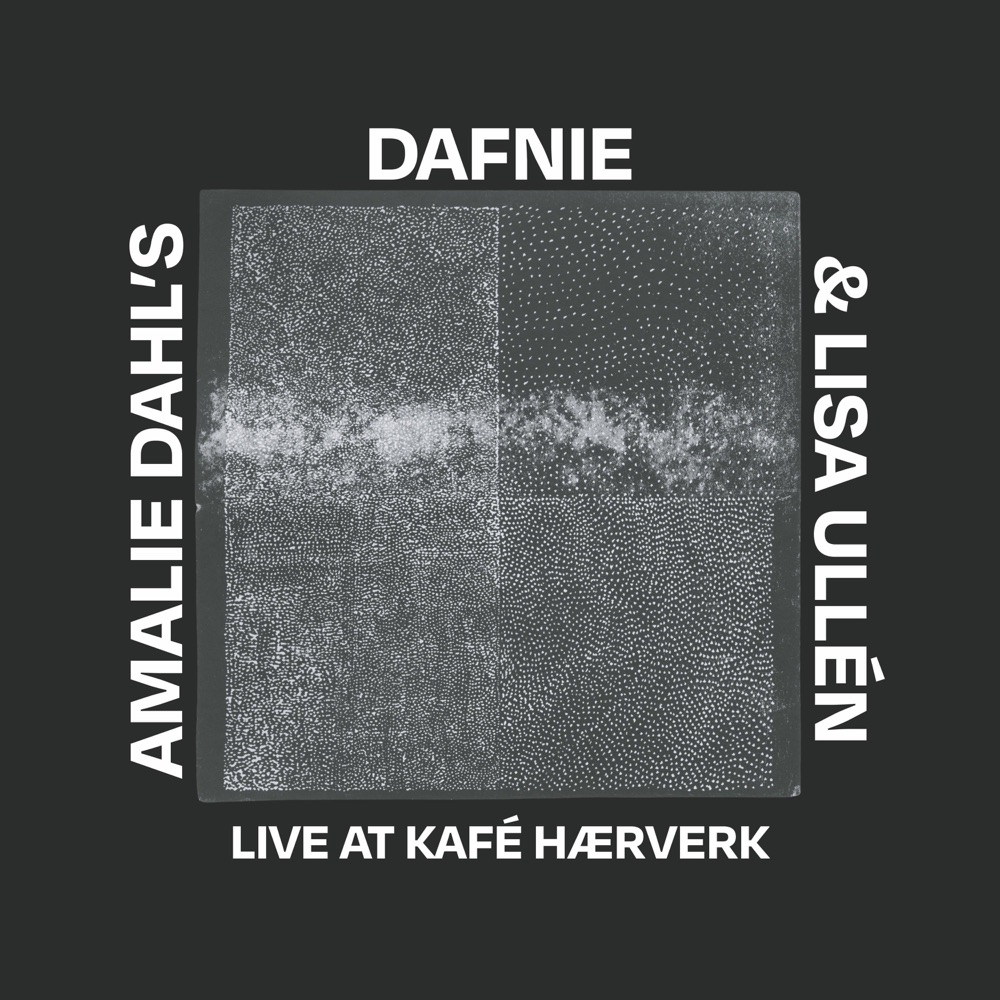
Forty-two minutes across four tracks, recorded in an Oslo club: saxophonist Amalie Dahl’s band with Swedish pianist Lisa Ullén guesting.
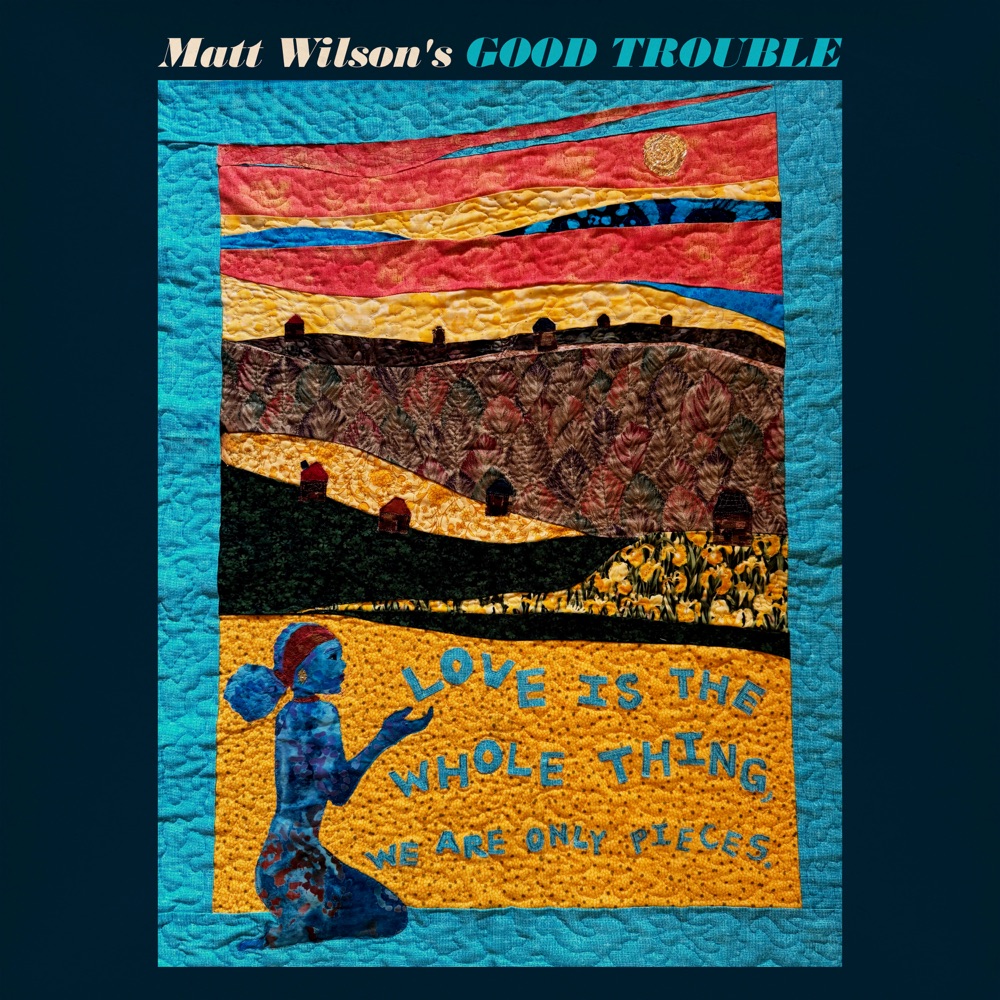
Drummer Matt Wilson’s sextet returns two years on with ten tracks that run from Andrew Hill to Tom Petty to Bacharach, and a choir of family singing the title.
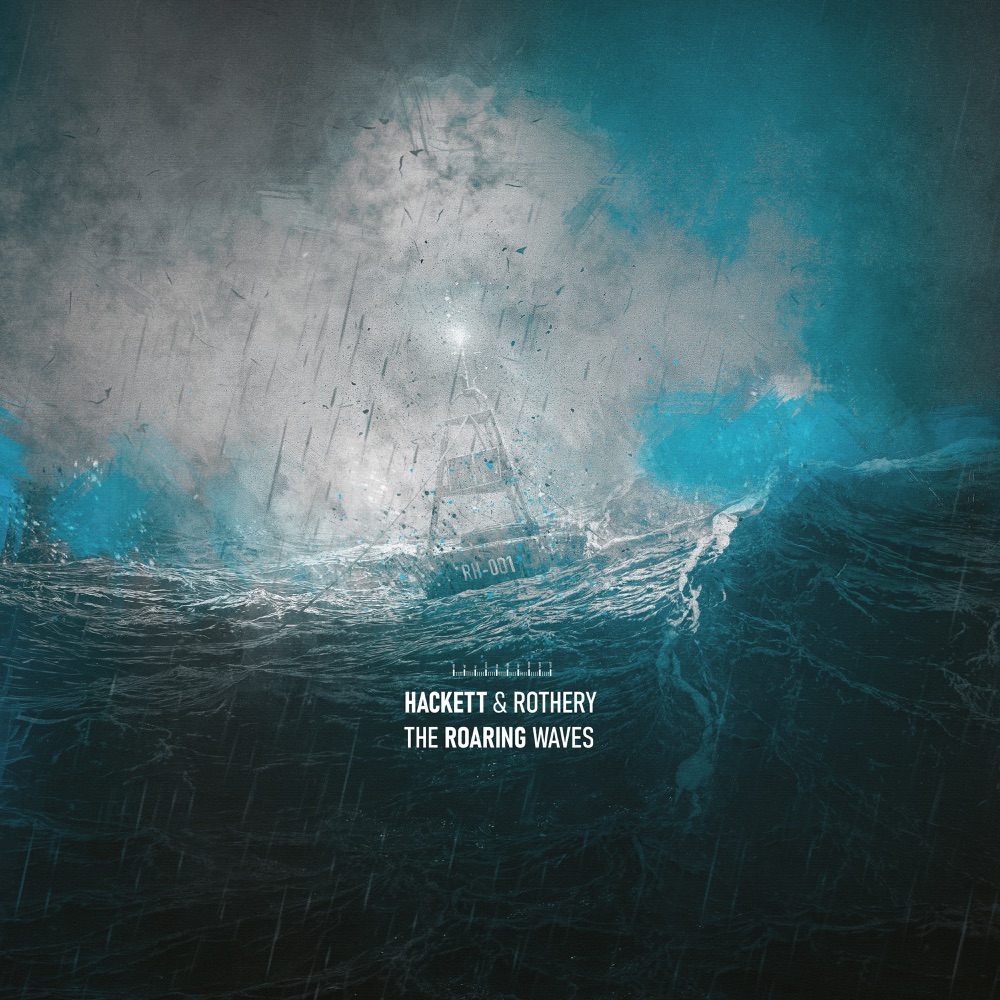
Eight years of work for the first joint album by the Genesis guitarist and the Marillion one: seven instrumental pieces about the sea, with a Soviet submarine in the middle.
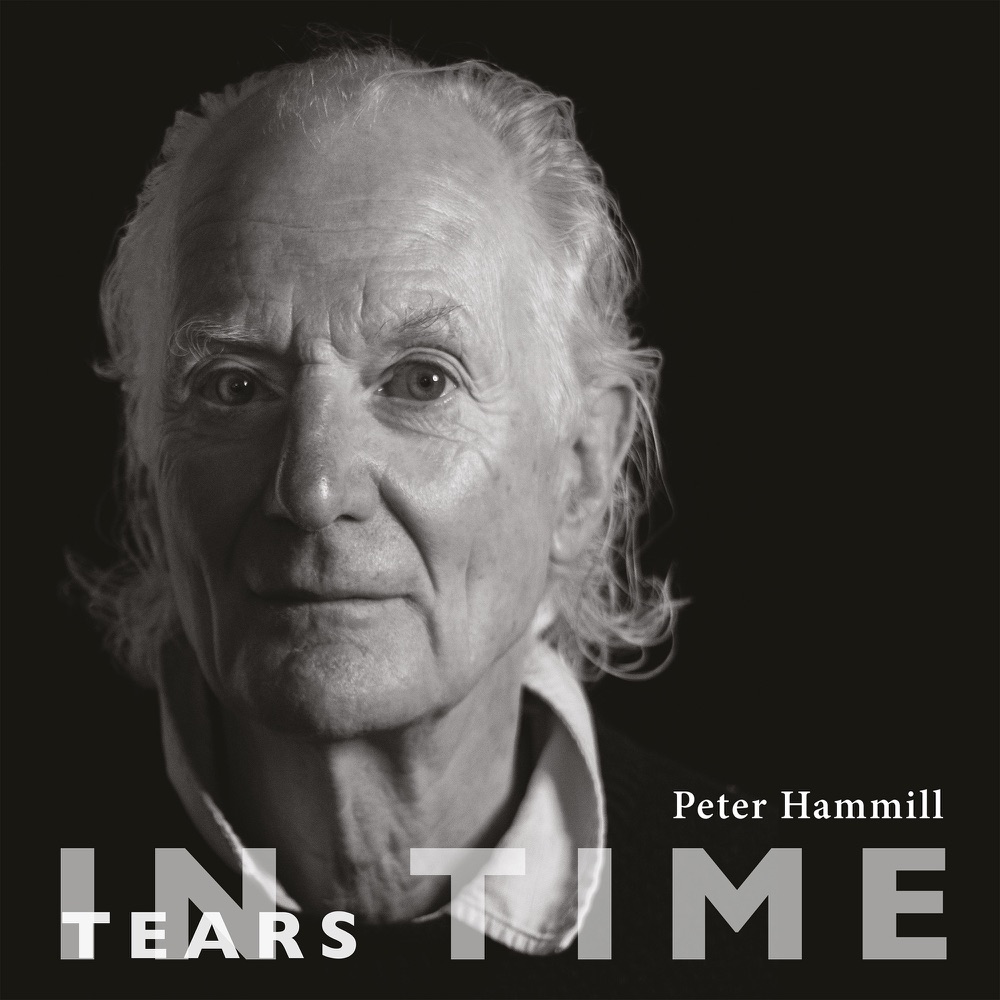
Eleven songs gathered from recordings made between 1991 and 2026 and reworked now. The album closes with a two-and-a-half-minute elegy for his dog.
Everything you hear on this record comes out of one cello, processed until it doesn’t sound like one. Made in Banyuls-sur-Mer, with Matt Elliott singing and a closing track titled in Catalan.
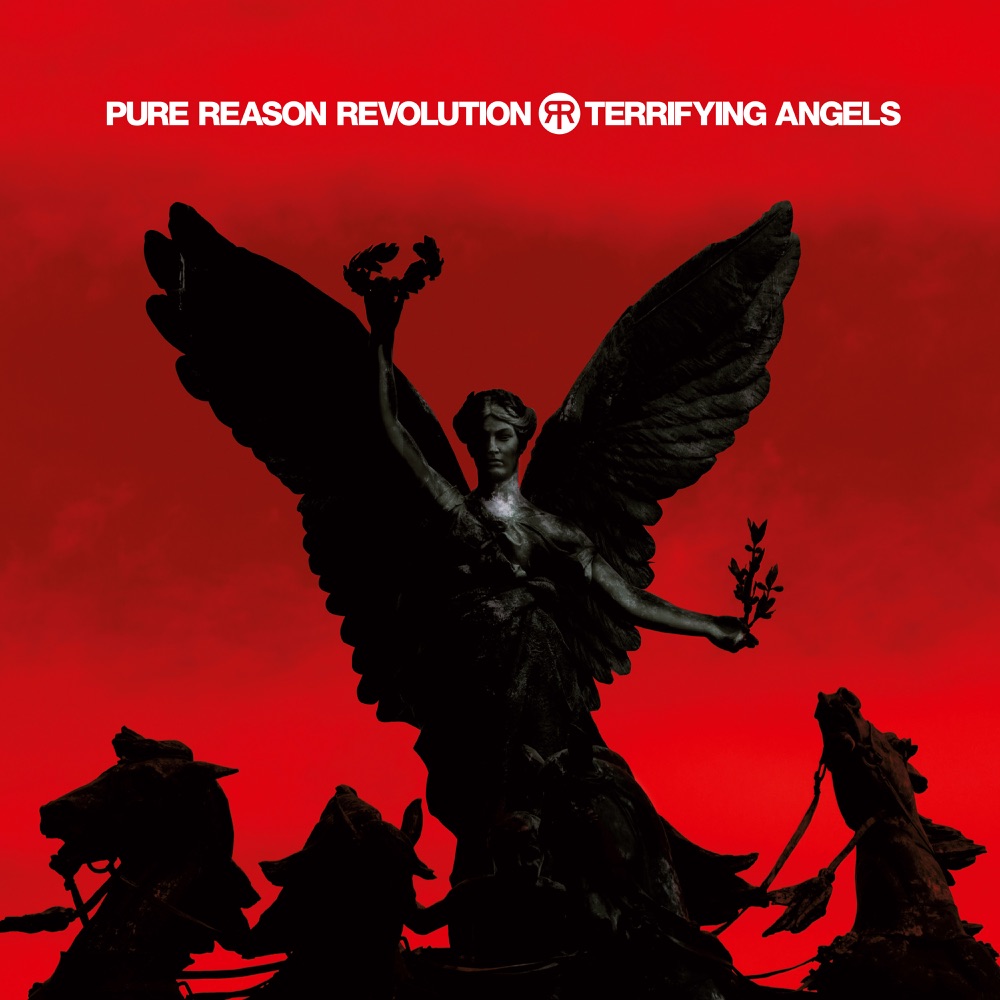
Two years on from “Coming Up To Consciousness”, the British band build a record around two long pieces that take more than half of its fifty minutes. Mixed by Bruce Soord.
The Detroit band’s seventh album, produced by Dave Fridmann and carrying horns for the first time. Joe Casey pictures America as an old hotel and every song as a room.
Five pieces cut between 2017 and 2022 with four different ensembles and assembled afterwards as a collage. At the centre, a twenty-two-minute suite that travels from trio to octet.
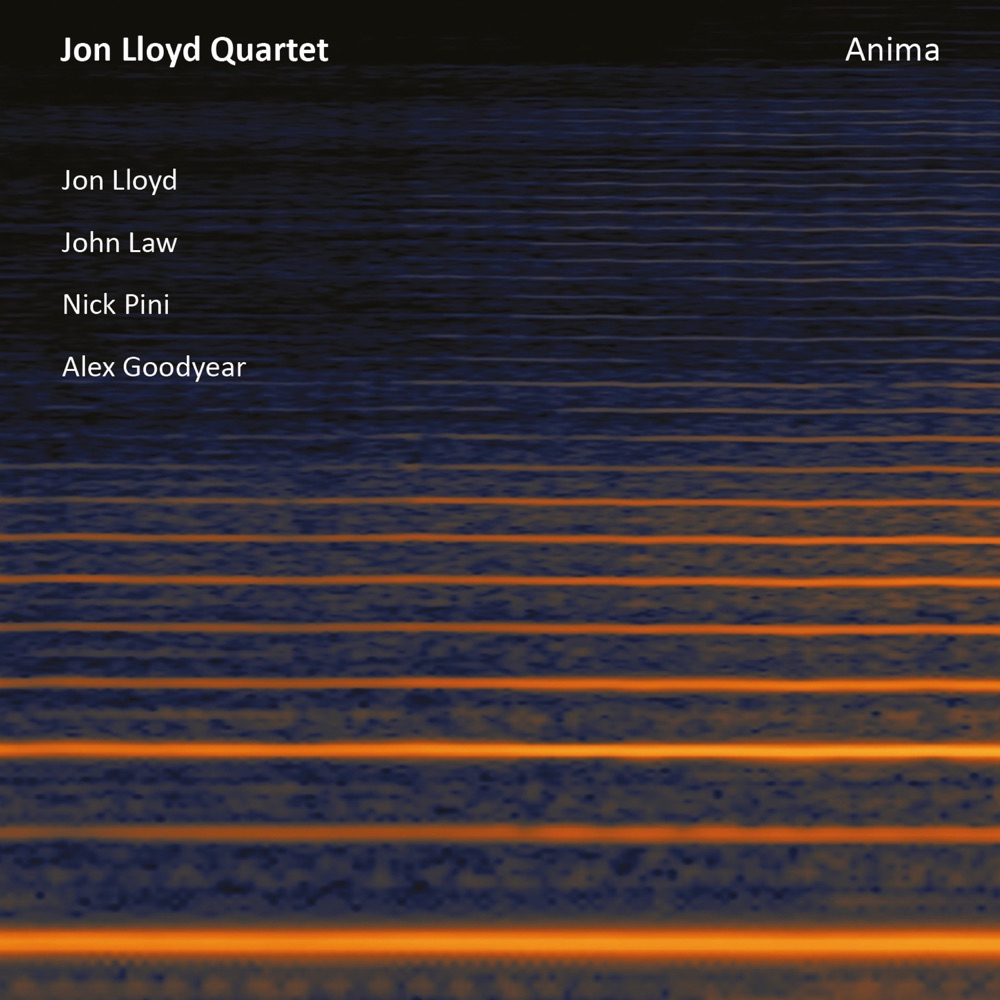
Eleven compositions from the British saxophonist with the same quartet as “Earth Songs”: open space, few notes and a closing “Winter Light” of almost eleven minutes.
Seven years on, the drummer returns to his electronic project with eight broken-up titles. When the retro layer thins out the record lifts; when it’s in charge, it’s an exercise.
Zeitgeist, poltergeist and Antichrist in one title: the Farthing brothers’ eighth album drops the novel and the instrumental and goes back to songs, seven of them, all much the same length.
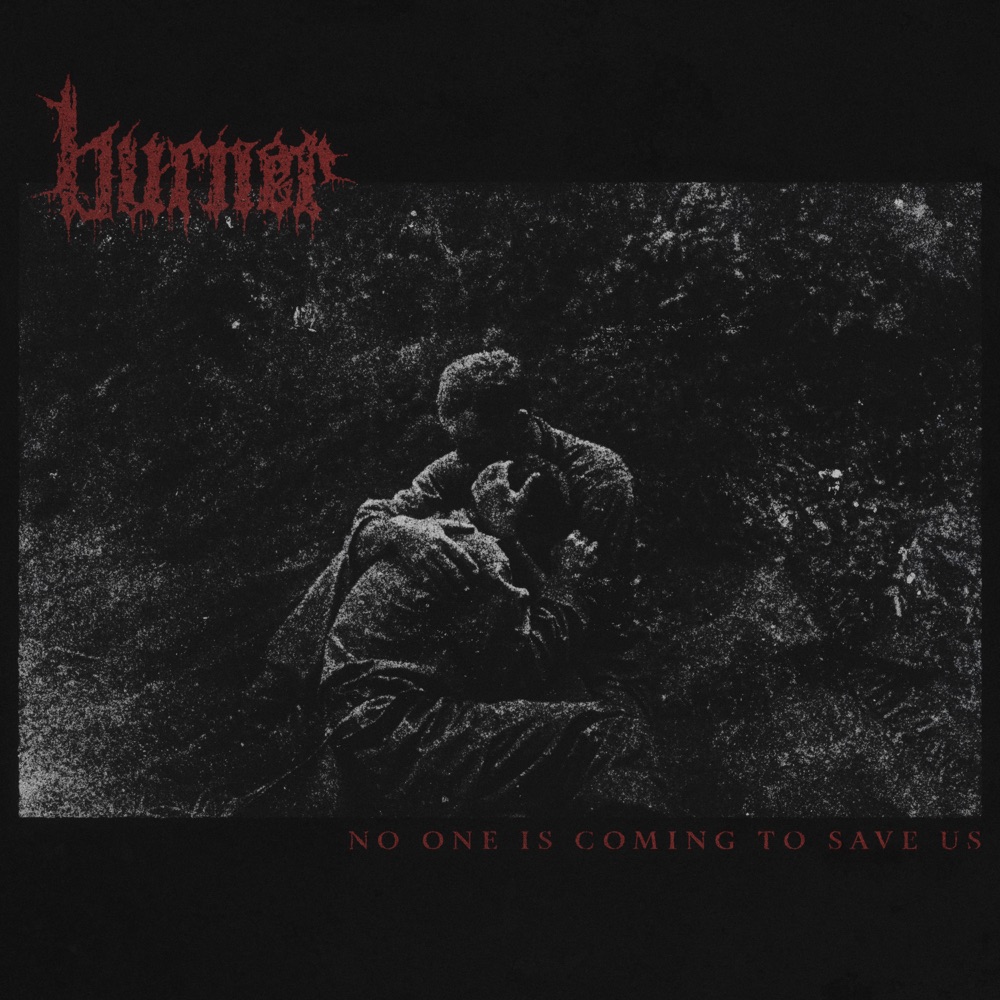
The south Londoners open at 7:45 and close at 7:39 on a record that until now would have gone straight at it: Burner’s second album trades the burst for atmosphere, and it works.
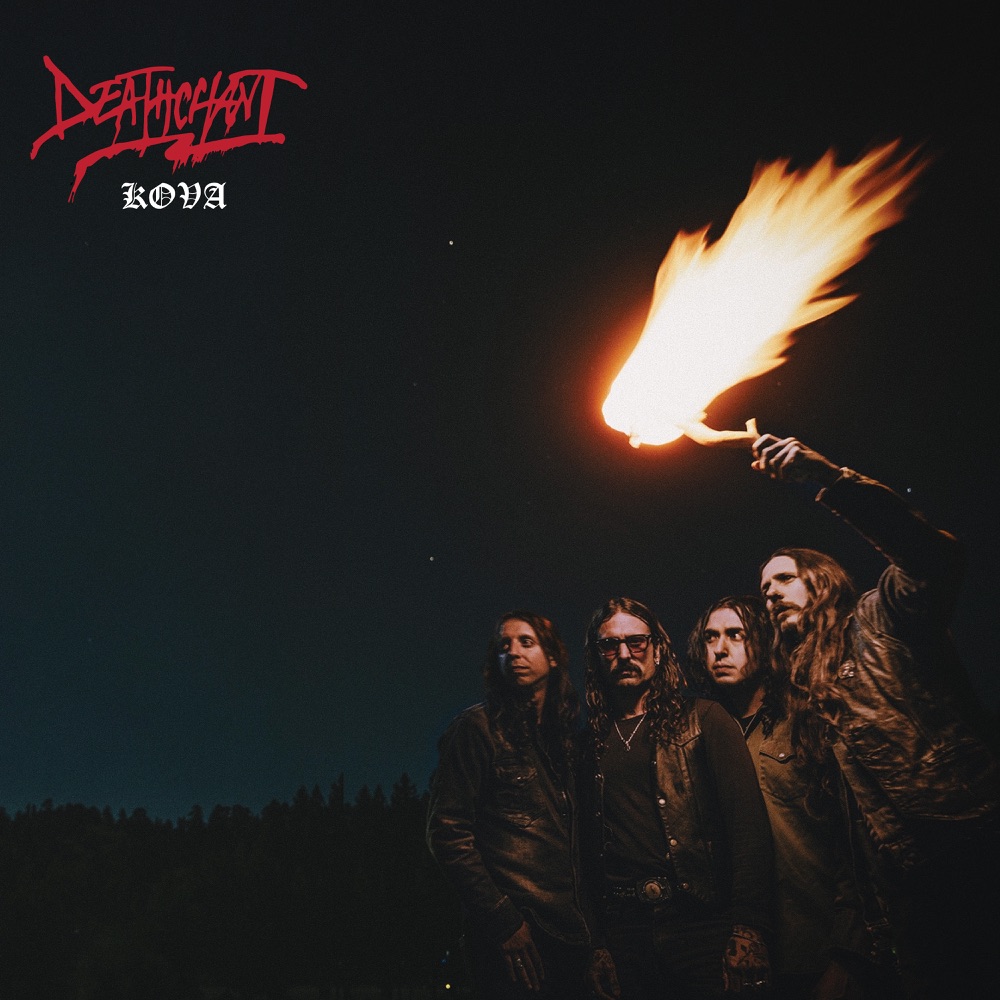
The fourth album from the Los Angeles band is named for a dead friend, and its closing eighteen minutes are the best thing they’ve cut: “Ruin”, “Forgiveness” and a 1:45 “Requiem”.
Six tracks out of the same sessions as “Purge” and not a crack of light in them: Godflesh’s tenth album ends on eleven and a half minutes that take up more than a quarter of the record.
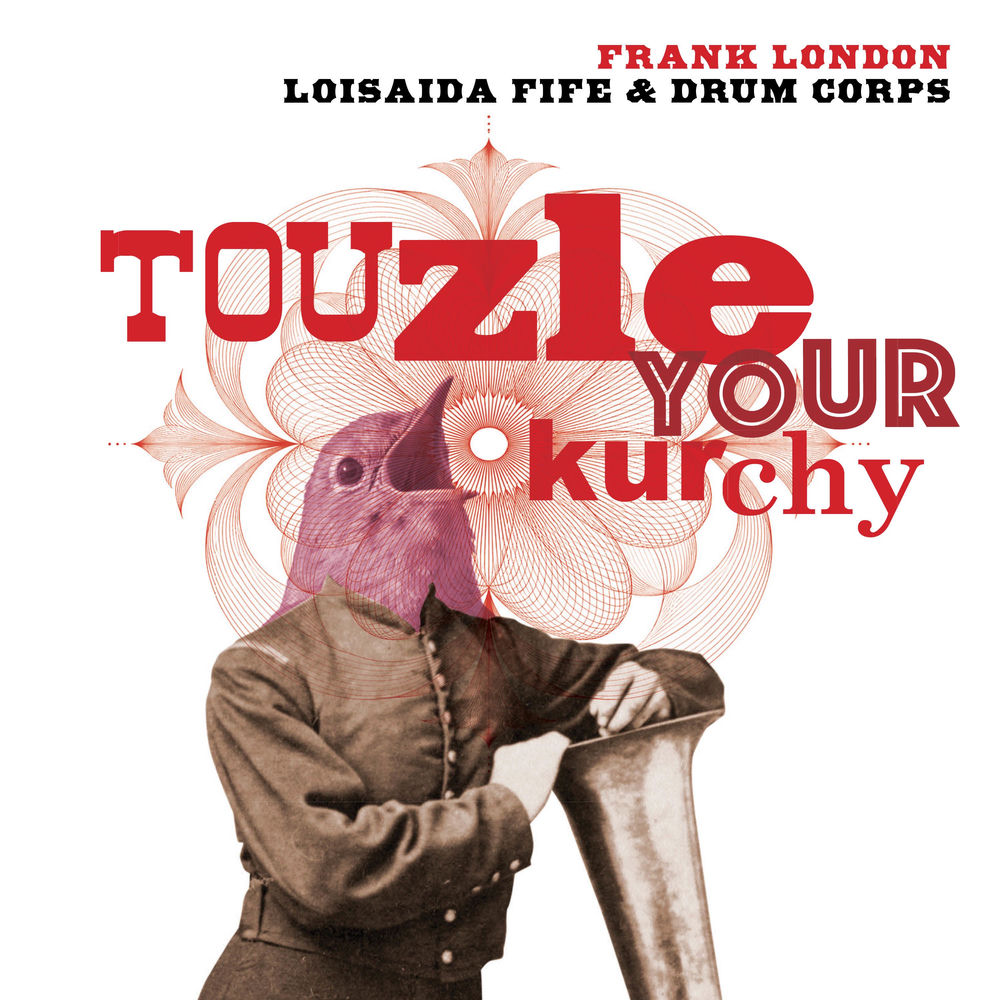
London drags eighteenth-century fife and drum music into a Lower East Side backstreet: eight public-domain pieces cut in a single session, with tuba, fiddle and washboard.
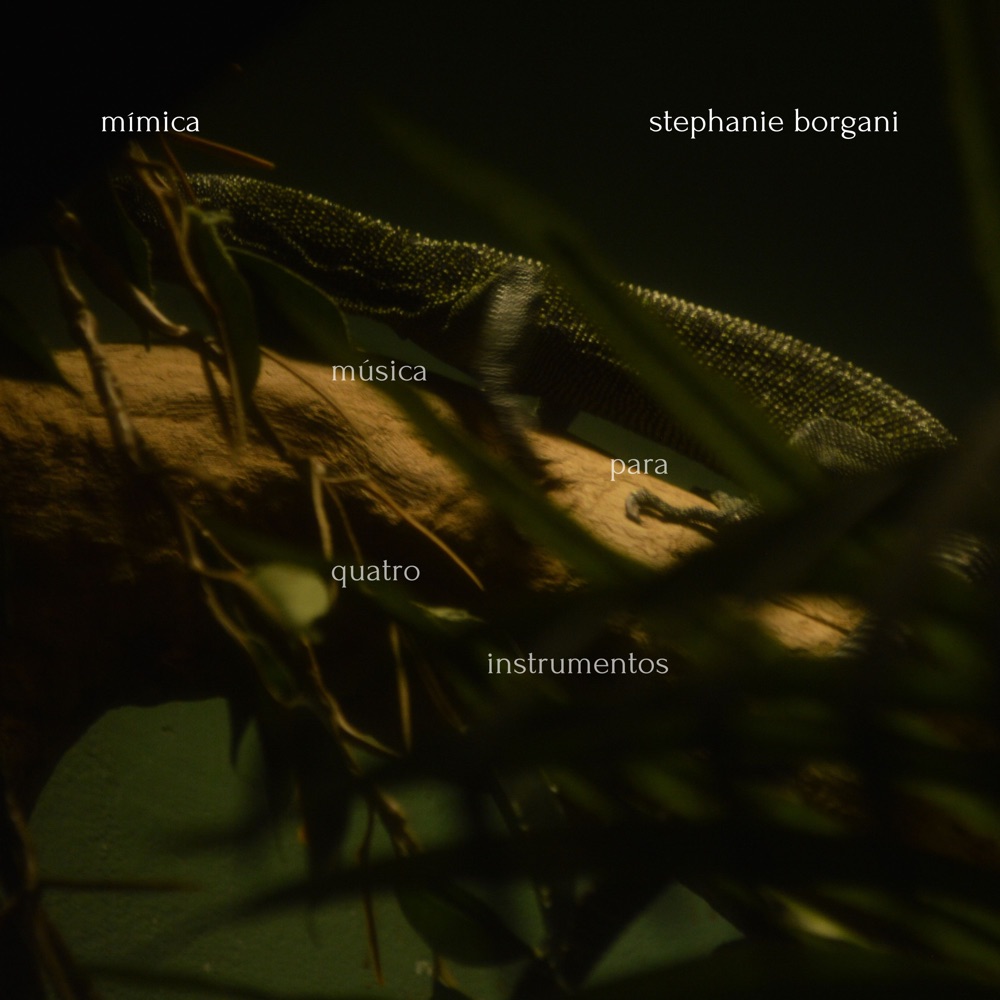
Two voices and two saxophones, no rhythm section and nothing playing the harmony: the São Paulo singer’s debut is thirty-seven minutes of written and improvised counterpoint in equal measure.
Readers' survey
Rate up to 150 progressive rock, metal and jazz-fusion bands and get your personal ranking -- plus the Tótum readers' overall one.
I want to vote →