
MetalPost-rock
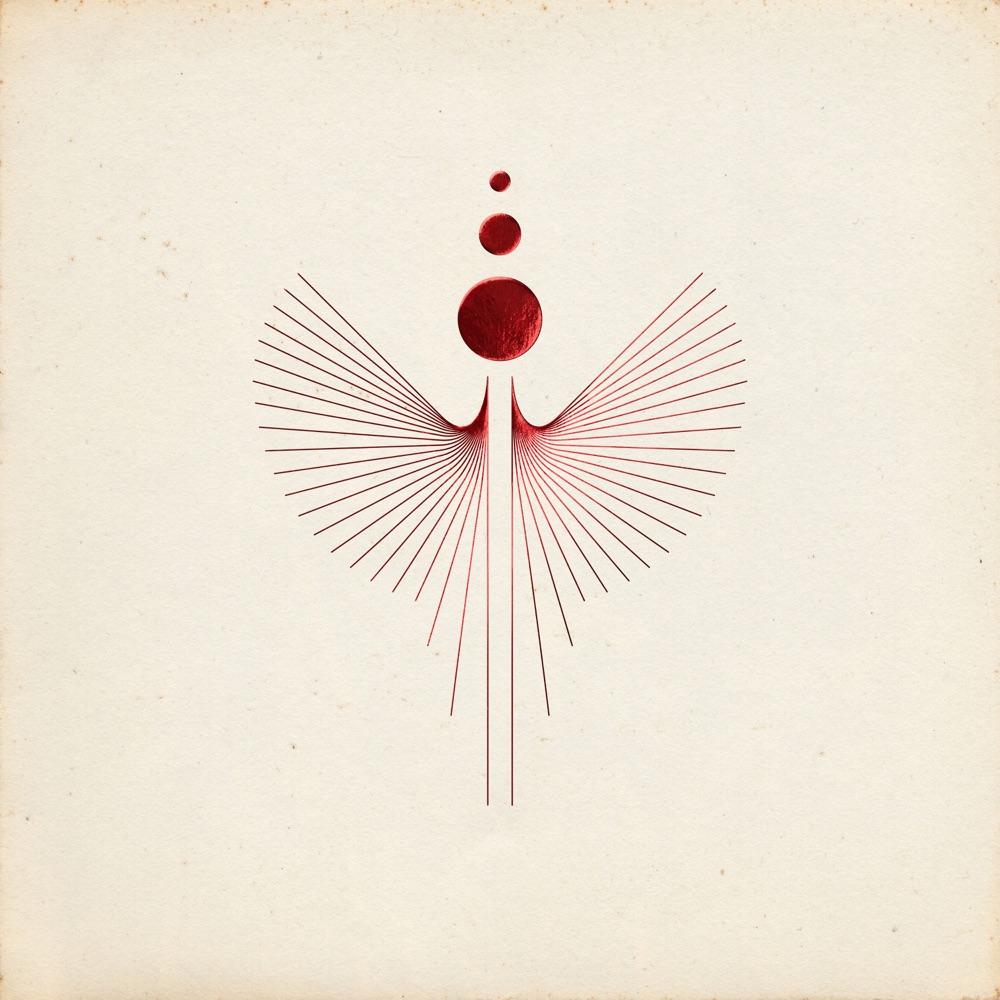
Pelagic Records · 25 September 2026
“Simulacra” runs seventeen minutes and eighteen seconds and is the largest piece The Ocean have ever written. There is piano in the quiet stretches and a braying trombone (played by Simen Eifring, of the Norwegian post-rock group Spurv), and in the middle something happens that nobody expected from the new line-up: the band holds a structure of that size without leaning on the riff. Around it, “Belligerence” concentrates the hardest music on the record and “Light Pollution”, released as the first single, keeps both new voices out in front for nearly ten minutes.
The album opens and closes on coordinates. The first track is titled 52°30’11″N, 13°26’12″E, the location of the band’s studio and rehearsal space in Berlin, and the last, 51°28’30″S, 73°6’11″W, points to Última Esperanza, a province of Chilean Patagonia. The sound that ties the two ends together is the celesta, an instrument that enters The Ocean’s vocabulary because Enrico Tiberi, the new singer, is a pianist: the grand piano, the Rhodes and the Hammond that the label credits as part of the record’s colour come from him too. Robin Staps is the only founder left. The “Holocene” line-up came apart after playing Hellfest 2025, and the seventeen minutes of “Simulacra” are the work of a band with four new faces in it: Tiberi and Lane Shi on vocals, Emmanuel Jessua and Marco Gennaro on guitars, alongside bassist Mattias Hägerstrand and drummer Jordi Farré. Pelagic Records put it out on 25 September, Jens Bogren mixed it — the same man behind “Pelagial” and both “Phanerozoic” records — and it was tracked at Hansa Studios in Berlin.
What it tells is a story about explorers. The title comes from the intelligent ocean in Tarkovsky’s 1972 film, and the label adds that the record grew out of reading the journals and records of Vasco da Gama, Magellan and Francis Drake in order to ask what it costs psychologically to be one of the seekers. That shows most in the closing stretch: “Ultima Esperanza”, “Milk Of My Dream” and the coordinates track that ends the album are joined by a repeating synth motif, and the last two share lyrics. Thorsten Quaeschning, of Tangerine Dream, adds modular synthesisers after a week’s work at his studio in Berlin-Rudow, and the result is the part of the record that sounds least like a metal band playing.
“In the light of the recent lineup changes, we wanted to offer our fans a core sound that they are familiar with”, Staps says in the label’s notes, and the album carries out that brief with a precision that comes at a cost. Tiberi sings with a timbre very close to Loïc Rossetti’s, both clean and shouted, and the critic who reviewed the album for Everything Is Noise admits there are stretches where they forget the change happened. Meanwhile, the voice that genuinely has never been heard here is the one that appears less often of the two: Lane Shi comes from Elizabeth Colour Wheel, records solo as Otay:Onii and has a shrieking register and an avant-garde practice that resembles nothing in the band’s catalogue. For a record presented as the beginning of an era, that is a conservative decision. What is here is excellent; the question is what these seven musicians would do if they did not have to reassure anybody.
Rating: 8.3/10
Text by Roger Estivill