
Jazz
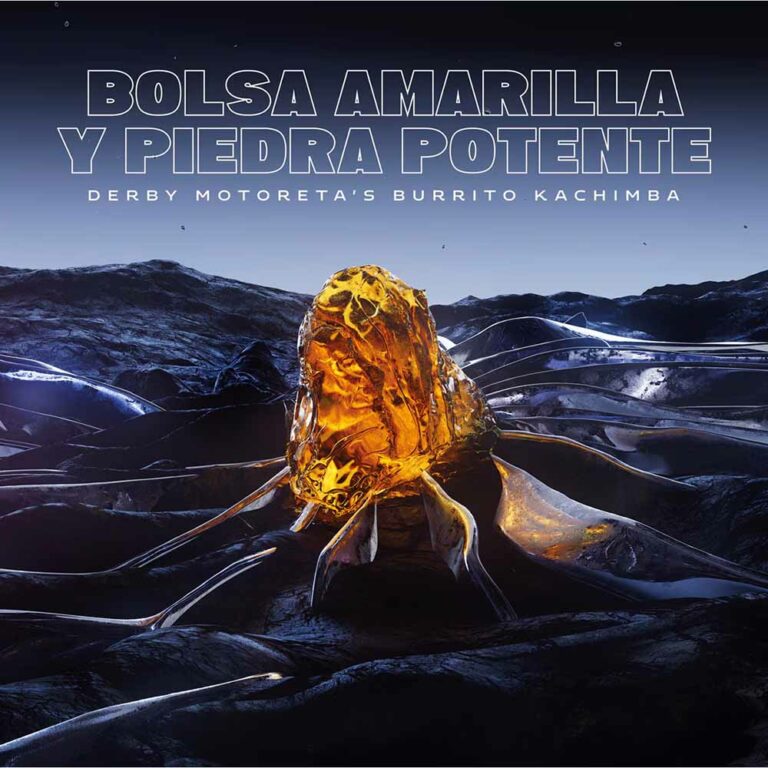
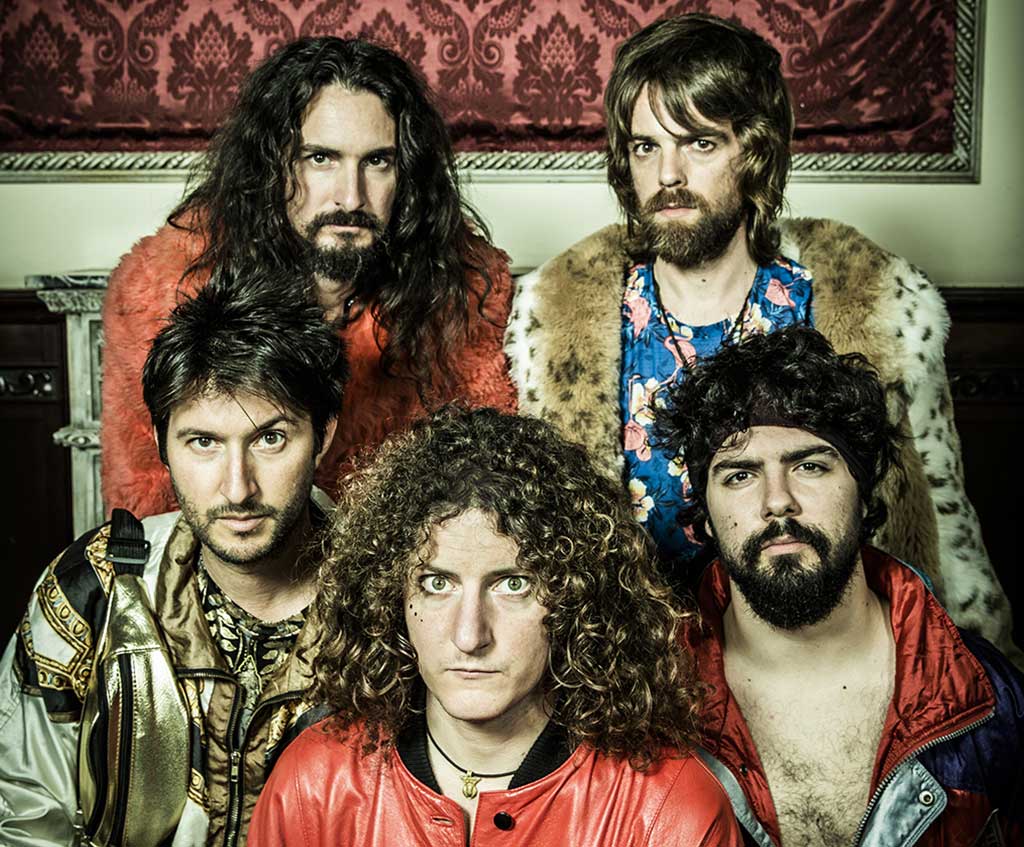
If someone tells you a band’s members go by the names Dandy Piranha (vocals), Papi Pachuli (drums), Machete Carrasco (keyboards), Gringo (guitar), Bacca (guitar) and Soni (bass), the last thing you’d expect is an album with this much depth and richness.
This is probably the best work yet from a band that, since forming in 2017, has never stopped topping itself and winning praise.
“Agua Grande” serves as a pseudo-orchestral opener for the album, using a variation on the motif that “Seis Pistones (Makensy’s Dream)” will pick up next. Once the electric guitar finishes its introduction, the verses alternate with the chorus. The subject matter is dark and sinister, backed by dense arrangements that suit it perfectly, to the point you could almost picture Venom dressed in flamenco ruffles. The main game here is contrasting tempos with a touch of psychedelia thrown in.
Up next comes “El Chinche”, where the spotlight is shared between a distorted harmonica and vocals that, this time, tackle much lighter, funnier subject matter. After unloading all its intensity in the first section, a lone guitar kicks off an interlude before returning to the main ideas, seasoned with a harmonica solo leading into the track’s ironic close.

With a fairly Mediterranean melody, “Prodigio” lets its heavily filtered verses take turns. The chorus is fairly simple and rhythmic, well suited to the composition. The instrumental section explores ideas rooted in the Andalusian musical tradition, and treats us to a mid-track guitar riff that gradually leads back into the chorus, which then also closes out the track. A dynamic piece, with a musical language deeper than it first appears and a cheerful listen. As a curious footnote, the lyrics are inspired by Euripides’s “The Bacchae”.
On Ευλαλω (Ef Laló), the first section is a composition close to flamenco-rock reference points like Lole y Manuel, Las Grecas, or Veneno, while the second, though it keeps using the same rhythmic motif, is much darker, with backing vocals singing “I’m sorry” in Greek. Honestly, given this cultural and musical richness, I think anyone who dismissively slaps the “kitsch-delic” label on this band might want to reconsider.
And on “Daddy Papi” we get another display of musical intelligence, blending binary and ternary time signatures into an interesting amalgam you could just as well count as 7/4. The result, contrary to what you might expect, is very fluid and danceable. The riff supporting the guitar solo is powerful yet restrained, keeping the track from losing the great momentum it builds up.
“La Fuente” is much more rhythmically standard. The instrumental motif is what makes the track pause each time it appears, and it’s also what gives it its foundation. Some genuinely lovely harmonic progressions, far removed from the pop approach of the verses, complement it perfectly. It’s a smart move to approach the closing sections in a very minimalist way, building a coda that combines the instrumental motif with the chorus.
A keyboard loop wraps around voice and guitar, crafting an elegant atmosphere on “Manguara”. The full band’s arrival in the second section is fleeting at first, but that lets them use a mid-track passage of filtered piano and give the ending a stronger character. “Gun-Gun”, on the other hand, leaves these experimental paths behind to return to a fusion of pop verses and biting, rocking choruses. Naturally, there’s a bridge that starts from near-emptiness and progressively builds up instrumentation towards the final choruses.
The surprising “Pétalos” toys with us, since its opening bars point towards one kind of track, before abruptly doing a full 180 and turning into a down-tempo piece, fairly unpredictable in the paths it keeps taking. Excellent production work.
And so we reach the flamenco-punk moment. “Manteca” is a burst of energy. Using semitonal harmonies typical of flamenco cadences, and fast, raw rhythms, they make this brief track land as fun and thoroughly enjoyable.
The ambition of “Tierra”, the track chosen to close the album, deserves a mention — its length and its rhythmic and atmospheric shifts make it a rich, complex song. It starts with the rhythmic amalgam of the verse, the ternary rhythm of the chorus, and three whole minutes of absolute silence before an extremely classic, filtered blues section kicks in, closing with the classic “scratched record” effect — if you’re too young to know what that is, ask the nearest boomer, they’ll fill you in. Just be warned: the moment they start telling you about their Marillion ticket stub from the ’97 gig, tell them you’re already late for an unmissable dental appointment without anaesthetic.
All in all, a magnificent album, reaching well beyond the Andalusian and psychedelic rock you might expect. The band stands alongside the greats of weird, taboo-free rock like King Gizzard & the Lizard Wizard or Pere Ubu, while also following in the footsteps of Triana or Medina Azahara. The best of both worlds.
Derby Motoreta’s Burrito Kachimba website
Writer: David Sàez